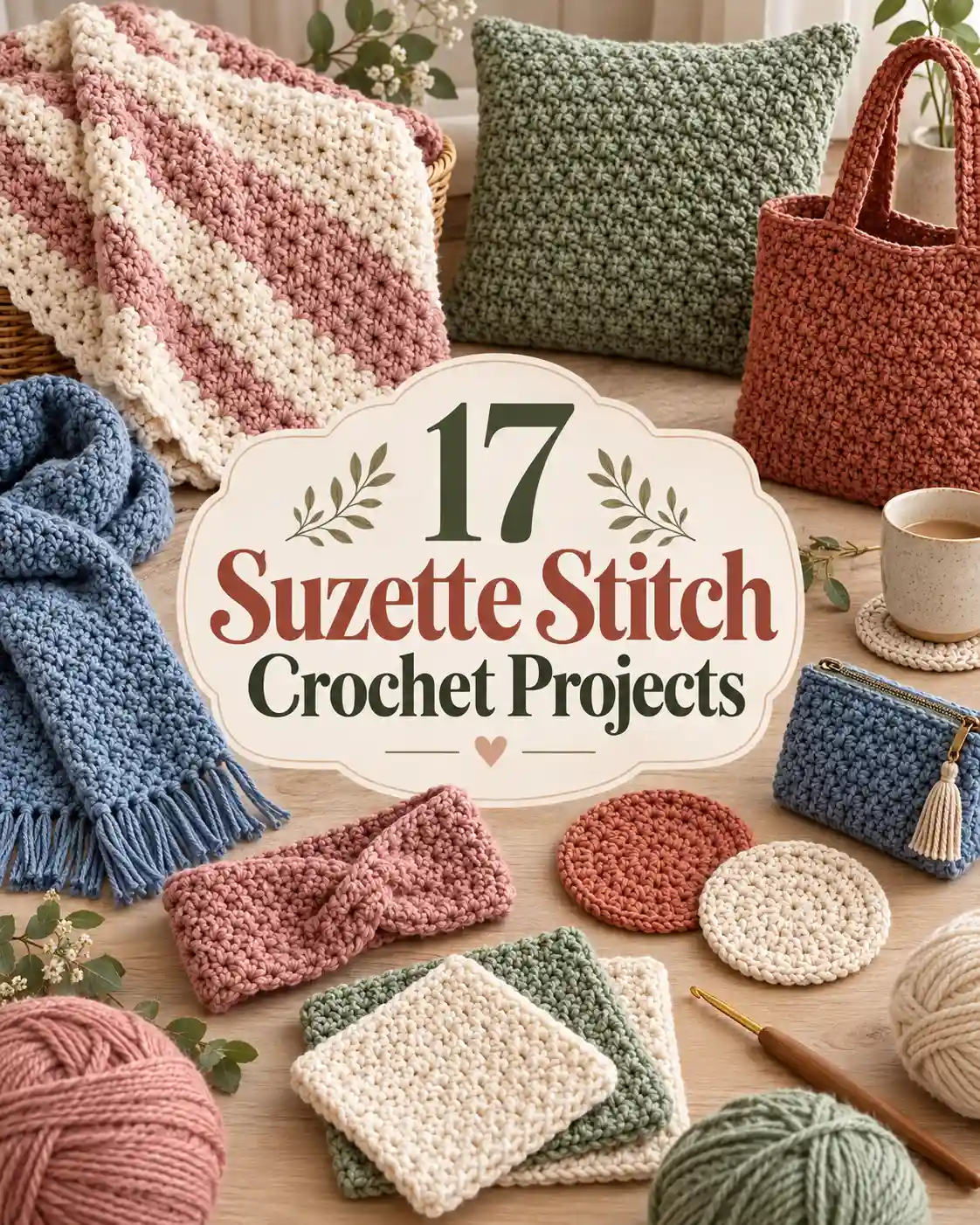
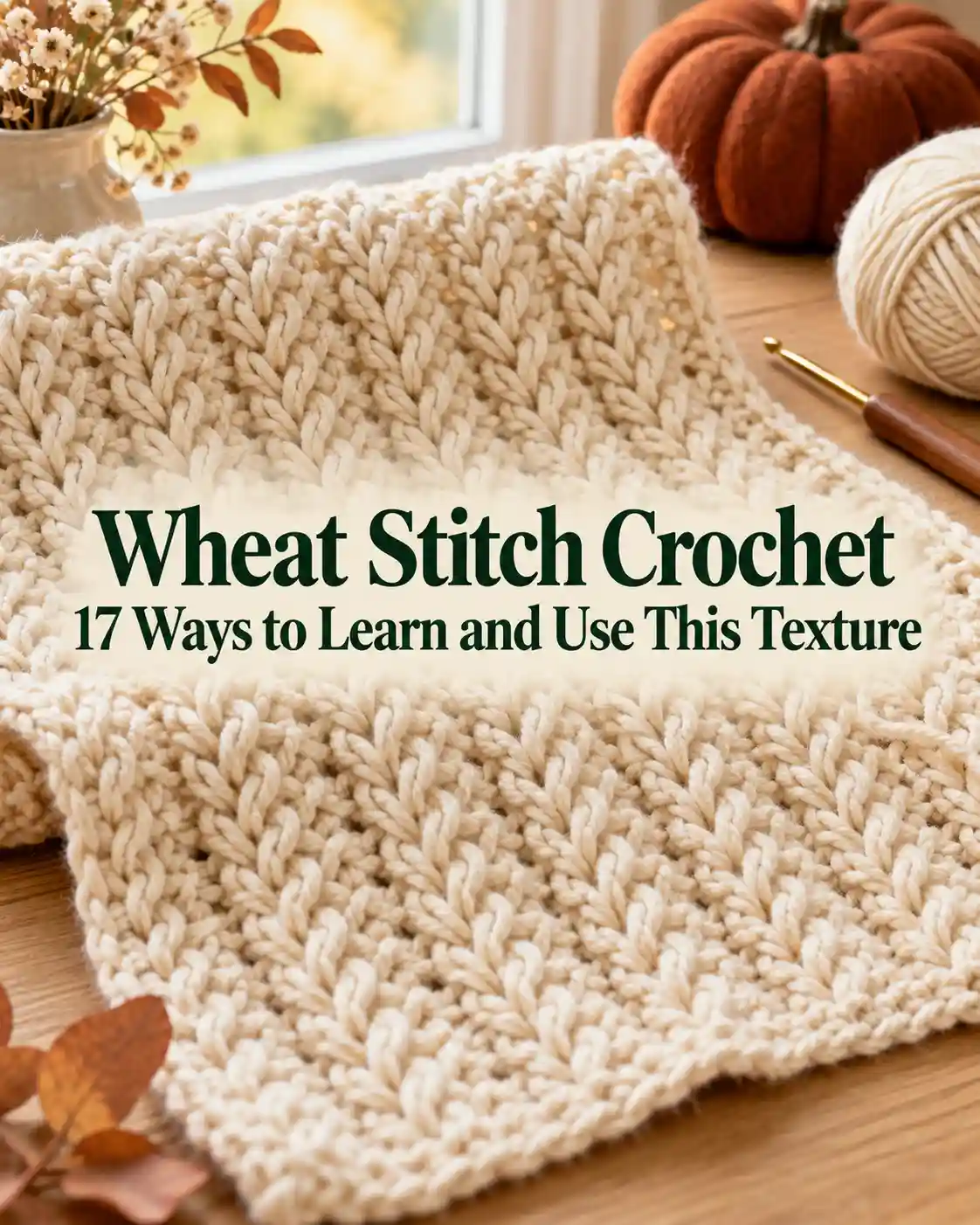
The Suzette stitch crochet pattern is an easy, textured stitch made by working a single crochet and a double crochet into the same stitch, then skipping the next stitch. It creates a beautifully textured, reversible fabric using just two basic crochet stitches. In this guide, you’ll learn the free written pattern, understand the stitch repeat, and discover 17 creative projects you can make with it.
If you’ve been crocheting for a little while, you’ve probably reached the point where ordinary single crochet rows feel a bit too plain. You want something with more texture, but you don’t necessarily want to spend the afternoon counting complicated stitch combinations.
That’s where the Suzette stitch comes in.
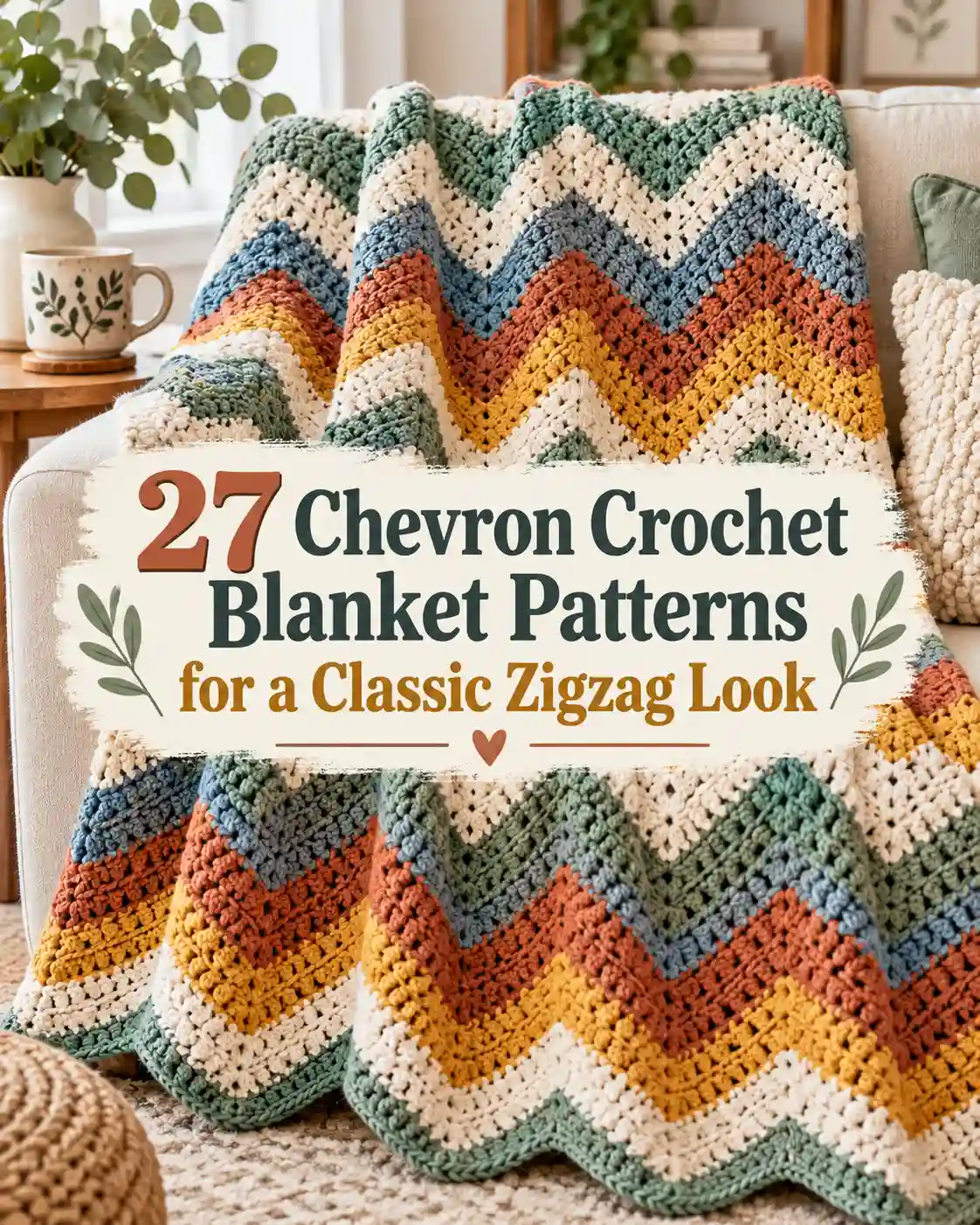
It has a lovely, slightly raised texture that looks more intricate than it actually is. Better still, once you understand the first couple of rows, the pattern becomes easy to remember.
Whether you’re planning a soft blanket, a practical dishcloth, or a cozy winter accessory, this is a stitch worth adding to your crochet collection.
You also don’t have to plan a big project before learning it. Start with a little practice square, get familiar with where your hook goes, and see how the fabric feels in your hands. From there, you can decide whether you prefer something practical for the kitchen or a soft accessory to wear. The 17 ideas below will help you find a project that makes the most of this simple stitch.
Key Takeaways
- Start with 20 chains to practice an even-chain repeat.
- Work single crochet and double crochet into the same stitch.
- Skip one stitch between each pair.
- Mark the final single crochet to maintain straight edges.
- Explore Suzette stitch crochet blanket ideas after mastering the swatch.
- Choose yarn based on your project’s purpose and texture.
What Makes Suzette Stitch Crochet Different?
Suzette stitch combines a single crochet and double crochet in the same stitch, followed by a skipped stitch, to create a textured, reversible crochet fabric.
The Suzette stitch combines two familiar techniques: single crochet (sc) and double crochet (dc). Instead of placing them in separate stitches, you work both into the same stitch and skip the next one.
This creates little clusters that sit neatly against each other, giving the finished fabric its characteristic textured appearance.
The stitch is also reversible, so both sides look attractive. That’s especially useful for scarves, blankets, and other projects where the back of the fabric might be visible.
Unlike more open crochet patterns, the Suzette stitch produces a relatively dense fabric. However, it can still have a comfortable drape when you choose an appropriate hook size and avoid working too tightly.
Here is a quick overview before getting started.
| Feature | Suzette Stitch Details |
|---|---|
| Skill level | Confident beginner |
| Basic stitches | Single crochet and double crochet |
| Foundation | Multiple of 2 chains for this version |
| Row repeat | 1 repeating row after setup |
| Turning chain | Chain 1; does not count as a stitch |
| Texture | Dense, slightly raised, reversible |
| Recommended projects | Blankets, scarves, dishcloths, bags |
| Terminology | US crochet terms |
What Supplies Do You Need for Suzette Stitch Crochet?
You don’t need special tools or expensive materials to learn this stitch. A small amount of yarn and your essential crochet supplies are enough to make a practice swatch.
Gather the following:
- Yarn: Medium-weight (worsted, category 4) yarn is a practical starting choice.
- Crochet hook: Try a 5.5 mm or 6 mm hook with suitable worsted yarn.
- Scissors: For cutting the yarn when your project is finished.
- Tapestry needle: To weave in the yarn ends.
- Stitch markers: Optional, but helpful for finding the first and last stitches.
According to the Craft Yarn Council’s yarn weight guidelines, medium-weight yarn typically pairs with crochet hooks measuring approximately 5.5–6.5 mm. These are general recommendations, so your yarn label and desired fabric texture should guide the final choice.
For your first attempt, a smooth, light-colored yarn is particularly helpful. You’ll be able to see where each stitch begins and ends without struggling to find the loops.
Which Crochet Abbreviations Should You Know?
This tutorial uses US crochet terminology.
| Abbreviation | Meaning |
|---|---|
| ch | Chain |
| sc | Single crochet |
| dc | Double crochet |
| sk | Skip |
| st | Stitch |
| rep | Repeat |
| (sc, dc) | Work both stitches into the same stitch |
The Craft Yarn Council maintains standardized crochet abbreviations. Remember that US single crochet is called double crochet in UK terminology, while US double crochet is called treble crochet in UK terminology.
How Do You Crochet the Suzette Stitch Step by Step?
Start with an even-number foundation chain, work a single crochet and double crochet into the same stitch, skip the next stitch, and repeat while finishing each row with a single crochet.
At a Glance:
- Begin with 20 chains for a small practice swatch.
- Place both the sc and dc into the same stitch.
- Skip the next stitch before repeating the pair.
- Finish with an edge single crochet.
- Chain 1 and turn to continue the pattern.
Let’s make a small sample before moving on to the larger project ideas.
This free Suzette stitch crochet pattern uses an even-number foundation chain without a separate preparation row. Other tutorials sometimes use a foundation row of single crochet, so their starting-chain instructions may look different.
How Do You Start the Foundation Chain?
Start by making a slip knot and chaining 20.
You can use any multiple of 2 for your crochet foundation chain, such as 20, 30, 40, or 60 chains, depending on how wide you’d like your work to be.
For now, 20 chains will give you a manageable practice sample.
How Do You Crochet Row 1?
- Work one single crochet into the second chain from your hook.
- Work one double crochet into that same chain.
- Skip the next chain.
- Work one single crochet and one double crochet into the following chain.
- Continue repeating the skip-one, sc-and-dc combination across the foundation.
- When two chains remain, skip the second-to-last chain and work one single crochet into the final chain.
- Chain 1 and turn.
You should have 19 stitches at the end of Row 1 when starting with 20 chains.
The most important thing to remember is that the single crochet and double crochet belong together in the same stitch.
How Do You Repeat Row 2?
Now comes the enjoyable part: you only need to remember one row.
- Work one single crochet and one double crochet into the first stitch.
- Skip the next stitch.
- Work one single crochet and one double crochet into the following stitch.
- Repeat this combination across the row.
- When two stitches remain, skip the second-to-last stitch and work one single crochet into the final stitch.
- Chain 1 and turn.
Repeat Row 2 until your project reaches the desired length.
This is the standard even-chain construction also demonstrated by crochet educators such as
Where Should You Place the Last Stitch?
The final single crochet is easy to overlook, especially when you’re concentrating on the stitch clusters.
However, this little edge stitch is important because it keeps the width of your fabric consistent.
Remember that the turning chain does not count as a stitch in this pattern. Therefore, place your final single crochet into the actual last stitch of the previous row rather than into the turning chain.
A stitch marker can help you locate the edge until you’re comfortable identifying it without assistance.
How Do You Read a Suzette Stitch Crochet Diagram?
Read a Suzette stitch diagram by identifying the sc-and-dc pairs worked into one base stitch, the skipped stitches between them, and the single crochet that finishes the row.
A Suzette stitch crochet diagram shows how the single crochet and double crochet share one base stitch while the next stitch is skipped.
For our 20-chain example, you can think of the foundation placement like this:
Foundation row placement
| Chain position from hook | Action |
|---|---|
| 2nd chain | sc + dc |
| 3rd chain | Skip |
| 4th chain | sc + dc |
| 5th chain | Skip |
| Continue alternately | Repeat |
| 18th chain | sc + dc |
| 19th chain | Skip |
| 20th chain | Final sc |
On subsequent rows, the same arrangement continues across the 19 resulting stitches.
A formal crochet chart would use standardized symbols for single crochet, double crochet, and chains. The Craft Yarn Council’s crochet chart symbol guide explains how those symbols are represented.
If you’re still learning to read charts, focus on recognizing where each pair of stitches is placed. Once you understand that placement, the pattern is much easier to follow.
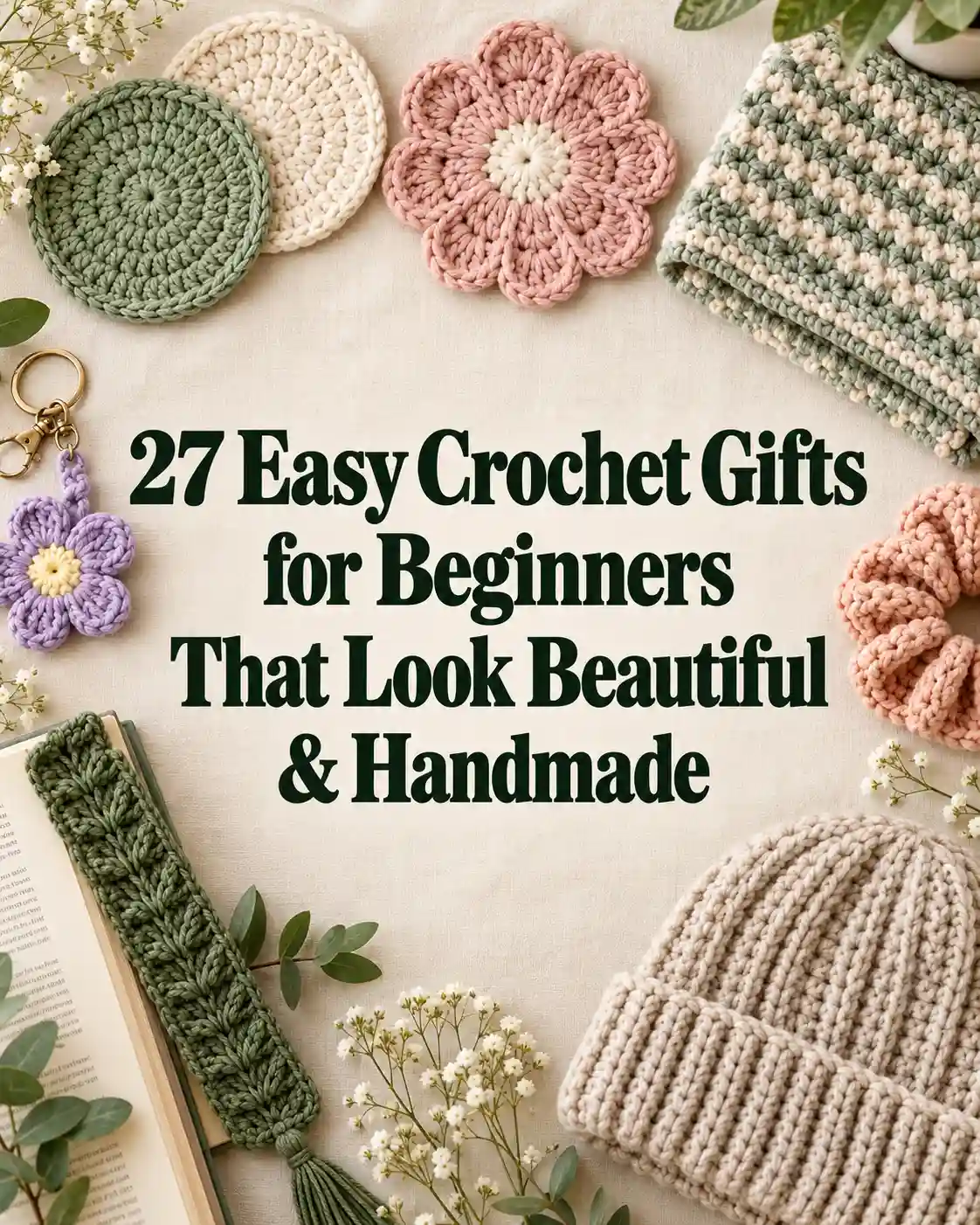
Which of These 17 Suzette Stitch Crochet Projects Should You Try?
At a Glance:
- Beginner projects: sampler squares, dishcloths, washcloths, and coasters.
- Cozy accessories: scarves, cowls, and twisted headbands.
- Home decor: blankets, placemats, table runners, and pillow covers.
- Practical accessories: pouches, towels, and tote bags.
- Creative variations: striped panels and corner-to-corner adaptations.
Once you’ve practiced a few rows, you can use the same textured stitch in all kinds of handmade projects.
The following 17 ideas range from simple beginner squares to larger blankets and accessories. The basic stitch instructions above are free, while these project ideas provide practical construction guidance rather than separate, fully sized patterns.
1. Beginner Suzette Stitch Sampler Square
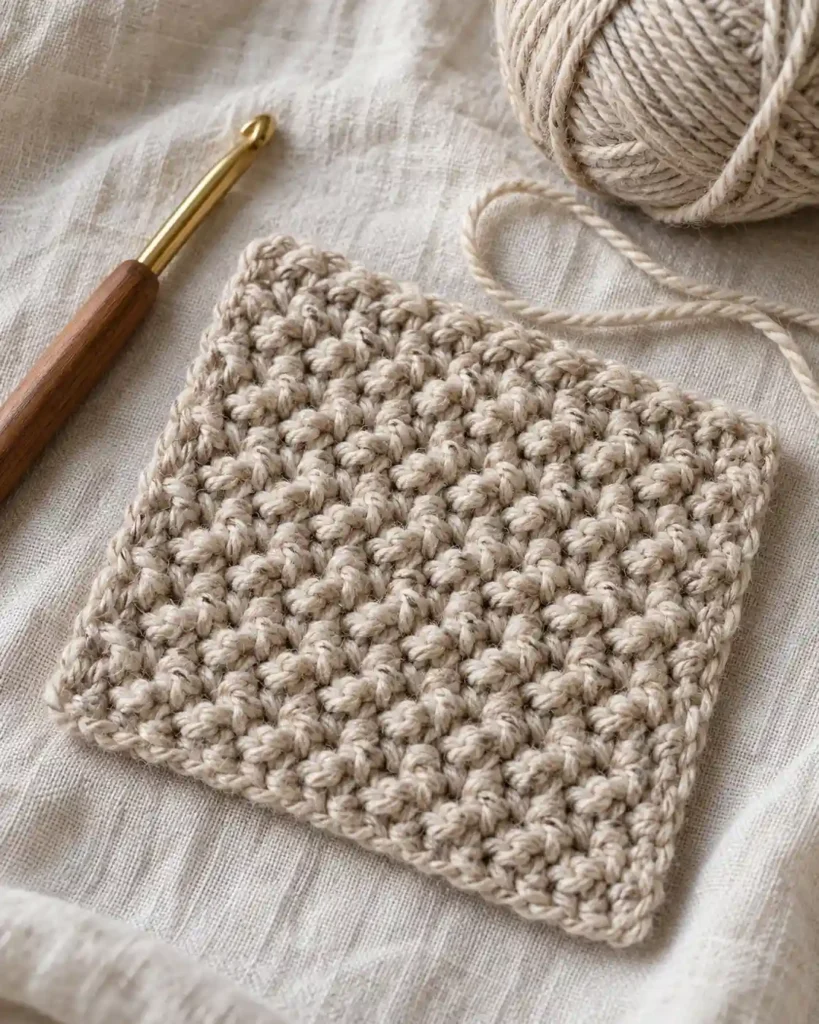
A small sampler square is probably the easiest way to get comfortable with the Suzette stitch. You can concentrate on finding the correct stitch placement without worrying about shaping or finishing a larger project.
Compared with starting a blanket immediately, a sampler gives you room to make mistakes and learn from them.
Begin with 20 chains and continue repeating the pattern until your fabric is approximately square. Watch the edges carefully as you work.
Once it’s finished, you can keep it as a reference for future projects or make several coordinated squares to experiment with different yarns.
Best for: Beginners learning stitch placement and consistent tension.
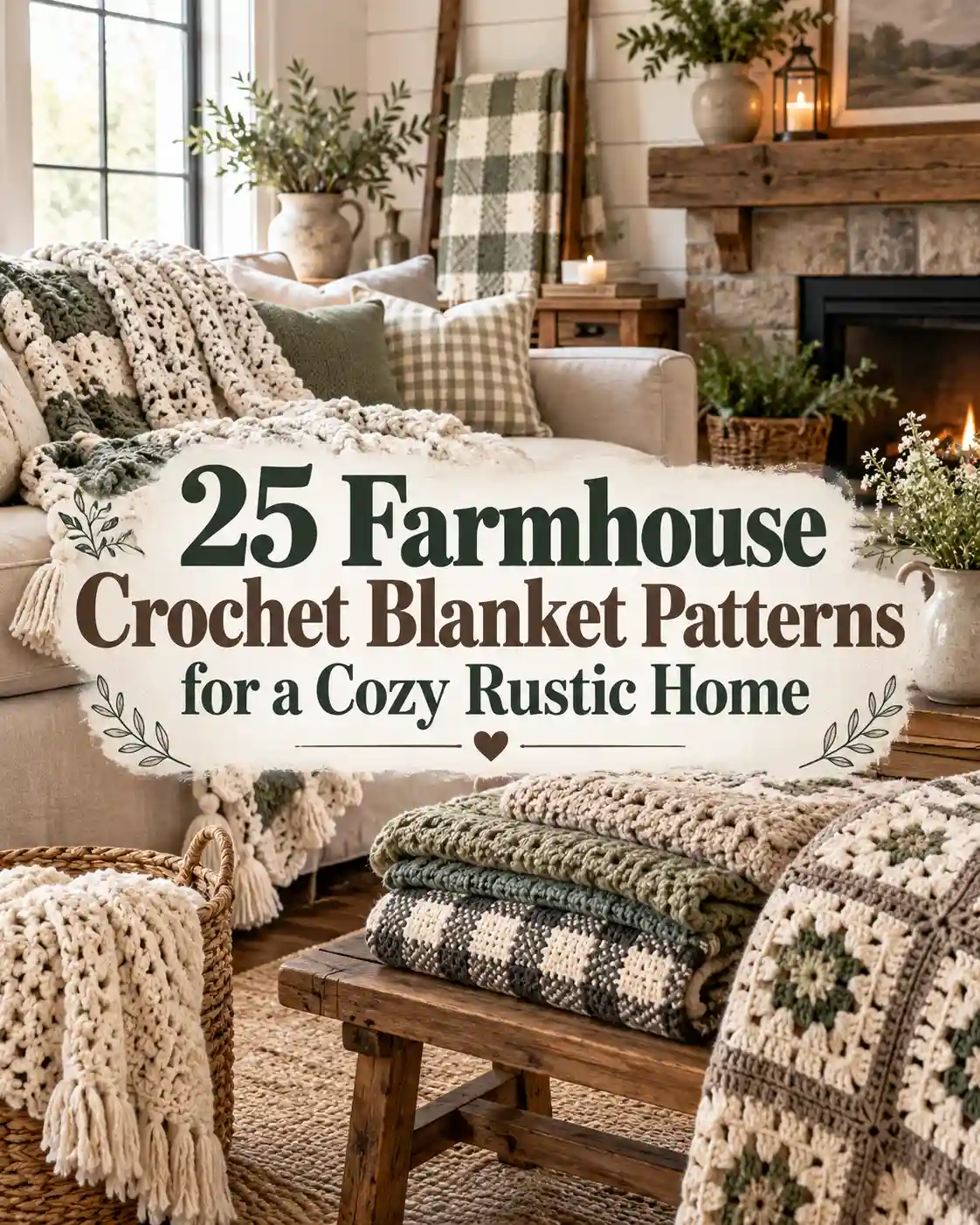
2. Soft Suzette Stitch Baby Blanket
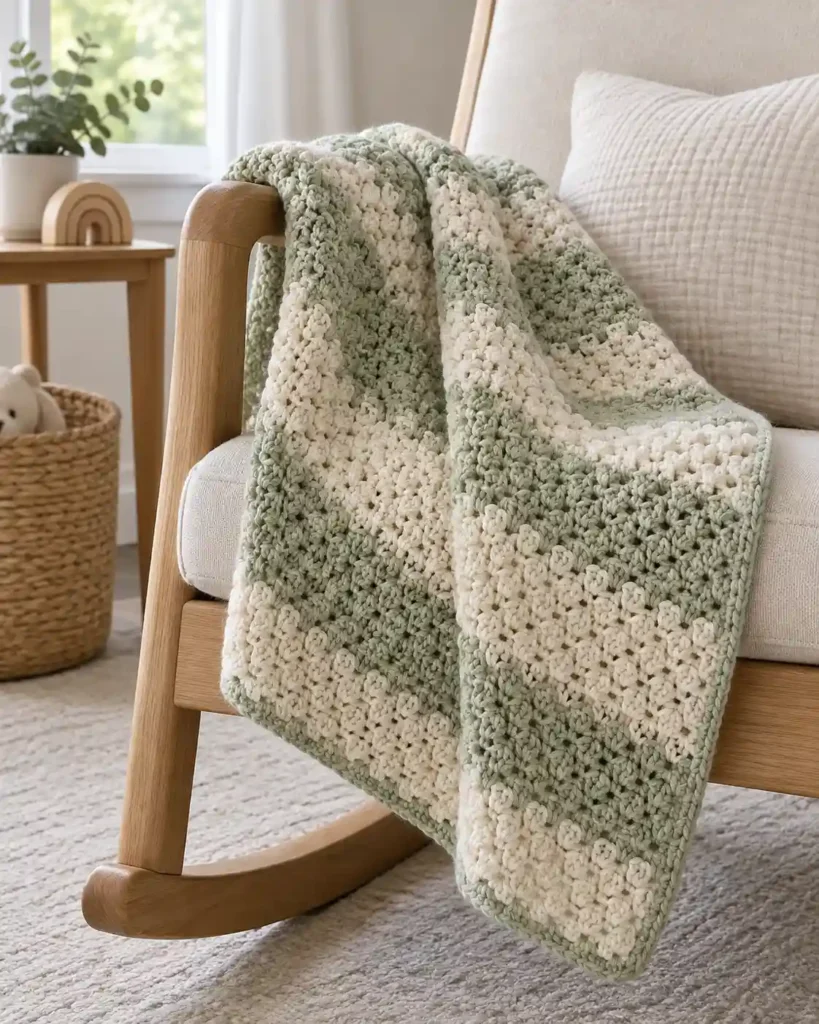
A Suzette stitch crochet blanket makes a lovely handmade gift, especially when you want something soft with a little texture.
If you’d like to crochet a baby blanket, choose a smooth, machine-washable yarn that feels gentle against the skin. A simple solid color works beautifully, although soft stripes can also give the blanket a more playful appearance.
Unlike an open lace pattern, the Suzette stitch creates a fuller fabric with relatively small gaps.
Make a gauge swatch first, then calculate the foundation chain for your preferred blanket width. A simple single crochet border can provide a tidy finish.
Best for: Handmade baby gifts and supervised, awake-time use.
Safety note: The American Academy of Pediatrics recommends keeping loose blankets and other soft bedding out of an infant’s sleep space. A handmade blanket should not be used as loose bedding for infant sleep.
3. Cozy Suzette Stitch Throw Blanket
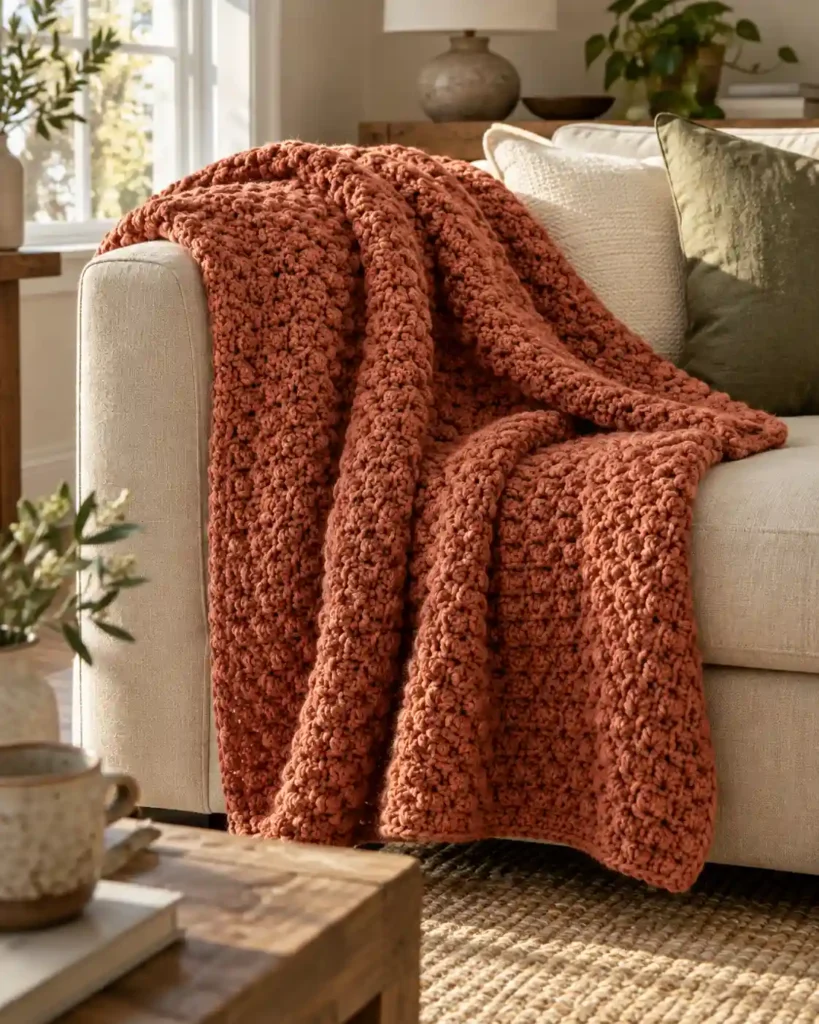
If you’ve been looking for a stitch that gives a plain sofa blanket more personality, the Suzette stitch is worth considering.
Its small raised clusters create visual interest without requiring multiple complicated pattern rows. Additionally, the reversible surface means you don’t have to worry about which side faces outward.
Choose a soft worsted-weight yarn for a flexible throw, or experiment with a thicker yarn for a chunkier appearance.
A neutral cream throw would suit a minimalist living room, while terracotta, mustard, or deep green can make a beautiful statement piece.
Before starting, make a swatch to estimate both the finished width and the yarn you’ll need.
Best for: Living room blankets, handmade housewarming gifts, and cozy home decor.
4. Durable Cotton Suzette Stitch Dishcloth
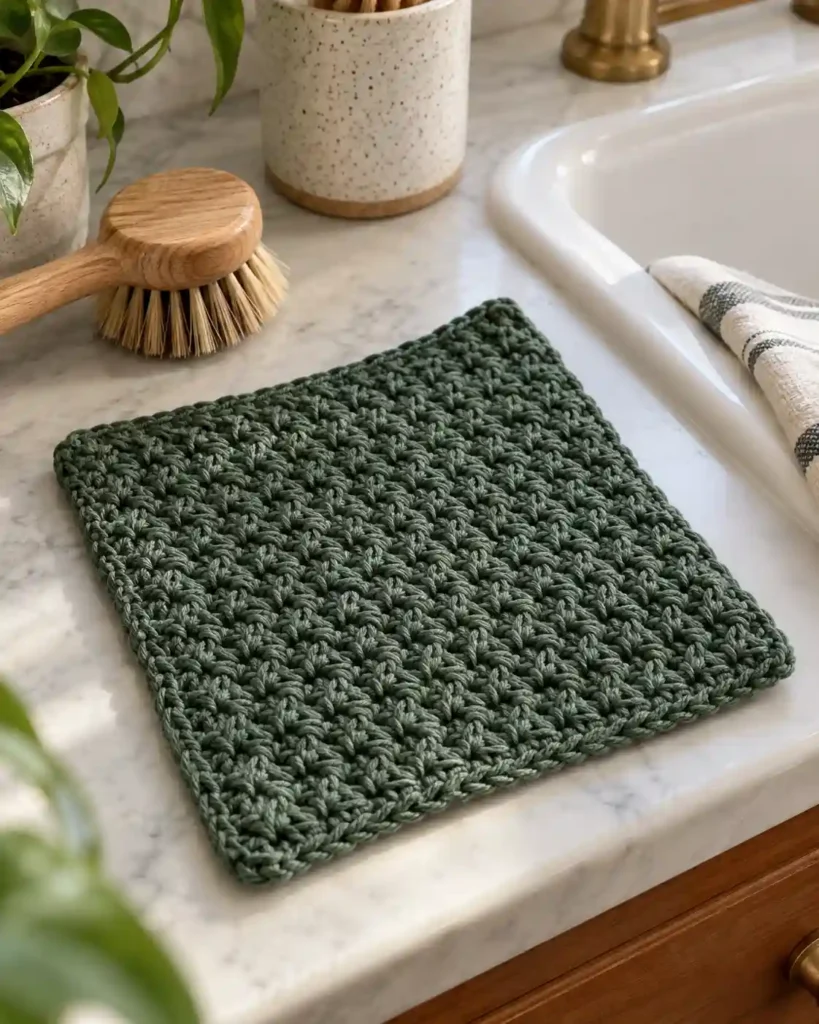
A cotton dishcloth is one of the most practical projects you can make while learning this stitch.
The textured fabric gives the cloth a useful surface for everyday cleaning, while the simple rectangular construction keeps the project manageable.
Instead of choosing fluffy acrylic yarn, use absorbent cotton that can handle regular washing.
Aim for a small square that fits comfortably in your hand. If the stitches feel too stiff, try moving up one hook size.
These dishcloths also make thoughtful little kitchen gifts, especially when you create a coordinated set in two or three colors.
Best for: Beginner kitchen projects and useful handmade gifts.
5. Spa-Style Suzette Stitch Washcloth
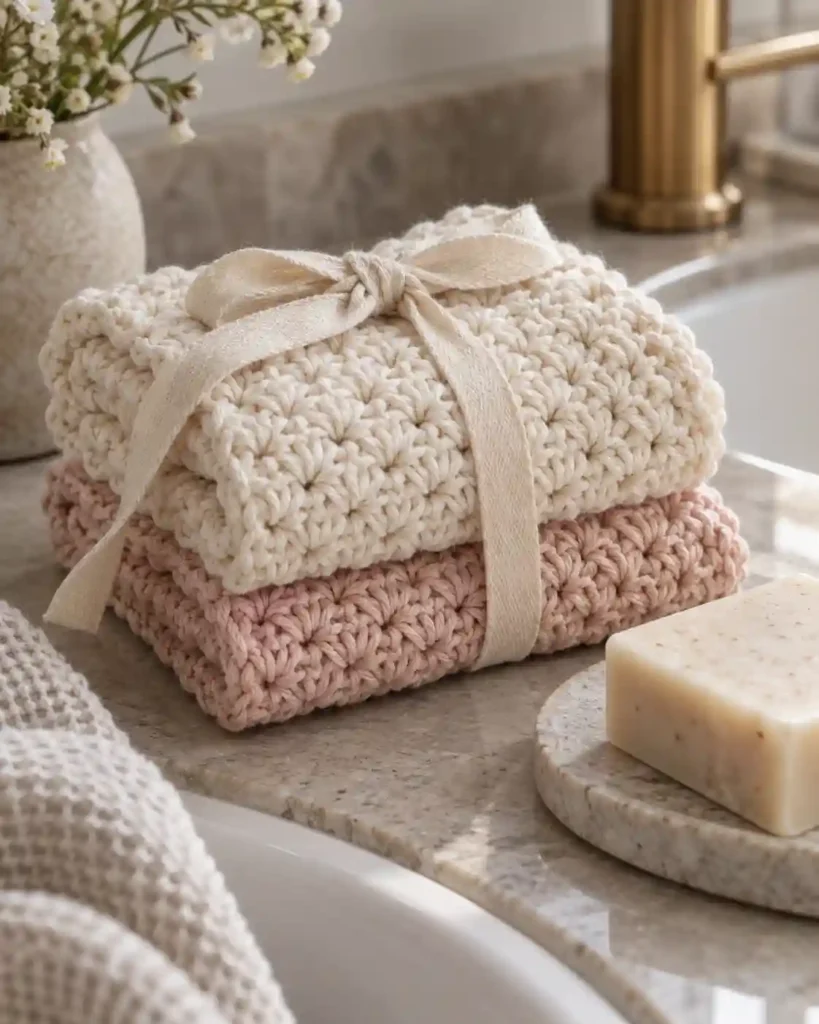
A handmade washcloth has a different feel from a kitchen dishcloth, even when both use the same stitch.
For this project, choose soft cotton yarn and keep your tension relaxed. The goal is a comfortable cloth that feels pleasant to use rather than something overly thick or rigid.
Imagine a few pale pink, ivory, or sage-colored washcloths stacked neatly beside handmade soap.
The finished pieces can become part of a small self-care gift set, making them especially suitable for birthdays or Mother’s Day.
Best for: Bathroom accessories, self-care gifts, and small cotton crochet projects.
6. Hanging Suzette Stitch Hand Towel
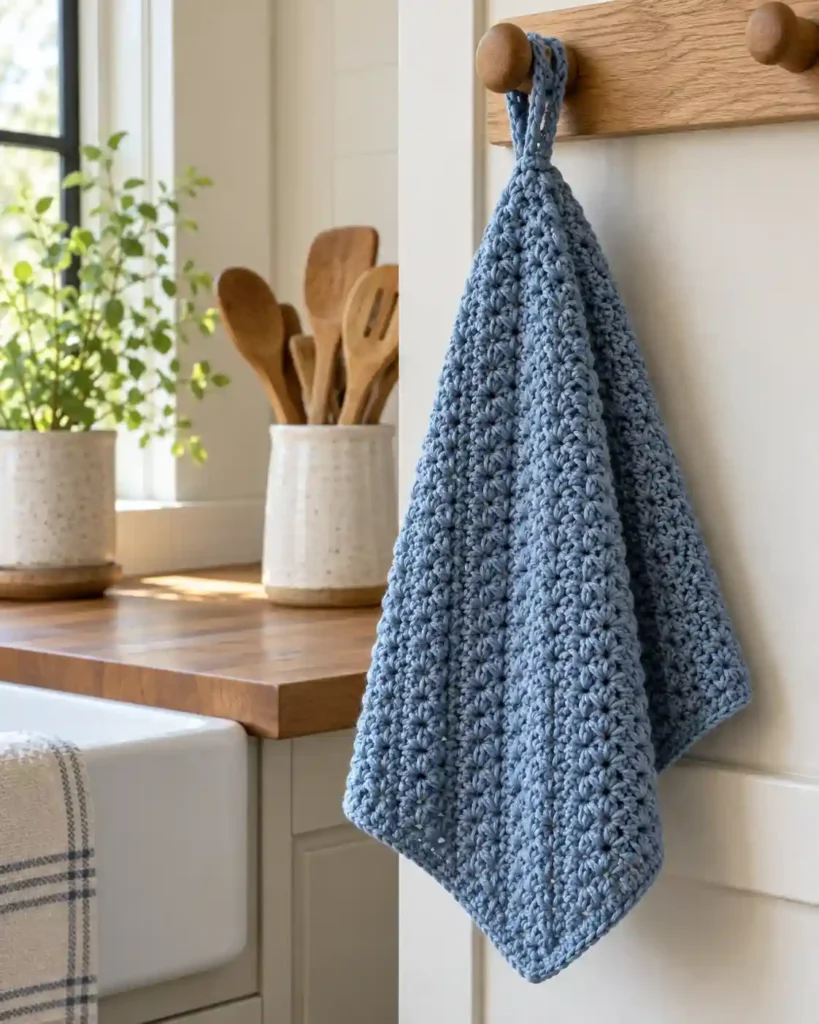
Want something a little bigger than a dishcloth? Try turning the Suzette stitch into a textured kitchen hand towel.
A rectangular towel lets you practice longer rows while still making something practical for everyday use.
Choose cotton yarn for absorbency and make the fabric long enough to hang comfortably from a kitchen hook.
You can add a small crocheted loop at one corner or create a contrasting border around the edges.
Just remember that larger cotton projects can become heavier when wet, so avoid making the fabric unnecessarily dense.
Best for: Handmade kitchen accessories and coordinated household sets.
7. Warm Suzette Stitch Winter Scarf
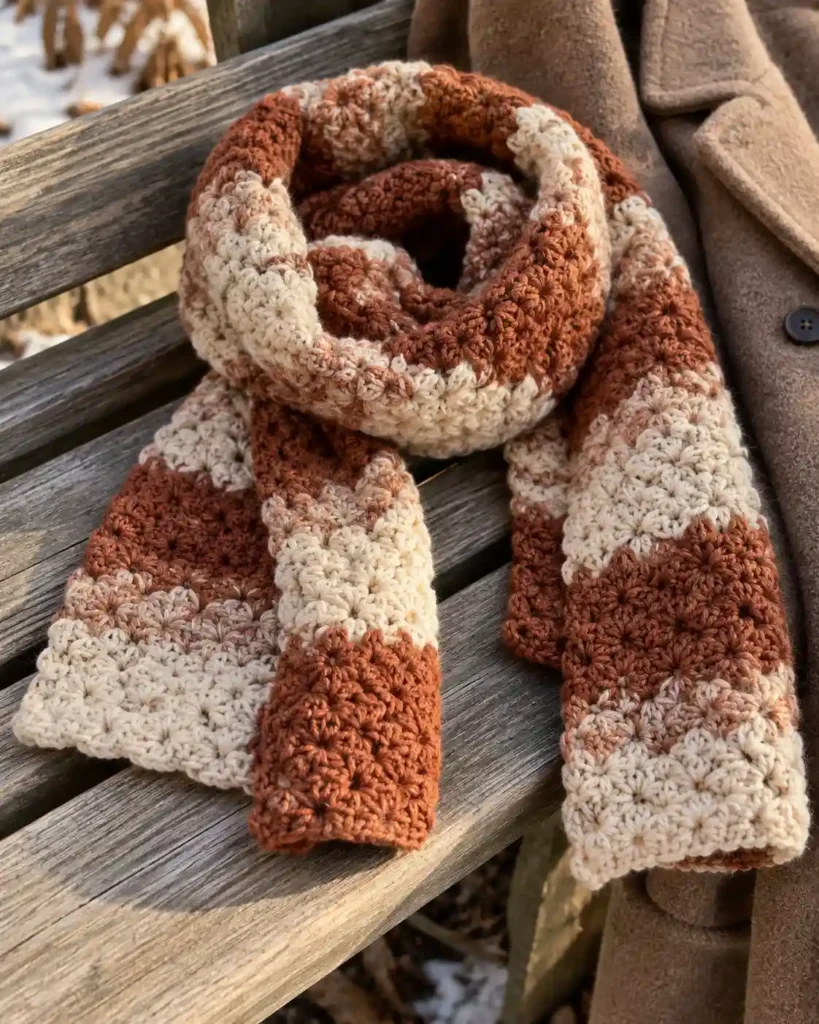
A crochet scarf is a wonderful way to show off the raised texture of the Suzette stitch.
Because the stitch looks attractive on both sides, the scarf can twist and fold naturally without exposing an awkward-looking back.
For a softer, more comfortable result, choose yarn that feels good against your neck and avoid using an undersized hook.
You could make a classic solid-colored scarf or alternate two complementary shades for subtle stripes.
Work the fabric to your preferred width and continue until the scarf is long enough to wrap comfortably.
Best for: Beginner winter accessories and handmade holiday gifts.
8. Chunky Suzette Stitch Cowl
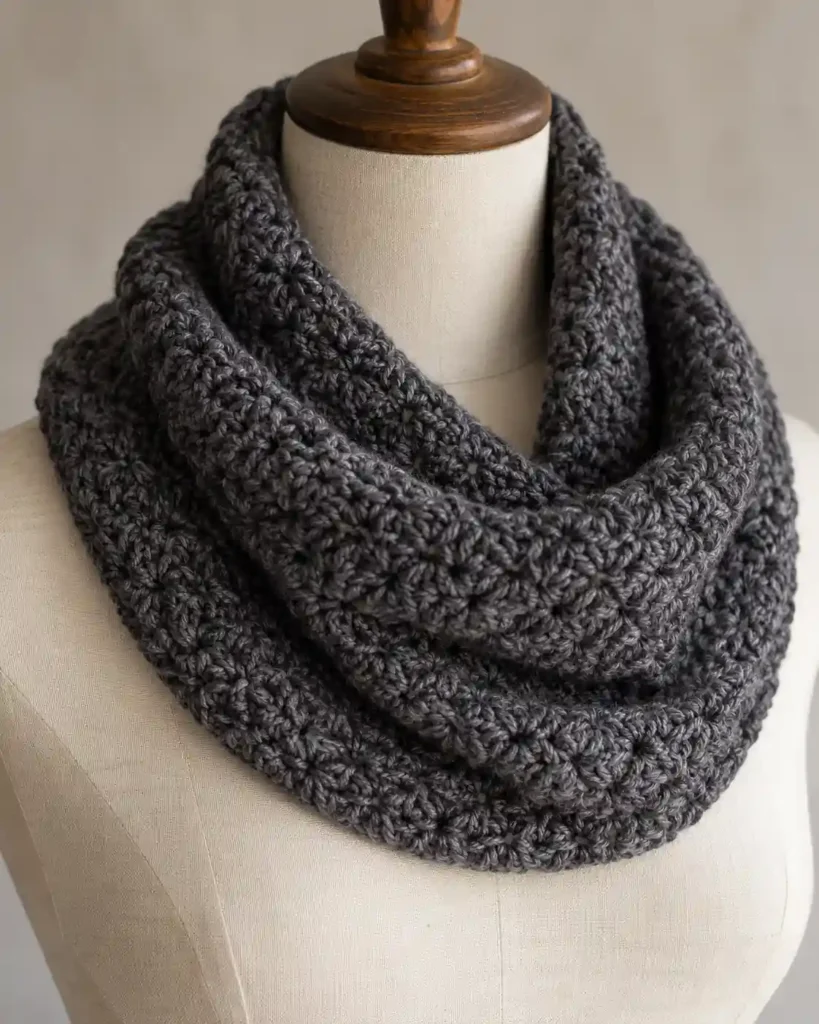
A chunky cowl is a great alternative when you want a cozy accessory without crocheting a long scarf.
The Suzette stitch adds enough texture that even a single-colored cowl looks interesting.
You can crochet a rectangle and sew the short ends together to create a loop, which is easier for beginners than adapting the stitch to circular construction.
Choose a bulky yarn with a soft feel and check that the finished circumference will sit comfortably around your neck.
A simple charcoal, oatmeal, or burgundy cowl can become an accessory you’ll reach for throughout colder months.
Best for: Weekend projects and comfortable winter wear.
9. Twisted Suzette Stitch Headband
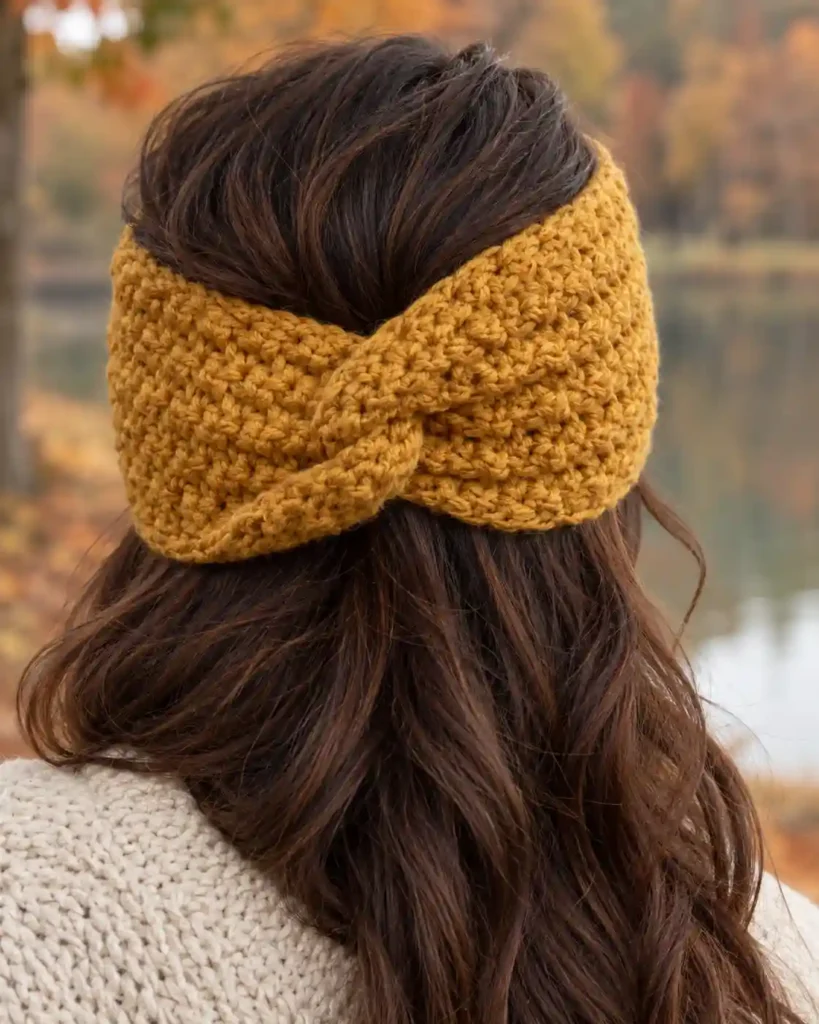
If you enjoy quick crochet projects, a twisted headband deserves a place on your list.
The textured stitches give the headband a cozy, substantial appearance, while the twist at the front creates a more polished finish.
Start by crocheting a narrow rectangular strip, measuring it against the intended head circumference as you work.
When the strip is long enough, fold and join the ends to form a center twist. Be sure to allow for stretch so the finished headband doesn’t feel too tight.
This is an especially nice project for using leftover yarn from a larger scarf or blanket.
Best for: Quick gifts and beginner-friendly wearable accessories.
10. Small Suzette Stitch Coasters
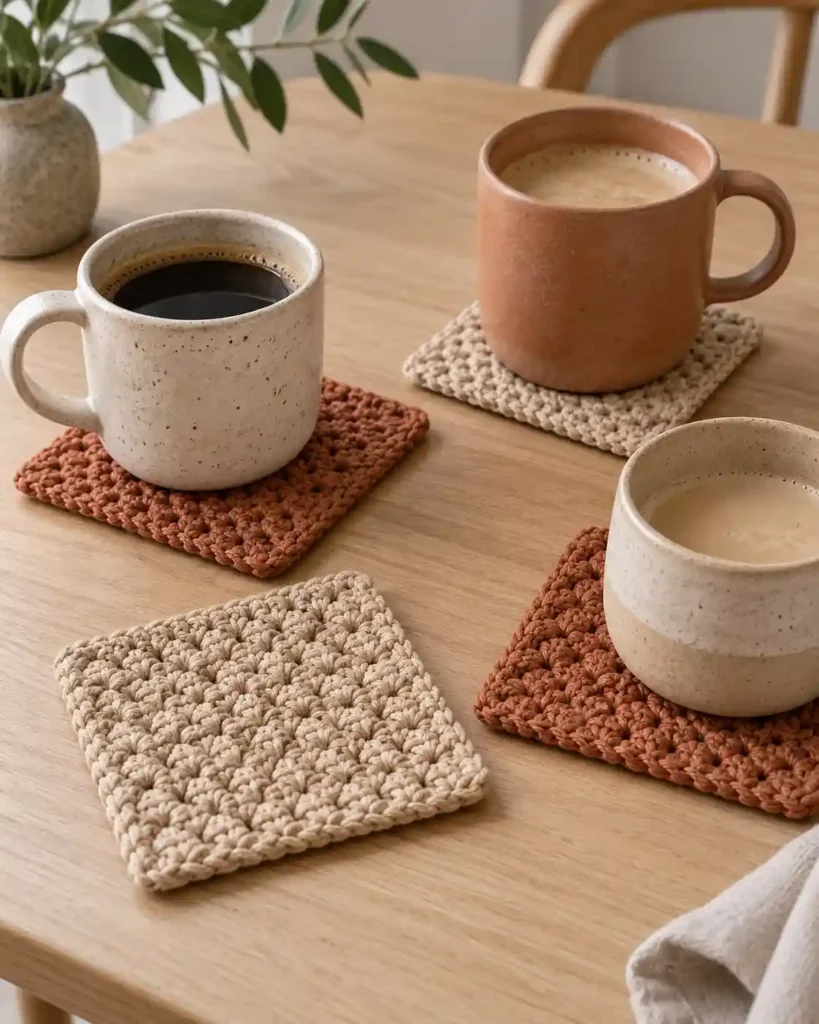
Those little amounts of cotton yarn left over from other projects don’t have to sit in your stash forever.
Suzette stitch coasters are small, useful, and easy to customize with different colors.
Use a crochet coasters pattern for beginners to guide sizing, then finish each square with a neat border.
Cotton is a practical choice because it absorbs moisture and is easy to care for.
A set of four coordinated coasters tied together with a ribbon makes a simple but charming gift.
However, don’t treat ordinary crochet coasters as heat-resistant trivets without appropriate materials and testing.
Best for: Scrap-yarn projects and small handmade presents.
11. Everyday Suzette Stitch Placemats
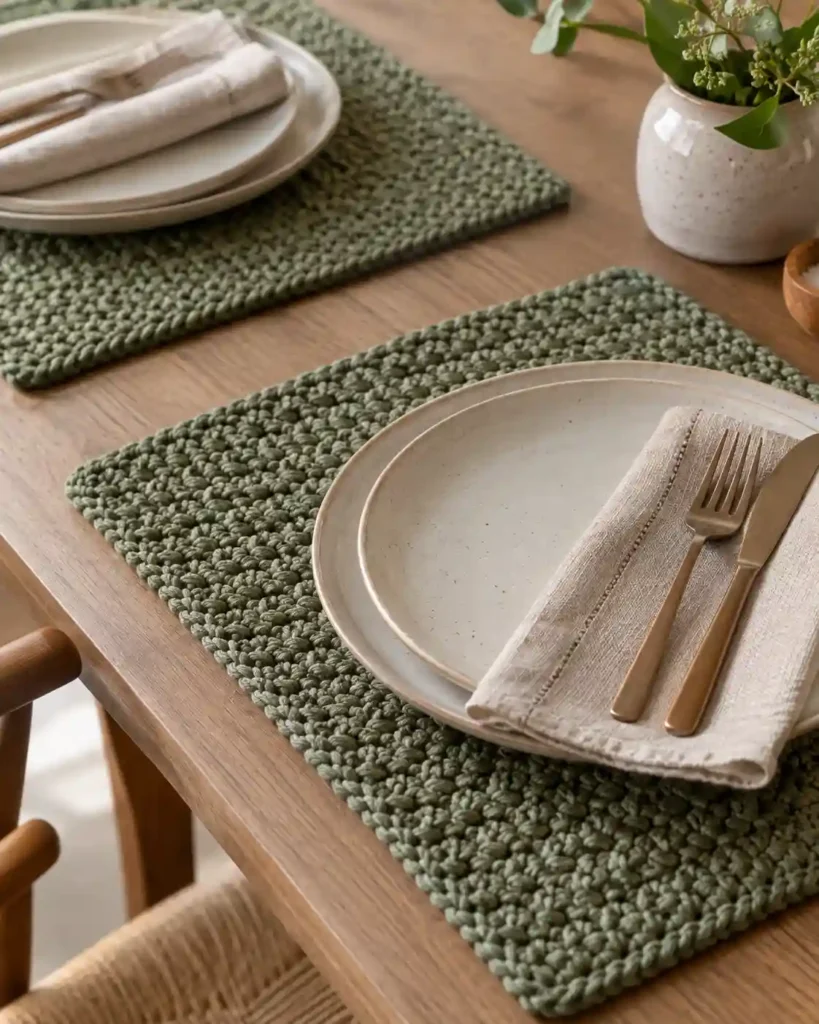
Crocheted placemats can add a welcoming handmade touch to an otherwise simple dining table.
The Suzette stitch is particularly appealing here because the texture looks decorative without requiring complicated colorwork.
Use a durable cotton yarn and crochet flat rectangles that suit the size of your plates.
A narrow single crochet border can help create a cleaner edge, while blocking may improve the finished shape.
Soft olive, cream, or terracotta placemats pair beautifully with natural wood and neutral tableware.
Best for: Everyday table decor and coordinated home accessories.
12. Long Suzette Stitch Table Runner
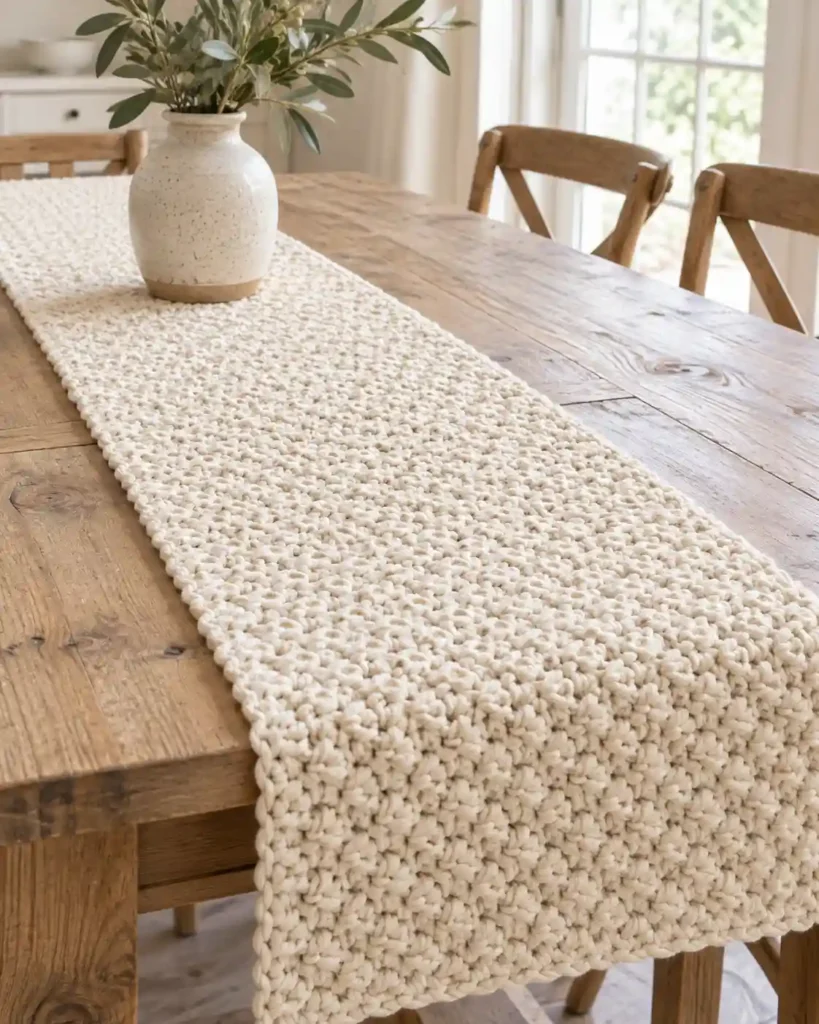
A table runner offers another beautiful way to use Suzette stitch crochet patterns around the home.
Instead of making a wide rectangle like a placemat, you’ll create a narrower piece that extends along the center of your table.
The repeated texture gives the runner a subtle decorative look without relying on lace or elaborate motifs.
Measure your table first, then decide how much overhang you would like at the ends.
A simple ivory runner can look lovely beneath a vase or centerpiece, while contrasting stripes can make it feel more modern.
Best for: Dining table styling, console tables, and handmade home decoration.
13. Textured Suzette Stitch Pillow Cover
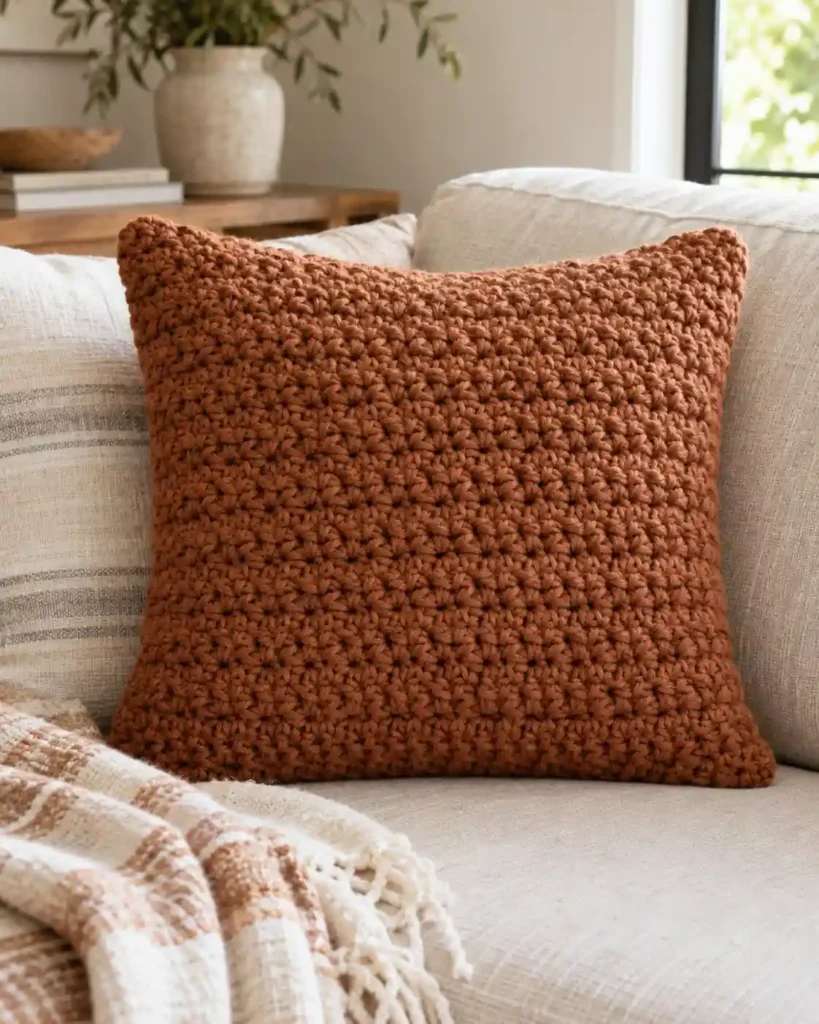
A plain cushion can look completely different with a textured crochet cover.
The Suzette stitch provides a satisfying raised surface that adds depth to a sofa, bed, or reading chair.
Start by making a front panel sized to match your cushion insert. Then add a fabric back or crochet a second panel for a fully handmade finish.
An envelope-style closure is a practical choice when you want to remove the cover for washing without using buttons.
For a cozy look, try warm neutrals or deeper autumn colors.
Best for: Living room makeovers and customizable home decor.
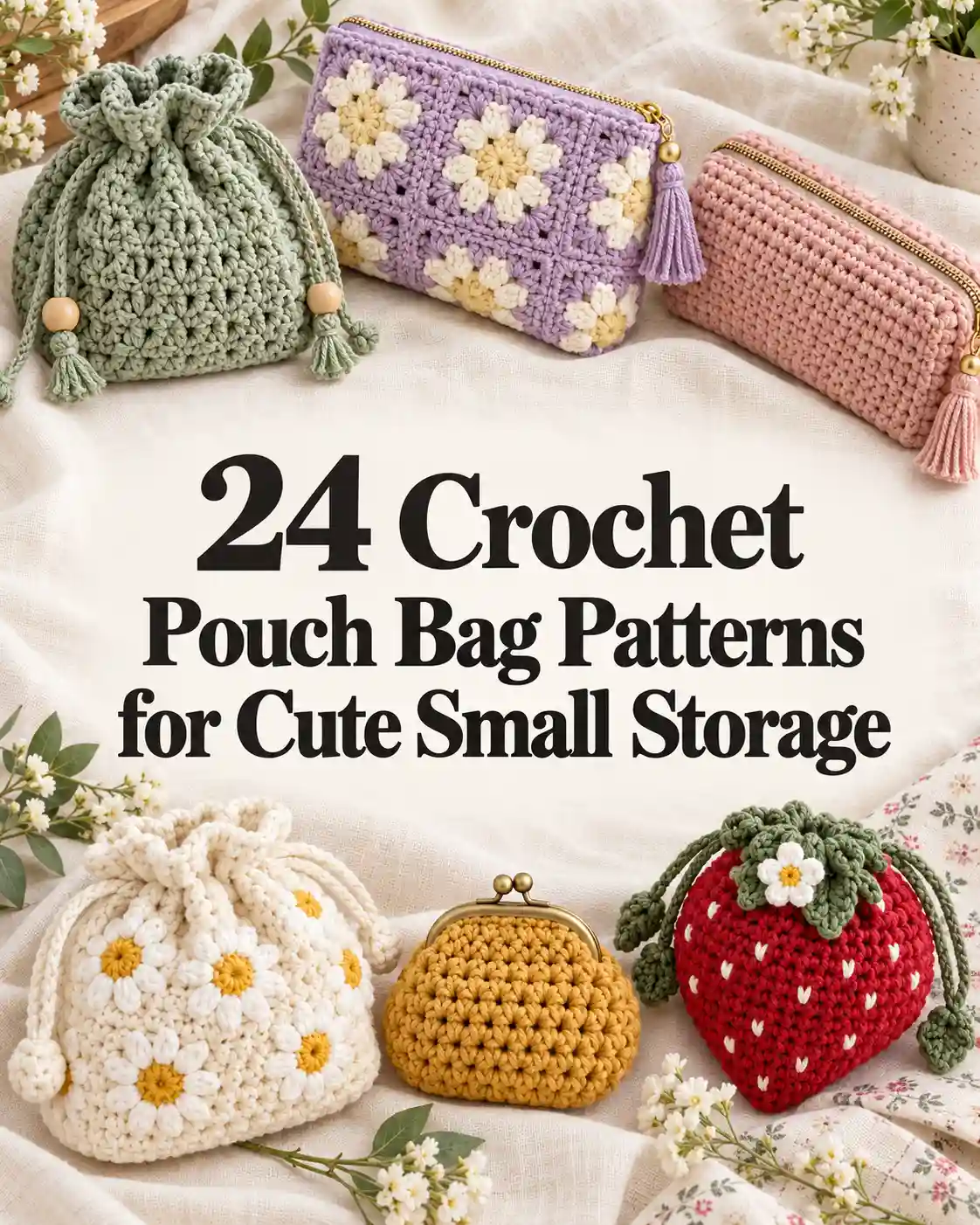
14. Zippered Suzette Stitch Crochet Pouch
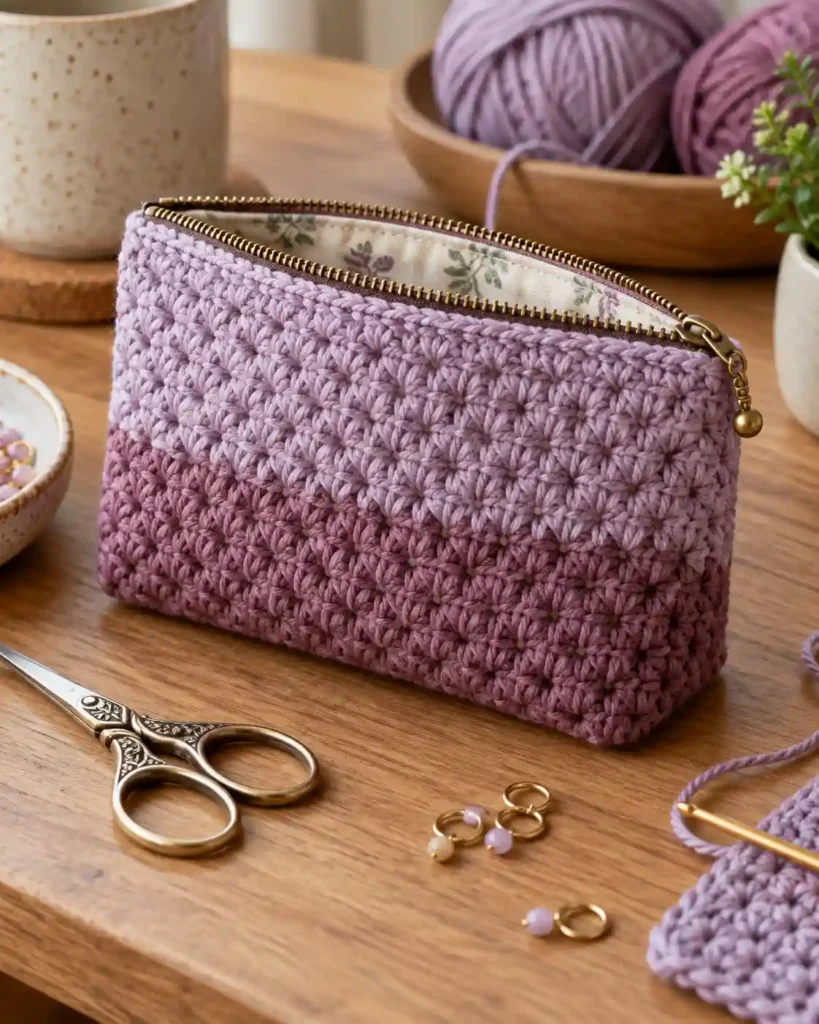
A small crochet pouch is one of those projects that can be both pretty and genuinely useful.
The textured stitch gives the outside an attractive handmade finish, while a fabric lining helps keep small objects from slipping through the crochet.
Make two matching rectangular panels, join the sides and bottom, and carefully attach a zipper along the opening.
A smaller pouch can hold stitch markers or headphones, while a larger one can work as a cosmetic or travel organizer.
Choose cotton yarn when you want clear stitch definition and a little more structure.
Best for: Crochet accessories, small gifts, and everyday organization.
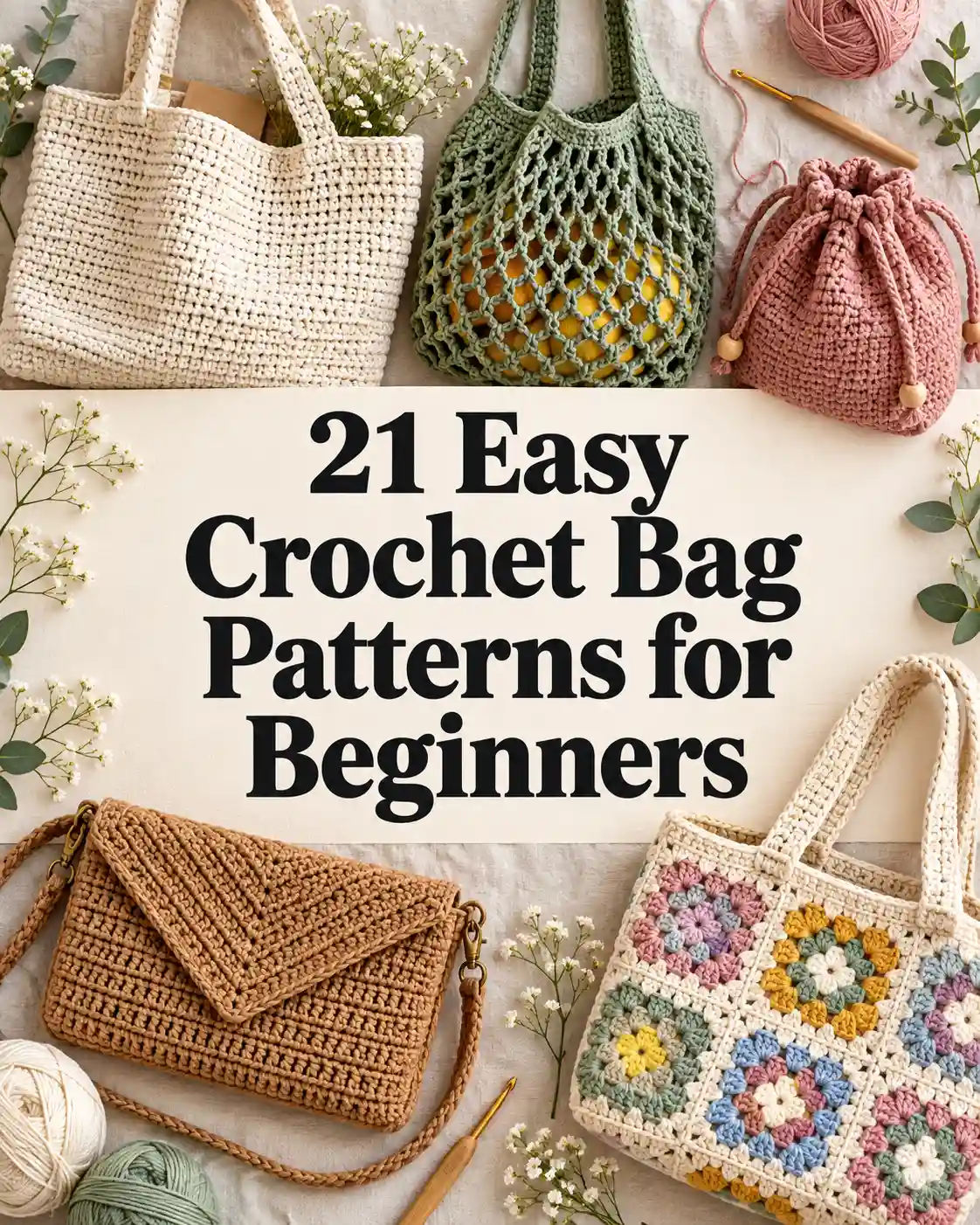
15. Structured Suzette Stitch Tote Bag
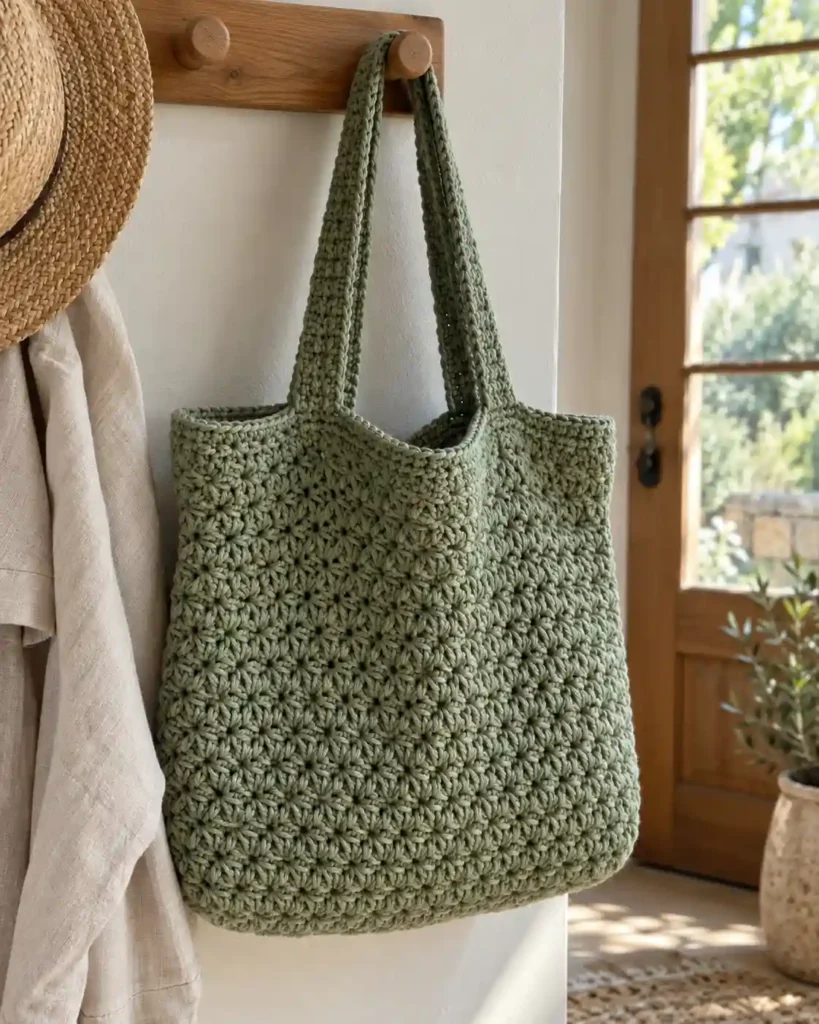
The Suzette stitch crochet bag is a lovely choice when you’re ready to make something more substantial.
Compared with a simple mesh tote, its denser textured fabric provides a fuller-looking surface with smaller openings.
However, crochet fabric can stretch when carrying heavier items, so construction matters.
Use a sturdy yarn, consider adding a fabric lining, and reinforce the handles where they meet the bag body.
You could create a simple rectangular tote in sage green or choose a two-tone design for a more modern look.
This project takes more planning than a washcloth, but the finished bag can become a practical everyday accessory.
Best for: Intermediate beginners and functional handmade bags.
16. Striped Suzette Stitch Colorwork Panel
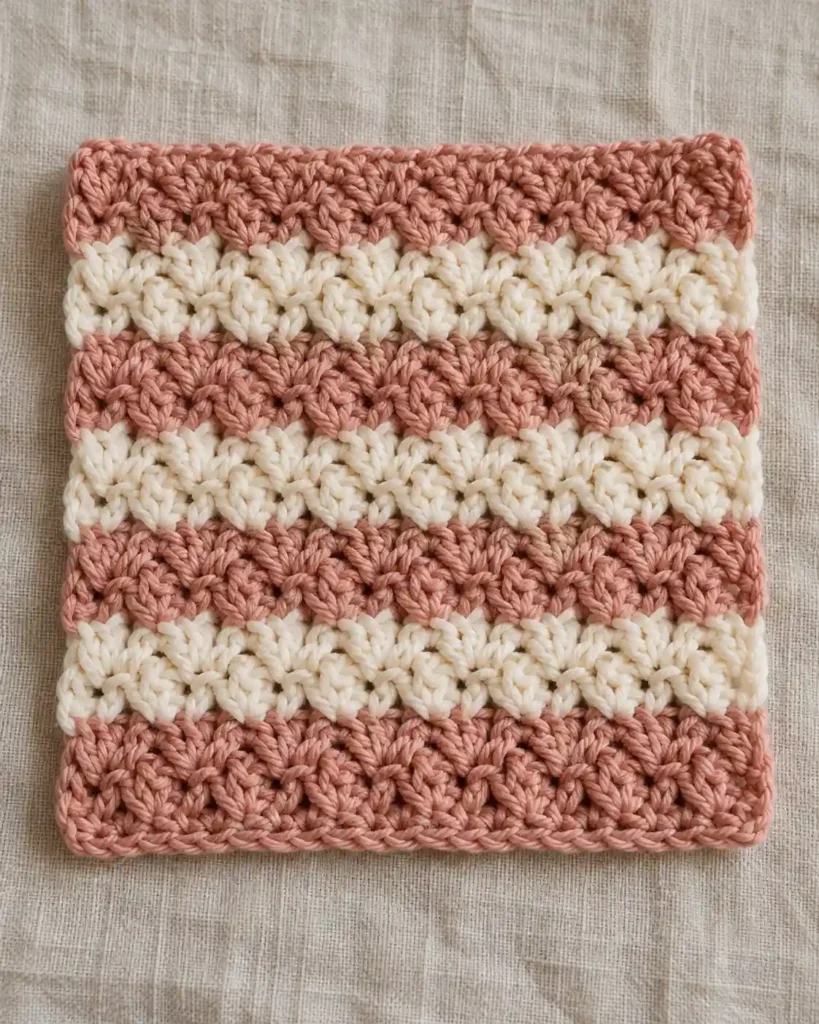
Sometimes a simple color change is all you need to make a familiar crochet stitch feel new.
The Suzette stitch looks especially interesting when you alternate broad stripes of contrasting yarn.
Try cream and dusty rose for a soft appearance, or combine navy and mustard for something bolder.
To change colors neatly, complete the final pull-through of the preceding stitch with the new yarn.
Once you’ve practiced a few stripes, you can turn the technique into a scarf, pillow panel, or blanket.
Best for: Learning crochet color changes and experimenting with textured designs.
17. Corner-to-Corner Suzette Stitch Panel
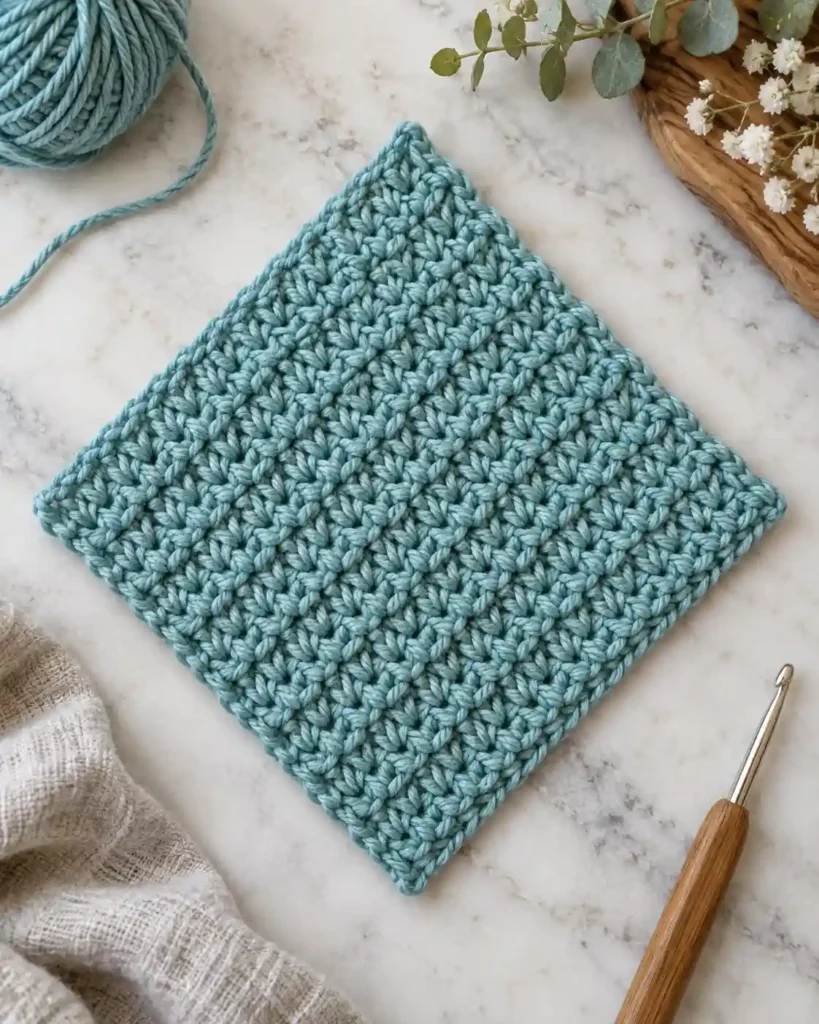
For crocheters who enjoy experimenting, a corner-to-corner Suzette stitch panel offers a more challenging variation.
Traditional corner-to-corner crochet grows diagonally through increases and decreases, rather than using the straight rows described in the basic Suzette stitch tutorial.
That means you cannot simply follow the earlier instructions and expect a diagonal square to appear.
Instead, you’ll need a dedicated C2C Suzette adaptation with accurately planned increases, decreases, and stitch placement.
Once you’ve mastered the standard version, exploring this variation can help you understand how textured stitches behave in shaped crochet projects.
Best for: Adventurous crocheters interested in more advanced stitch construction.
Which Yarn and Hook Size Work Best for Suzette Stitch?
Cotton is a practical choice for washcloths and kitchen projects, while soft acrylic or wool-blend yarns often suit scarves and blankets; choose your hook size based on the yarn and desired drape.
The best yarn depends on what you’re making.
Cotton works well for dishcloths, washcloths, and table accessories because it is absorbent and durable. Meanwhile, soft acrylic or wool-blend yarns can be comfortable choices for scarves and blankets, depending on their specific properties.
The hook size also affects how your fabric feels, so a crochet hook size chart can help you choose a starting size before adjusting for drape.
If your finished stitches are stiff, a slightly larger hook may improve the drape. On the other hand, if the fabric feels too loose for a structured pouch, you might prefer a smaller hook.
Always try a small sample before committing to a large project. Measure the gauge after washing and drying the swatch when the finished dimensions matter.
How Can You Fix Common Suzette Stitch Mistakes?
At a Glance:
- Count stitches after each row to catch missed increases or decreases.
- Mark the first and last stitches to prevent uneven edges.
- Keep both cluster stitches in the same base stitch.
- Adjust hook size if your fabric feels too tight.
Even a simple repeating pattern can cause frustration when your edges don’t look quite right.
Fortunately, most Suzette stitch problems come down to a few easy-to-identify issues.
Why Are Your Crochet Edges Uneven?
Uneven edges usually appear when you accidentally skip the final single crochet or work into the turning chain.
Place a stitch marker in your last stitch and count the stitches after each row.
With the 20-chain example in this tutorial, you should maintain 19 stitches across your working rows.
Why Does the Suzette Stitch Look Too Tight?
A smaller hook or naturally tight tension can make the fabric feel rigid.
Try relaxing your grip or moving up one hook size.
This is particularly important for scarves and blankets, where you want the fabric to drape comfortably.
Why Are the Stitch Clusters Misaligned?
Check that you’re working the single crochet and double crochet into the same stitch.
Then make sure you’re skipping the following stitch before creating the next pair.
If you accidentally work into every stitch, you’ll increase your stitch count and change the texture.
How Do You Keep the Texture Looking Consistent?
Choose a yarn that allows the stitches to remain visible, especially while practicing.
Maintain steady tension and check the position of each cluster as you work.
After a few rows, the repeating pattern should become much easier to recognize.
How Should You Finish and Care for Suzette Stitch Projects?
Finish Suzette stitch projects by securing the final stitch, weaving in yarn ends, adding a simple border when appropriate, and following the yarn label’s washing instructions.
Once your project reaches the desired size, you can finish with a simple row of single crochet if that gives the edges a neater appearance.
For blankets or dishcloths, a narrow single crochet border is often enough.
Weave the yarn ends securely into the fabric using a tapestry needle. If necessary, gently block the finished piece using a method suitable for its fiber content.
Always follow the yarn manufacturer’s care instructions. For example, some cotton yarns tolerate machine washing, while certain wool blends require more delicate handling.
Taking a little extra time with finishing can make even a simple crochet project look considerably more polished.
Frequently Asked Questions About Suzette Stitch Crochet
Is the Suzette stitch good for beginners?
Yes. The Suzette stitch is beginner-friendly for anyone comfortable making single crochet and double crochet stitches. Its repeating row is easy to memorize after a little practice.
How many chains do you need for the Suzette stitch?
For the version explained here, start with any multiple of 2 chains. For example, chain 20 to make a small practice swatch; the first row will produce 19 stitches. Other pattern versions may use different foundation setups.
Does the Suzette stitch use a lot of yarn?
The Suzette stitch creates a relatively dense fabric, so yarn consumption depends on the yarn weight, hook size, tension, and finished dimensions. Make and weigh a small swatch to estimate the amount needed for a larger project.
Can you crochet Suzette stitch in the round?
Yes, but working in the round requires instructions adapted for circular construction. The flat-row repeat in this guide should not be used unchanged for every circular project.
Is Suzette stitch suitable for crochet blankets?
Absolutely. Its textured, reversible appearance makes it suitable for throws, decorative blankets, and baby blankets intended for appropriate supervised use. Select the yarn and hook according to your preferred softness, weight, and drape.
Where Can You Find Suzette Stitch Crochet Patterns for Home Projects?
Suzette stitch crochet patterns can be adapted for blankets, cushion covers, dishcloths, and other rectangular projects. Start with the basic stitch repeat in this guide, then use a project-specific pattern when you need exact measurements, shaping, or yarn quantities.
Do You Need a Suzette Stitch Crochet Diagram to Learn the Pattern?
A Suzette stitch crochet diagram can help you understand stitch placement, especially if you prefer visual instructions. However, you can learn the stitch using written directions as long as you understand where to place the single crochet, double crochet, and final edge stitch.
Final Thoughts on Suzette Stitch Crochet
The Suzette stitch is proof that beautiful crochet texture doesn’t have to involve complicated techniques.
With just a single crochet, a double crochet, and a simple skip-one repeat, you can create a fabric that looks detailed while remaining approachable for beginners.
If you’re learning the stitch for the first time, start with a small sampler or cotton dishcloth. Once you’re comfortable keeping the edges straight, try a scarf, blanket, or another project from the 17 ideas above.
And don’t be afraid to experiment with different yarns and colors. Sometimes the same crochet stitch can look completely different simply because you changed the yarn.
For more crochet inspiration and beginner-friendly stitch ideas, explore the most trendy crochet stitches and find your next handmade project.
The best part? Once this little stitch repeat becomes familiar, you’ll probably start seeing new project possibilities everywhere.

![The Best 30+ Free Crochet Cat Patterns [Beginner-Friendly Guide]](https://crochetmind.com/wp-content/uploads/2025/04/1-The-Best-30-Free-Crochet-Cat-Patterns-Beginner-Friendly-Guide.webp)