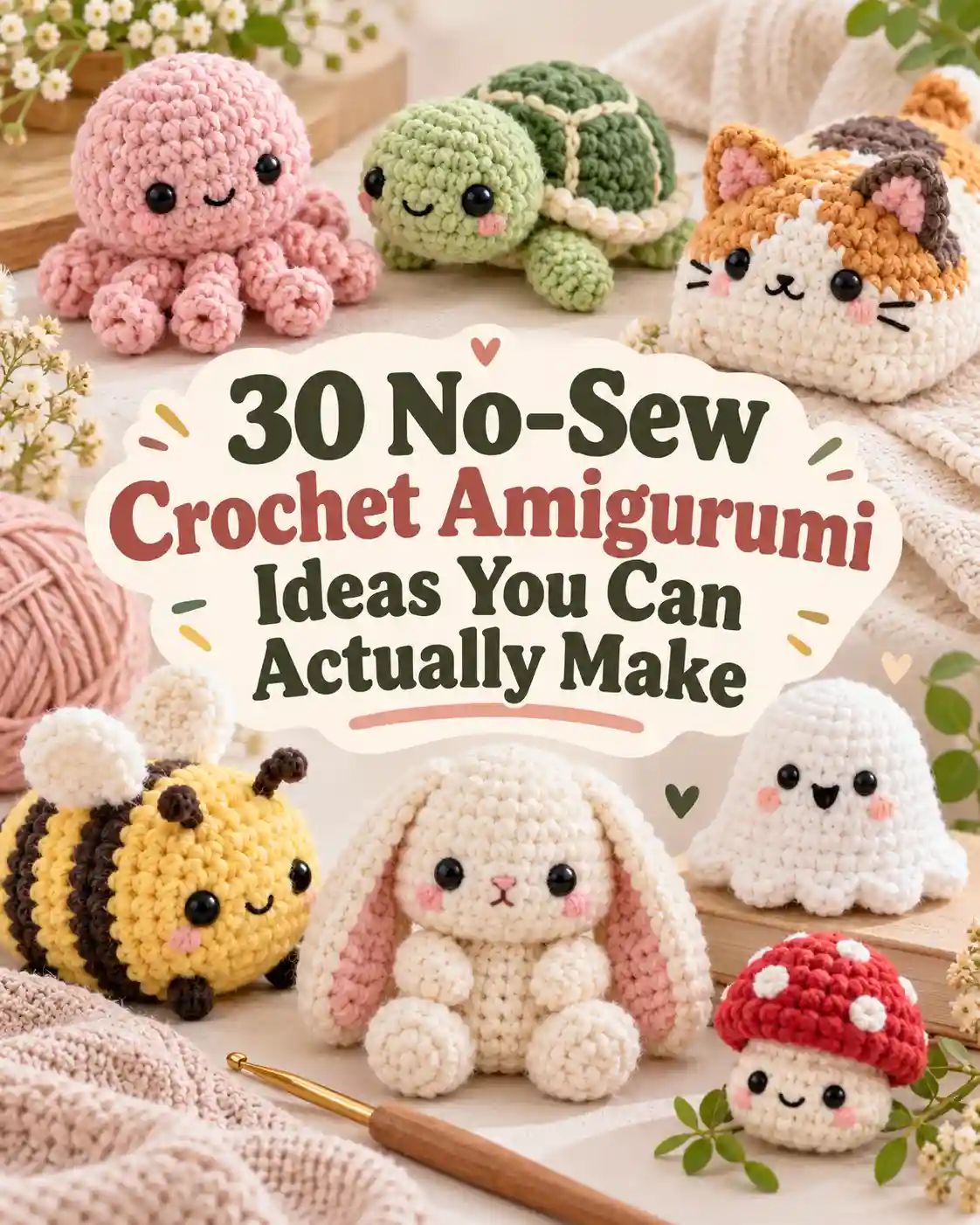
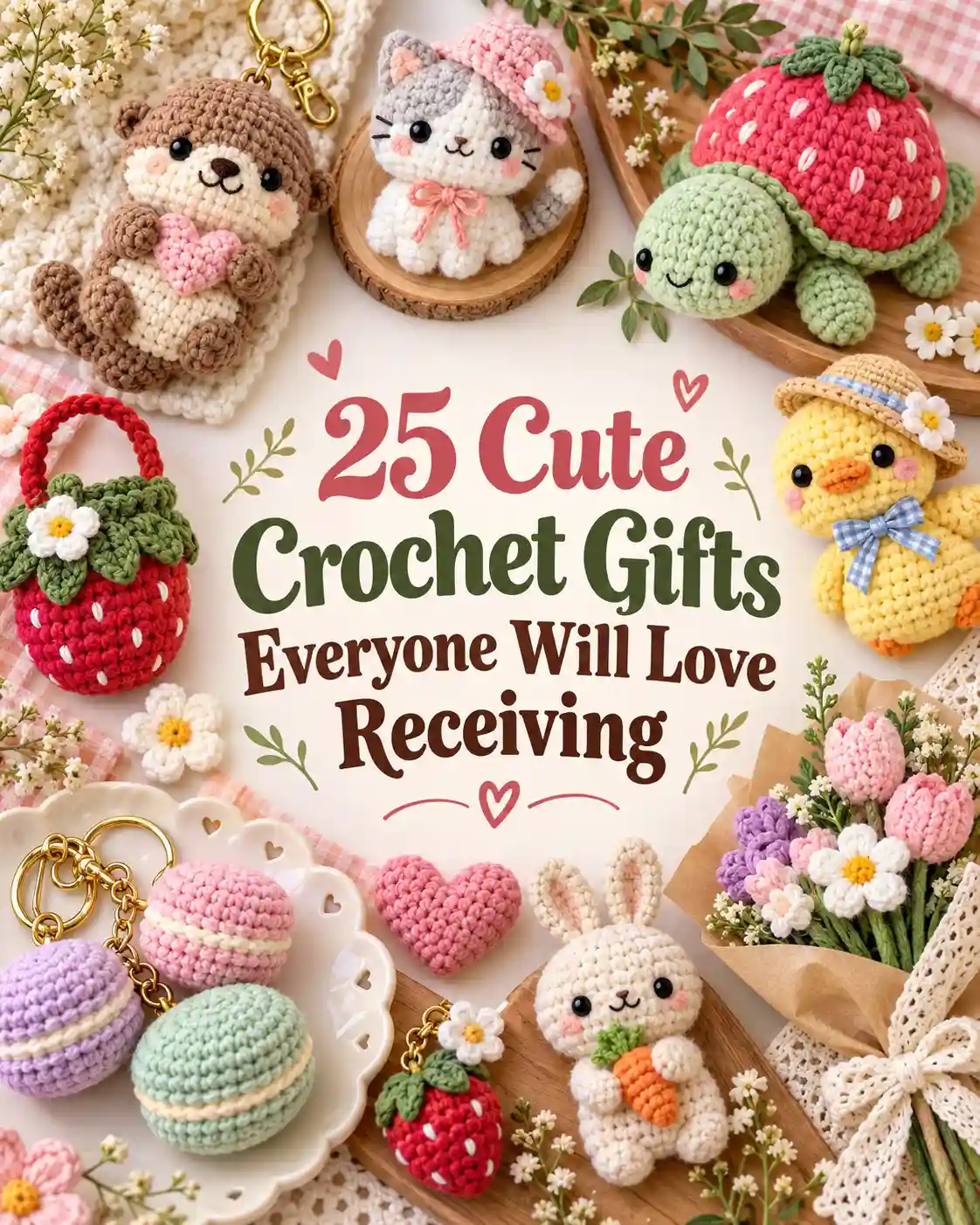
No-sew crochet amigurumi lets you make adorable stuffed animals, tiny plushies, and handmade gifts without stitching separate body parts together. From mini octopuses and baby turtles to chubby bees and pocket-sized dinosaurs, these 30 project ideas offer something for beginners and experienced crocheters alike. The secret is choosing patterns that crochet the details directly into the project or join pieces as you work.
There’s something especially satisfying about finishing a cute little crochet animal without spending another hour attaching its arms, ears, or tail.
Whether you’re searching for free no sew crochet patterns, easy animal projects, or quick amigurumi patterns for gifts, this collection will help you find your next make. You can also explore our free amigurumi crochet patterns for more inspiration. You’ll also learn how to spot genuinely no-sew designs, choose suitable yarn, and avoid common beginner mistakes.
If you’ve ever finished crocheting an adorable little body only to discover a pile of ears, arms, and legs still waiting to be attached, you’ll understand why no-sew projects are so appealing. There’s something wonderful about watching a little animal take shape right on your hook, without needing a separate assembly session. The best part is that you can begin with simple shapes and gradually move on to more detailed animals as your confidence grows.
Key Takeaways
- Start with rounded animals such as octopuses, cats, and ghosts.
- Choose patterns with crocheted-in limbs and minimal assembly.
- Find Free no sew crochet patterns with complete instructions.
- Use smooth cotton yarn for clear beginner-friendly stitches.
- Check pattern instructions before purchasing yarn or materials.
- Avoid detachable small parts when making toys for young children.
What Is No Sew Crochet Amigurumi, and Why Is It So Popular?
No-sew crochet amigurumi uses crochet stitches to shape or join toy components without sewing separate pieces together, making the finishing process simpler.
No-sew crochet amigurumi is a way of making stuffed crochet toys without using a needle to assemble separately crocheted pieces. Instead, features such as ears, arms, wings, and tails are shaped during crocheting or joined directly with your hook.
Most designs use continuous rounds of single crochet, with increases and decreases to create their rounded shapes.
The biggest advantage? You can spend more time crocheting and less time figuring out where to attach tiny pieces.
There’s one important distinction, though. A no-sew project may still require weaving in yarn ends or embroidering facial details. A low-sew project might require attaching one or two pieces with a needle.
Which no-sew amigurumi projects are best for beginners?
Here’s a quick guide to help you pick a project that matches your experience.
| Project | Difficulty | Main technique | Great for |
|---|---|---|---|
| Mini Octopus | Easy | Rounded body, integrated tentacles | First amigurumi |
| Loaf Cat | Easy | Simple oval shaping | Desk decorations |
| Chubby Bee | Easy | Color changes, crochet-in wings | Small gifts |
| Baby Turtle | Easy–Intermediate | Joining flippers and shell | Animal lovers |
| Floppy-Eared Bunny | Easy–Intermediate | Working ears into the body | Spring gifts |
| Pocket T-Rex | Intermediate | Shaping arms, snout and spikes | Dinosaur fans |
| Curly Jellyfish | Easy–Intermediate | Spiral crochet chains | Bag charms |
| Pocket Ghost | Easy | Basic rounds, scalloped edge | Halloween |
Difficulty depends on the specific pattern, yarn, and techniques used. A simple-looking toy can be more challenging if its shaping or color changes are complicated.
30 No-Sew Crochet Amigurumi Ideas You Can Actually Make
From cuddly ocean creatures to charming woodland animals and seasonal mini plushies, these ideas are all about cute shapes, practical construction, and minimal assembly.
Not every concept below points to a verified free pattern. Where a specific pattern has been checked, I’ve included a link; otherwise, use the construction tips to help you choose a genuinely no-sew version.
1. Mini Octopus: How Do You Make the Tentacles Without Sewing?
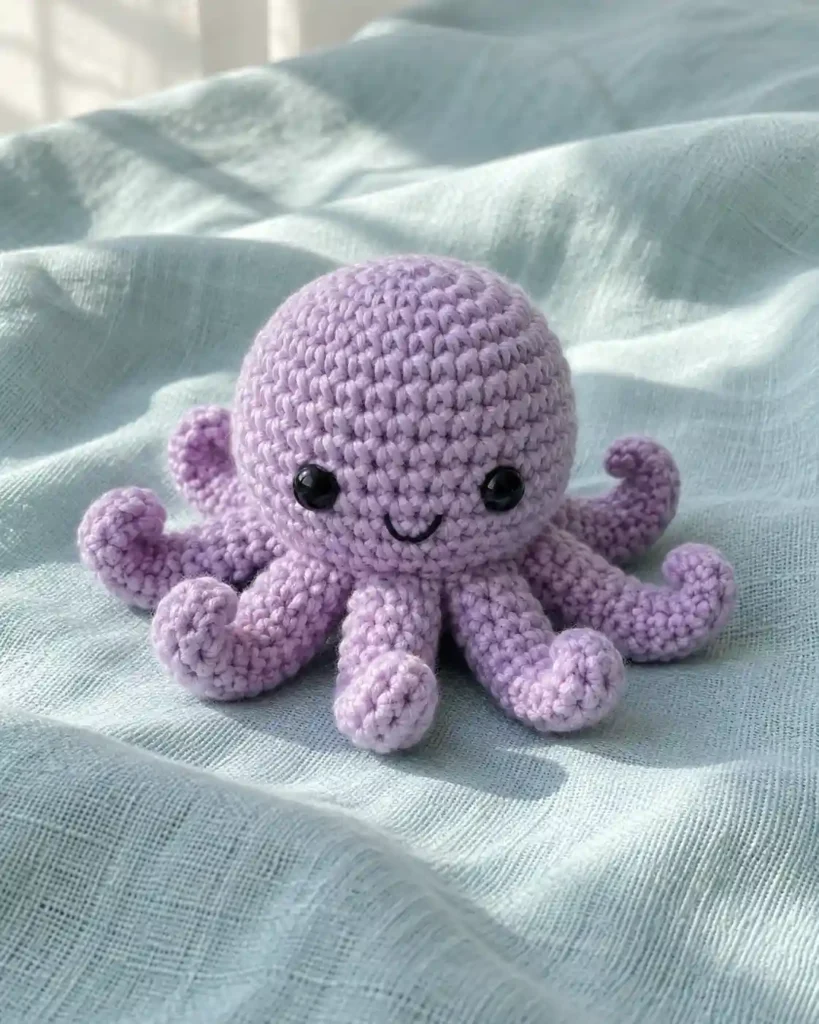
A mini octopus is one of the cutest places to begin your no-sew amigurumi journey, especially with its round head and eight curly arms. Rather than making each tentacle separately, look for a design that builds them directly from the body’s stitches. Lavender, peach, or seafoam cotton yarn makes a lovely palm-sized plushie for a gift basket or desk. It’s a wonderful first project if you enjoy simple shaping with one playful detail.
Crochet tip: Count all eight tentacles before fastening off, and check that each one is securely incorporated into the body.
2. Baby Turtle: Can You Crochet the Shell and Flippers Together?
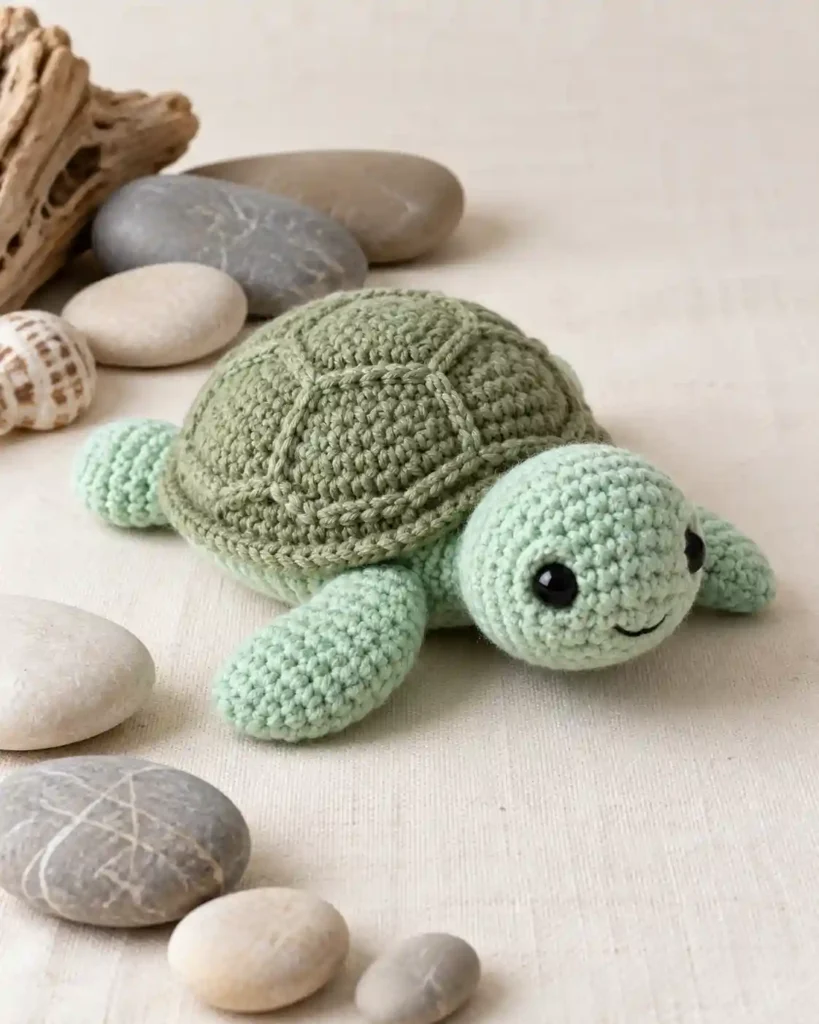
There’s something irresistible about a tiny turtle with a rounded shell and little flippers poking out from underneath. A no-sew version joins the head and flippers during construction, saving you from attaching everything afterward. Try mint green with a sage shell, or mix a cream body with a pastel blue shell for a softer look. It’s a lovely choice when you’re ready to practice joining crochet pieces as you work.
You can explore this free no-sew turtle pattern from Stitch by Fay, which joins separately crocheted components with the hook rather than sewing them together.
3. Loaf Cat
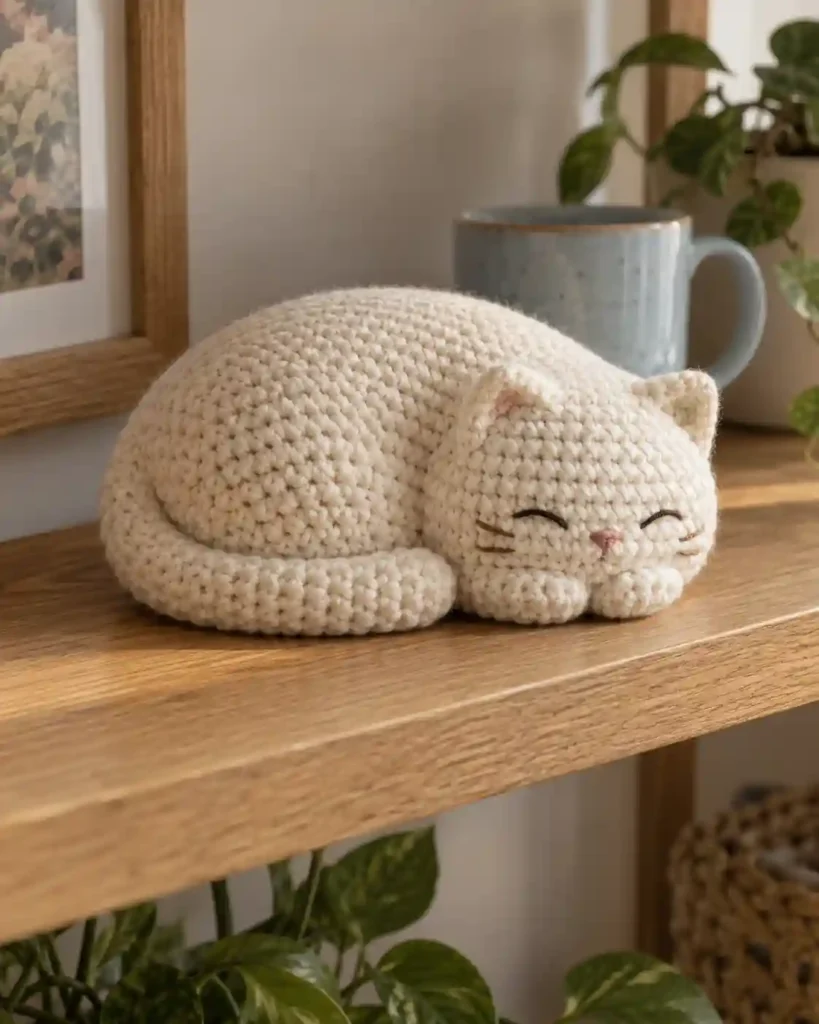
A loaf cat is basically a tiny ball of feline happiness, complete with a rounded body and little pointed ears. Its compact shape is much simpler than a traditional four-legged crochet cat, making it a comfortable project for newer crocheters. A cream-colored kitty looks adorable on a bookshelf, while gray or orange yarn gives it a familiar tabby-inspired personality. Choose a pattern with integrated ears and a crocheted-in tail to keep the whole project truly no-sew.
For inspiration, Little Crochet Farm’s free no-sew cat tutorial includes step-by-step photographs.
4. Pocket Frog: What Makes This Mini Amigurumi So Easy?
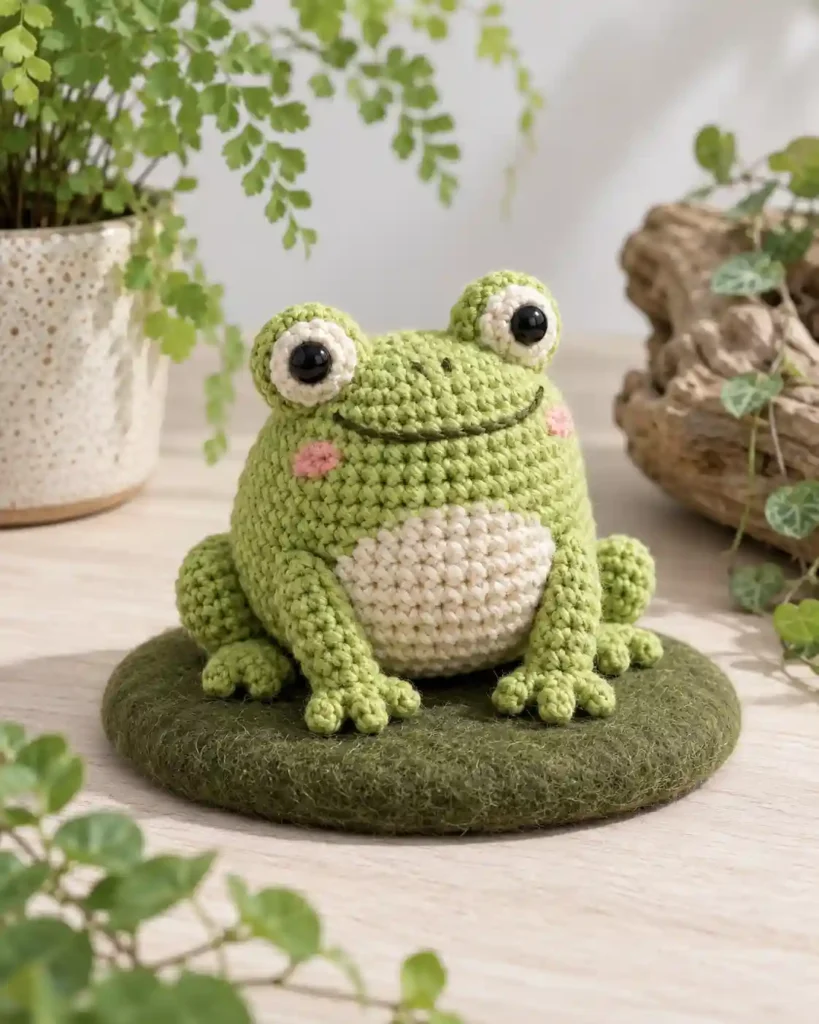
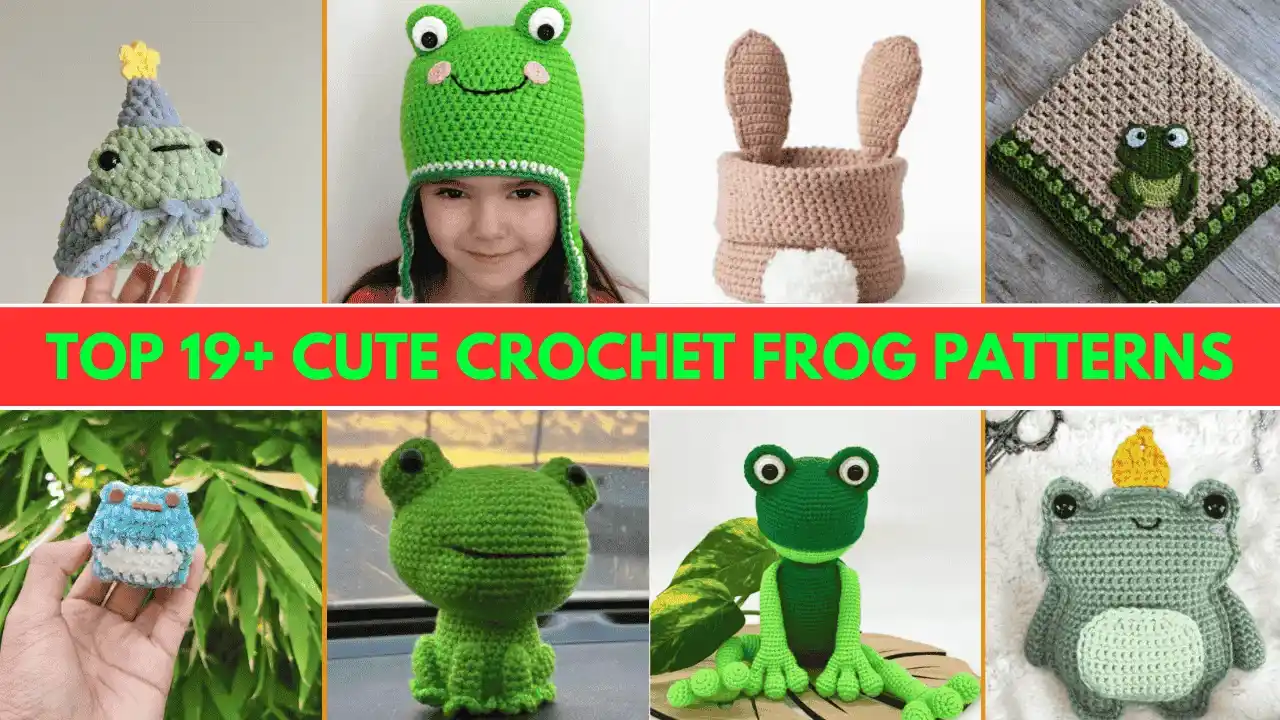
If you’re looking for a little crochet project with maximum personality, meet the pocket frog. A plump green body, raised eyes, and tiny feet give this creature its recognizable shape without needing elaborate pieces. I especially like the idea of making several in different shades of green for party favors or cheerful desk companions. Choose a rounded design with bobble-shaped eyes and feet if you want something small that still teaches useful shaping techniques. For more inspiration, explore these cute crochet frog patterns and look for designs with no-sew construction.
Beginner tip: Use a stitch marker at the beginning of every round so the eyes and feet stay evenly positioned.
5. Floppy-Eared Bunny: Can the Ears Be Crocheted in Place?
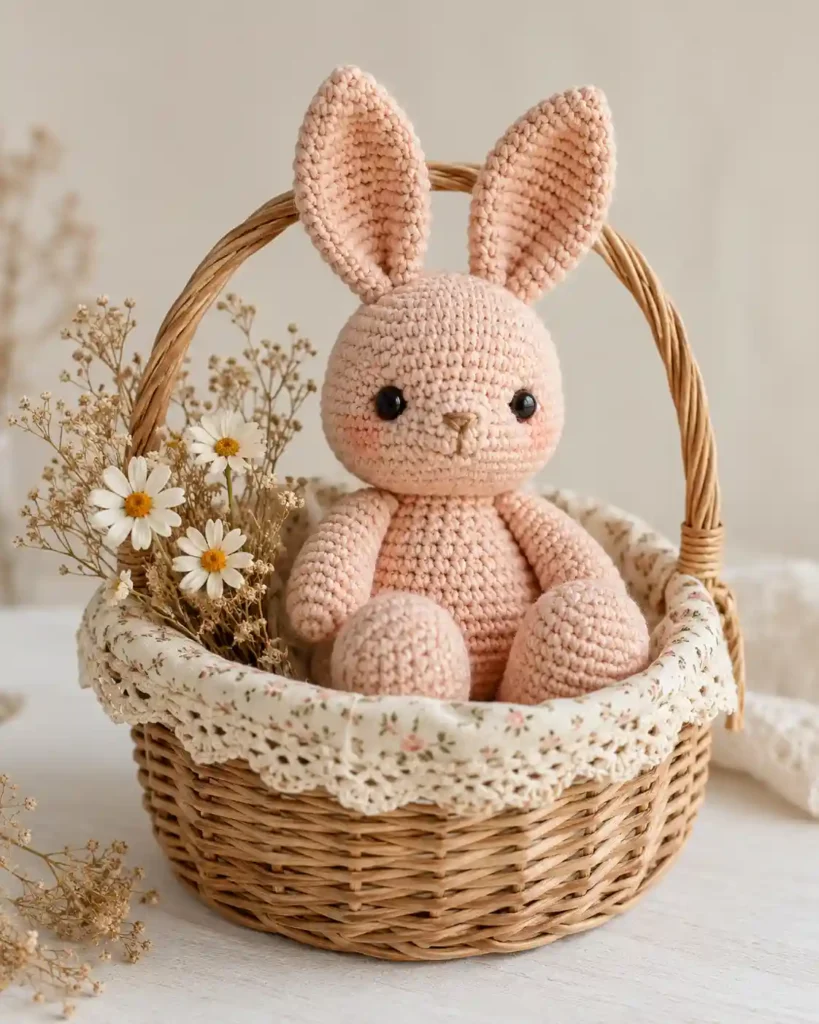
A soft crochet bunny with long ears is a lovely handmade gift for spring, Easter, or anyone who loves rabbits. Traditional bunny patterns often involve sewing on several pieces, but no-sew versions incorporate the ears while building the body. Blush pink, warm ivory, or oatmeal yarn works beautifully, especially when paired with a tiny crocheted tail. This project suits beginners who already understand basic increases and decreases and want to practice symmetrical details.
Look for a pattern where both ears are formed or joined with the crochet hook, rather than attached afterward.
6. Chunky Bumblebee
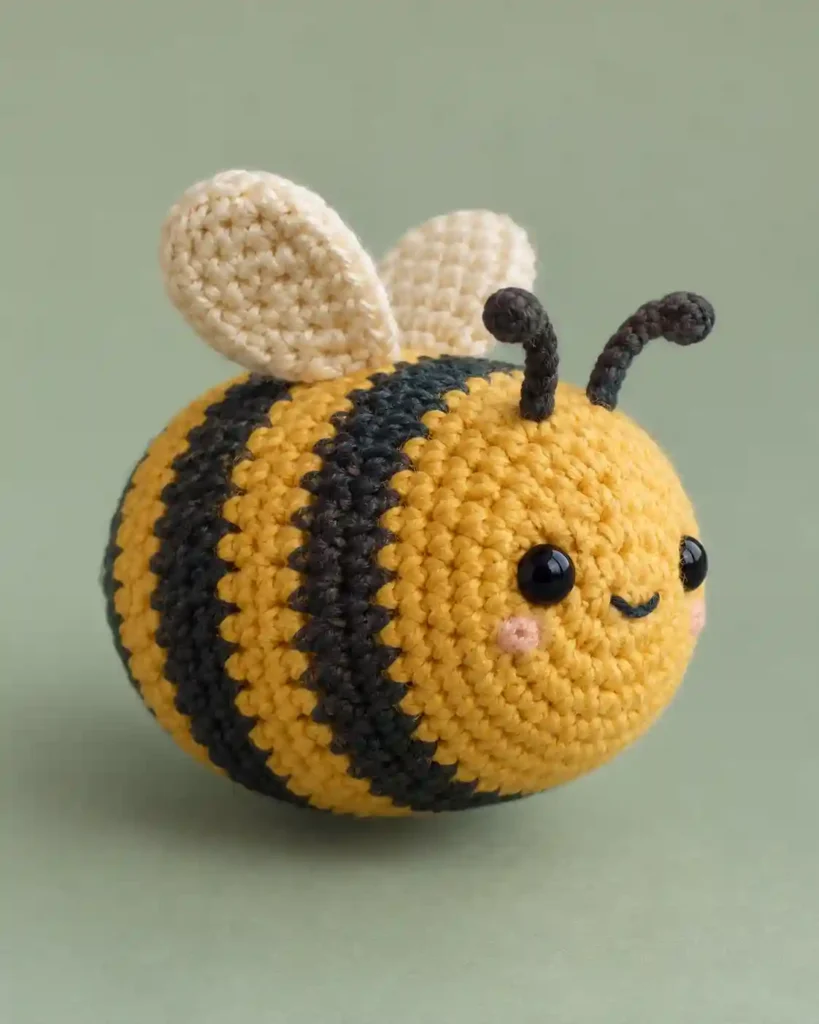
A chunky bumblebee brings instant cheer to your crochet basket with its fuzzy stripes, tiny wings, and wonderfully round shape. Instead of attaching separate wings, choose a pattern that creates them with chains while crocheting the body. Yellow-and-charcoal chenille yarn makes a soft, cuddly plushie that’s especially appealing for craft displays and handmade gifts. This is a great next project if you’ve mastered basic rounds and want to practice changing colors.
Stitch by Fay has a free no-sew crochet bee pattern that forms its wings as part of the crocheting process.
7. Tiny Whale: How Can You Shape the Tail Without Sewing?
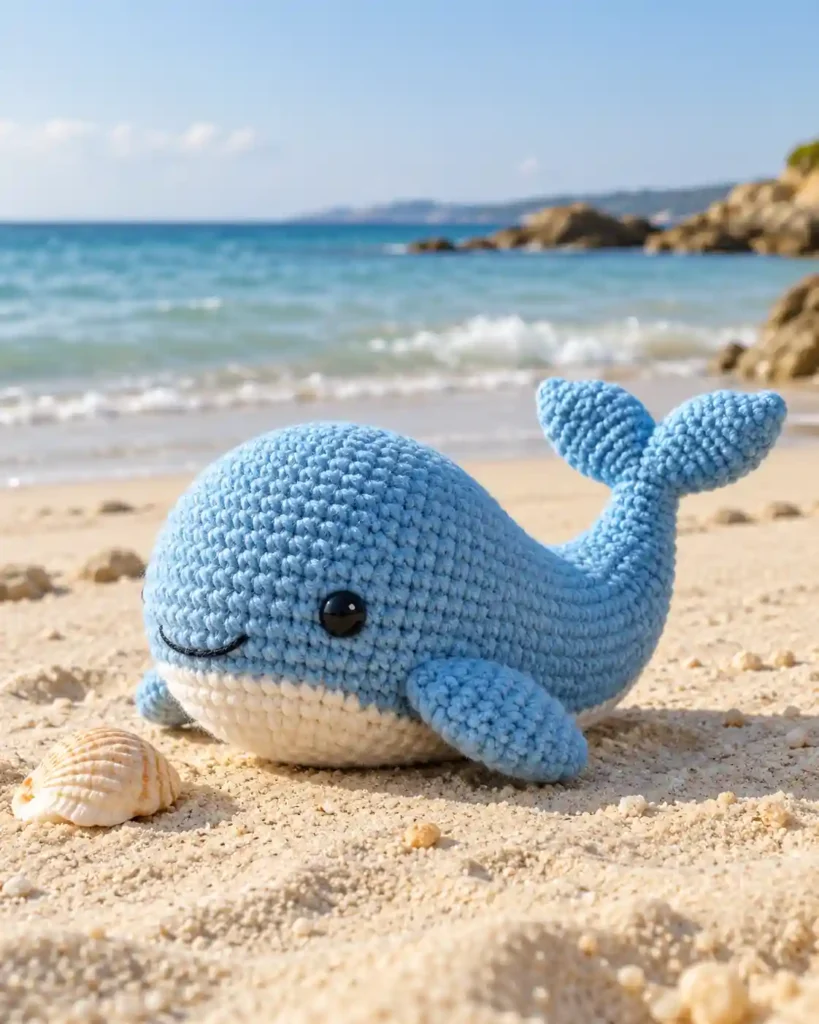
A tiny crochet whale is proof that you don’t need dozens of details to create an adorable animal. Its smooth oval body does most of the work, while a carefully shaped tail and small fins finish the ocean-inspired look. Sky blue is a classic choice, although pastel pink or soft gray makes an equally charming little plushie. Find a version with integrated fins and a crocheted-in tail to enjoy the whale’s simple silhouette without extra assembly.
A small whale also looks lovely in a collection of ocean-themed crochet gifts alongside turtles and octopuses.
8. Chubby Duck
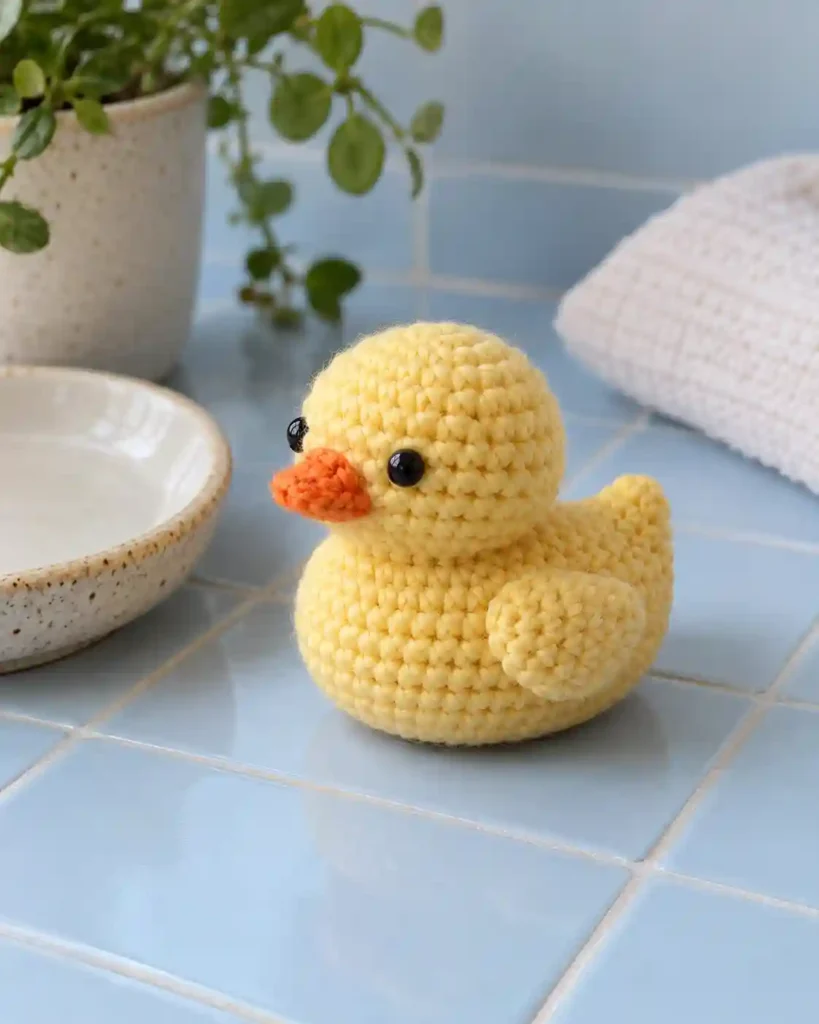
Imagine a butter-yellow duck with a rounded tummy, a tiny orange beak, and the sweetest little face. That’s the charm of a chubby no-sew duck, which can be shaped continuously rather than building its head and body separately. Make one in classic yellow, or experiment with pale blue and lilac for a playful handmade collection. Its recognizable shape and minimal features make it a satisfying choice for beginners who prefer quick amigurumi patterns.
Try this free no-sew duck pattern from Stitch by Fay, where the head continues directly from the body.
9. Baby Chick: Is It Easier Than a Crochet Duck?
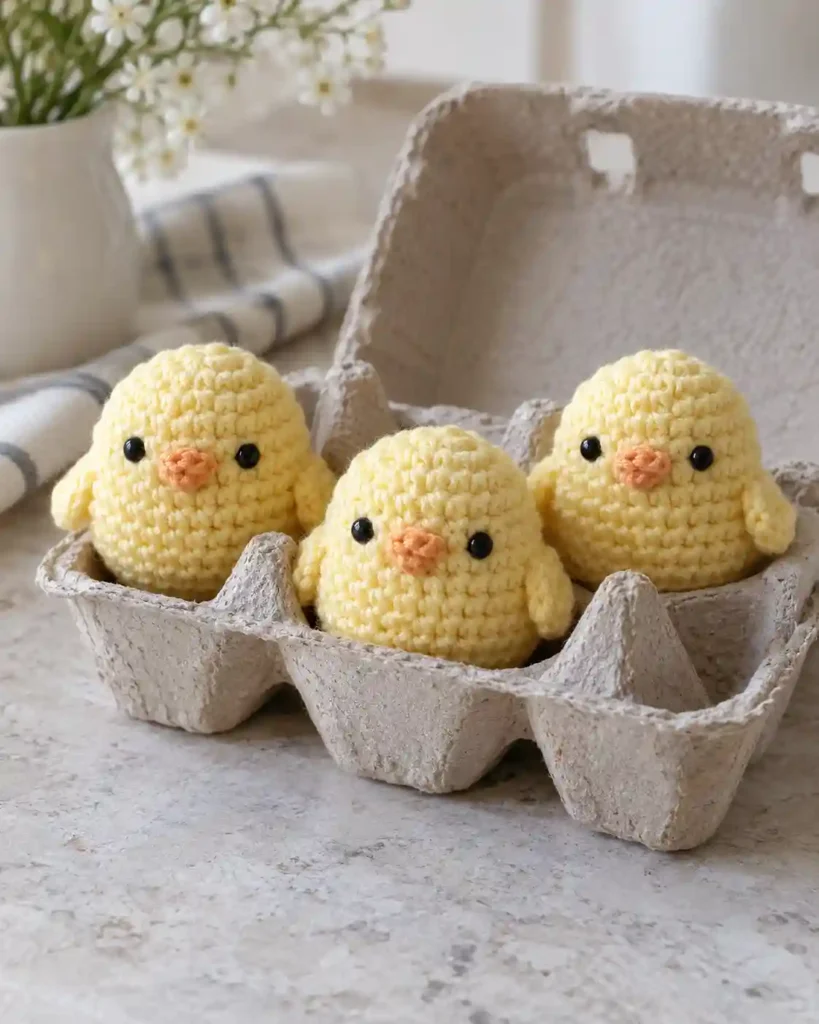
A baby chick is about as sweet and simple as spring crochet gets. Unlike a duck with a more pronounced beak and body shape, a little chick can begin as a small stuffed sphere with a few delicate details. Three pastel chicks tucked into a decorative egg carton would make a charming Easter centerpiece or handmade display. This project is ideal for practicing even tension and basic shaping before trying larger animals.
Little Crochet Farm’s free no-sew chick pattern provides a useful example, although its facial features and feet are embroidered.
10. Gummy Bear: Can You Make a Bear Without Separate Limbs?
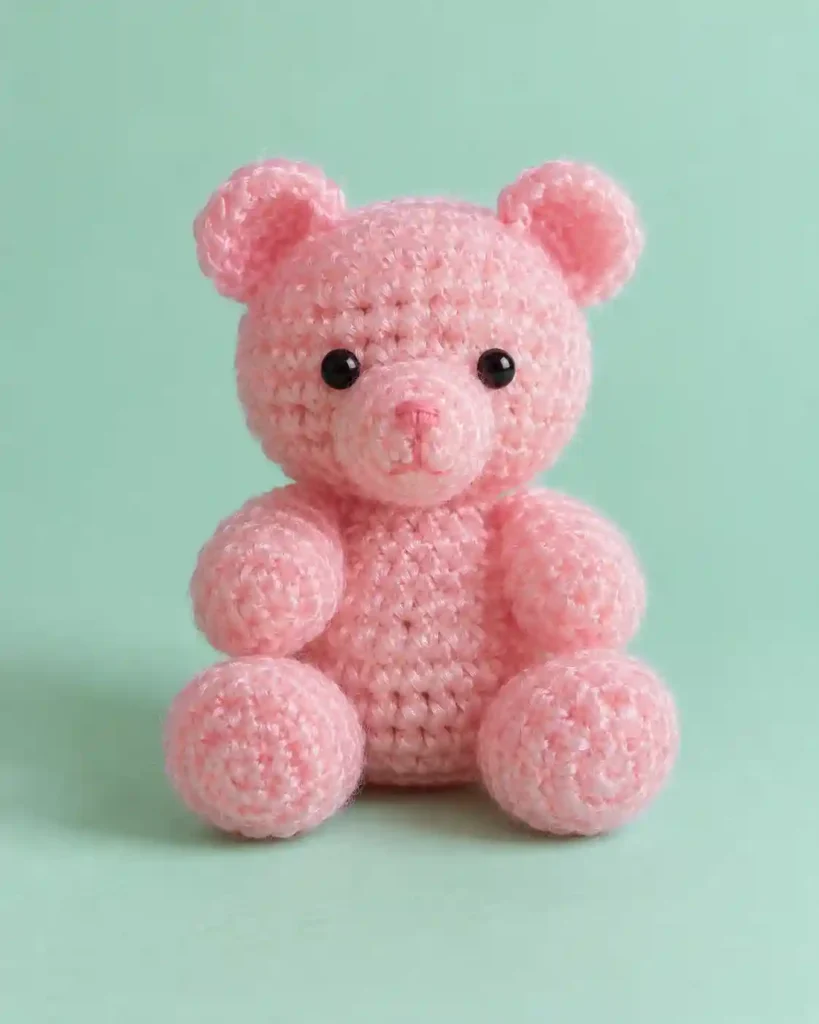
A gummy bear made from yarn has all the nostalgic charm of the candy, only softer and much more huggable. Its short arms and legs can be formed as little protrusions within the crochet construction rather than sewn on individually. Pastel pink, mint, or peach yarn gives these tiny bears a cheerful candy-shop appearance. They’re especially fun as decorative bag charms when the finished size and attachments are appropriate for their intended use.
Choose a pattern with continuous body shaping and crocheted-in limbs, since many ordinary bear patterns still require assembly.
11. Pocket T-Rex
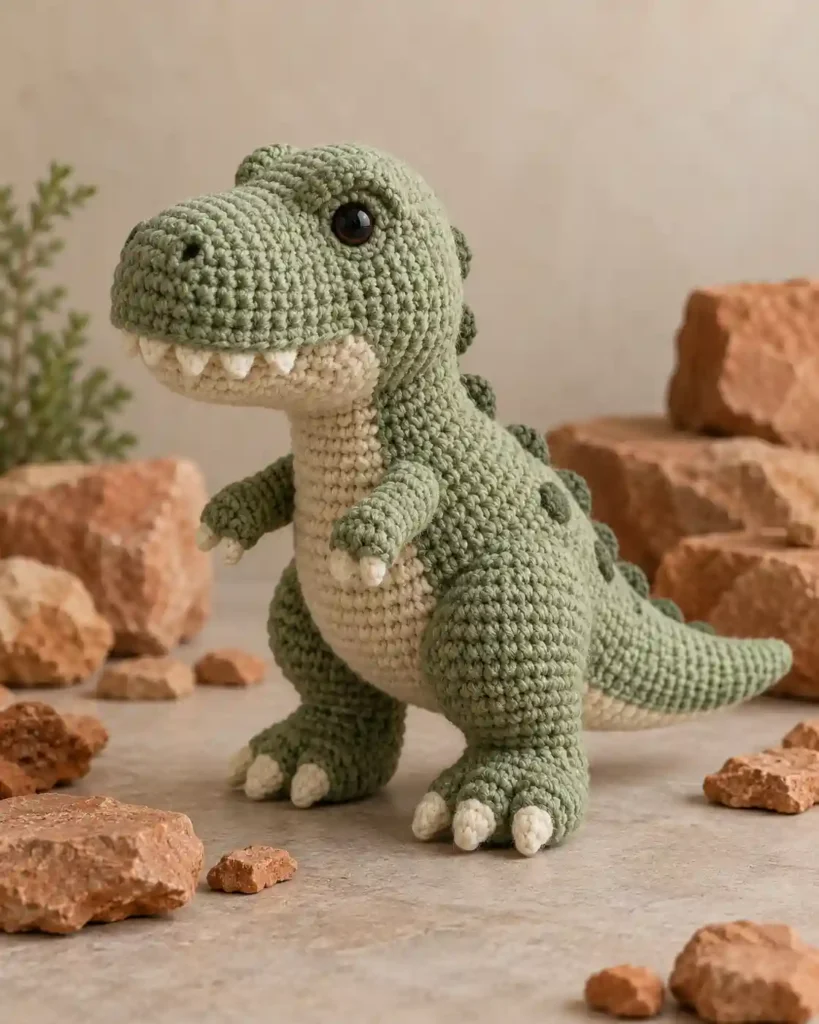
Who says dinosaurs have to be enormous? A pocket T-Rex captures the best features of a prehistoric favoritestubby arms, a rounded snout, and tiny back spikes—in one compact crochet figure. Sage green or moss-colored yarn looks lovely with a contrasting row of textured spikes along its back. It’s a rewarding project for someone comfortable with shaping who wants something more adventurous than another round plushie.
Check that the arms, snout, legs, and spikes are incorporated during crocheting rather than attached with a yarn needle.
12. Baby Triceratops: How Do You Crochet the Horns Without Sewing?
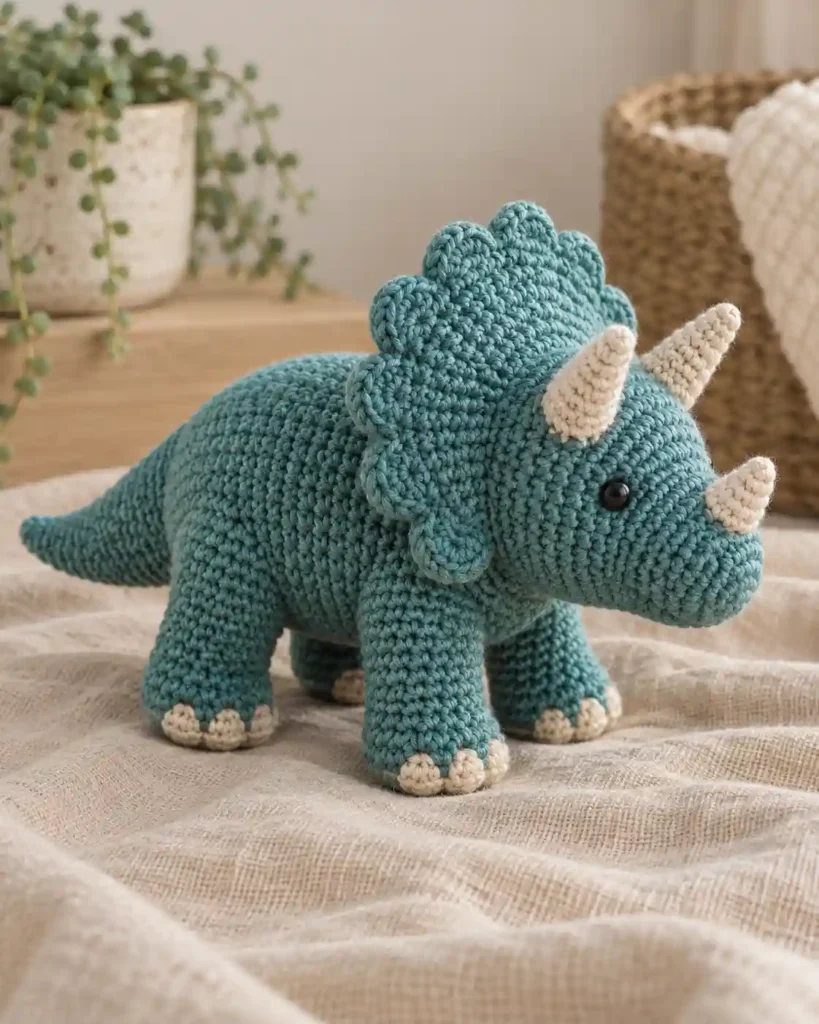
A baby triceratops is one of those projects that looks impressive sitting on a shelf, even when it’s only palm-sized. Its three horns and scalloped frill make it more detailed than a simple dinosaur plushie, but a carefully designed pattern can integrate those features into the construction. Teal or dusty blue yarn gives the little dinosaur a gentle, playful appearance. Choose this project when you’re ready to experiment with more complicated stitch placement and shaping.
Special tip: Check your horn placement before moving into the next rounds; even a one-stitch difference can change the dinosaur’s expression.
13. Chubby Axolotl
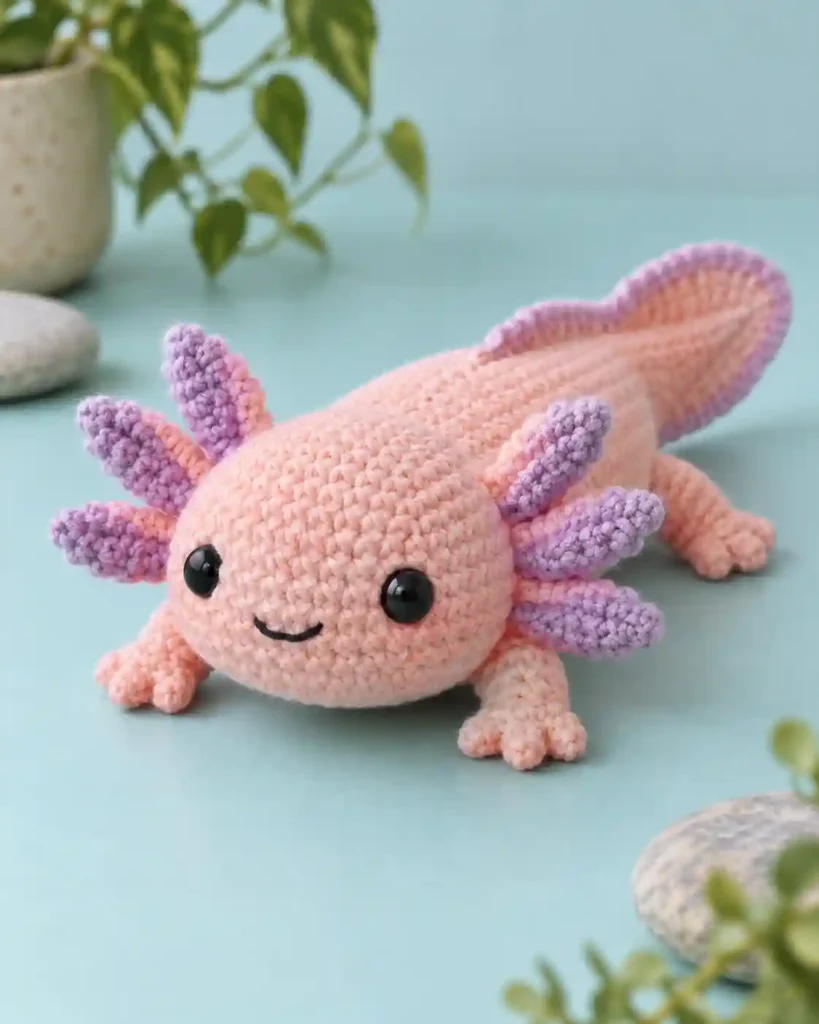
With its smiling face and frilly external gills, a chubby axolotl is an unusual and adorable addition to any crochet collection. The secret to a no-sew design is creating those distinctive gills during the body rounds instead of attaching separate tufts afterward. Peach-pink yarn with lavender accents makes the little aquatic creature especially charming. It’s a fun project for crocheters who want an animal with more personality than a basic sphere.
For a real construction example, see Stitch by Fay’s free no-sew axolotl pattern. You can also explore our free axolotl crochet pattern collection for more designs, checking which ones use crocheted-in gills.
14. Curly-Tentacle Jellyfish: How Are the Spirals Made?
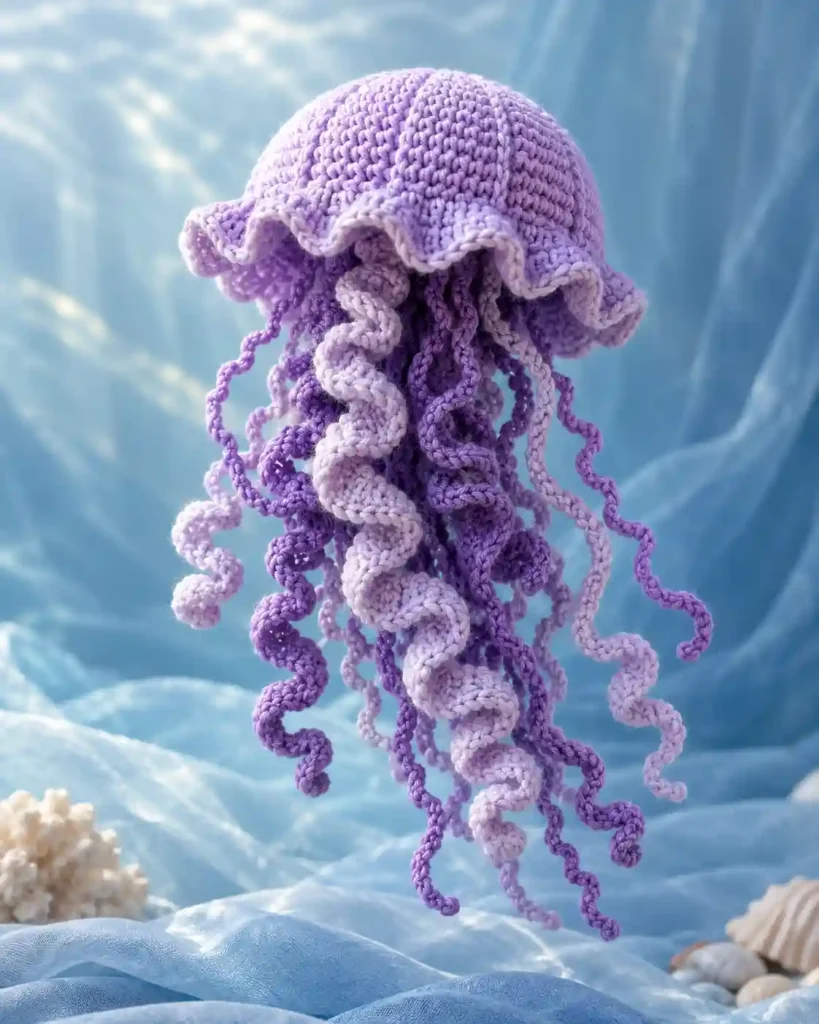
A curly-tentacle jellyfish is a delightful way to turn a simple crochet dome into something full of movement. Its dangling arms can be created using chains and slip stitches worked directly into available loops, avoiding the need to sew on separate strands. Lilac, aqua, or pale pink gives this sea creature a gentle underwater look that’s beautiful as a hanging decoration. Pick this design if you enjoy repetitive crochet with a playful finishing technique.
The free no-sew jellyfish pattern by Stitch by Fay demonstrates how tentacles can be worked into the project itself.
15. Baby Seal
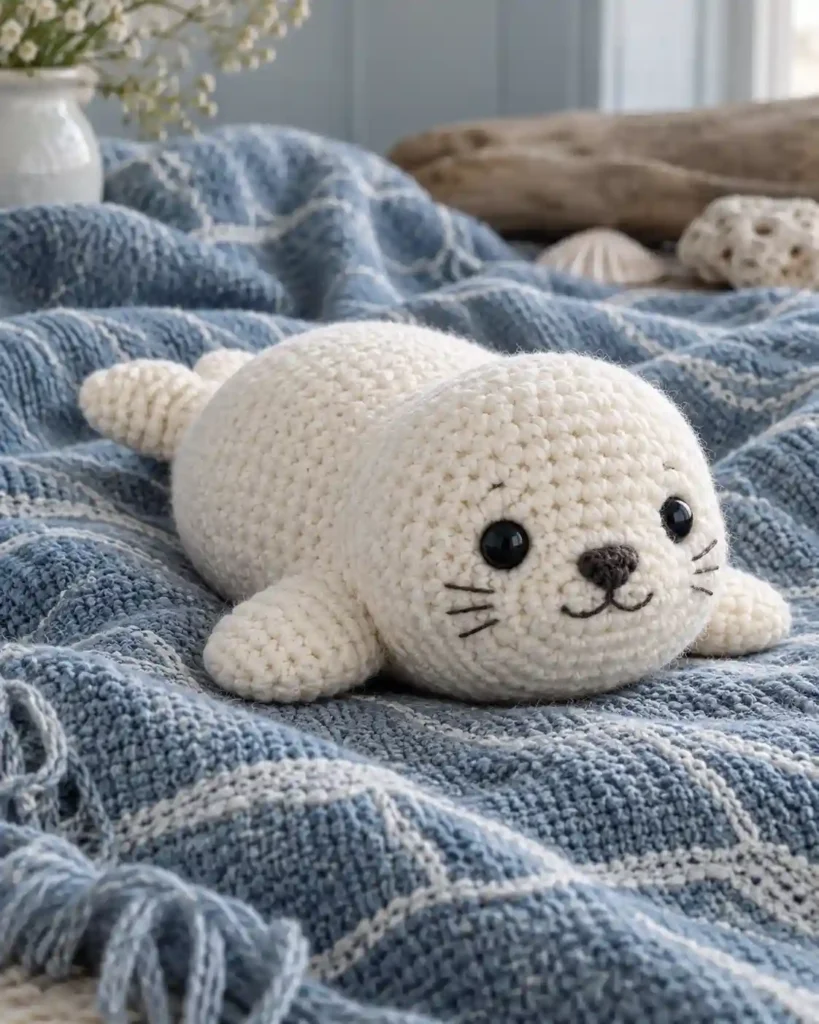
A baby seal is wonderfully suited to minimalist amigurumi because its smooth body already has such an appealing shape. Small flippers can be worked into the sides as the rounded form takes shape, leaving only simple facial details to finish. Ivory or soft gray chenille creates a cuddly texture, particularly when photographed against a deep blue blanket. It’s an appealing choice for anyone who loves ocean animals but would rather avoid complicated color changes.
Look for a streamlined pattern with integrated flippers, and keep the stuffing gentle enough to preserve the seal’s soft, rounded appearance.
16. Mini Penguin: Can You Make the Belly Without Sewing on a Patch?
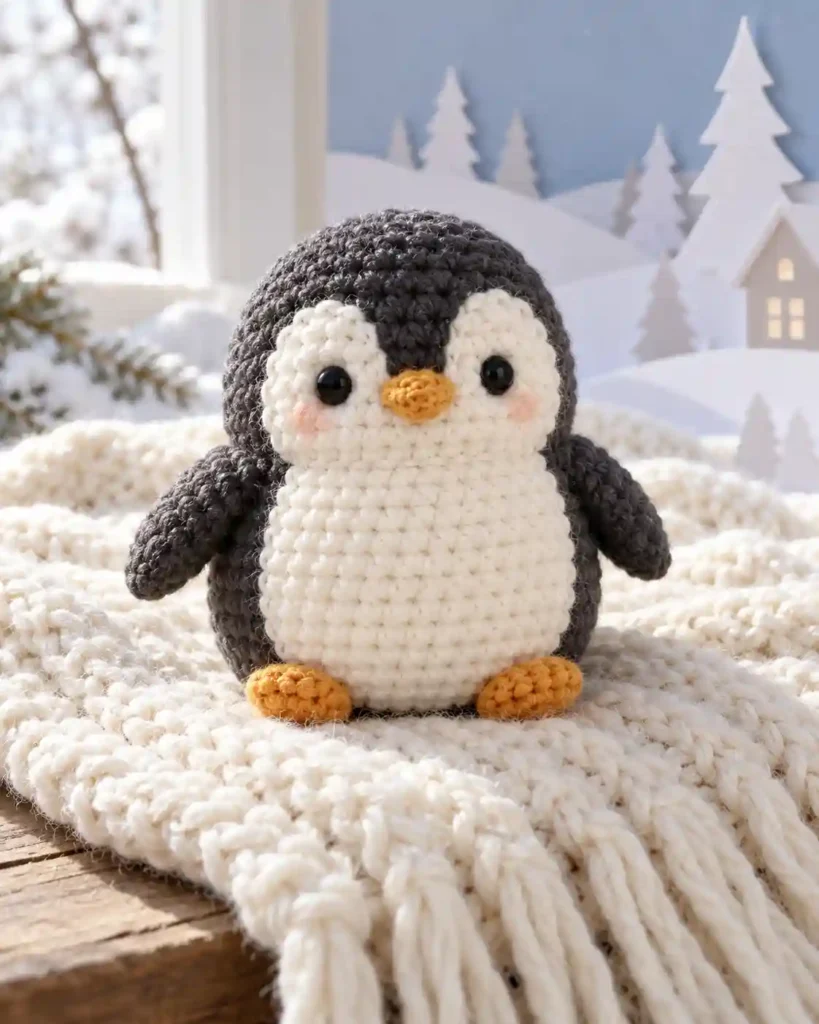
A miniature penguin is a sweet winter project with its round tummy, tiny wings, and classic black-and-white coloring. Instead of stitching a separate belly patch onto the body, select a pattern that creates the contrast through color changes. A charcoal penguin with a cream-colored belly looks especially lovely perched on a knitted scarf or winter gift box. This project is perfect when you’re ready to practice simple colorwork while keeping the construction compact.
Try adding a tiny orange beak for a cheerful finishing touch, preferably using stitches incorporated into the body.
17. Round Pig
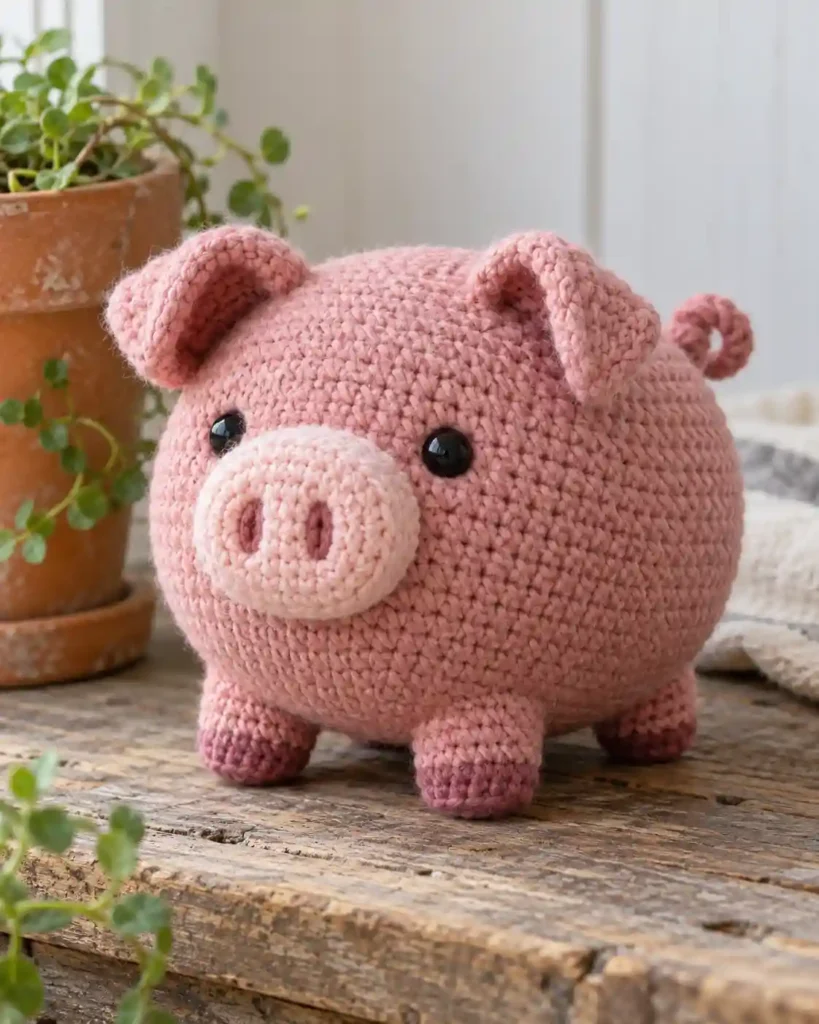
There’s a special kind of cuteness in a round crochet pig with little ears and an oversized pink snout. You can shape the snout with bobble stitches or strategic increases rather than attaching a separate circular piece. Dusty rose, soft blush, or classic bubblegum pink all work beautifully for this friendly farm animal. It’s a fun beginner-to-intermediate project, especially if you want to experiment with textured facial details.
For a cleaner no-sew finish, look for ears that are crocheted directly into the top rounds.
18. Chubby Cow: How Can You Make the Spots Without Sewing?
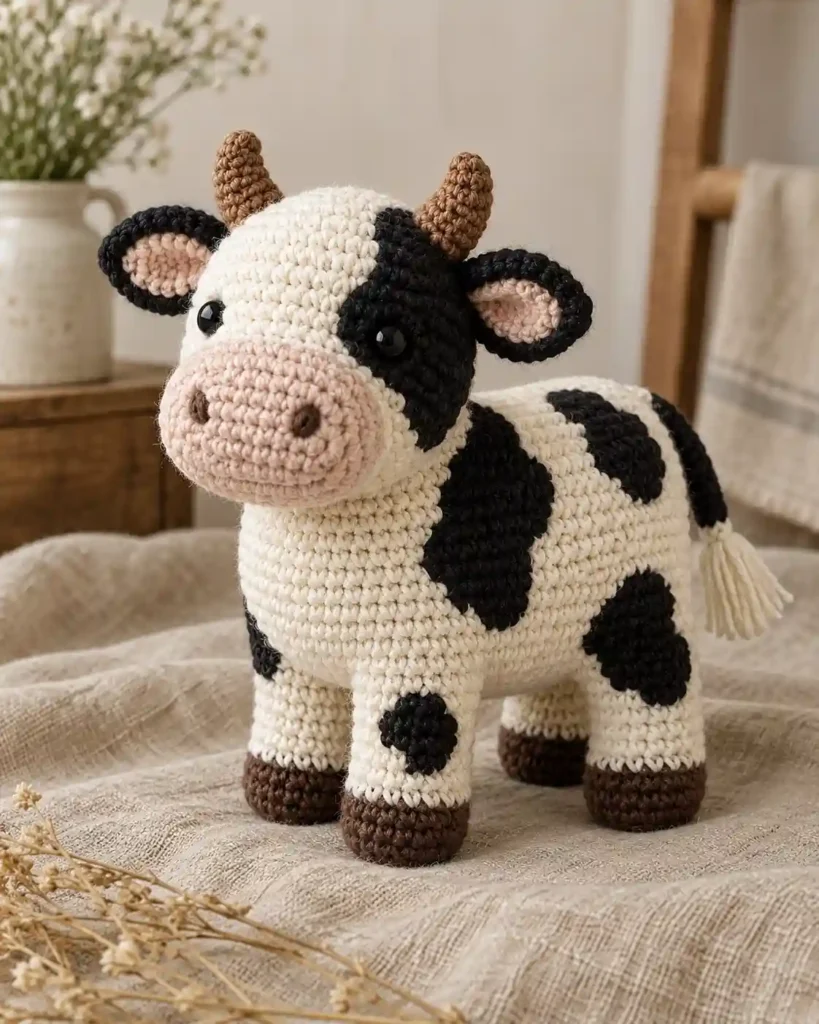
A chubby crochet cow combines a round, huggable body with tiny horns and distinctive patches. Instead of sewing on separate spots, you can choose a design that builds them using color changes as the body grows. Cream yarn with black patches gives a classic dairy-cow look, while a warm brown-and-beige combination feels especially cozy. This animal is a lovely choice for farm-themed gift collections if you’re comfortable managing more than one yarn color.
Crochet tip: For a strictly no-sew version, verify that the horns, ears, and muzzle are worked in or joined with the hook.
19. Mini Puppy
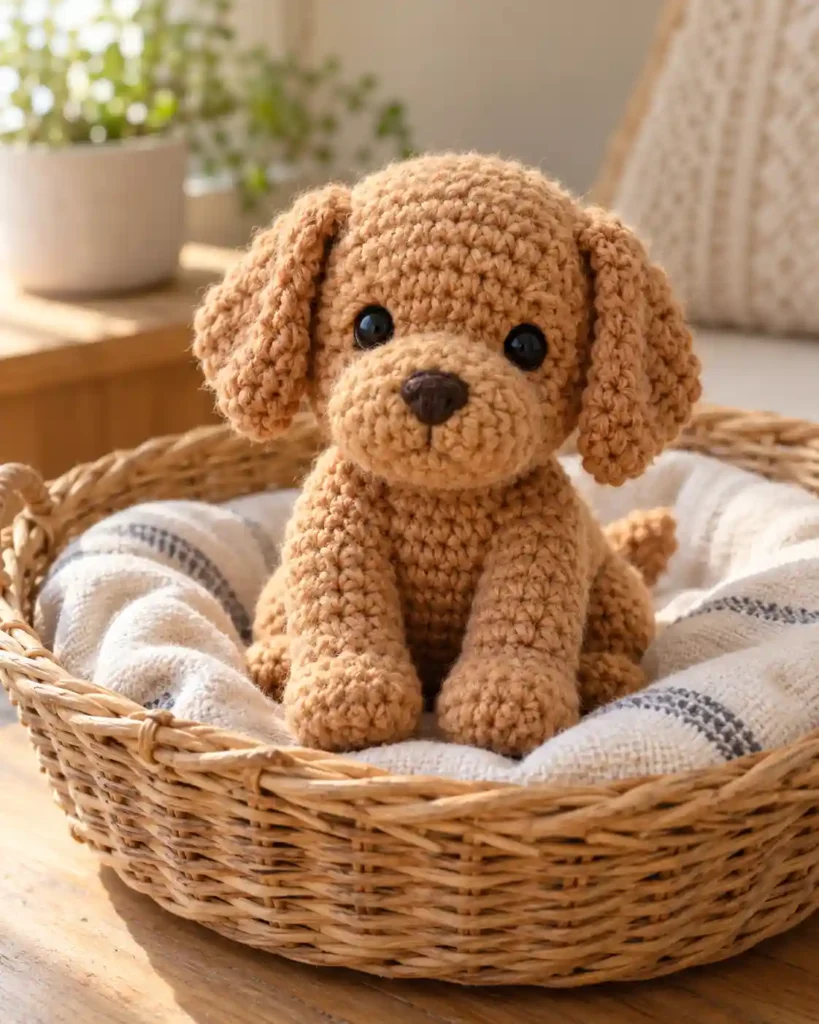
A mini puppy brings the charm of your favorite four-legged friend into a tiny, squishy crochet project. A simple dog-loaf shape is easier to construct than a standing puppy with four separate legs, making it well suited to no-sew techniques. Caramel yarn with a cream-colored muzzle creates an adorable little companion for a desk, gift basket, or shelf. Try this idea when you want to personalize a project with different coat colors and ear shapes.
Choose a pattern that forms the ears and tail within the body construction to avoid unnecessary assembly.
20. Pocket Hamster: Is This a Good Scrap-Yarn Project?
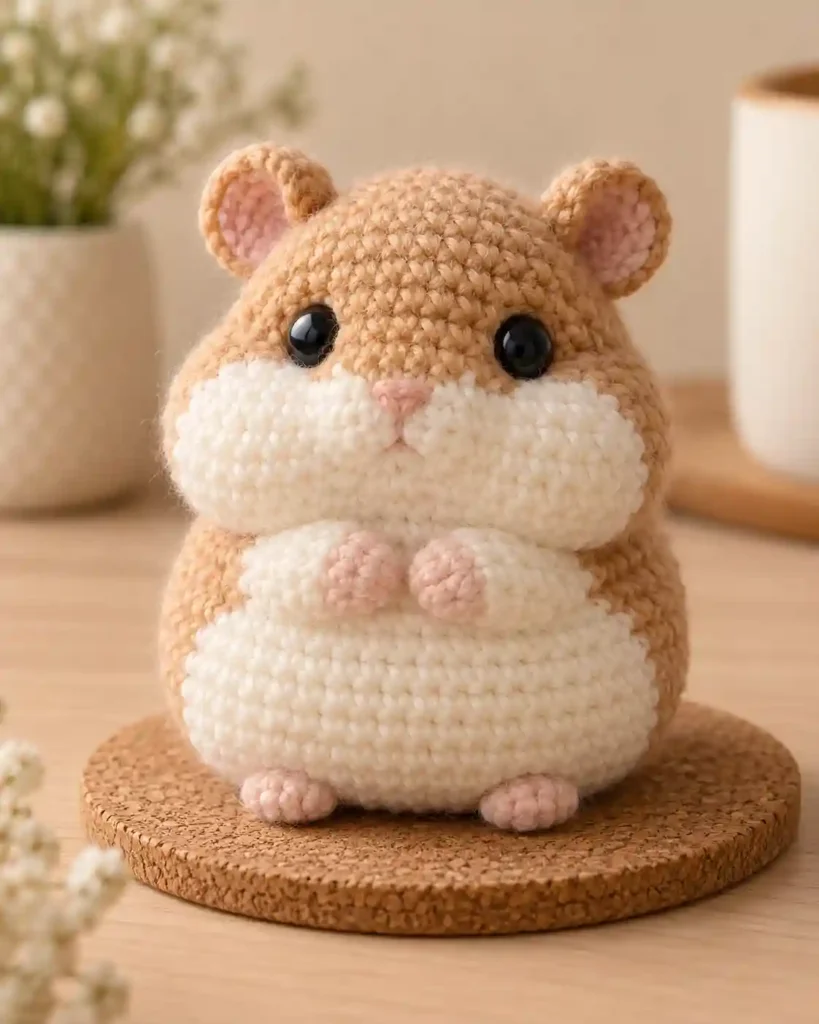
A pocket hamster is a wonderful way to use those leftover bits of yarn that seem too small for anything else. Its plump oval body, little ears, and rounded cheeks give it an adorable appearance without requiring lots of pieces. Cream and tan yarn creates a natural-looking hamster, but pastel colors can be just as sweet. This is a particularly satisfying project if you love miniature animals and want to practice clean, consistent stitches.
Try forming the cheeks through colorwork and the ears through small bobble stitches, keeping every detail integrated where possible.
21. Micro Goose
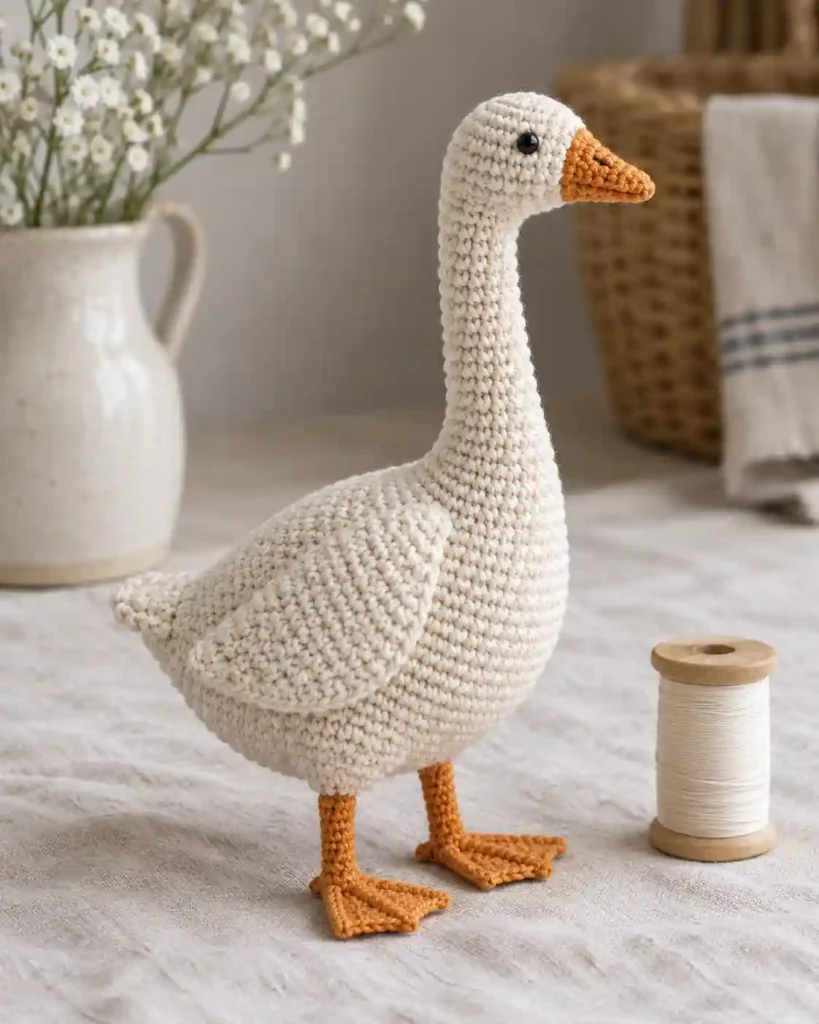
A micro goose has a personality all its own, thanks to its upright neck, rounded little body, and pointed orange beak. Unlike a chubby duck, it needs careful neck shaping to create that unmistakable goose silhouette. Off-white cotton yarn is a beautiful choice, especially for a miniature decoration in a cottagecore-inspired display. This project suits crocheters who want to challenge themselves with a narrow neck while still keeping assembly to a minimum.
Look for a pattern that works the neck and body together, and use consistent tension to help the neck hold its shape.
22. Pocket Capybara: Can You Make Its Face Without Separate Pieces?
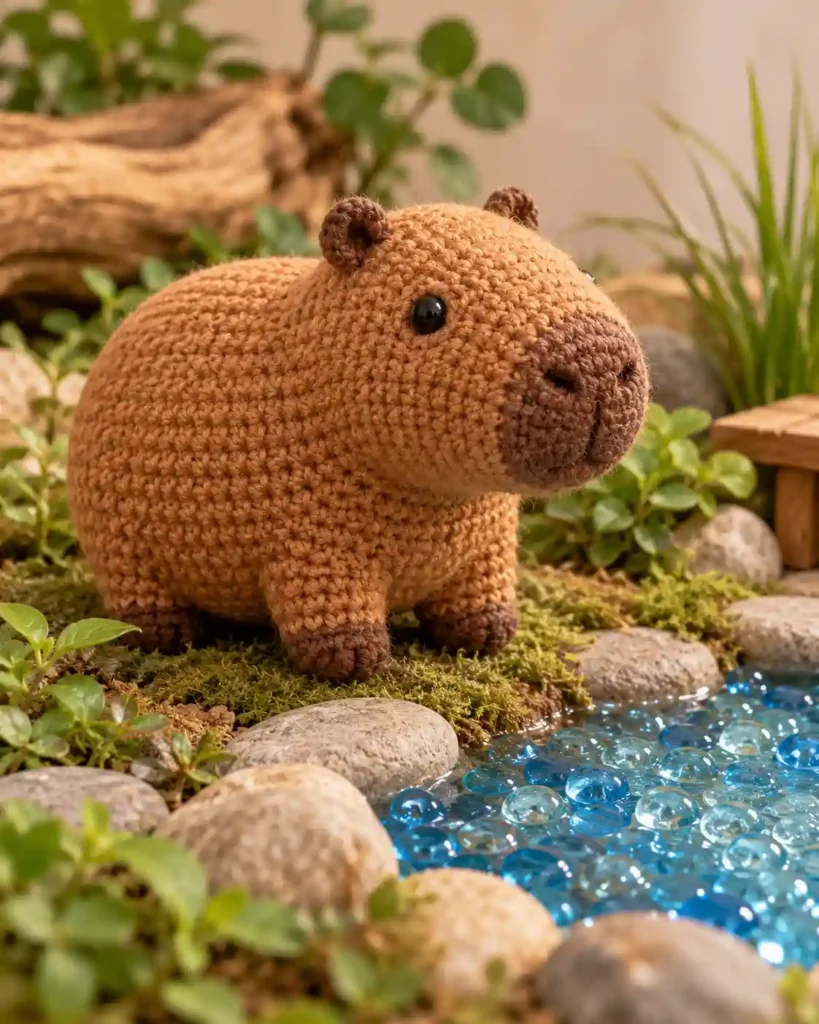
A pocket capybara is an unexpectedly charming crochet idea with its long rounded body and peaceful little expression. Its flat ears and simple muzzle make it a good candidate for integrated shaping instead of complicated assembly. Cinnamon-brown yarn gives it a natural appearance, particularly when paired with tiny crocheted facial details. This design is ideal for animal lovers who want something a little different from the usual cats, bears, and bunnies.
Be sure to check the construction instructions carefully, because some capybara patterns still use separately attached ears or snouts.
23. Cottagecore Mushroom
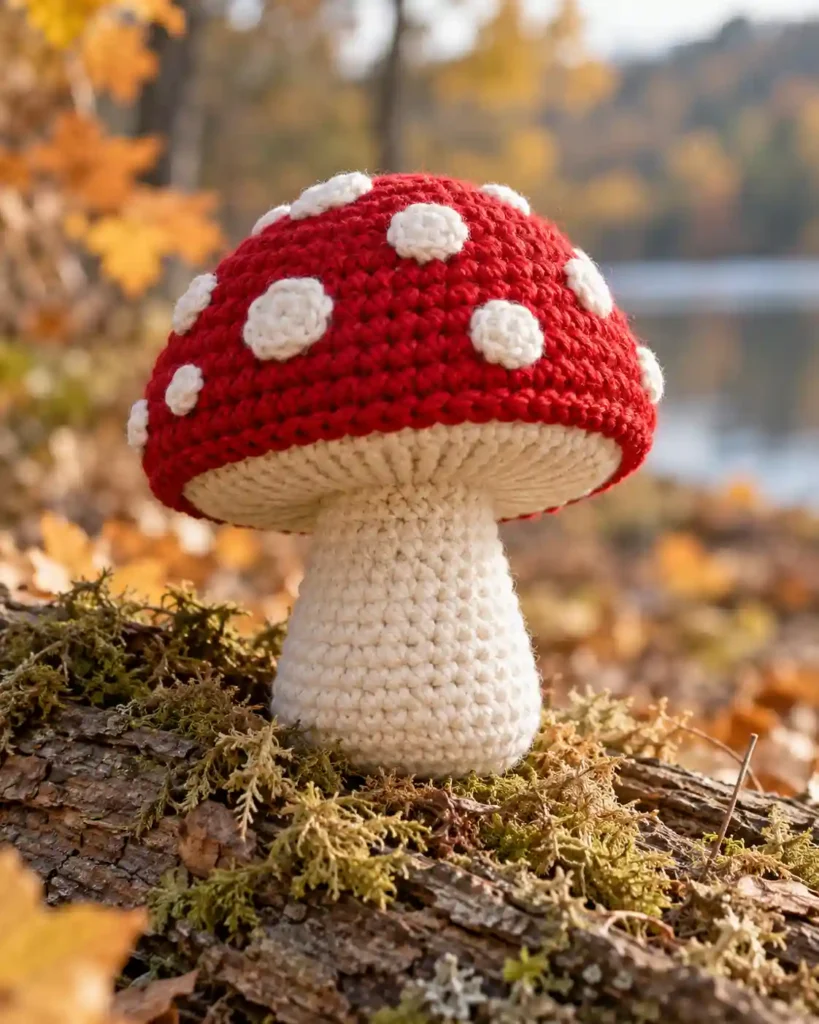
A tiny crochet mushroom brings the cozy charm of a woodland cottage straight into your craft basket. The rounded cap can transition into a sturdy stem through planned increases, decreases, and color changes, avoiding the need to sew the two sections together. Deep cherry-red yarn with an ivory stem looks wonderful beside dried moss or rustic autumn decorations. It’s an excellent project for anyone who loves nature-inspired crochet and wants to experiment with simple shape transitions.
For white spots, choose a pattern using colorwork or crocheted texture instead of individually sewn-on circles.
24. Strawberry Plushie: Can the Leaves Be Crocheted in Place?
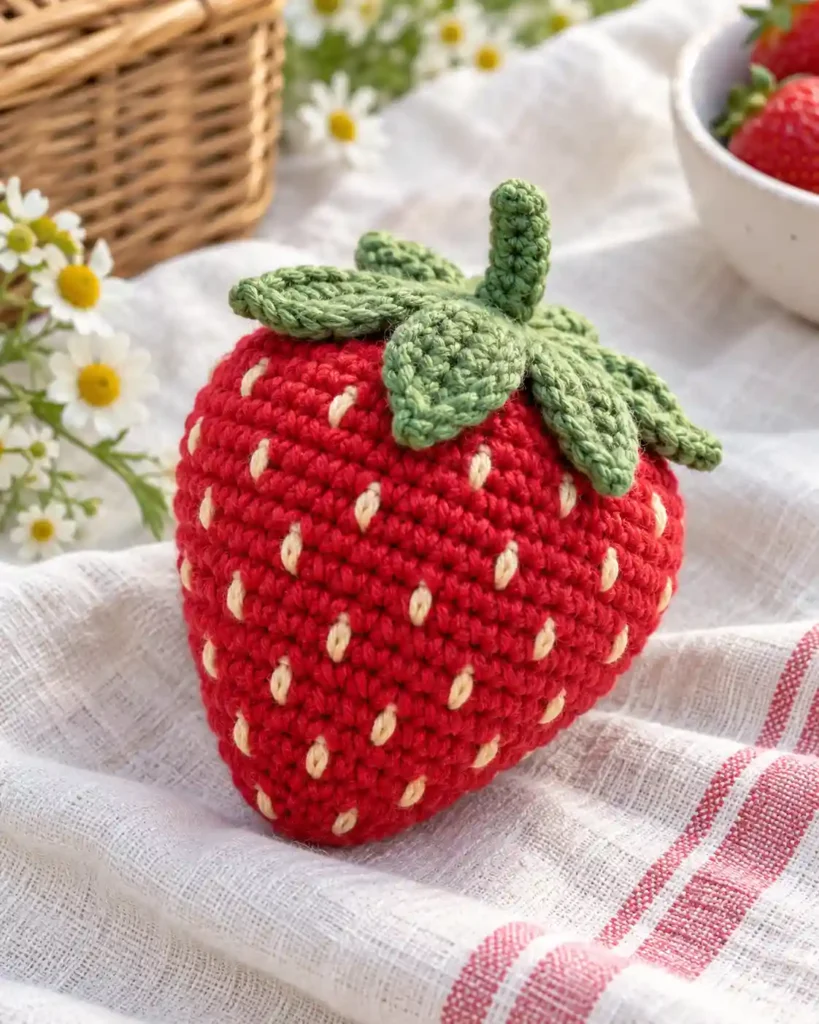
A crochet strawberry makes a cheerful little gift, especially when it has a plump red body and bright green leaves. The tapered fruit shape is built through gradual increases and decreases, while the leafy top can be formed directly from the final stitches. Berry-red cotton yarn works beautifully for a tiny keychain-sized version, and soft chenille creates a larger, squishier plushie. Choose this project if you’d like to practice shaping and color changes without working on a complicated animal.
Special tip: Look for crocheted-in seed details if you want to avoid embroidering lots of tiny dots afterward.
25. Tiny Pumpkin
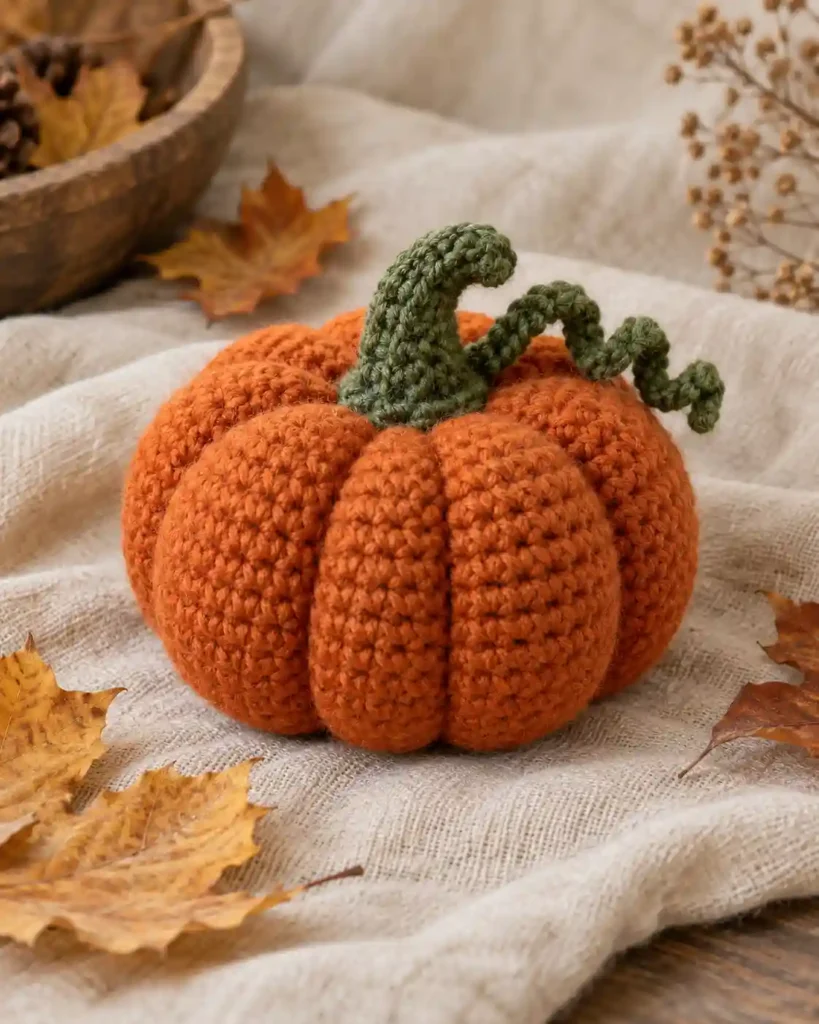
Nothing says cozy autumn quite like a tiny orange crochet pumpkin sitting on a windowsill. Some pumpkin patterns require sewing through the finished body to create their ridges, but a truly no-sew version shapes those sections through the crochet stitches themselves. Burnt orange yarn with a curled green stem gives this miniature decoration a lovely seasonal feel. This is a fun fall project if you’re interested in learning textured stitches and making small decorative pieces.
Check that the stem is crocheted directly onto the pumpkin and that the ridges don’t require needle stitching. For more seasonal inspiration, explore our crochet pumpkin pattern collection and check the construction methods before choosing a design.
26. Pocket Ghost: What’s the Easiest Halloween Amigurumi?
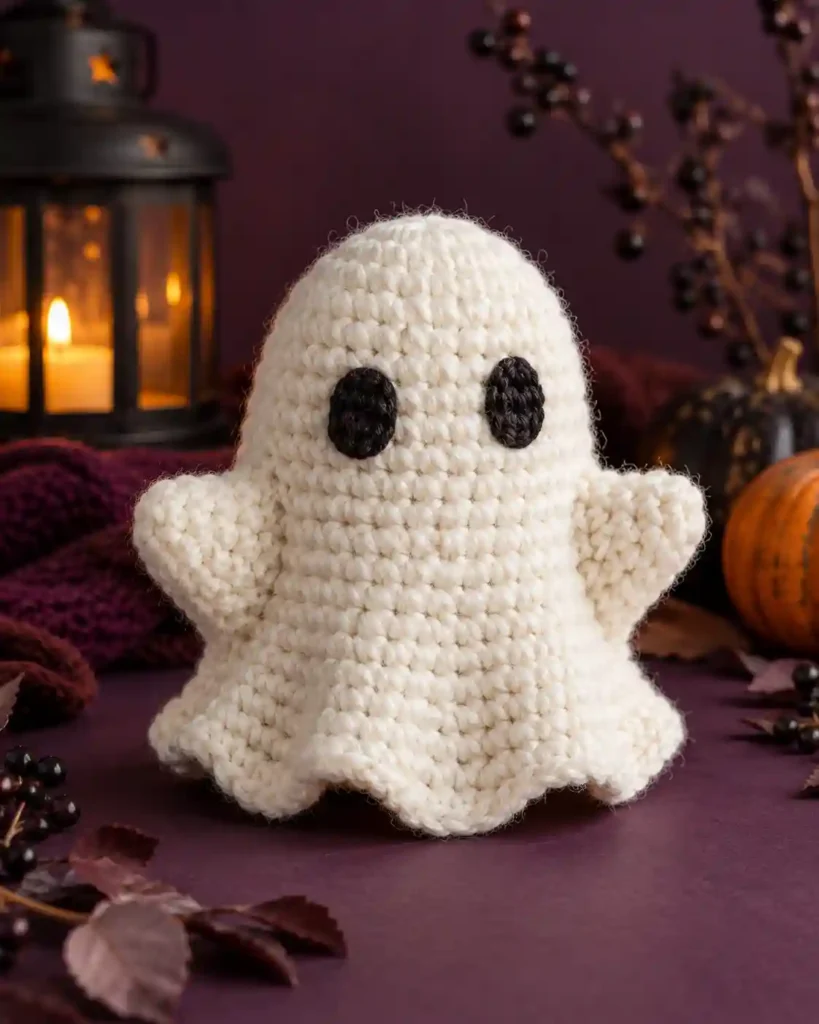
A pocket ghost is wonderfully simple, with a rounded white head that widens into a gently wavy lower edge. Because the shape is uncomplicated, it’s a comfortable choice for anyone new to no-sew Halloween amigurumi. Use smooth white yarn for clearly defined stitches, or choose plush chenille for a softer, puffier little ghost. Make a handful for seasonal decorations, gift bags, or a cute collection of spooky desk companions.
Try crocheted-in eyes or age-appropriate stitched facial details, and use increases along the last rounds to form a playful ghostly edge.
27. Mini Bat: How Do You Crochet the Wings Without Sewing?
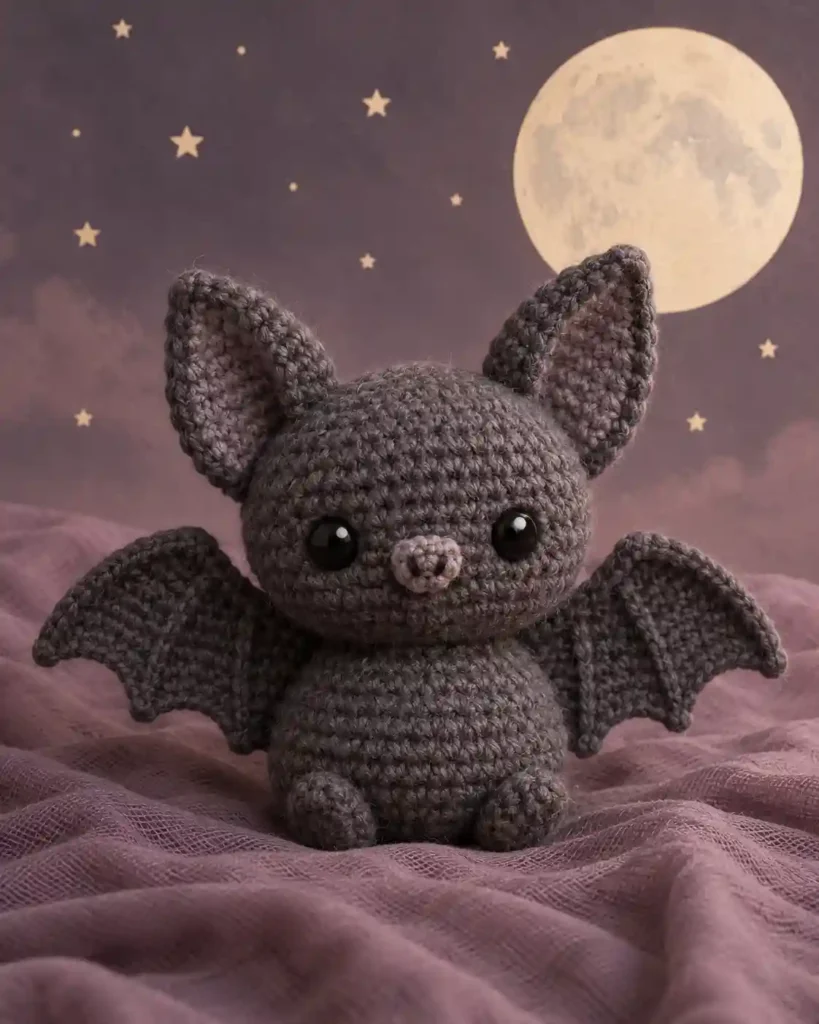
A miniature crochet bat looks surprisingly cute with its pointed ears, rounded tummy, and little scalloped wings. The challenge is finding a no-sew pattern that builds the wings directly into the body rather than sewing them on later. Slate gray, deep purple, or charcoal yarn creates a charming Halloween-inspired plushie without needing much decoration. It’s an appealing intermediate project for crocheters who want to practice shaping flat features from an existing crochet surface.
Crochet tip: Keep both wings symmetrical by marking their starting stitches before working the wing details.
28. Little Spider: Can You Make All Eight Legs as You Go?
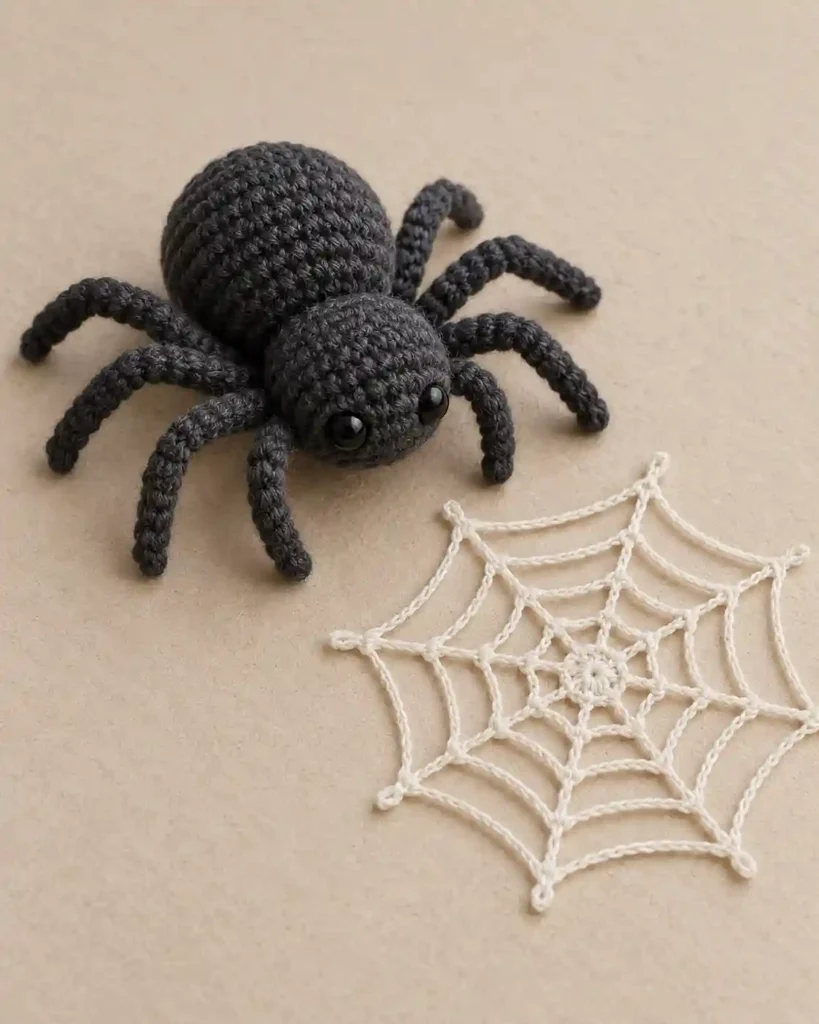
A tiny crochet spider is the perfect mix of spooky and adorable, particularly when its long little legs curl around a round body. The legs can be formed using chains worked directly from body stitches instead of making eight separate pieces. Charcoal or muted purple yarn gives the spider a soft Halloween look that’s more charming than frightening. It’s a great project for trying chain-based features while keeping the main body simple.
Count four legs on each side and check their placement before completing the final rounds.
29. Coiled Snake
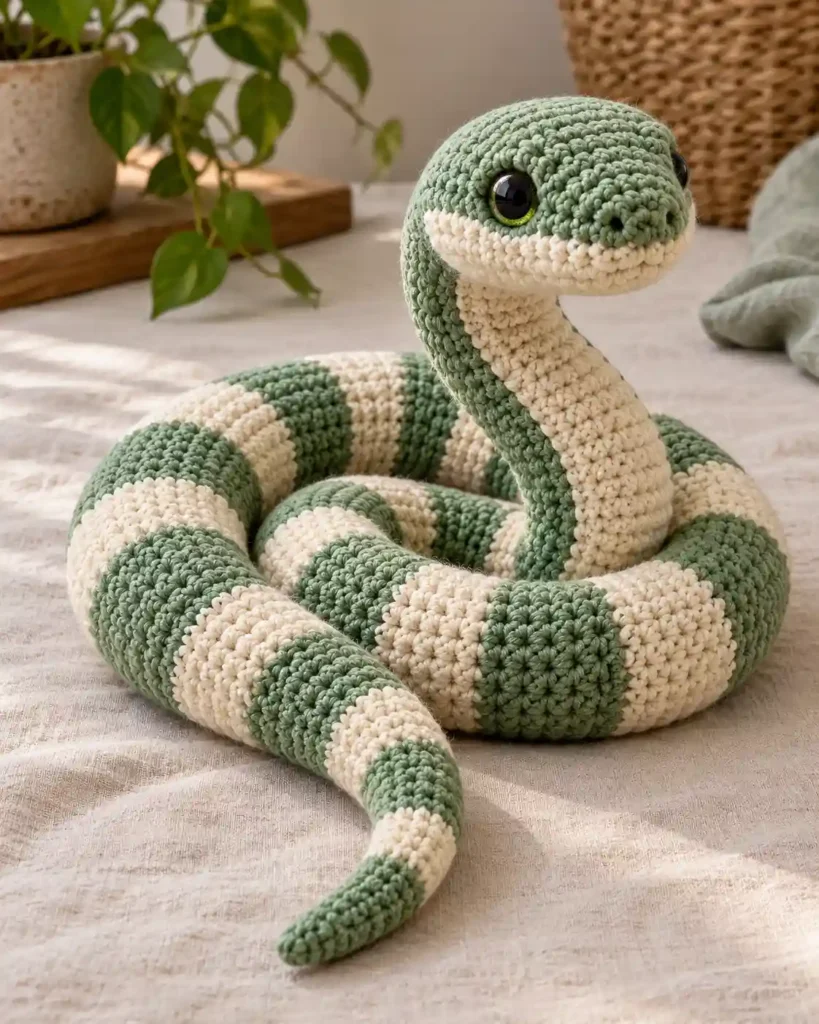
A coiled crochet snake is a playful alternative to traditional rounded amigurumi animals. Its elongated tube can be worked continuously, with gradual shaping for the head and tail rather than separate pieces that need attaching. Jade-green yarn with pale cream stripes creates a beautiful little reptile that looks lovely curled in a basket. Choose this idea if you enjoy relaxing rounds and want a project where most of the attention goes toward color and length.
Since not every crochet snake is automatically no-sew, check that its tongue, eyes, and other details don’t require additional assembly.
30. Little Fish: How Do You Make the Fins Without Sewing?
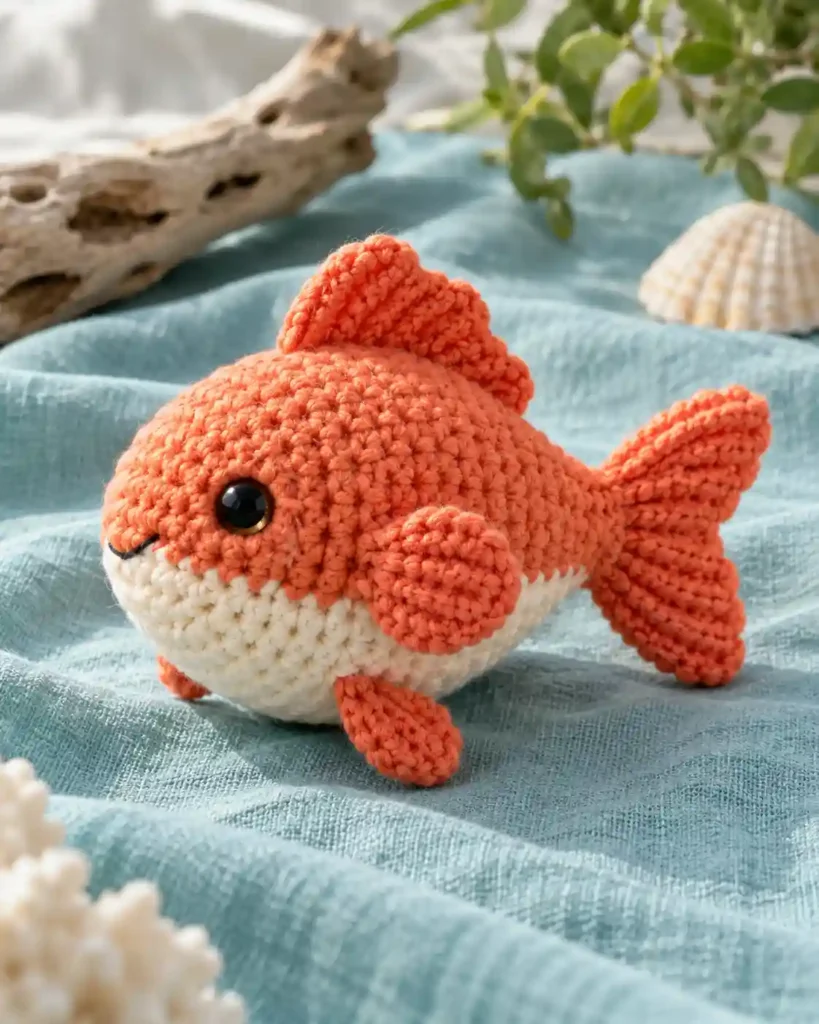
A little crochet fish is a cheerful way to finish this collection of miniature animal ideas. Its compact oval body works beautifully with fins formed directly into the rounds, giving the toy its recognizable shape without attaching separate pieces. Coral orange with a cream-colored belly makes a bright tropical-inspired fish, while blue and silver tones create a softer ocean look. This project is a wonderful choice for anyone building a collection of no-sew sea creatures.
Look for integrated tail and side fins, and try simple two-color stripes for extra detail without complicated construction.
How Can You Tell if a Crochet Amigurumi Pattern Is Truly No-Sew?
Check whether the pattern forms or joins limbs, ears, tails, and other pieces with a crochet hook instead of requiring needle-based assembly.
Just because a pattern says “no-sew” doesn’t necessarily mean every detail is crocheted in one continuous piece.
Some designers make individual limbs and join them with crochet stitches as the body is being worked. Others add small finishing details using embroidery.
Both approaches can avoid the frustrating task of sewing separate body parts together.
Before starting a new pattern, ask yourself:
- Are the limbs crocheted in or joined as you go? Look for instructions that incorporate arms, legs, ears, and tails into the body using the hook.
- Does the pattern require a yarn needle for assembly? Weaving in ends is normal, but sewing several pieces onto a finished body makes it a low-sew project.
- Are the decorative details part of the crochet? Color changes, bobble stitches, and crocheted-in features can eliminate separate attachments.
For example, the free turtle pattern from Stitch by Fay involves making several components but joining them through the crochet process. That’s still considered no-sew construction, even though it isn’t made as one continuous piece.
When browsing no sew crochet amigurumi patterns, checking the construction notes before buying yarn can save you plenty of frustration later.
Another useful approach is to examine the finishing instructions at the bottom of the pattern before reading every round. For No sew crochet amigurumi patterns, this helps reveal whether separately crocheted parts are joined with a hook or attached with a needle.
What Yarn Is Best for No-Sew Crochet Amigurumi?
Smooth cotton or acrylic yarn is often easier for beginners to work with, while chenille creates soft, plush amigurumi with less visible stitch definition.
Your yarn choice can completely change the appearance of a finished amigurumi.
Smooth cotton yarn creates clearly defined stitches, making it easier to count rounds and spot mistakes. Plush chenille yarn produces softer, chunkier animals, although its fluffy texture can make individual stitches harder to see.
The Craft Yarn Council’s Standard Yarn Weight System classifies yarn into categories from lace through jumbo and provides general hook-size recommendations. These ranges are guidelines, not fixed requirements for every project.
| Yarn type | Main benefit | Potential challenge |
|---|---|---|
| Cotton | Clear stitch definition | Less fluffy texture |
| Acrylic | Widely available, many colors | Texture varies by brand |
| Chenille | Soft, squishy plushies | Stitches can be difficult to see |
| Fine cotton | Detailed miniature figures | Requires careful stitch work |
For your first easy no sew crochet amigurumi project, try a smooth, medium-weight yarn so you can clearly see where your hook needs to go.
Once you’re comfortable counting stitches, experiment with chunky chenille to create those soft, cuddly plushies that look so charming in handmade gift collections.
Helpful tip: Amigurumi usually needs a firm fabric that prevents stuffing from showing through. Follow the pattern’s recommended hook size, then adjust if your stitches leave visible gaps.
Which Crochet Techniques Should Beginners Learn First?
At a Glance
- Learn the magic ring and single crochet stitch.
- Practice increases and decreases for rounded shapes.
- Use stitch markers to track continuous rounds.
- Try crocheting limbs into existing body stitches.
You don’t need to master dozens of complicated stitches before making your first no-sew plushie.
The most useful beginner techniques include:
- Magic ring: Creates an adjustable starting circle for rounded bodies. Learn how to crochet a magic ring before starting your first rounded amigurumi project.
- Single crochet (sc): The basic stitch used in many amigurumi patterns.
- Increase (inc): Adds stitches to make a shape wider.
- Decrease (dec): Reduces stitches to narrow or close a shape.
- Continuous rounds: Builds a shape in a spiral without turning after every round.
- Bobble stitches: Create small raised details such as feet, cheeks, or ears.
- Crochet-as-you-go joining: Incorporates prepared parts directly into the working fabric.
The Craft Yarn Council’s Crochet Abbreviations Master List explains standard U.S. crochet terms, including sc, inc, dec, and sl st. Remember to check whether your chosen pattern uses U.S. or U.K. terminology, as some stitch names differ.
If you’re just getting started, practice with a mini octopus, loaf cat, or pocket ghost before attempting a more detailed dinosaur.
Where Can You Find Free No-Sew Crochet Amigurumi Patterns?
Look for crochet designers who publish complete written tutorials with materials, round-by-round instructions, photographs, and clear explanations of no-sew construction.
Finding a genuinely free pattern takes a little more than clicking on a cute Pinterest photo.
Some listings offer a free preview but require payment to access the complete instructions. Others provide the written pattern on a blog for free while charging for an optional printable PDF.
To find reliable free no sew crochet patterns, check that the page includes complete rounds, materials, stitch explanations, and finishing instructions.
These designer collections are useful starting points:
- Stitch by Fay: No-Sew Amigurumi includes animal projects and free written tutorials.
- Little Crochet Farm: No-Sew Crochet Amigurumi features animals, miniature creations, and other crochet ideas.
- Amigurumi Today: Tutorials provides beginner resources and explanations of common crochet techniques.
For no-sew mini amigurumi patterns free to read online, start with compact projects that use fewer decorative details. Make sure the specific pattern is fully accessible before promising yourself a finished project.
Always credit the original designer and respect their pattern and photography permissions.
If you’re searching for a No sew crochet amigurumi free pattern, check whether the full written instructions appear on the designer’s website. A paid, ad-free PDF may also be available, but that doesn’t necessarily mean the online version costs money.
Search phrases such as No sew crochet patterns free and No-sew mini amigurumi patterns free can help you discover different collections. Once you’ve found a promising design, look at its materials, construction method, and finishing steps before starting.
Are No-Sew Crochet Animals Safe for Babies and Young Children?
No-sew construction alone does not make amigurumi suitable for babies; toy safety also depends on secure components, appropriate materials, intended age, and applicable safety requirements.
No-sew construction reduces the need for sewn-on assembly, but it does not automatically make a crochet toy safe for every age.
The U.S. Consumer Product Safety Commission states that products intended for children under three must comply with restrictions on hazardous small parts, including parts that can detach during testing.
For toys intended for babies or young children, avoid plastic safety eyes, loose decorations, detachable buttons, and other small components that could become choking hazards.
Also consider secure stitching, suitable stuffing, washable materials, and any applicable toy-safety requirements. A handmade toy should never be described as universally baby-safe based only on its crochet construction.
How Do You Choose No-Sew Amigurumi for Gifts or Craft Fairs?
At a Glance
- Choose small, repeatable designs for themed collections.
- Match the yarn and finished size to the recipient.
- Check pattern permissions before selling finished items.
- Use consistent construction and clear care information.
The best small crochet gifts are attractive, practical, and appropriate for the person receiving them.
For birthdays, pocket animals such as cats, frogs, and gummy bears make charming little surprises. Seasonal projects such as bunnies, pumpkins, and ghosts are lovely for themed gift collections.
If you’re making crochet animals for a craft fair, choose designs you can reproduce consistently with the same yarn, tension, and finishing quality.
Keep track of material use, check whether the designer permits selling finished items, and follow applicable product-safety and labeling requirements.
Remember that quick amigurumi patterns free to access online aren’t necessarily free to reproduce or redistribute. Reading a designer’s usage terms is just as important as checking the stitches.
People searching for Quick amigurumi patterns free often want projects suitable for small handmade gifts or repeatable craft-fair collections. Round animals, miniature food plushies, and simple seasonal designs are useful starting points because their shapes and materials are relatively easy to plan. For more projects that fit this approach, explore these quick crochet patterns for easy inspiration.
Frequently Asked Questions About No-Sew Crochet Amigurumi
What does no-sew mean in amigurumi?
No-sew amigurumi means creating a crochet toy without sewing separate body parts together. Limbs and other features are crocheted directly into the fabric or joined using the crochet hook, although weaving in yarn ends may still be necessary.
Are all no-sew crochet amigurumi patterns beginner-friendly?
No. Some no-sew patterns use complicated shaping, colorwork, or joining techniques. Beginners should start with simple rounded animals such as mini octopuses, loaf cats, or pocket ghosts.
What is the difference between no-sew and low-sew crochet?
No-sew crochet avoids sewing separately made components onto a finished toy. Low-sew patterns generally minimize assembly but may still require attaching one or two pieces with a yarn needle.
Can I use chenille yarn for no-sew amigurumi?
Yes. Chenille is ideal for soft plushies, but its fluffy surface makes stitch counting more challenging. Choose an appropriate hook and use stitch markers to help maintain consistent rounds.
Where can I find no sew crochet animals free patterns?
Start with established crochet designers who provide complete written patterns and tutorials, such as Stitch by Fay and Little Crochet Farm. Always check that the instructions are genuinely free and that the design doesn’t require sewing on separate limbs.
If you search for No sew crochet animals free pattern, look for complete tutorials rather than image-only posts or product listings. These should explain how the legs, ears, wings, or tails are incorporated during construction.
Final Thoughts: Which No-Sew Crochet Amigurumi Will You Make First?
The best thing about no-sew crochet amigurumi is that you can enjoy creating adorable handmade toys without worrying about putting together lots of tiny pieces afterward.
Whether you’re drawn to the curly tentacles of a miniature octopus, the soft shell of a baby turtle, or the cheerful round shape of a bumblebee, there’s a little crochet friend waiting for your next project.
Beginners can start with a loaf cat, pocket ghost, or mini whale. Once you’ve built confidence, try a chubby axolotl, baby triceratops, or colorful crochet cow.
Just remember to check the pattern’s assembly method before starting, especially when searching for free patterns.
Pick your favorite idea, gather your yarn, and enjoy making something small, soft, and completely your own.
And don’t forget to save your favorite no-sew crochet amigurumi ideas on Pinterest so they’re easy to find when inspiration strikes.