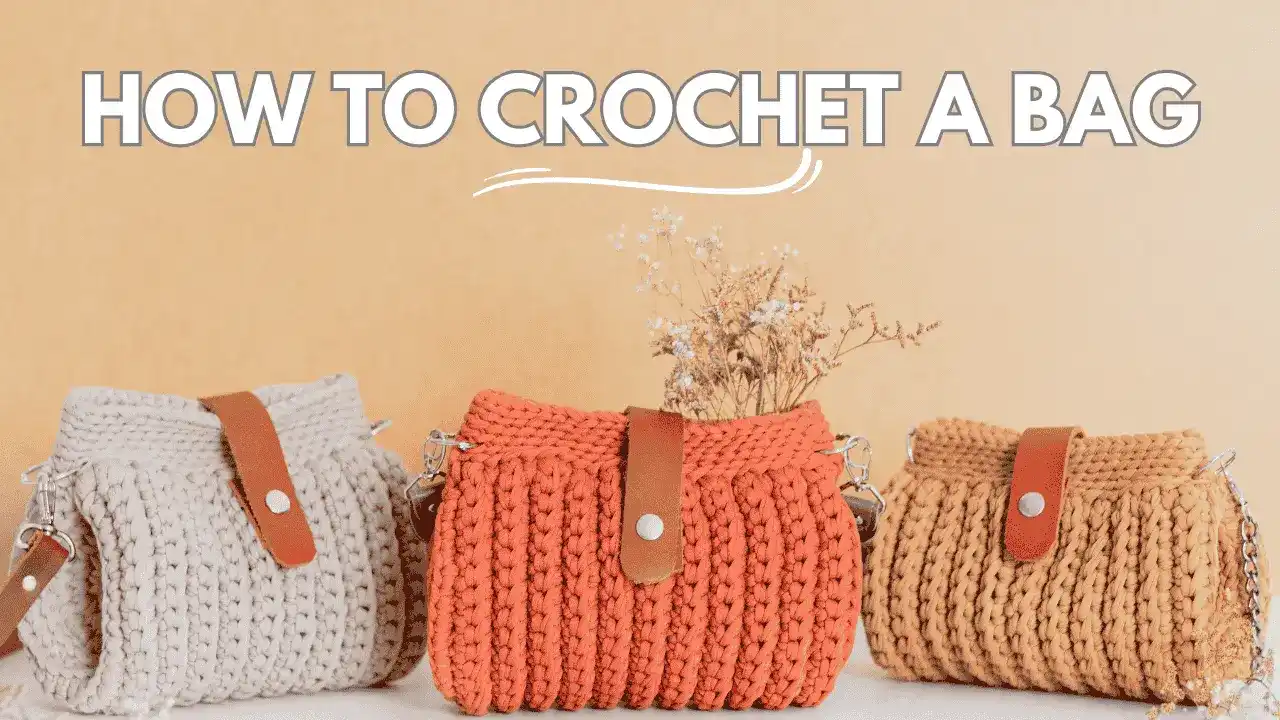
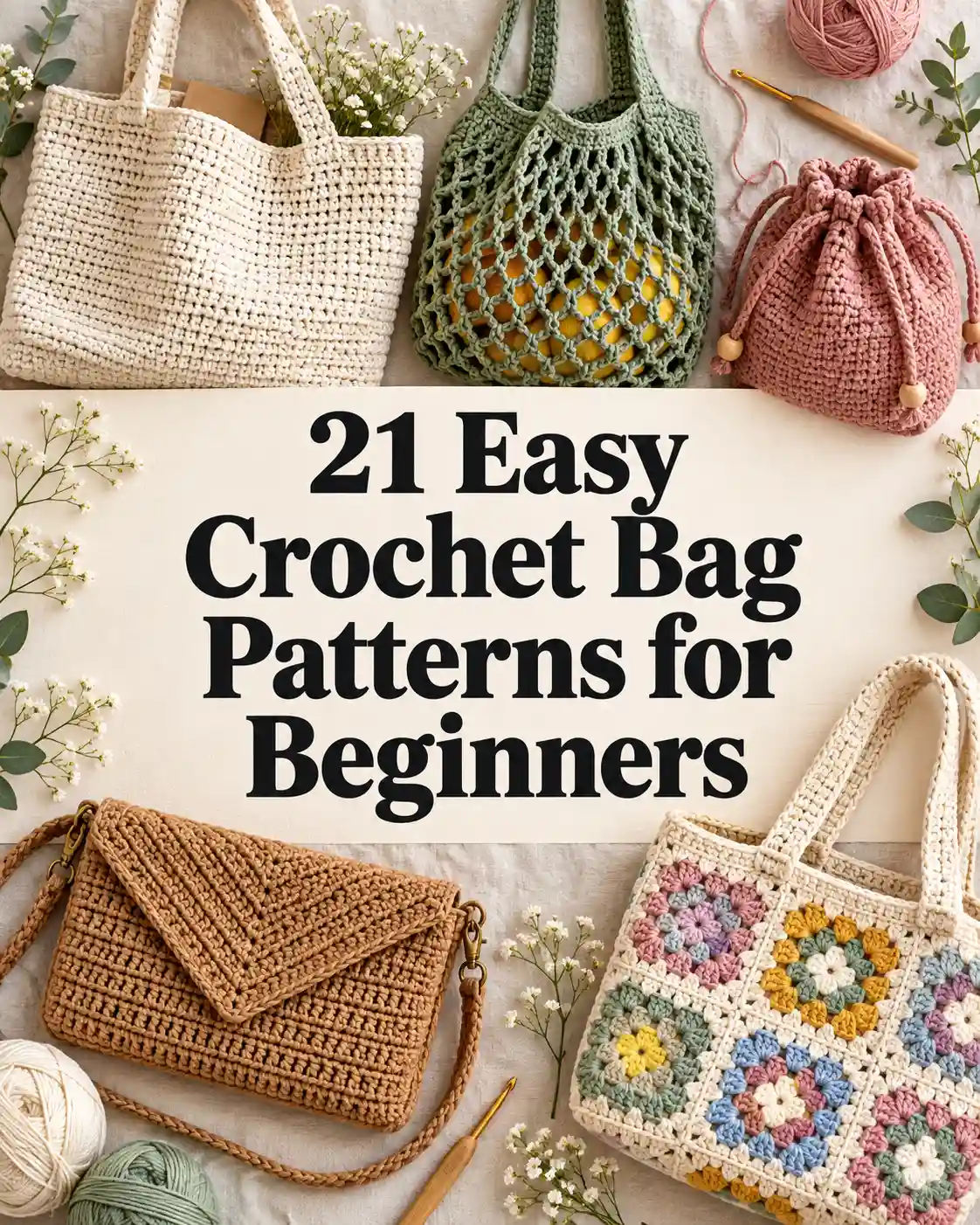
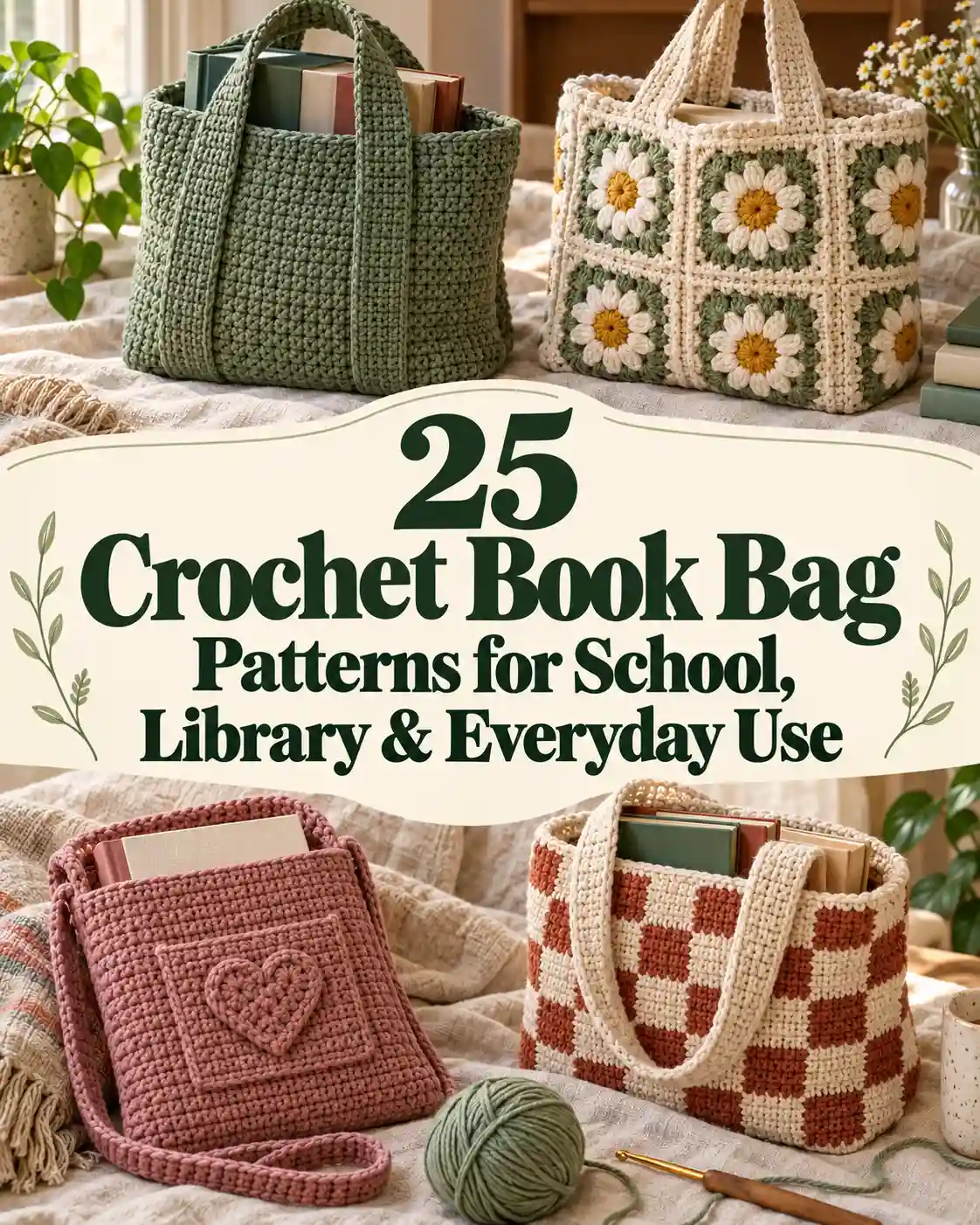
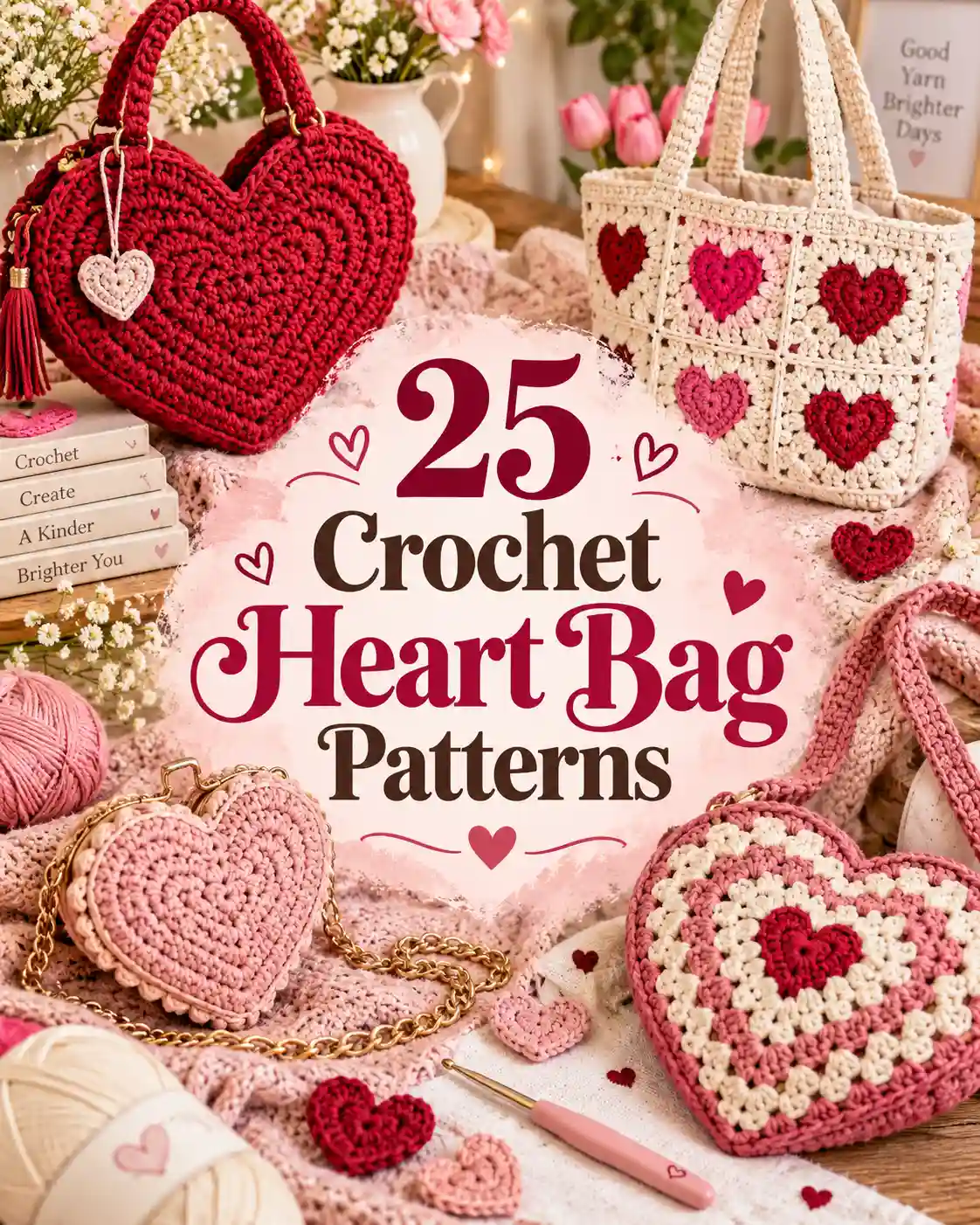
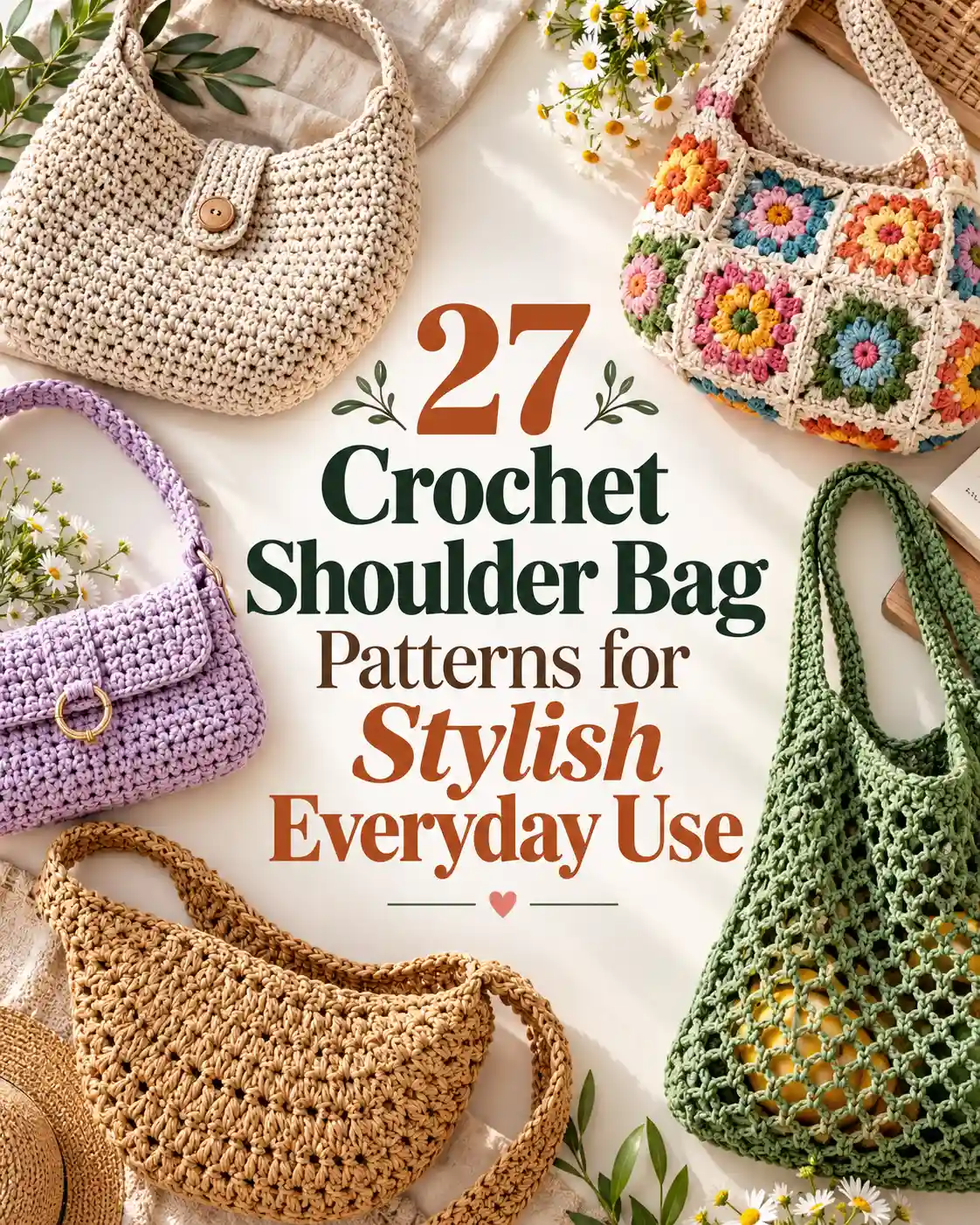
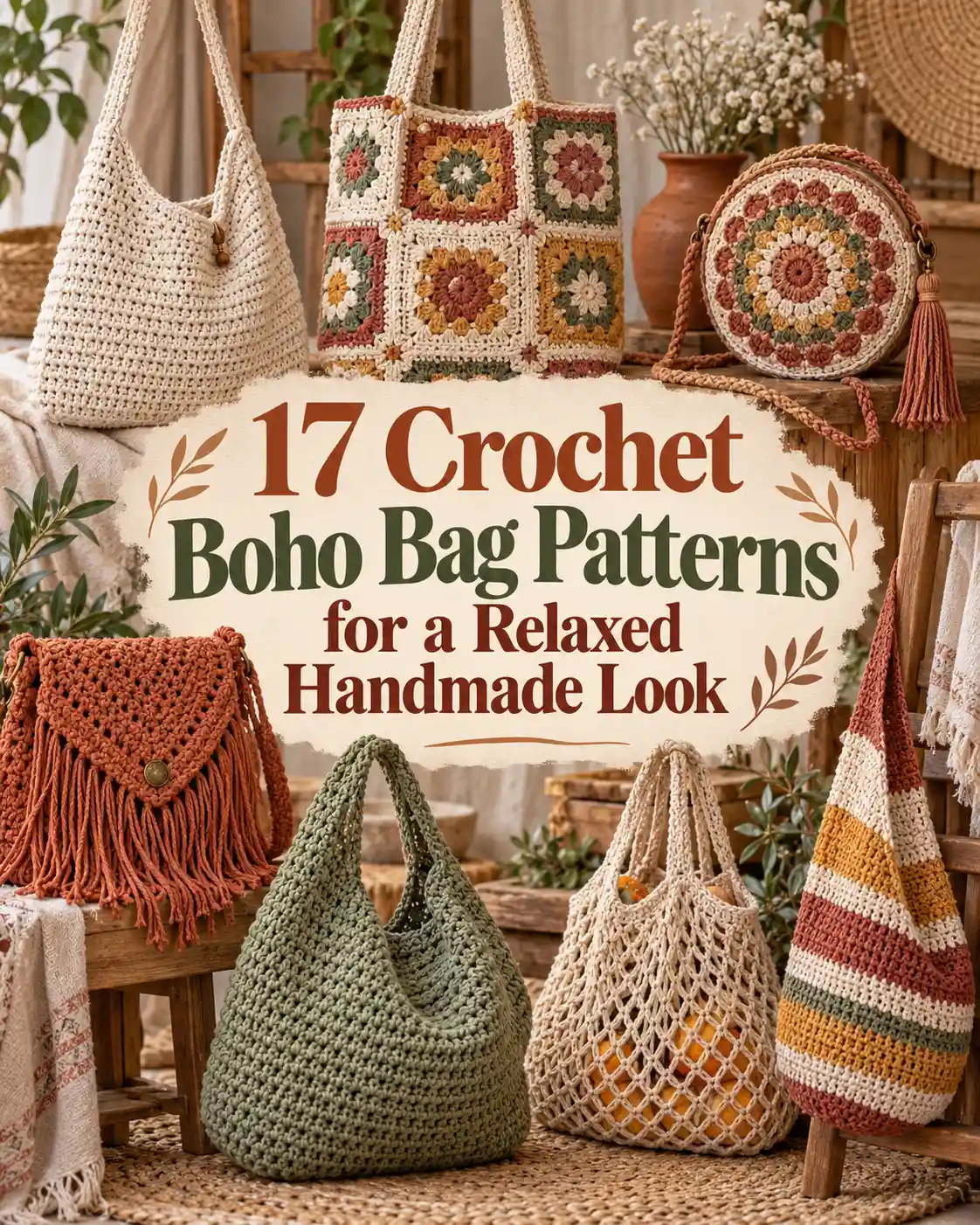
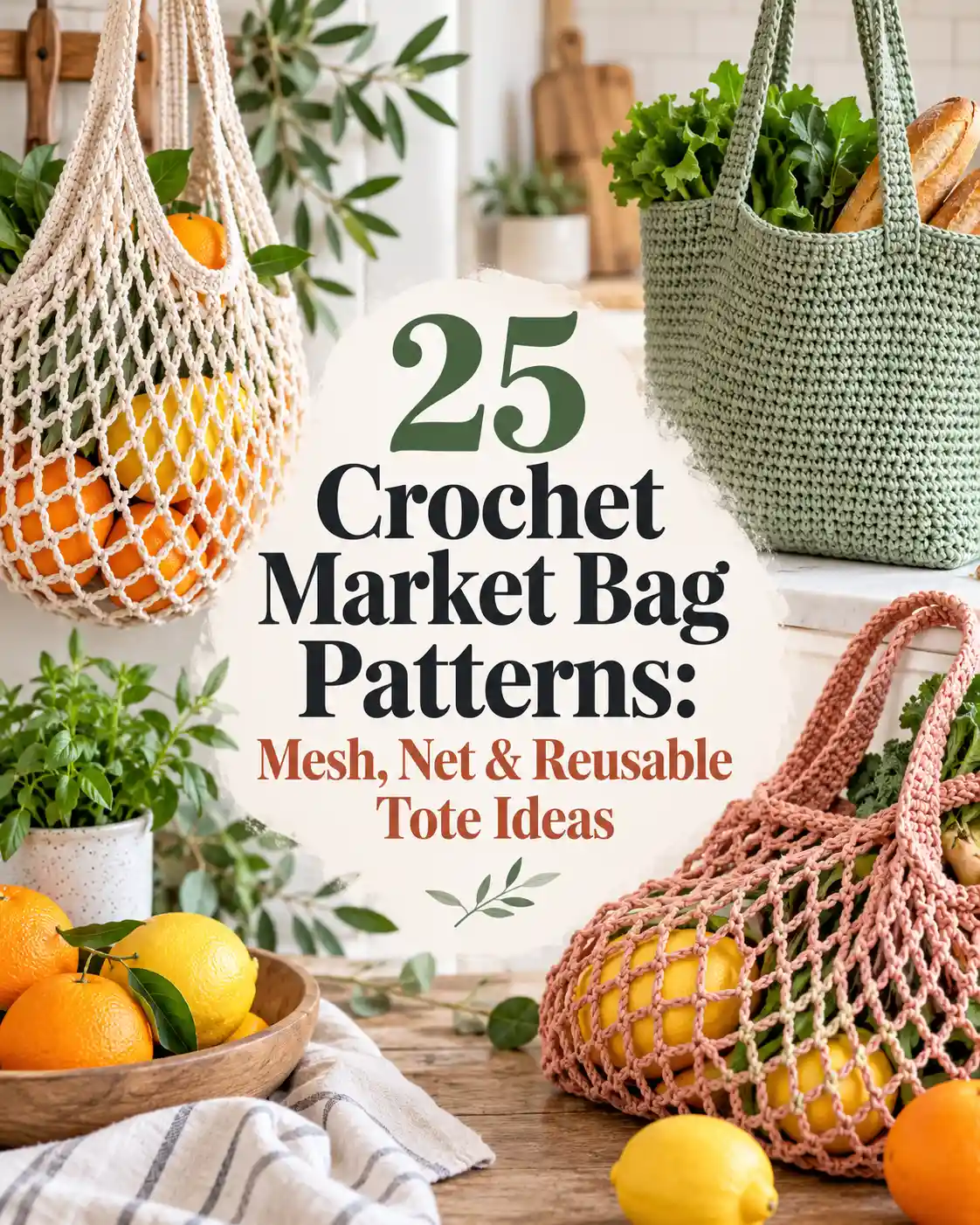
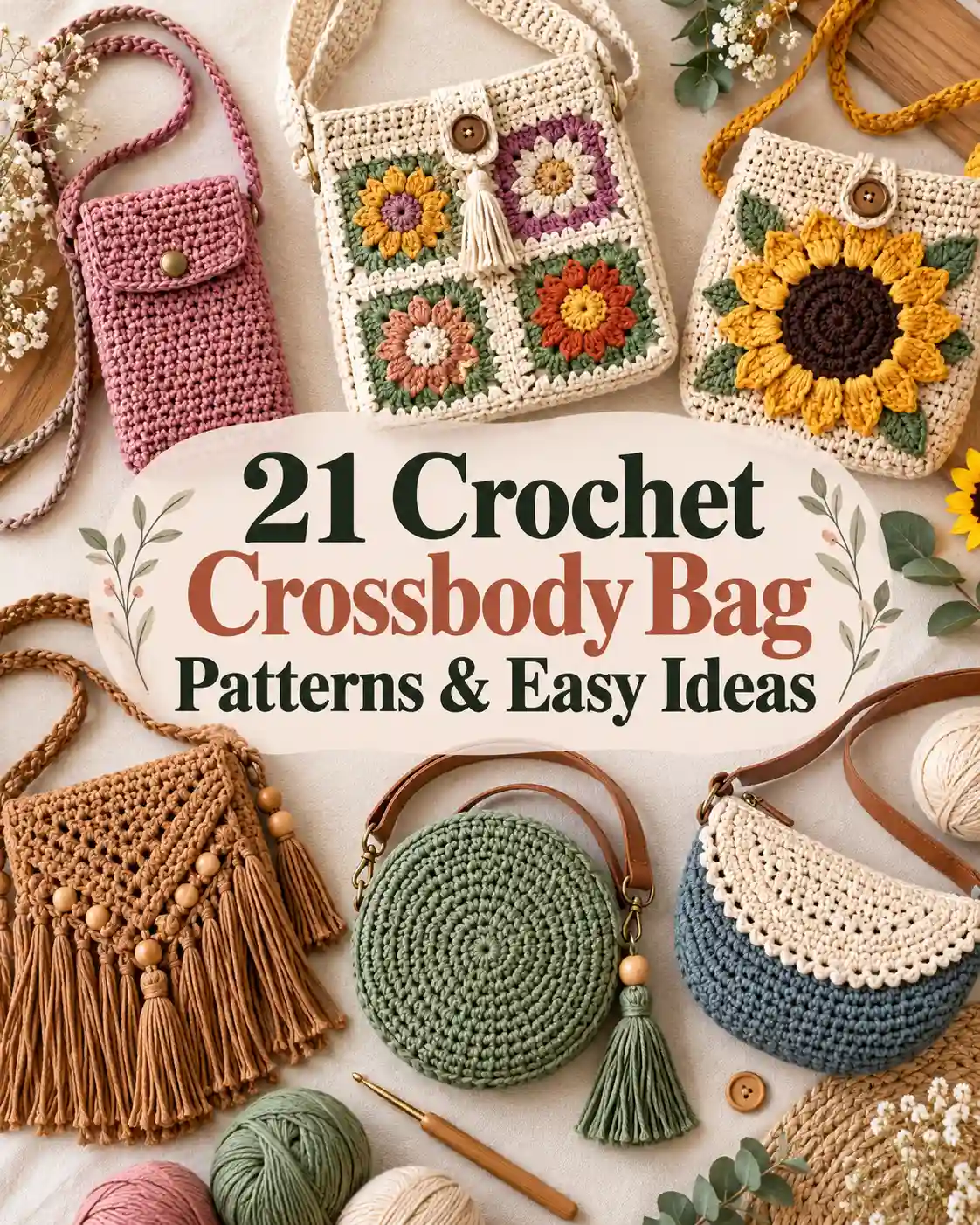
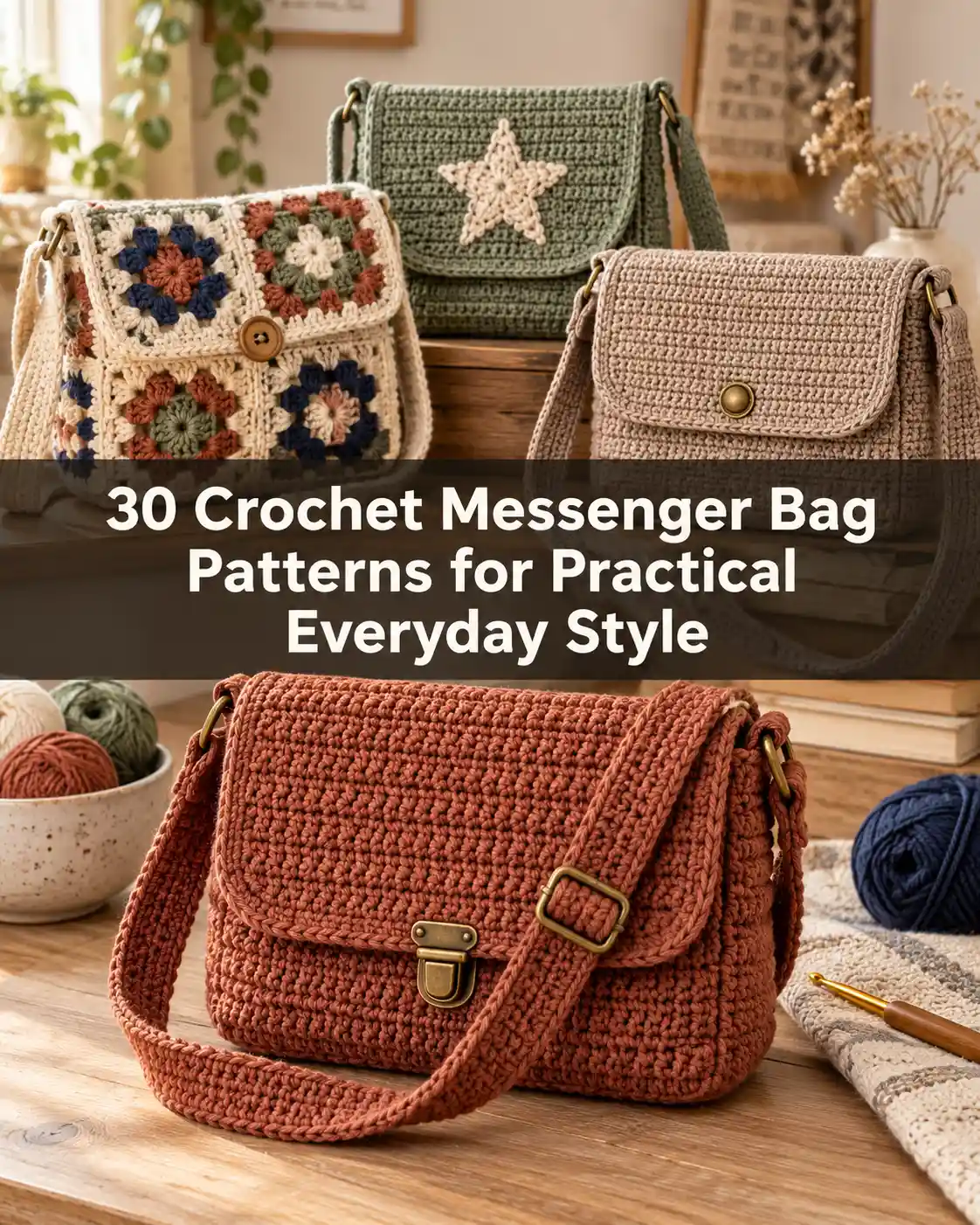
An easy crochet bag starts with a manageable shape, stitches you already know, and a pattern that explains the finishing. These 21 patterns and tutorials cover everyday totes, small purses, market bags, and drawstring pouches, with options for first-time bag makers and confident beginners.
If you have been looking at handmade bags and wondering where to begin, start with something you can imagine using this week. A little phone pouch, a reusable shopping bag, or a simple tote gives your practice a clear purpose. You do not need to choose the most eye-catching design first; choose the one whose stitches and finishing feel within reach.
Key Takeaways
- Match the bag’s construction to stitches you already know.
- Compare Easy crochet bag patterns before choosing your project.
- Check each designer’s materials, terminology, and access requirements.
- Swatch before committing to the finished bag.
- Plan straps, seams, and closures before assembly.
- Choose fabric that suits the items you will carry.
Some projects need extra skills, including color changes, sewing a zipper, or joining motifs. The links take you to the designers’ instructions; free online access may sit alongside a paid printable PDF, and one listed pattern requires a free subscription.
Which Easy Crochet Bag Pattern Should You Try First?
Choose a rectangle-based bag if you prefer rows, or a small drawstring pouch if you are comfortable working in rounds.
At a Glance
- Match construction to your current skills.
- Check the finishing before choosing.
- Start small when learning a new technique.
- Save colorwork for steady stitch counts and tension.
Start with a rectangle-based bag if working in rows feels comfortable. Choose a small pouch if you would rather practice rounds without committing to a large tote. Save colorwork for when you can maintain a steady stitch count and tension.
The Craft Yarn Council distinguishes Basic projects using basic stitches, sometimes with basic increases or decreases, from Easy projects that may introduce simple stitch patterns, colorwork, or shaping. That distinction helps explain why two beginner-friendly bags can feel quite different to make.
| Bag choice | Useful starting skills | Best everyday use | Extra task to expect |
|---|---|---|---|
| Folded rectangle crossbody | Double crochet in rows | Carrying everyday essentials | Folding and seaming |
| Simple everyday tote | Single crochet; rows and rounds | Notebook, wallet, and small purchases | Working around the base |
| Produce bag | Chains and simple mesh | Keeping loose produce together | Adding a drawstring |
| Phone pouch | Single crochet in rounds | Taking your phone on a short outing | Checking fit and strap length |
| Granny square bag | Making matching squares | A colorful casual accessory | Joining motifs |
| Gingham tote | Consistent stitches and color changes | An everyday bag with checked fabric | Managing several yarn colors |
The skills above are a project-selection guide. Check each designer’s terminology, materials, and construction notes before starting.
Which 21 Easy Crochet Bag Patterns Are Worth Exploring?
Explore the 21 linked designs by intended use, construction, and finishing requirements, from compact pouches to everyday totes and market bags.
At a Glance
- Choose totes for roomier everyday carrying.
- Consider pouches for small, specific essentials.
- Try mesh designs for produce and shopping.
- Explore granny designs when clusters or motifs feel familiar.
- Check extra skills before choosing zippers or colorwork.
21 Easy Crochet Bag Patterns for Beginners
1. Why Start With a Folded Rectangle Crossbody Bag?
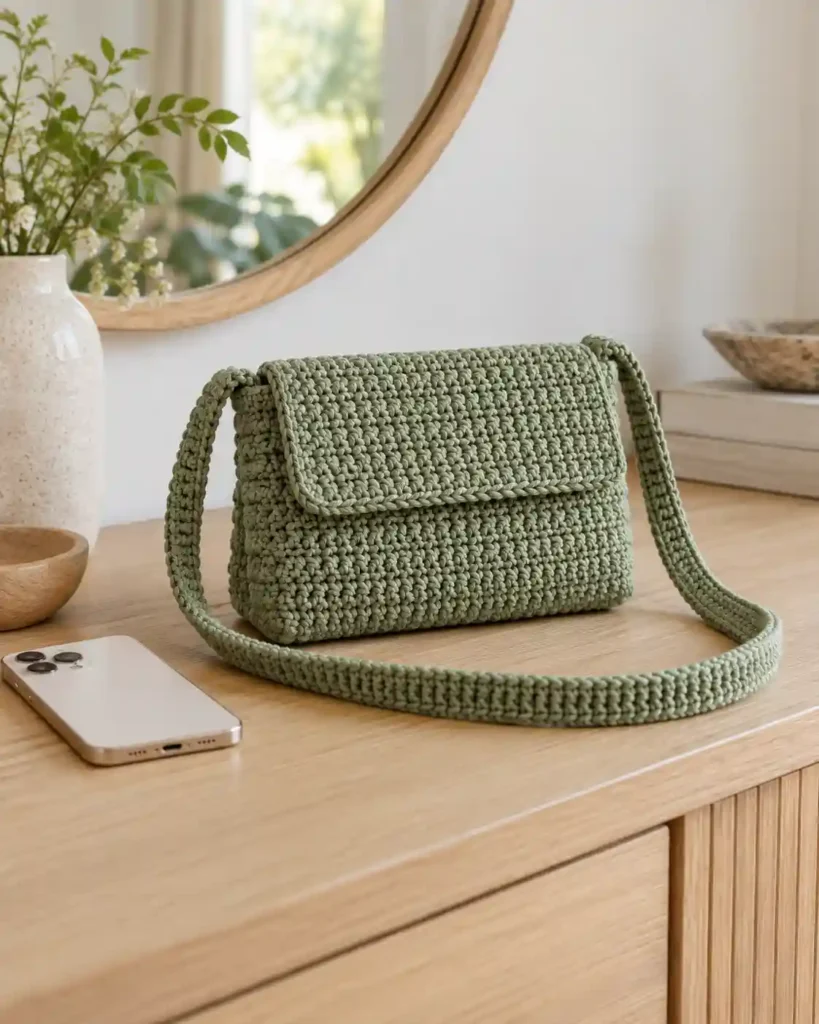
The folded rectangle crossbody turns familiar rows into a bag with an unexpectedly interesting shape. Its appeal is the folding: you build a flat piece before tackling the assembly. Picture it holding your wallet and sunglasses when you want both hands free. For someone moving beyond scarves, this is an approachable way to make something wearable.
VivCrochets’ version uses double crochet and lists 156 grams of medium-weight cotton with a 4 mm hook. Follow its folding photos carefully; the finished opening is V-shaped, rather than a conventional flap closure.
2. What Makes a Flat-Base Everyday Tote Useful?
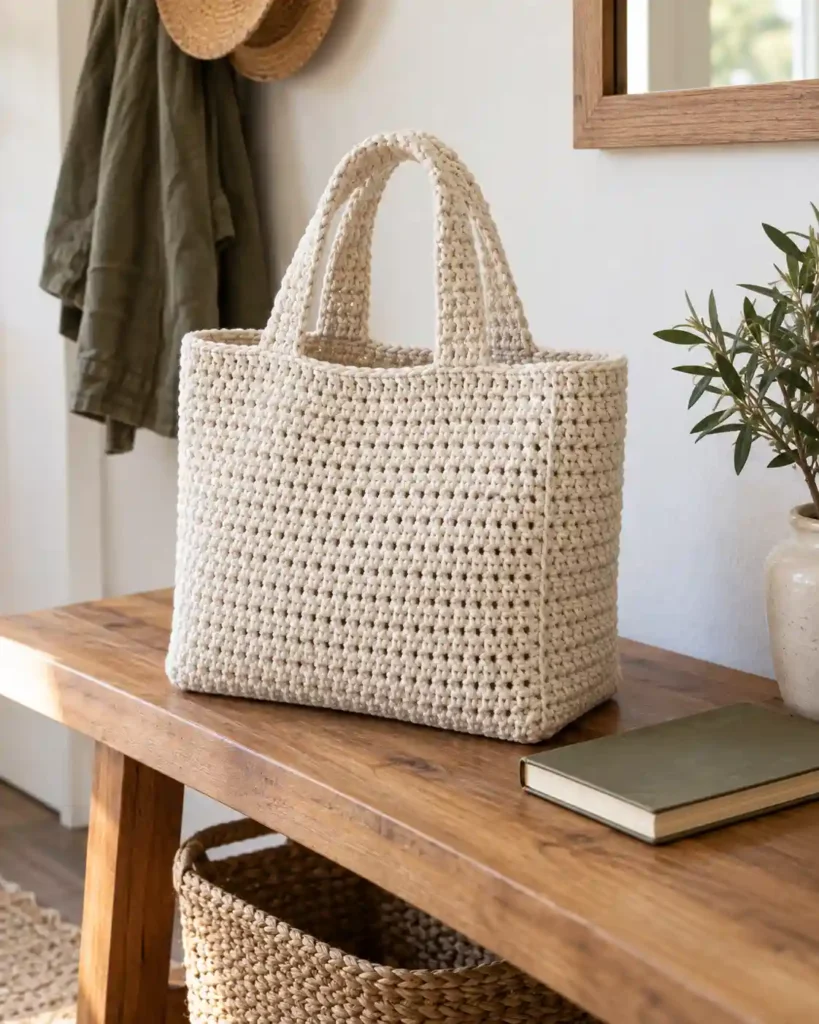
A crochet tote bag pattern and instructions can give your belongings more room than a narrow envelope purse. The rectangular bottom adds depth without needing several separate panels. It is an appealing choice for the notebook-and-wallet combination that follows you from desk to coffee shop. Beginners who enjoy repetition can concentrate on even stitches while building a practical bag.
VivCrochets’ Simple Tote begins with a rectangular base, then works around it to form the body. Mark the transition between base and sides, and review the strap instructions before reaching the top.
3. Why Choose a Mesh Market Bag?
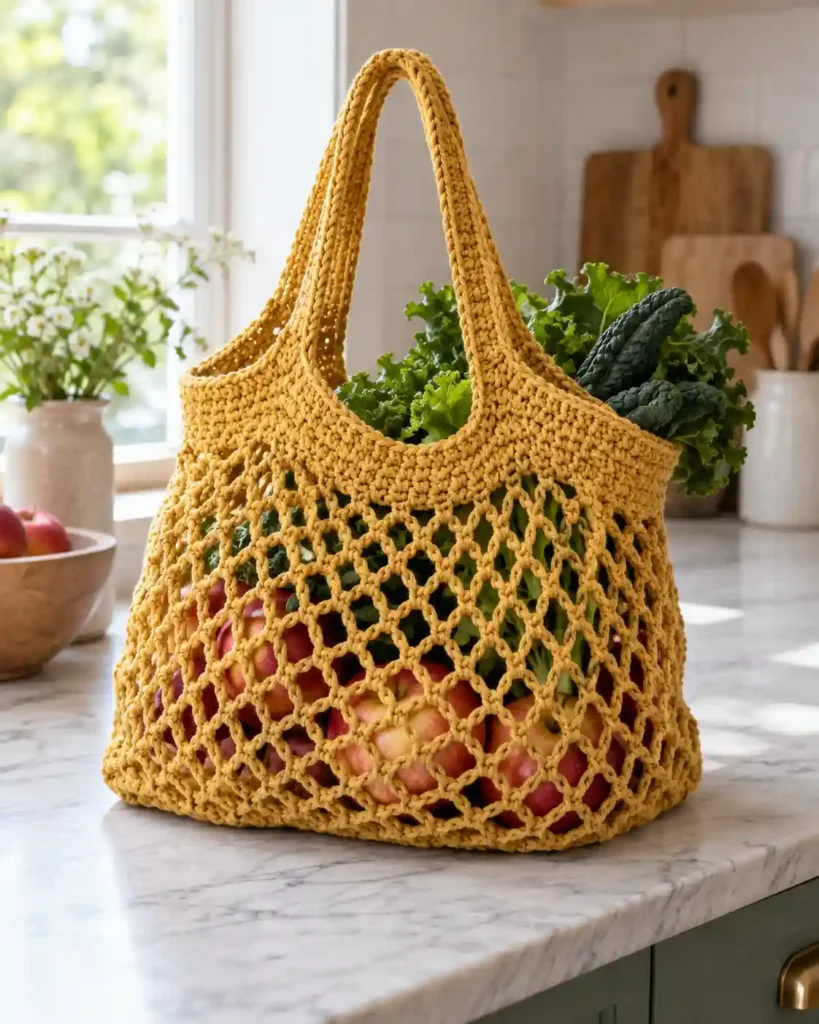
A mesh market bag makes the open spaces part of the design. Its flexible fabric accommodates produce differently from a firm little handbag. Imagine picking up apples, a loaf of bread, and a bunch of greens on your way home. This suits makers who want a useful shopping bag and are ready to follow a repeating stitch pattern.
Stitchberry’s Summer Harvest Bag supplies the market-bag option here. Keep tiny purchases inside a separate pouch, and remember that an expandable shape does not establish a tested weight limit.
4. When Would You Use a Drawstring Produce Bag?
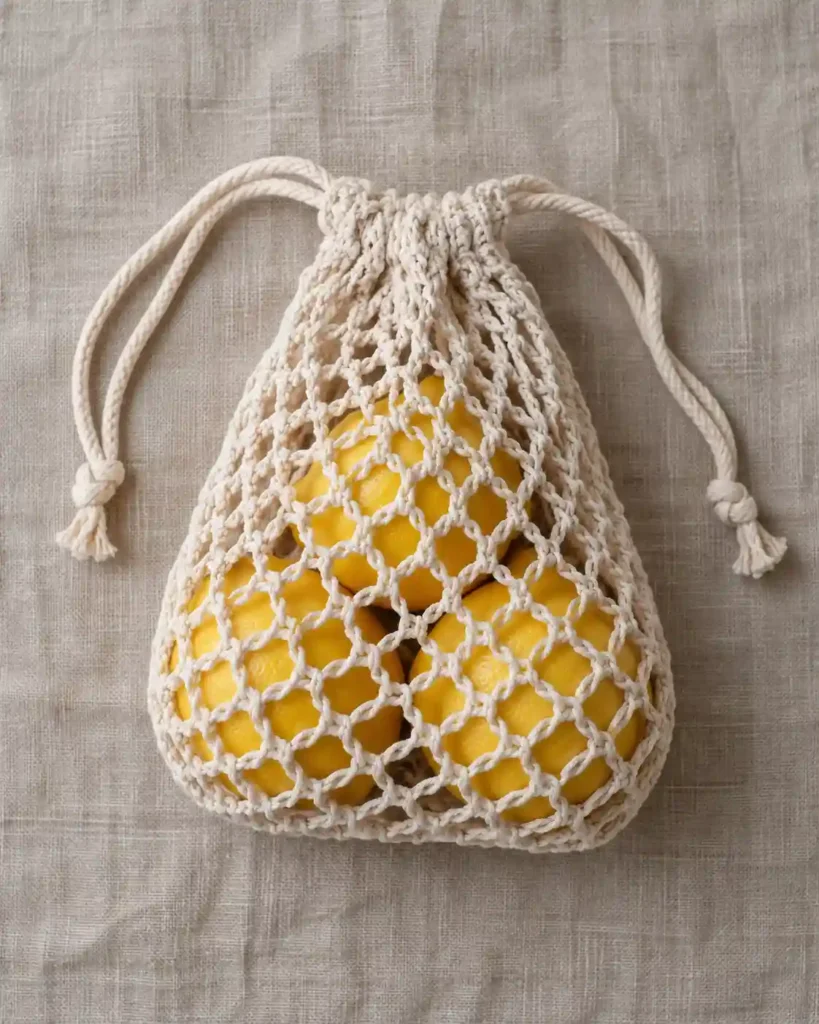
A drawstring produce bag keeps loose fruit together inside your larger shopping tote. The closure is its useful detail: pull the cord and the opening gathers shut. It makes sense for the handful of lemons that otherwise rolls around beside your groceries. Beginners looking for a smaller mesh project can practice the construction without making a full-size carrier.
Crochetpedia offers a free written pattern and video for this style. Follow the designer’s mesh repeat, then check that the finished cord passes smoothly through the top before securing its ends.
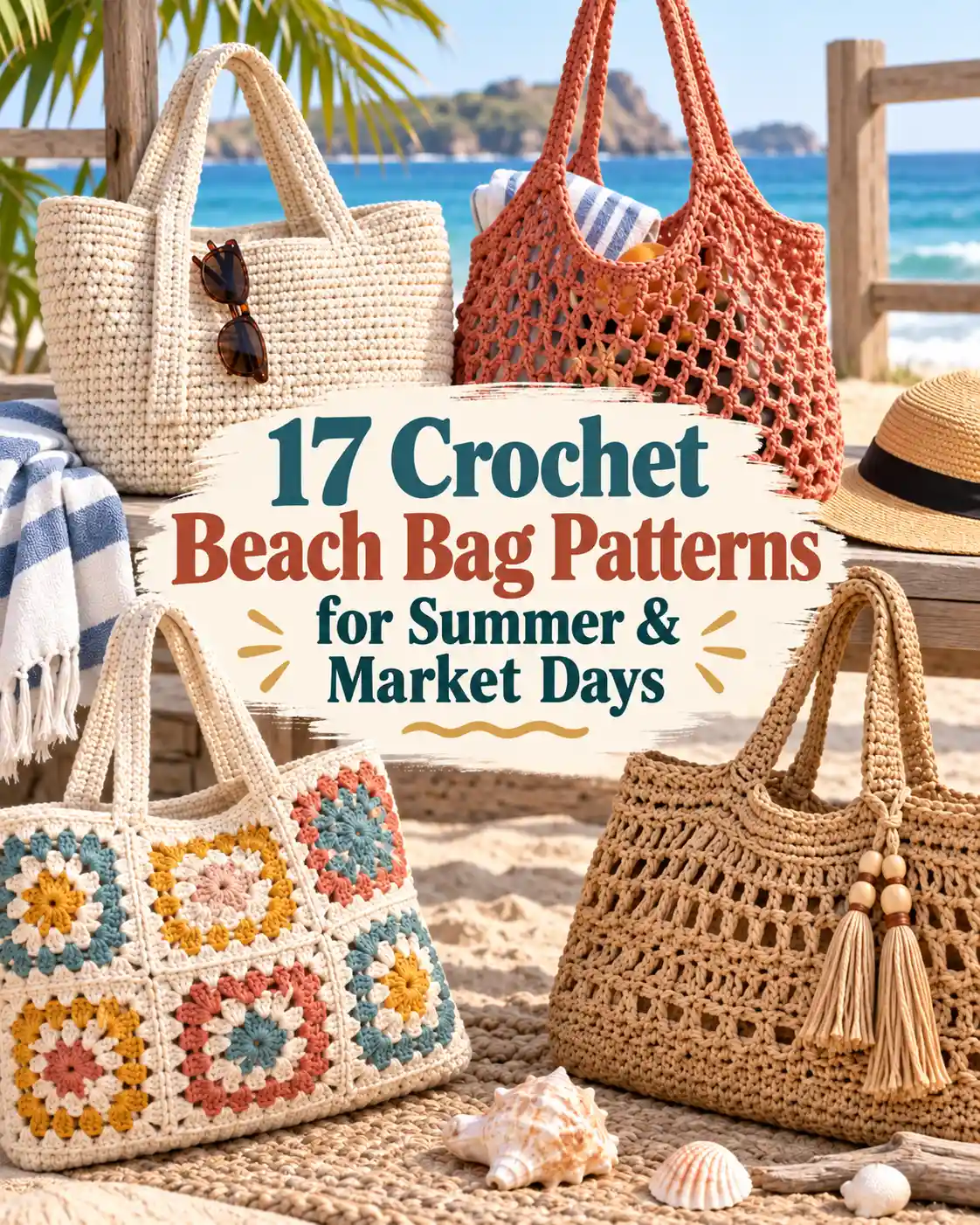
5. What Should You Look for in a Beach Bag?
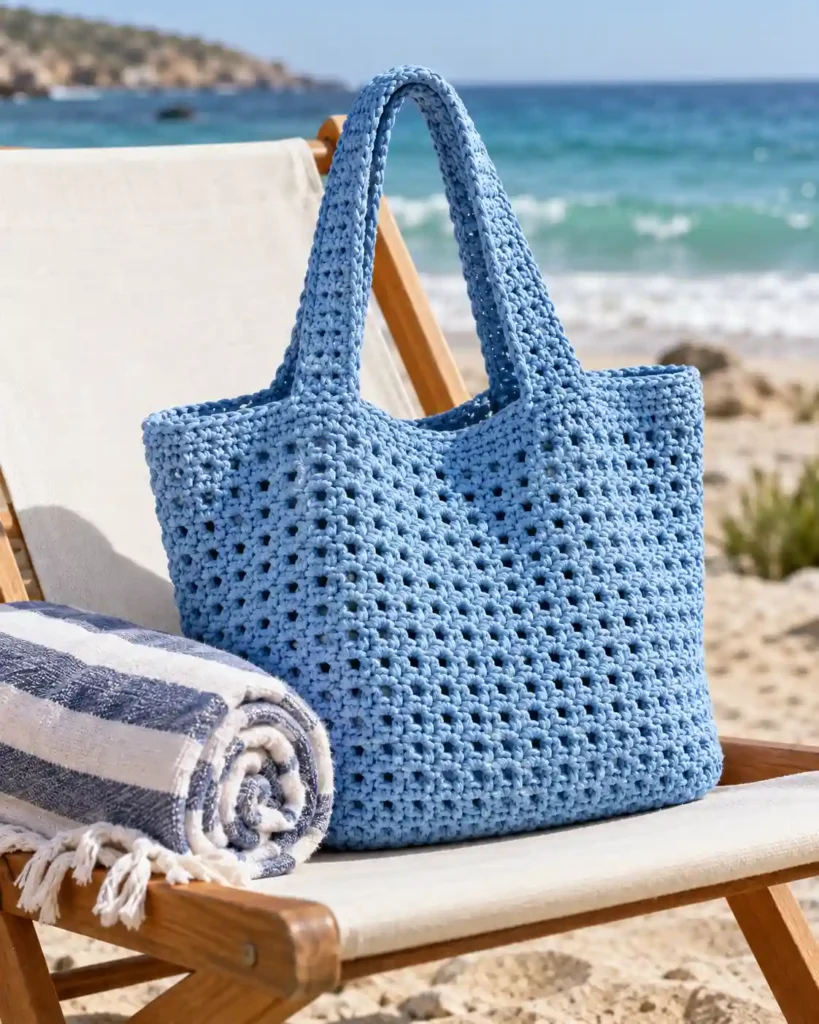
A crochet beach bag earns its space by holding the bulky things a small purse cannot. A roomy body and substantial handles make more sense here than intricate embellishment. Think of packing a rolled towel and a separate pouch for sunscreen before heading out. This is a useful next project for beginners who already understand basic stitches and simple seams.
Handy Little Me’s beach bag combines single crochet with treble crochet sections. Check the pattern’s yarn requirements before substituting materials, and keep valuables in a closed inner pouch.
6. Why Make a Simple Shoulder Bag?
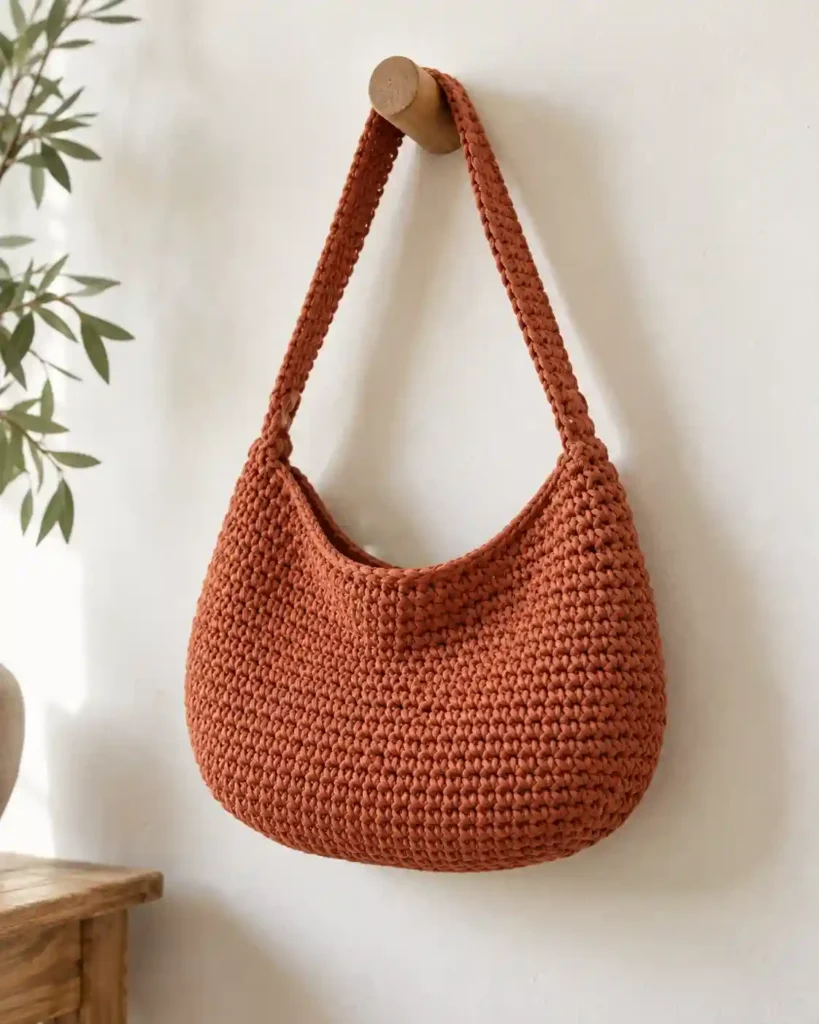
The simple shoulder bag offers a neat silhouette that works with everyday clothes. Its compact shape feels different from a roomy shopping tote, while still giving you a satisfying bag project. It belongs on the days when a wallet, keys, and a phone are enough. Makers who prefer minimal assembly will appreciate VivCrochets’ mostly one-piece construction.
The designer explains how to adjust the bag’s length. Consider the finished strap drop as well as the body size; those two measurements determine how the bag sits under your arm.
7. Is a Chunky Mini Handbag a Good Small Project?
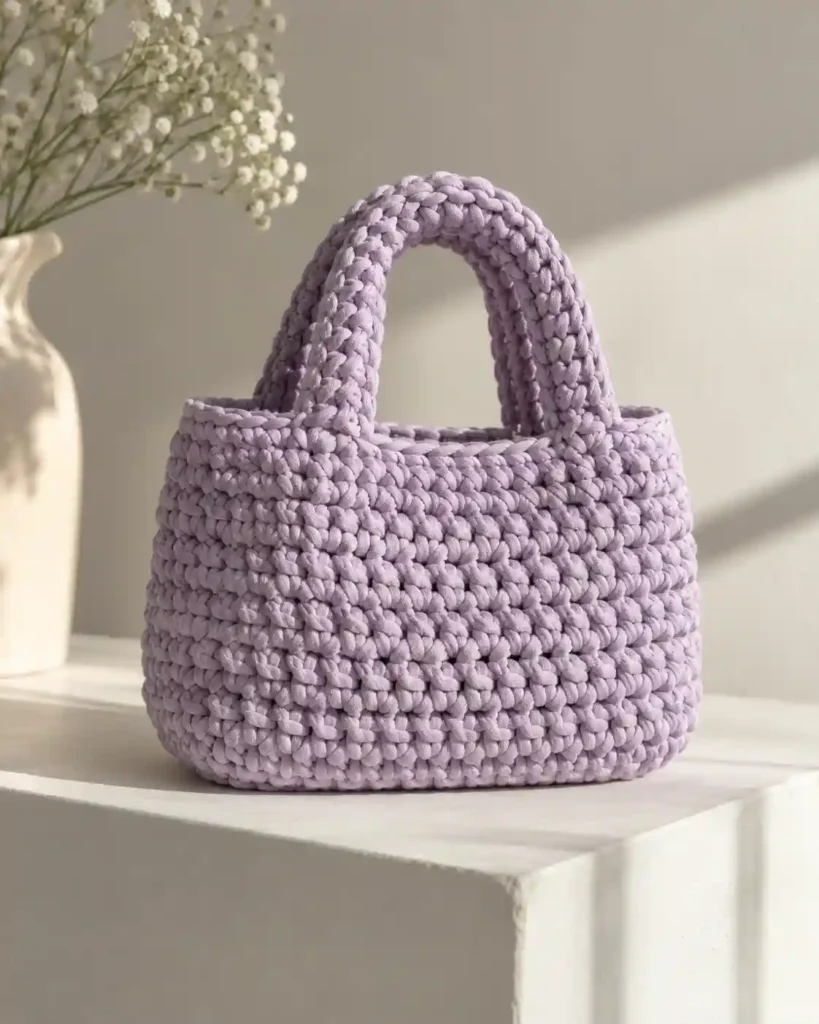
A crochet mini bag puts the stitch texture in the spotlight. Its small body gives bold yarn a useful stage without committing you to a large tote. Picture a bright little accessory carrying the essentials for a casual evening. A video-led project can suit beginners who learn best by watching how the hook moves.
Dezzyloops provides a free Mini Chunky Handbag tutorial. Watch the materials and assembly sections before buying yarn, and allow time for handles and finishing rather than assuming thick yarn guarantees speed.
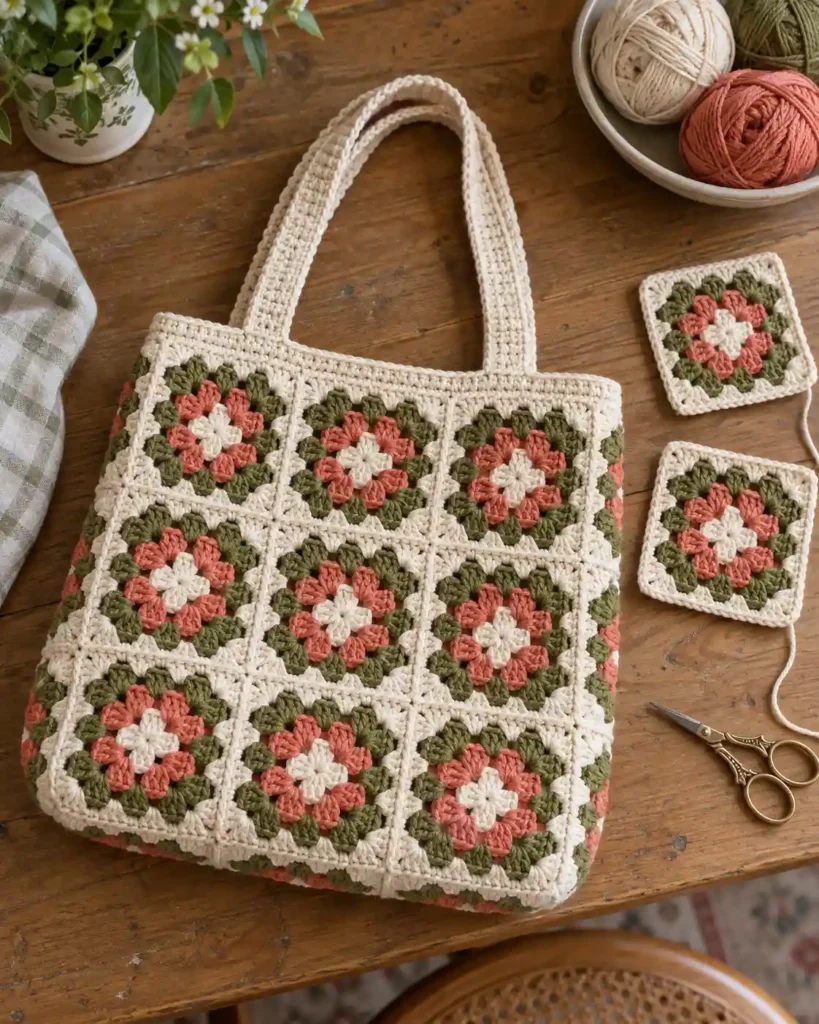
8. Why Join Granny Squares Into a Bag?
Crochet granny square patterns let color do much of the styling. You can work on the motifs separately, which makes the project easy to pause between sessions. It is a cheerful option for carrying a book on a relaxed afternoon. Anyone already comfortable making squares can use this bag to practice bringing separate pieces together.
VivCrochets’ linked design uses three granny squares. Check their finished dimensions before joining; a square that is noticeably larger than the others can make assembly awkward.
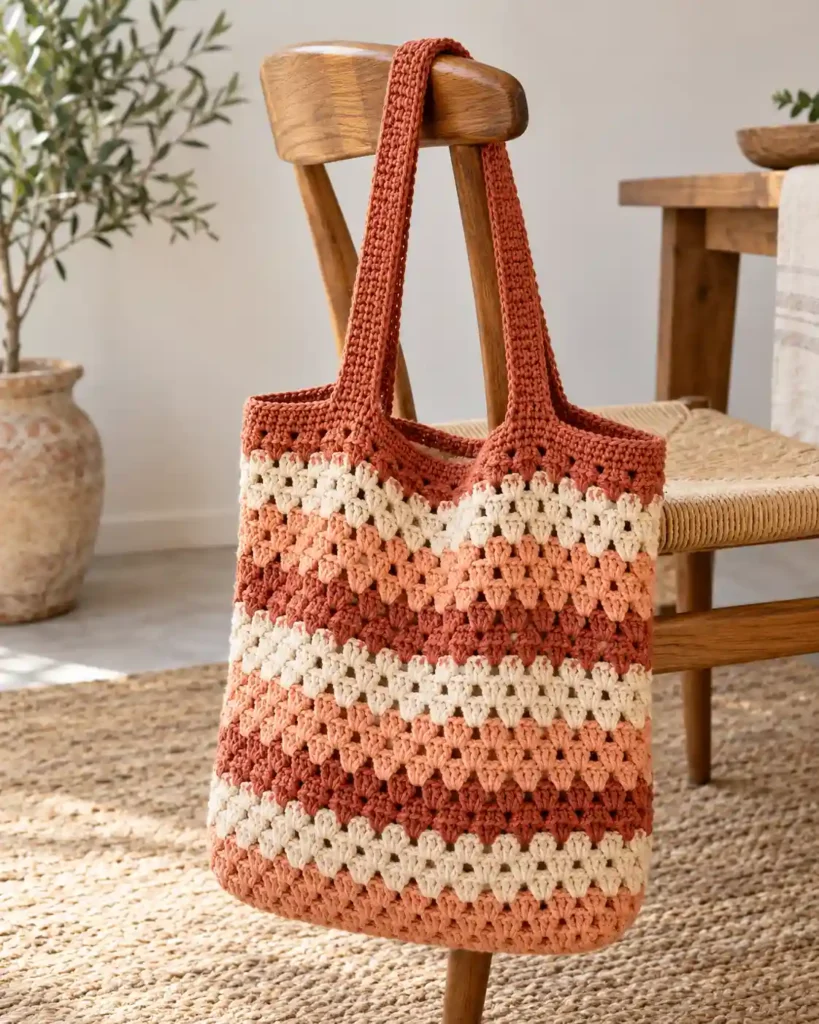
9. How Is a Granny Stitch Tote Different?
A granny stitch tote creates its familiar clusters in continuous fabric. That gives you the granny look through repeating rows or rounds rather than a collection of joined squares. It is a good match for someone who enjoys changing stripe colors while watching a show. Choose it when the stitch repeat appeals more than sewing motifs together.
VivCrochets provides a written pattern and video for this tote. Plan the stripe sequence before starting, and consider a lining if you intend to carry items smaller than the fabric’s openings.
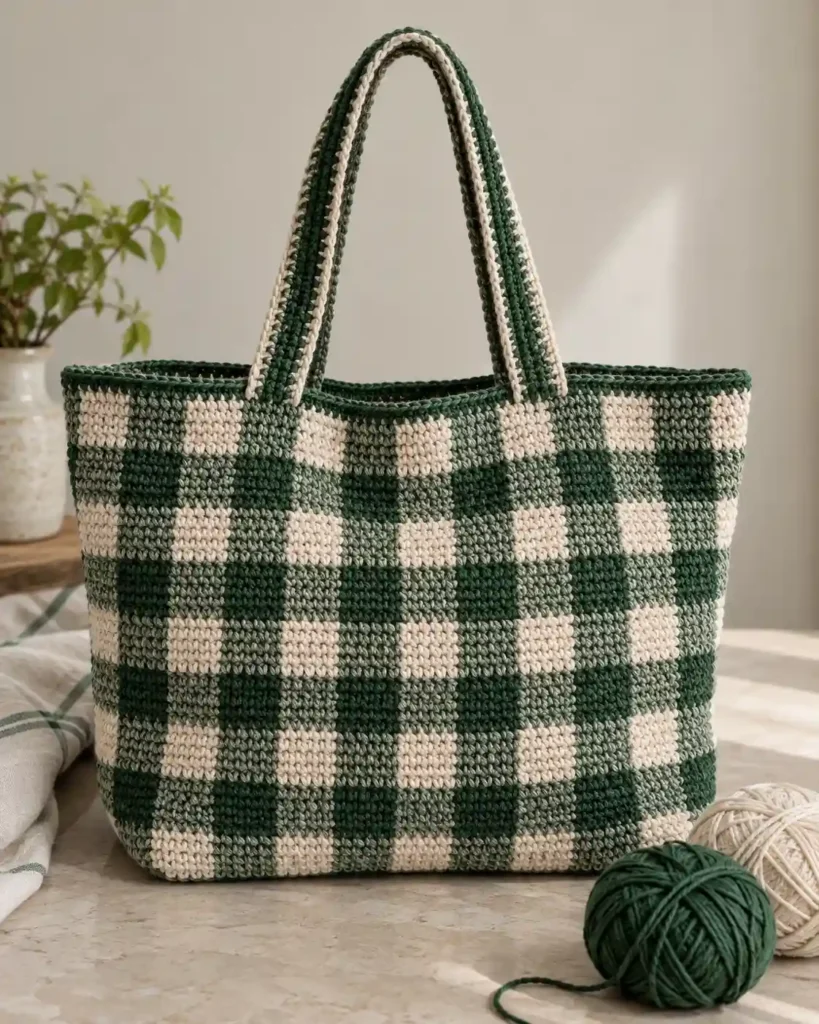
10. When Are You Ready for a Gingham Tote?
A gingham tote brings a crisp checked pattern to a familiar bag shape. Color management supplies the challenge, while the construction stays recognizable. Imagine a soft blue check beside a plain summer outfit. This is better for a confident beginner who can keep tension steady while switching colors.
The linked VivCrochets gingham version uses light, medium, and dark shades. Read the color notation first; a two-color checkerboard and a three-shade gingham effect are different choices, even when the silhouettes look similar.
11. Why Pick a Slouchy Hobo Bag?
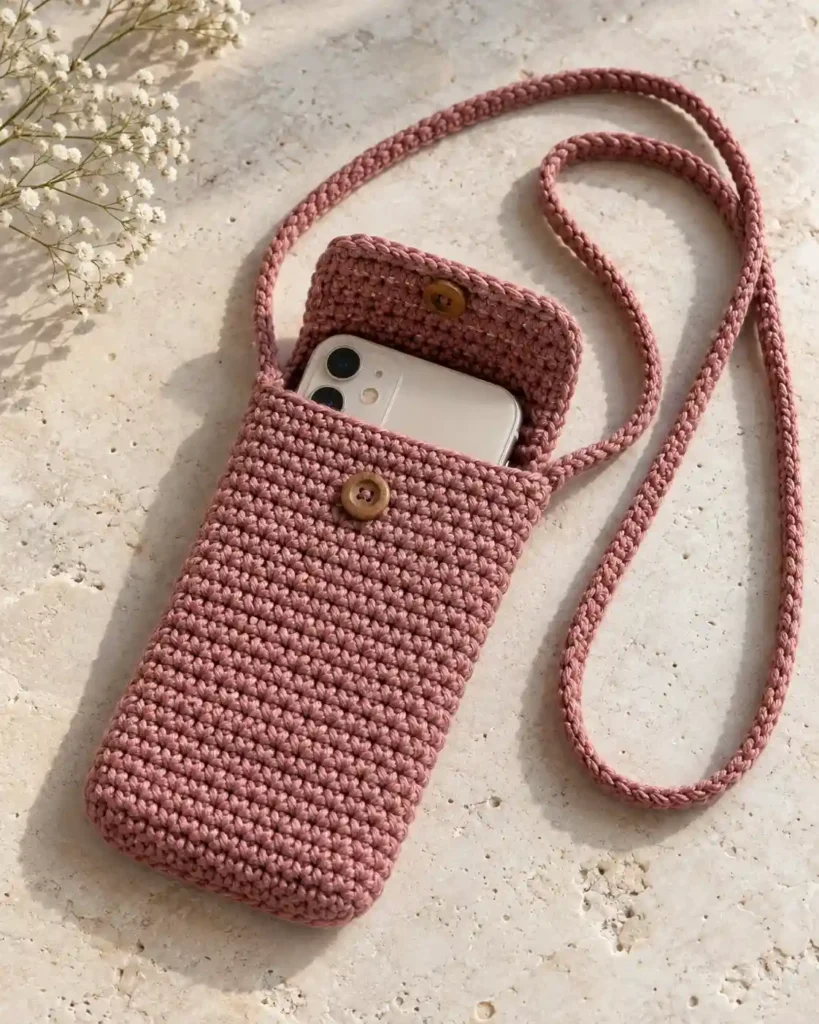
A slouchy hobo bag makes a relaxed shape feel intentional. Its softer outline has a different character from a structured tote with a defined base. It works for the casual outing where you want a bag that sits comfortably against your side. Makers drawn to simple styling can focus on the body and strap rather than decorative extras.
VivCrochets’ Everyday Hobo includes minimal sewing and a video tutorial. Test the completed strap with your usual light essentials, then decide whether additional reinforcement would suit your use.
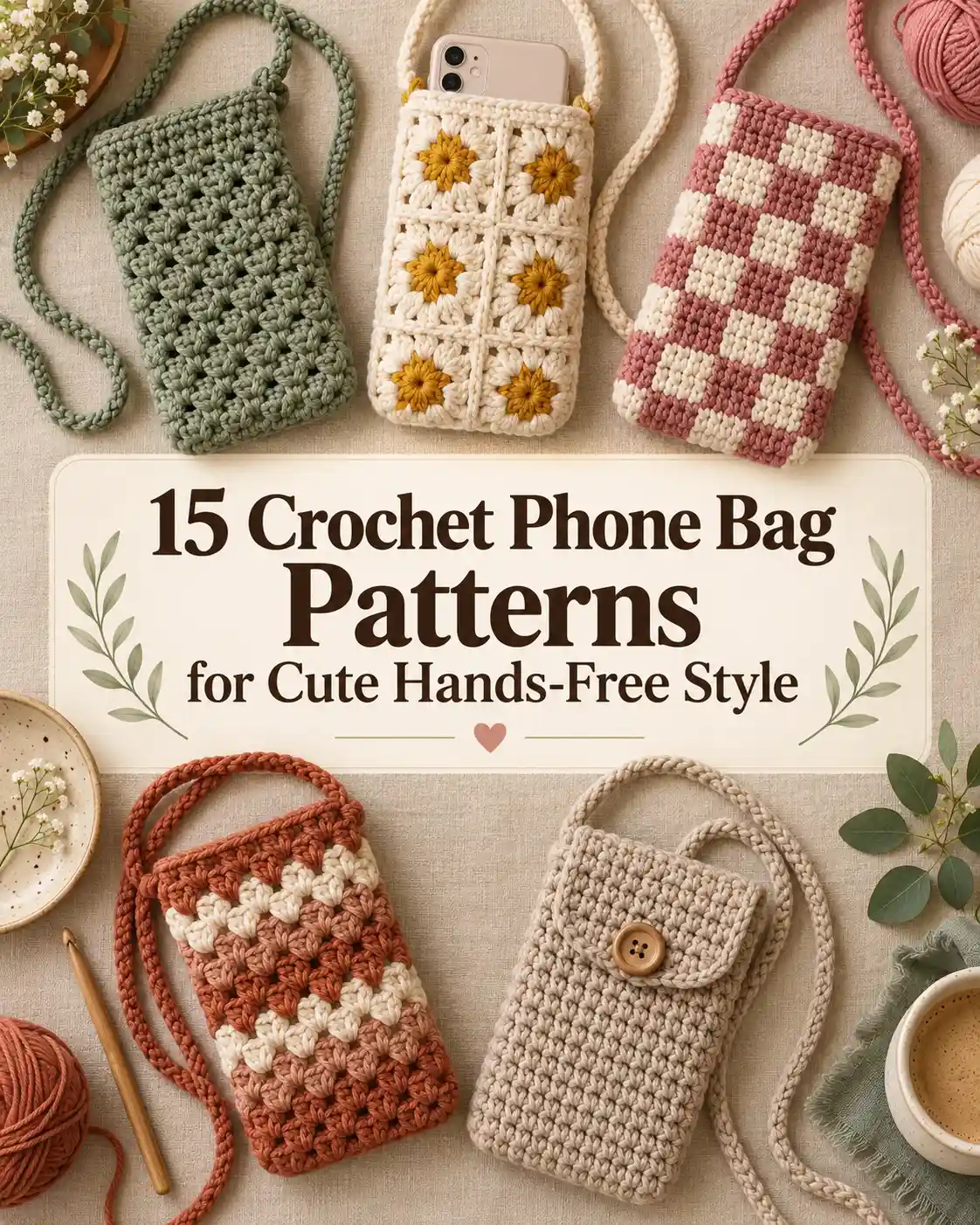
12. What Makes a Phone Crossbody Pouch Practical?
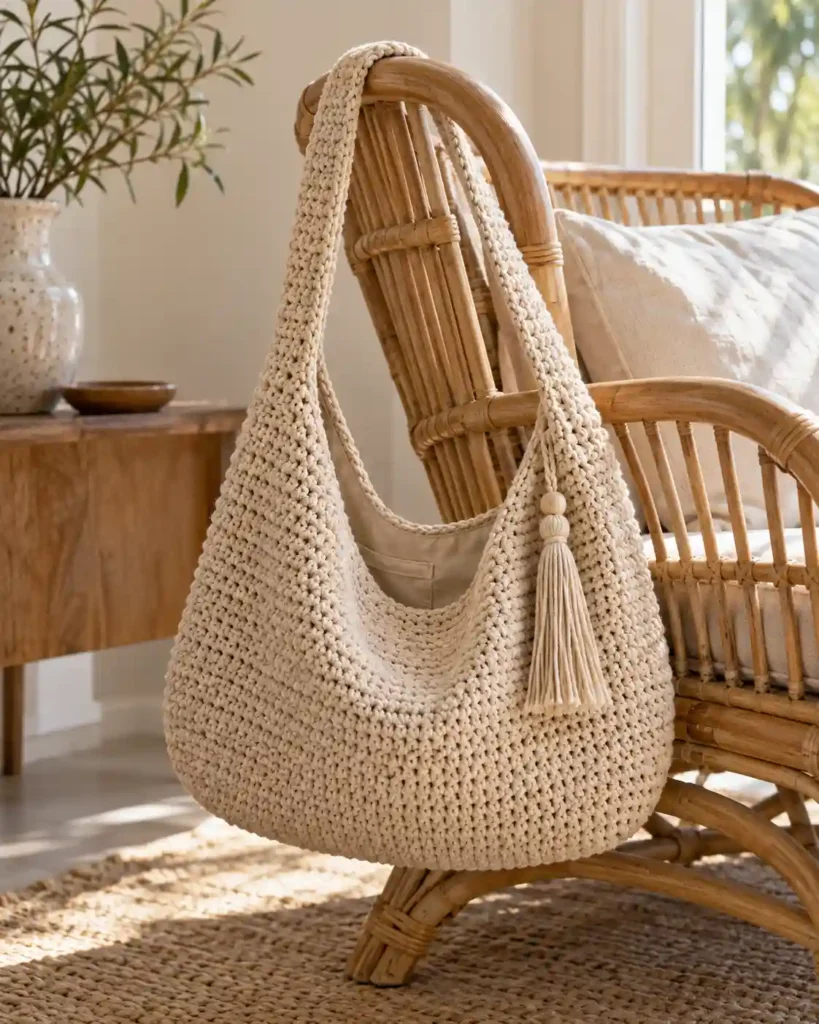
A crochet phone bag gives one everyday object its own place. The smaller shape is easier to fit to your needs than a general-purpose tote. Think of the short walk when you want your phone accessible without filling a pocket. It suits beginners who prefer a compact project with a clearly defined purpose.
Baby Crochet Designs’ Simple Phone Bag includes adaptable sizing guidance. Measure your phone with its case, check the opening, and assess whether you want a closure before choosing this open-top design.
13. Why Add a Zipper to a Makeup Pouch?
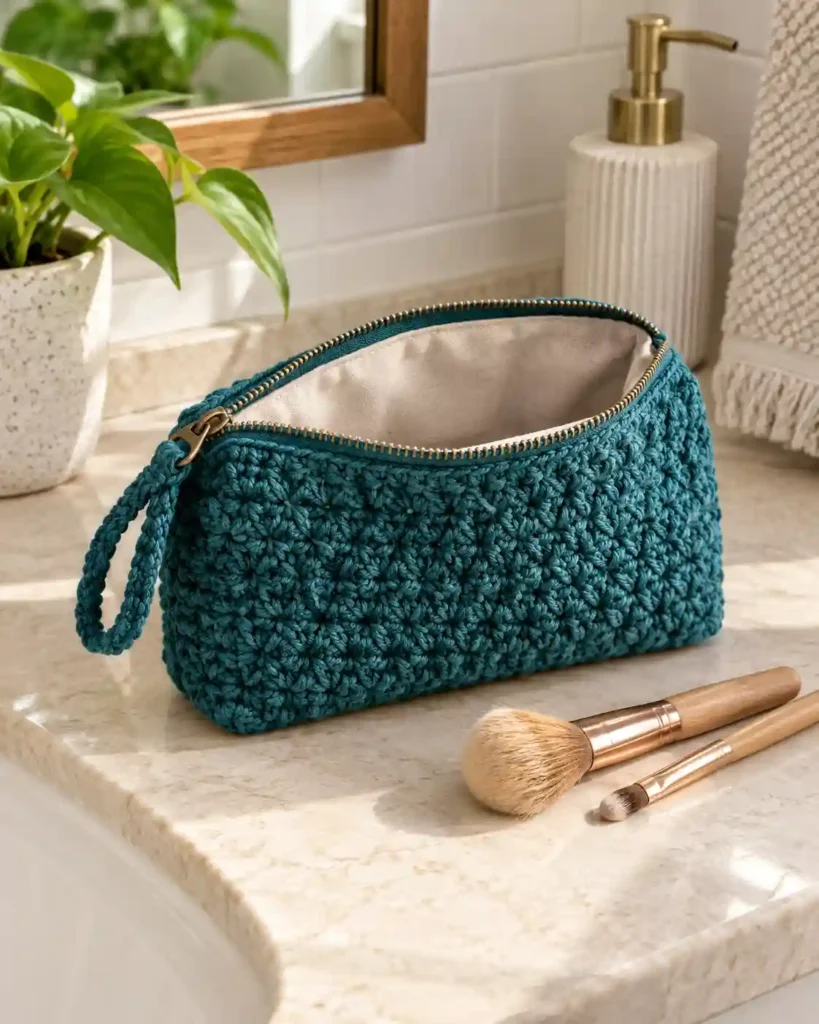
A zipped pouch keeps little items together when an open bag cannot. The crochet exterior provides the handmade texture, while the zipper supplies a dependable opening. It is useful for brushes, lip balm, or the small tools that disappear inside a tote. Choose this project when you are comfortable learning a little sewing alongside crochet.
Nicki’s Homemade Crafts’ Easy Zipper Pouch uses linked half double crochet, a technique explained on the site. Review both the stitch and zipper-finishing guidance before starting; “easy” includes those additional skills.
14. Can One Rectangle Become a Foldover Clutch?
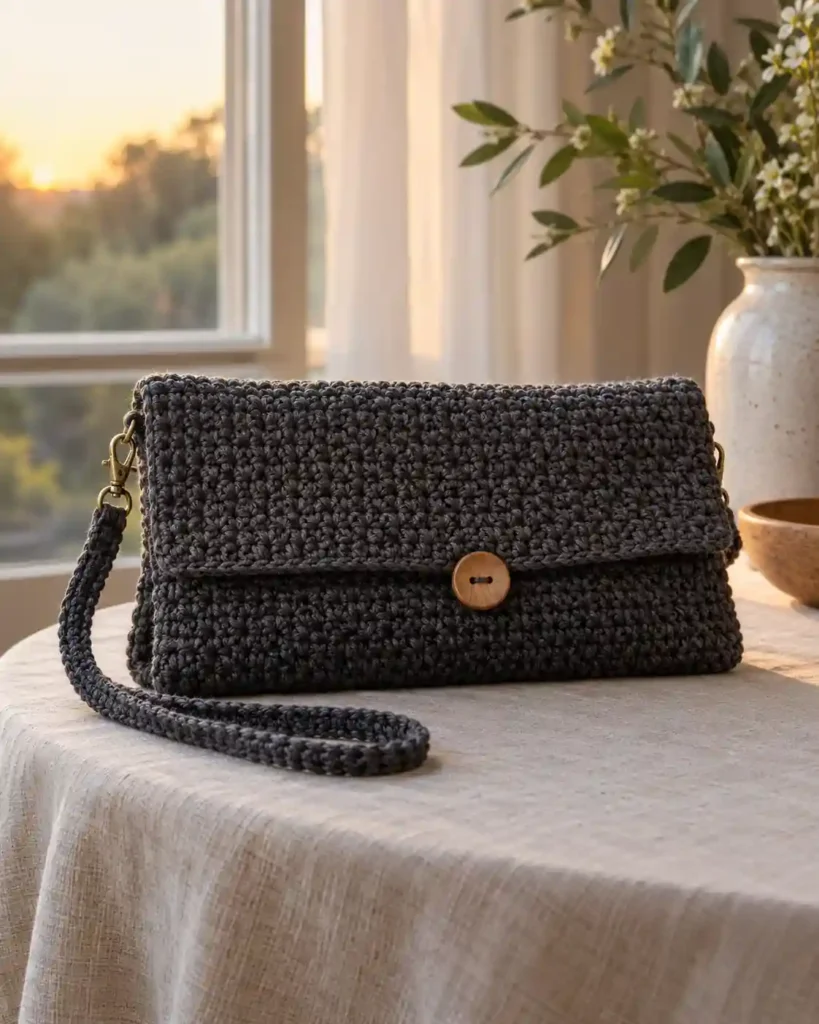
A foldover clutch shows how much a simple panel can do. Folding creates the pocket and flap, so complicated shaping is unnecessary. It is an appealing accessory for an evening when you only need a few essentials. Beginners who enjoy single crochet can make the fabric, then take their time over the finishing.
Wilmade’s Paparazzi Clutch adds a clasp and handle to its folded rectangle. Its written pattern is free for blog subscribers; the printable PDF is paid. Check the hardware requirements as well as the yarn.
15. Why Try a Drawstring Bucket Bag?
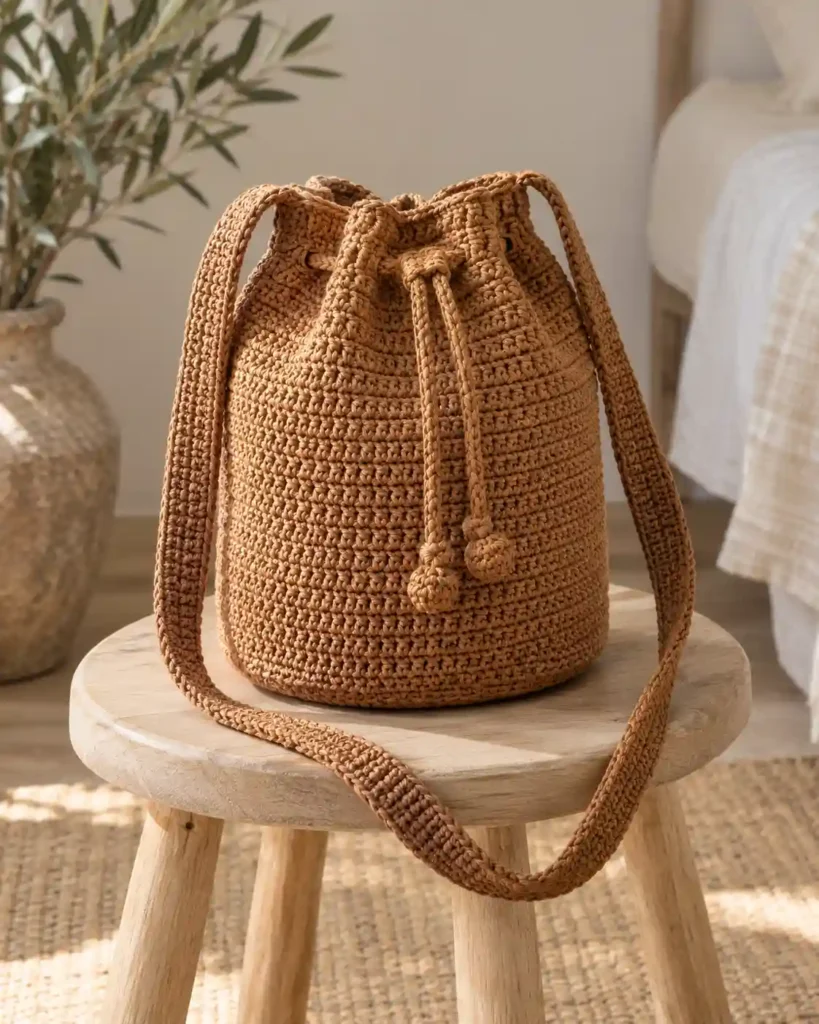
A bucket bag gives you upright sides and a gathered opening in one recognizable shape. The circular base provides depth that a flat pouch lacks. Picture it holding a wallet, sunglasses case, and a small pouch during an afternoon out. It is a useful step forward for beginners ready to count increases in the round.
My Poppet’s version combines the crocheted body with a removable strap and separate drawstring cords. The designer lists a 25 cm height and 20 cm base diameter, which helps you judge the intended size before starting.
16. When Is a Small Messenger Bag the Better Choice?
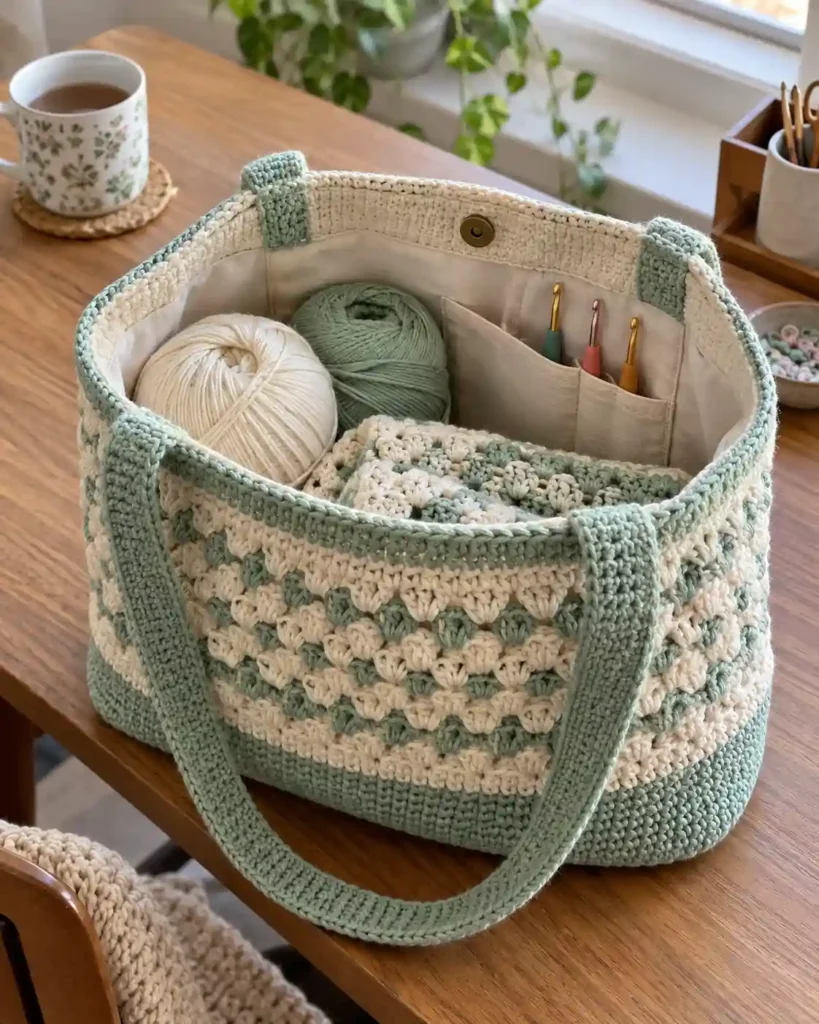
A crochet messenger bag offers more organization than a tiny phone sleeve. Its wider body and flap suit belongings that need a little extra room. Think of carrying a notebook to a café without taking a full-size work bag. Beginners interested in a more substantial accessory can choose a size that matches their plans.
HanJan Crochet’s Quotidian Satchel comes in three sizes, with the smallest listed at 28 × 22 × 12 cm. Check whether the instructions use UK or US stitch names before following them.
17. Why Crochet a Yarn Project Bag?
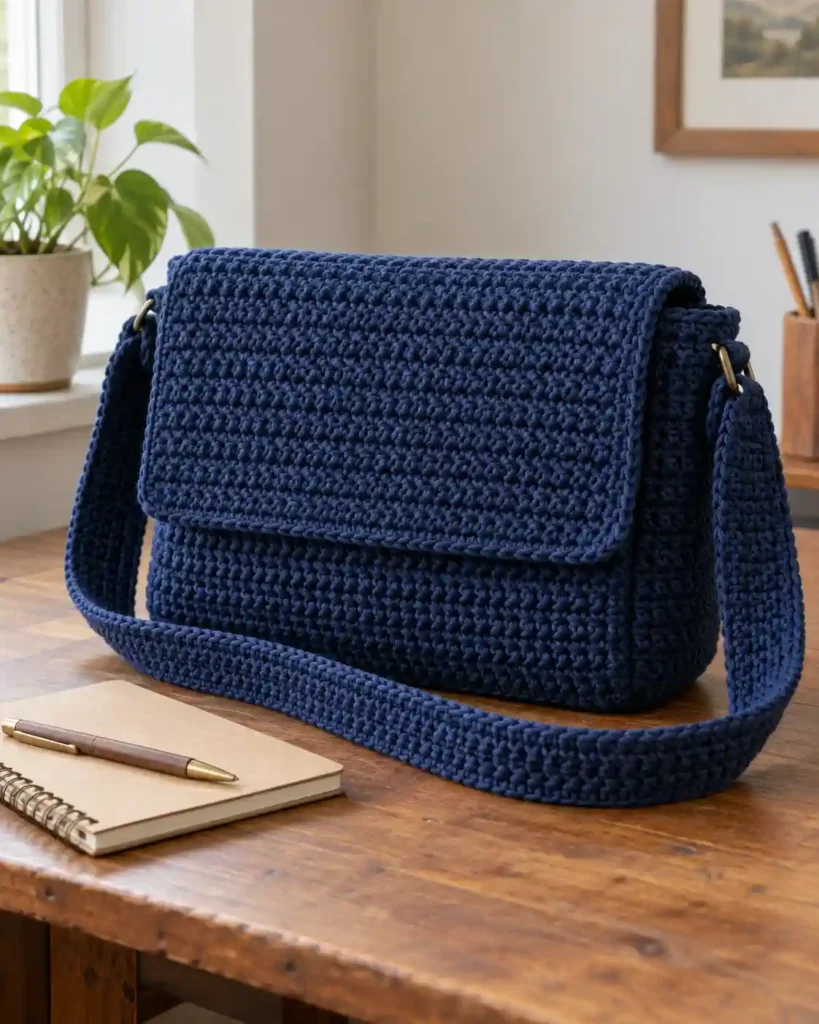
A project bag gives your current work a home between sessions. Its purpose is more specific than a handbag: keep the yarn and project ready to pick up together. It makes sense beside your favorite chair or on the way to a crochet group. Makers who want their crochet to support their hobby will find this especially satisfying.
For The Frills’ Adley Project Bag has a circular base and broad handle, with a one-piece construction. Choose the size for your actual project; a small accessory and a growing blanket need different space.
18. What Makes a Reusable Gift Bag Worth Making?
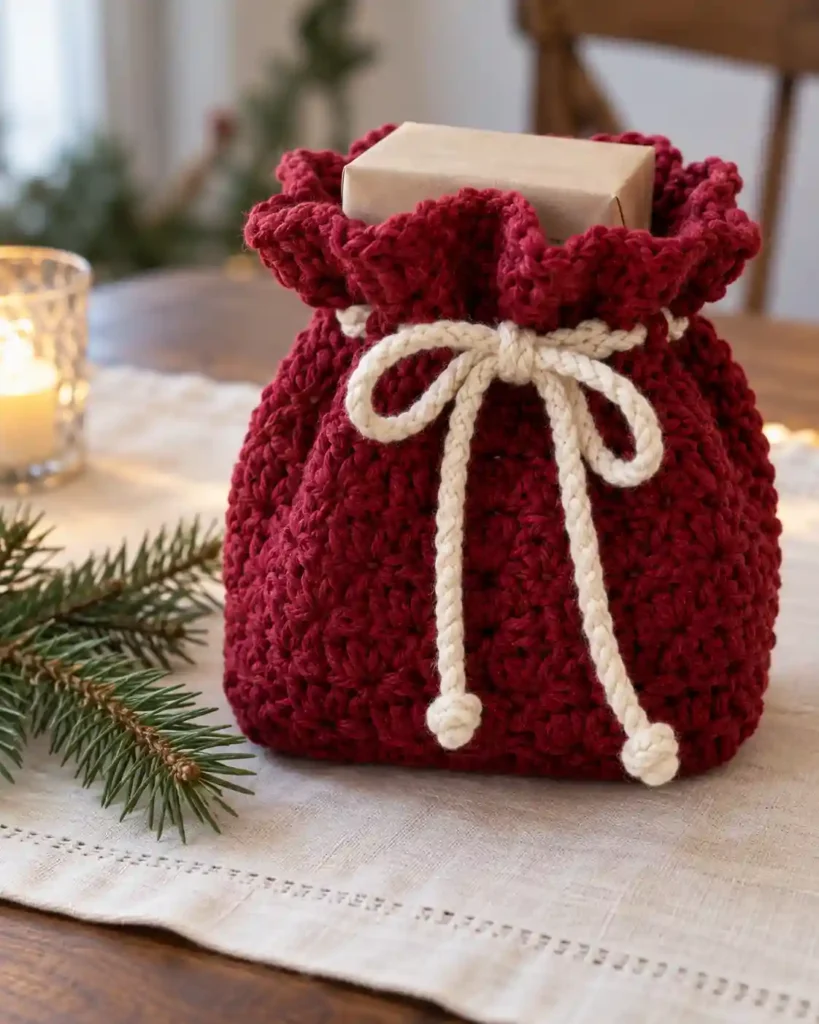
A reusable gift bag turns the wrapping into part of the present. Its drawstring opening is useful long after the original gift has been taken out. Imagine a little pouch holding a boxed keepsake, then becoming storage for small essentials. This suits beginners who want a compact project with room for simple color customization.
VivCrochets’ Basic Drawstring Pouch is designed for everyday items or gifting. Check the gift’s dimensions first, and keep decorative changes separate from the instructions for the main bag.
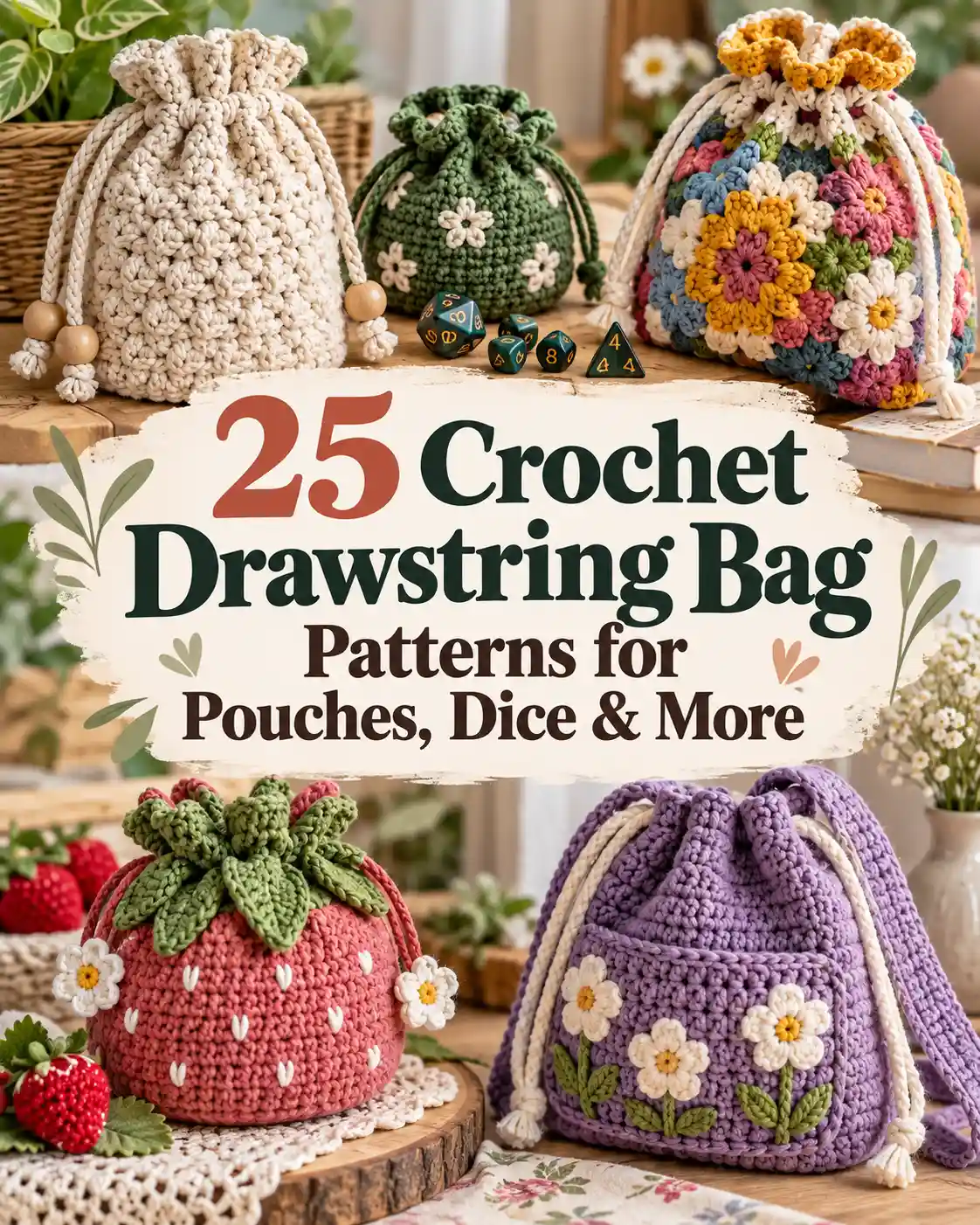
19. Why Make a Drawstring Dice Bag?
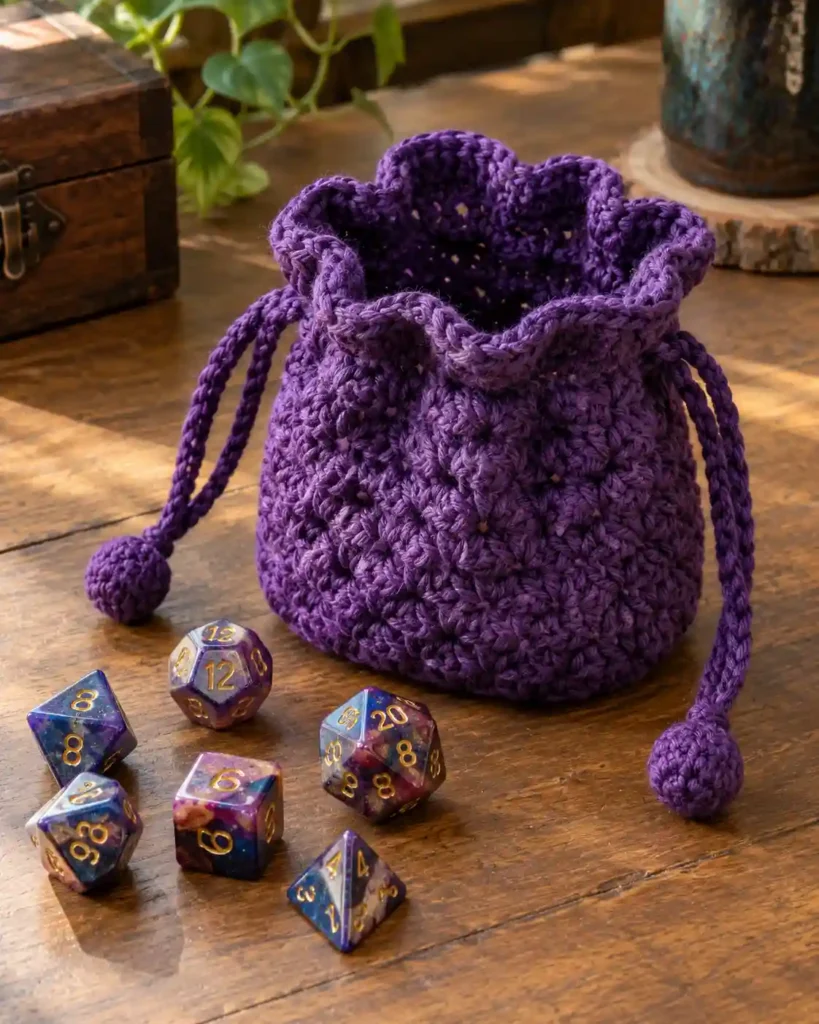
A dice bag gives small game pieces a place to stay together. Its compact shape is more convenient for tabletop supplies than an open shopping bag. It belongs beside the rulebook on game night, ready to close when everything is packed away. Beginners comfortable with rounds can make a useful gift without taking on a large project.
Crafting Each Day’s Quick Dice Bag starts at the bottom and works upward. Check the finished fabric with the dice you intend to store; small objects need gaps that will actually contain them..
20. How Can You Keep a Little Kids Purse Simple?
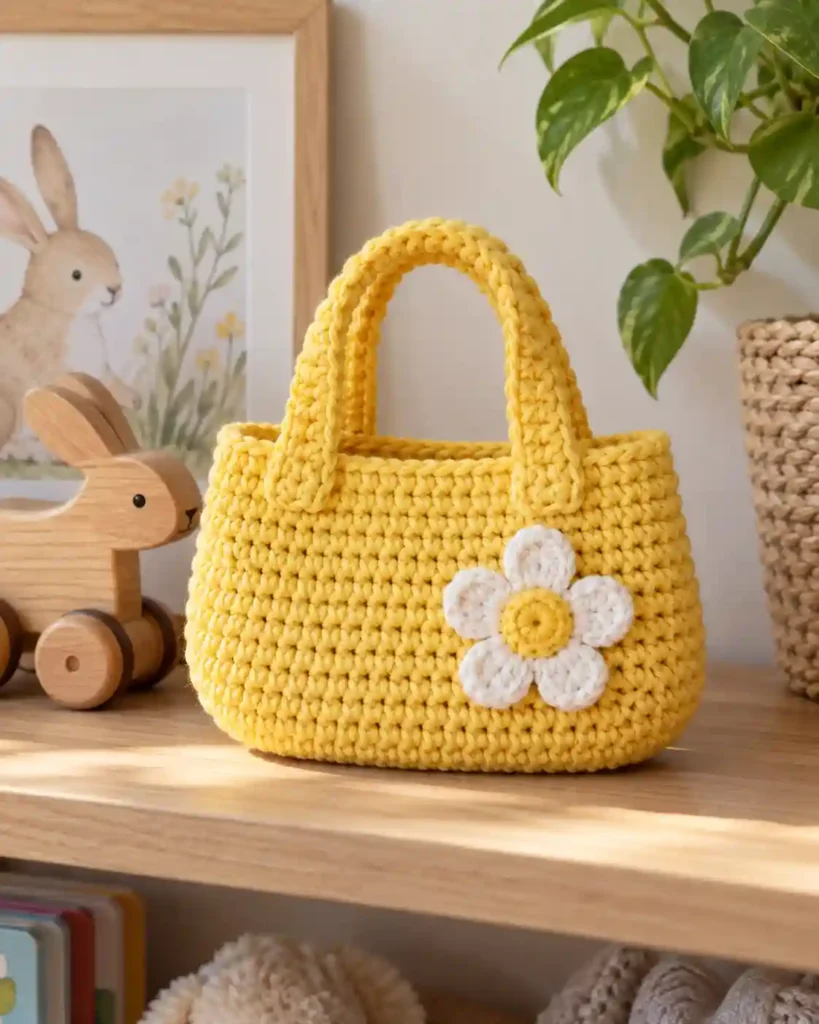
A little kids purse makes the finished bag itself part of pretend play. Short handles give it a tote-like shape without a long crossbody strap. It fits the child who wants somewhere to carry a favorite toy while playing dress-up. Beginners can keep the main bag straightforward and decide separately whether to add decoration.
Oui Crochet’s Toddler Tote is worked in rounds and includes a flower-applique option. For a young child, use supervised play, secure all sewn details, and omit loose accessories.
21. What Makes a Round Circle Handbag Stand Out?
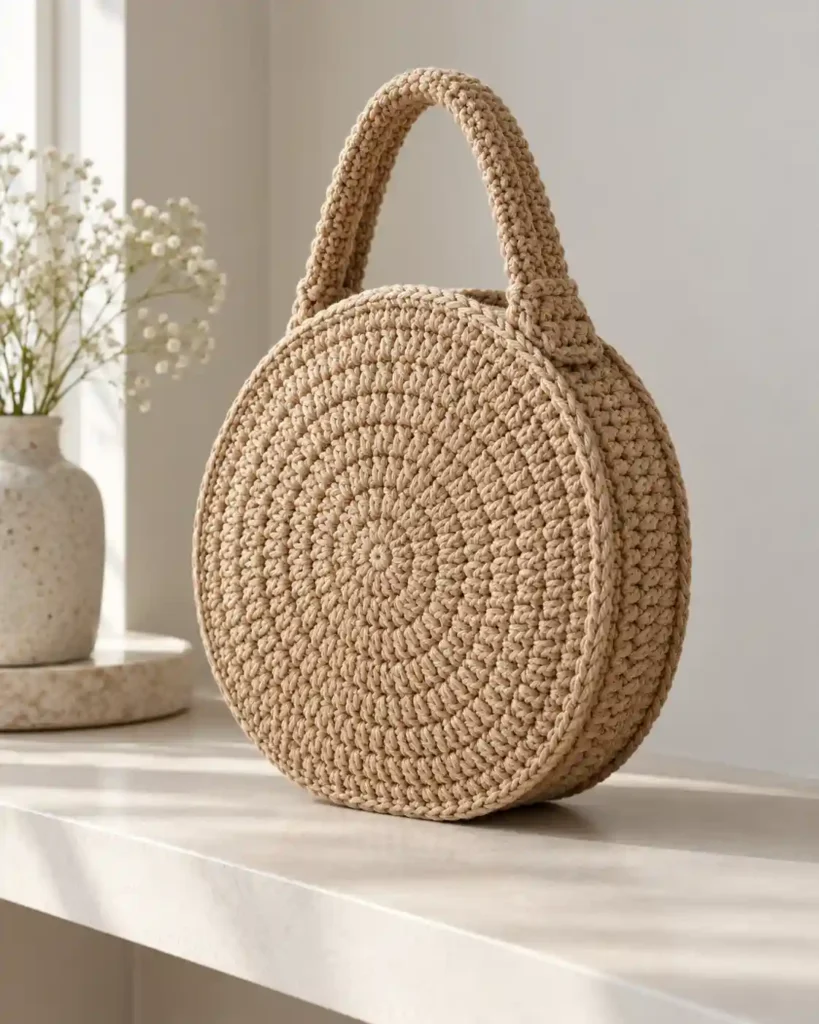
A round handbag gives basic stitches a distinctive outline. The shape becomes the visual feature, so a quiet yarn color can still look interesting. Imagine it accompanying a plain outfit when you want the accessory to draw attention. This is a rewarding choice for confident beginners who are comfortable maintaining increases and joining pieces.
Make & Do Crew’s Avenue Circle Bag includes an interior phone pocket and optional non-stretch straps. Read the assembly instructions before crocheting the panels so the finishing feels like part of the project.
What Yarn and Tools Do You Need?
Start with your pattern’s specified yarn and hook, then gather finishing tools and any required straps, lining, or closure.
At a Glance
- Follow the pattern’s yarn weight and gauge.
- Gather a hook, yarn needle, scissors, and markers.
- Keep a tape measure nearby.
- Check hardware requirements before buying materials.
Use the yarn weight and hook specified by your chosen pattern as the starting point. The Craft Yarn Council’s Standard Yarn Weight System places worsted and aran yarns in category 4, Medium, but explicitly describes its gauge and hook ranges as guidelines. The pattern’s gauge remains the reference.
Gather these basics before starting:
- The specified yarn and crochet hook.
- A yarn needle and scissors for finishing.
- Stitch markers for rounds, corners, or strap placement.
- A tape measure, plus any required zipper, lining, clasp, or purchased strap.
Choose yarn with the finished use in mind. A mesh produce bag and a lined makeup pouch need different fabrics, even when both are small.
How Do You Get the Size and Finishing Right?
Match the pattern’s gauge, measure your intended contents, and check straps, seams, and closures before completing the bag.
At a Glance
- Make and measure the specified gauge swatch.
- Adjust the hook when necessary.
- Include phone cases when checking fit.
- Assess strap length before permanent attachment.
- Inspect joins and follow the yarn’s care label.
Make the pattern’s gauge swatch before committing to the bag. Gauge means the number of stitches and rows over a stated measurement. The Craft Yarn Council recommends making the specified sample, measuring it, and changing hook size when necessary to match the gauge. Source: Craft Yarn Council crochet gauge guide.
Measure phones with their cases and check other intended contents before finishing. Pin a separately attached strap in place to assess its length. Inspect seams and strap joins, then follow the yarn label when caring for the finished bag.
FAQs About easy crochet bag
Which Easy Crochet Bag Is Best for a First Attempt?
A folded rectangle bag is a sensible starting point for someone comfortable crocheting rows. A small drawstring pouch is another option when basic rounds feel easier. Choose by the skills required, rather than the bag’s appearance alone.
Where Can I Find Simple Crochet Bag Patterns for Free?
The designer links above lead to free written patterns or tutorials. Some sites also sell printable PDFs, and Wilmade’s listed clutch requires a free blog subscription for its written instructions. Review the access options on the original page.
Can I Really Make a 10 Minute Crochet Purse?
A search for “10 minute crochet purse” does not establish a reliable completion time. Yarn, size, skill, and finishing all affect the work involved. For a quick project, consider a small pouch and allow time for seams, closures, and loose ends.
How Much Yarn Does a Small Crochet Bag Need?
Use the amount given in the specific pattern. Two small bags can need different quantities because their stitches, dimensions, and yarn weights differ. Make the gauge swatch before deciding whether your available yarn will be enough.
Does a Crochet Bag Need a Lining?
It depends on what you plan to carry and how open the stitches are. A mesh produce bag serves a different purpose from a pouch holding makeup or small accessories. Consider a lining when the fabric would otherwise let contents escape or snag.
What Should I Check Before Following a Beginner Bag Tutorial?
Check the materials list, stitch abbreviations, gauge, and assembly instructions before starting. If you found the tutorial by searching “Easy crochet bag for beginners,” confirm that its required skills match what you can already do and that any unfamiliar finishing is explained.
Are Free Bag Patterns Available With Video Instructions?
Yes, several linked designers provide video tutorials alongside their written instructions, including VivCrochets and For The Frills. When searching “Free crochet bag patterns for beginners,” look for a tutorial that demonstrates the parts you need help with, such as the base, motif joining, or strap attachment.
Final Thoughts
Crochet bags are a fun way to create something practical while exploring different stitches, shapes, colors, and textures. Whether you’re making your first simple market bag or trying a more detailed granny square, flower, or structured design, there’s a pattern here to match your skill level and style.
Start with a design that feels manageable, choose yarn that suits the bag’s purpose, and focus on keeping your tension consistent. Once you’re comfortable with the basics, you can experiment with different handles, closures, colors, and decorative details to make each bag your own.
With these 30 free crochet bag patterns, you’ll have plenty of ideas to keep your hook busy—and plenty of handmade bags to enjoy, gift, or use every day.

![The Best 30+ Free Crochet Cat Patterns [Beginner-Friendly Guide]](https://crochetmind.com/wp-content/uploads/2025/04/1-The-Best-30-Free-Crochet-Cat-Patterns-Beginner-Friendly-Guide.webp)