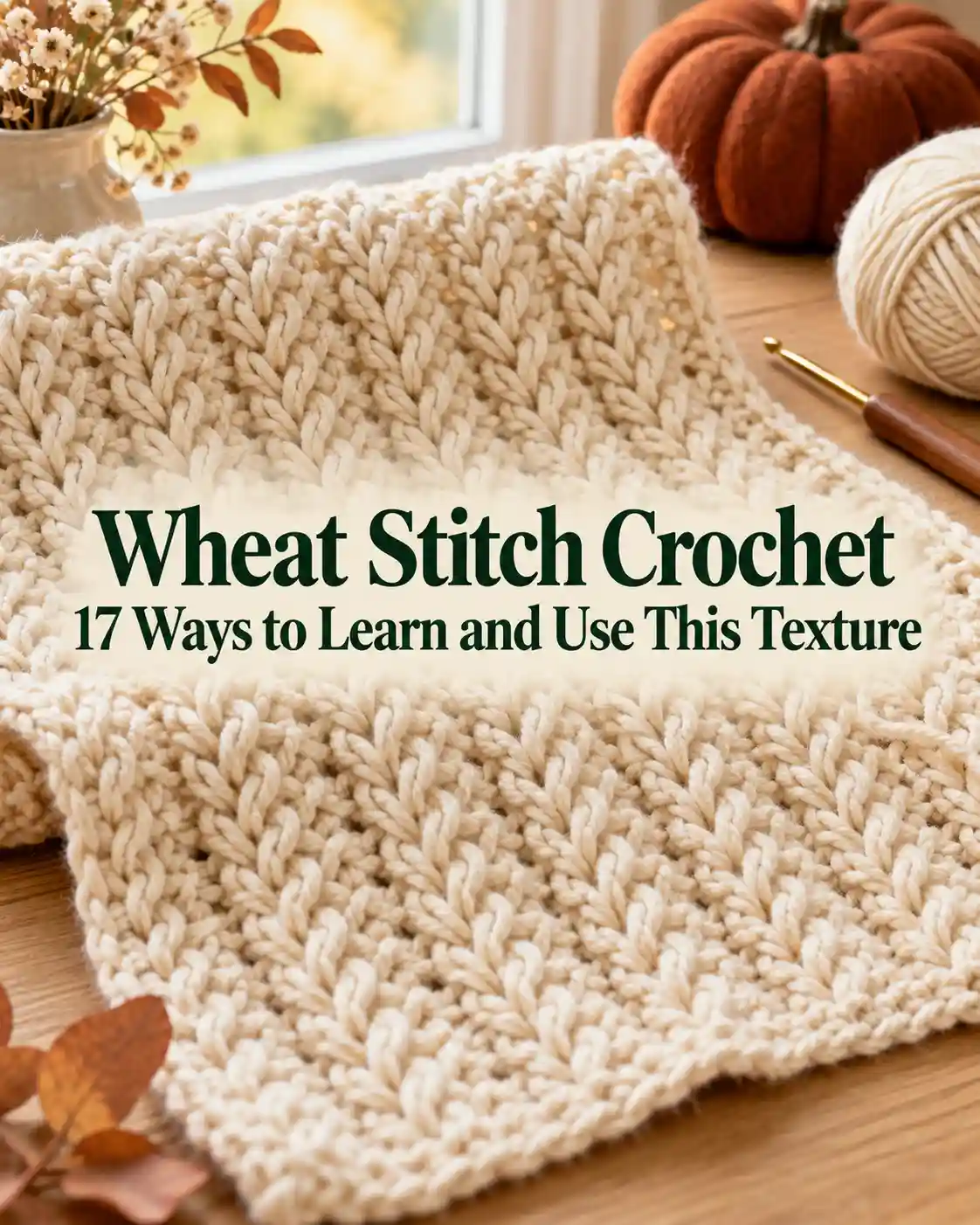
Wheat stitch crochet creates raised, grain-like texture, but there is no single pattern behind every design called “wheat stitch.” The versions in the supplied tutorials use different stitch combinations and repeats, so choose one pattern before calculating your starting chain or planning a project. A practice swatch will show whether its texture, thickness, and drape suit what you want to make.
That small distinction saves a lot of unraveling. A stitch that looks lovely in a close-up photo may feel too firm for a scarf, while the same firmness could be just right for a bag.
Key takeaways
- Choose one wheat stitch version and follow its complete pattern.
- Make a swatch before sizing a finished project.
- Try a Free crochet Wheat stitch pattern before adapting it.
- Test a Wheat Stitch crochet strap under the intended load.
- Match yarn, drape, and finishing to the project.
How do you choose a wheat stitch crochet pattern?
Choose the wheat stitch version whose finished texture suits your project, then follow that designer’s repeat and starting count.
At a glance
- Compare finished swatches before choosing a version.
- Read the special-stitch definitions.
- Check the stated starting multiple.
- Measure your own sample before sizing.
Start with the finished fabric, then check the instructions behind it. Briana K Designs teaches a four-row version using modified puff stitches and back-loop single crochet. Rich Textures Crochet describes a two-row repeat after setup. Made by Gootie’s Waves of Grain combines V stitches and puffs, while Desert Blossom Crafts uses another puff-based construction. Their starting counts and row instructions are not interchangeable.
| What to check | Why it matters | Best next step |
|---|---|---|
| Stitch version | “Wheat stitch” can describe different textures | Use one designer’s instructions from start to finish |
| Repeat and starting count | These change between versions | Follow the count stated in the chosen pattern |
| Fabric feel | Raised texture can be soft or firm | Make a swatch in your intended yarn |
| Finished size | Your tension changes width and height | Measure the swatch before sizing a project |
| Project shape | A flat panel needs different finishing from a hat or pumpkin | Use a tested project pattern for shaping |
Wheat Stitch Crochet: 17 Ways to Learn and Use This Texture
The Craft Yarn Council defines gauge as stitches and rows measured over a given area and recommends making a sample before a size-sensitive project. Its guidance notes that swatches are commonly measured over 4 × 4 inches, although a pattern may specify another size.
1. Where should a beginner start with wheat stitch crochet?
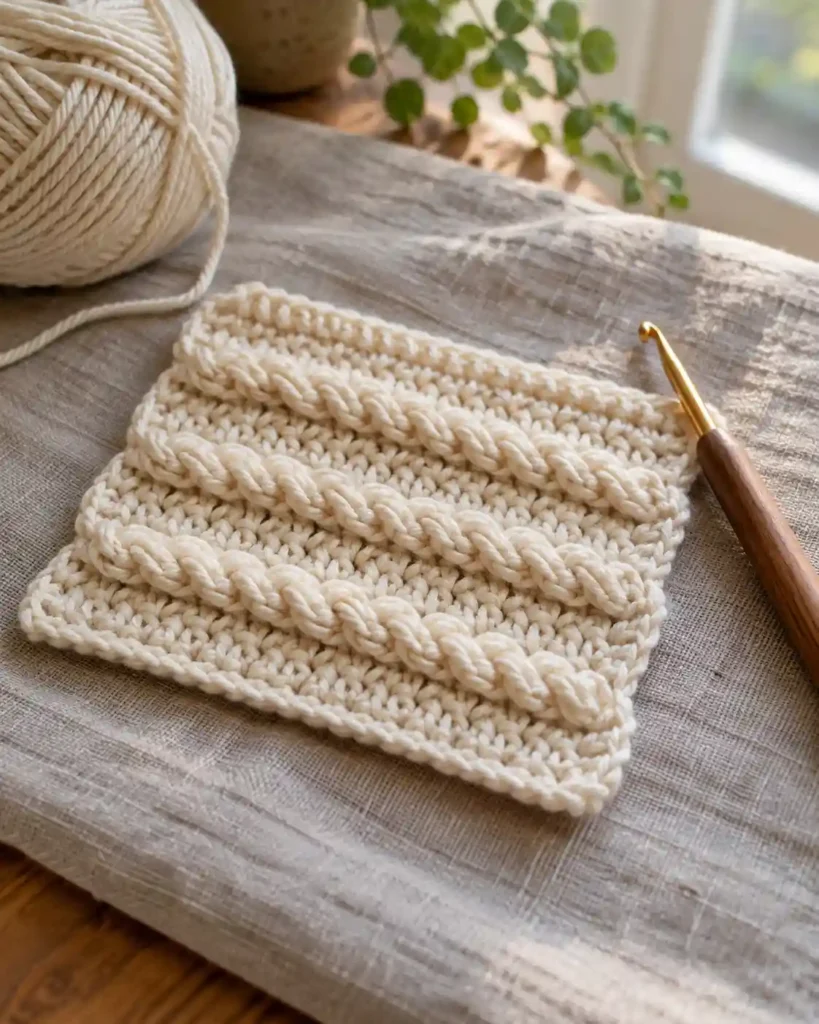
A small wheat stitch swatch gives you the texture without the commitment of a blanket. It also exposes missed stitches much sooner than a large panel does. Choose a smooth, light-colored yarn, work the setup and several complete repeats from one tutorial, then look at both sides of the fabric. If you are learning puff stitches, this is the place to settle your loop height before making something fitted.
Count the stitches at the end of each row. Place a removable marker in the first and last stitch if the raised texture makes the edge difficult to see.
2. How do you follow a written wheat stitch pattern?
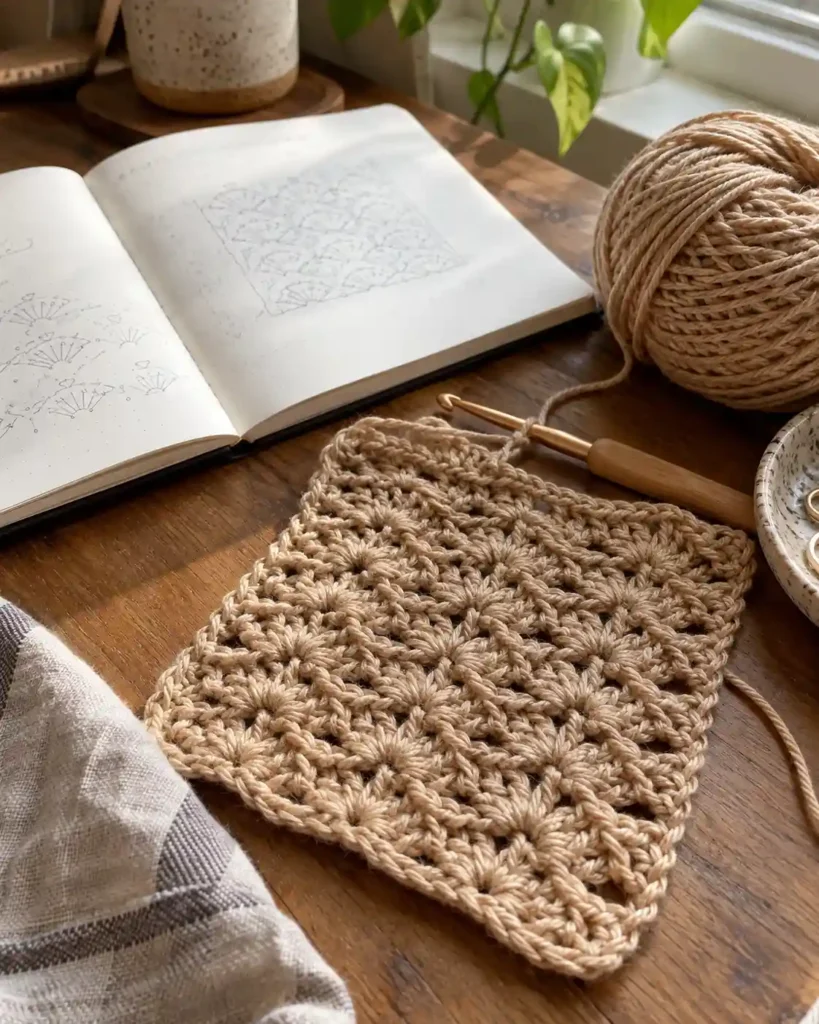
A written pattern is most useful when it states its terminology, special stitches, starting multiple, setup rows, and repeat. If those instructions are unfamiliar, start with how to read a crochet pattern. A pretty swatch photo cannot tell you which of several wheat-stitch methods produced it. Keep the chosen directions beside your work and mark off each row until the repeat becomes familiar. This suits crocheters who like to pause, count, and check their progress without replaying a video.
US terms matter: the Craft Yarn Council lists sc as single crochet, ch as chain, and BLO as back loop only in its US abbreviation guide. UK stitch names can differ, so check the pattern’s stated terminology first.
For a free crochet wheat stitch pattern, the linked designer tutorials offer written directions. Use their complete instructions and photos for the specific version you choose rather than combining rows from separate patterns.
3. What should a close-up wheat stitch tutorial show?
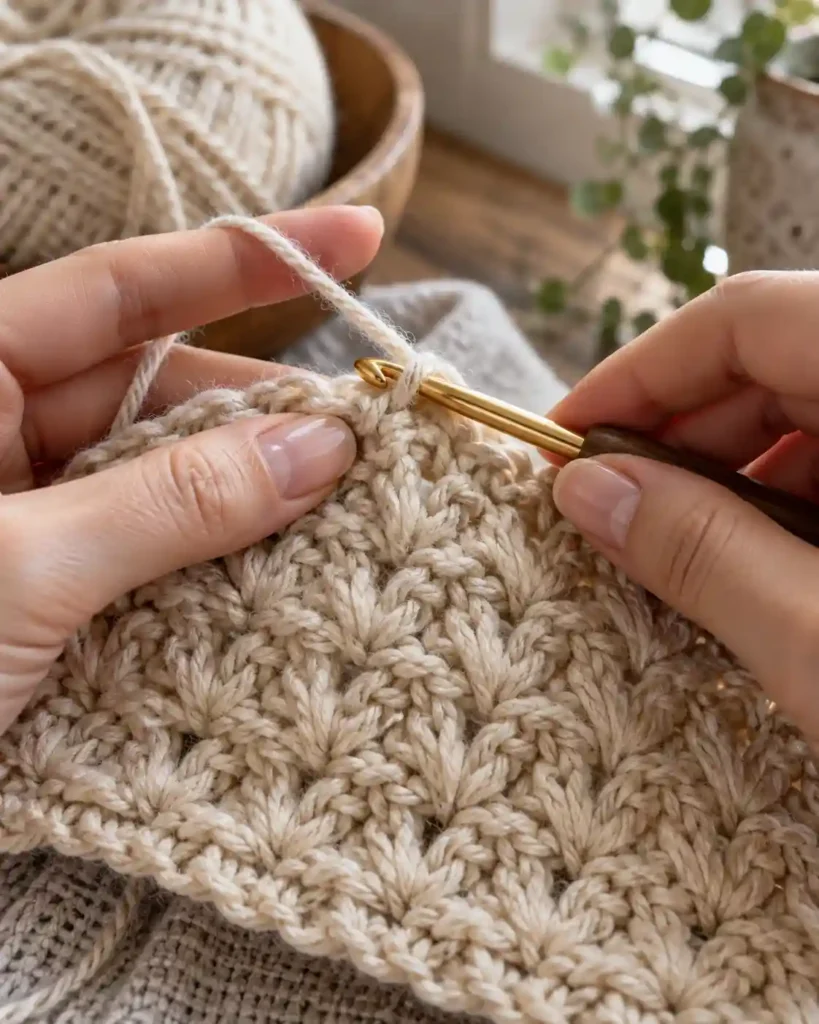
The decisive photo is the one that shows where the hook enters the fabric. A finished square shows the result, but it cannot resolve a confusing insertion point halfway through a row. Look for photos or video of the setup, the special stitch, the last stitch at the edge, and the front and back of the repeat. That visual sequence is especially helpful when your first raised row looks uneven.
Briana K Designs pairs its written four-row version with process photos and video, including a closer explanation of the skipped stitch used for its modified puff. Follow that placement only when making that designer’s version.
4. Can a crochet chart help you read the repeat?
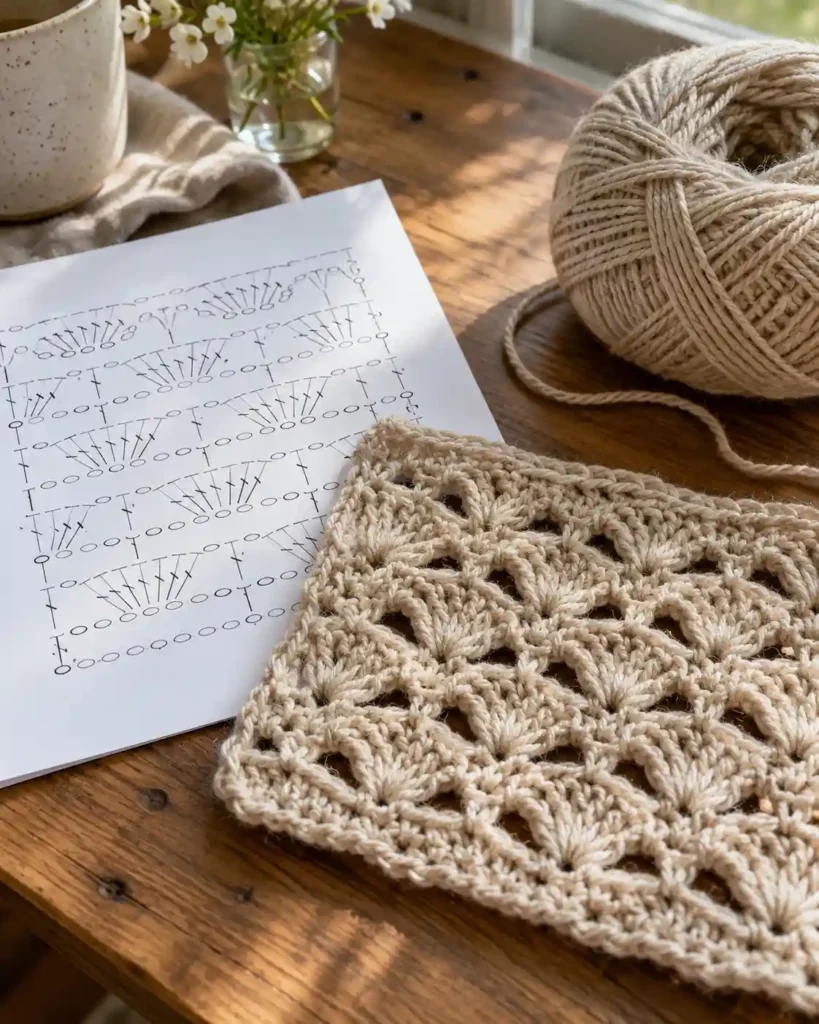
A chart can make the rhythm of a stitch easier to see after you have worked it once. It is most useful beside the written pattern, where you can check row direction and the meaning of each symbol. A generic “wheat ear” diagram may depict a completely different stitch, however. Match the chart to the actual pattern before using it as a shortcut.
The Craft Yarn Council publishes standard crochet chart symbols and advises readers to consult each pattern’s key for additional definitions. That key is essential when a designer uses a special puff or cluster.
5. When would you choose braided wheat stitch crochet?
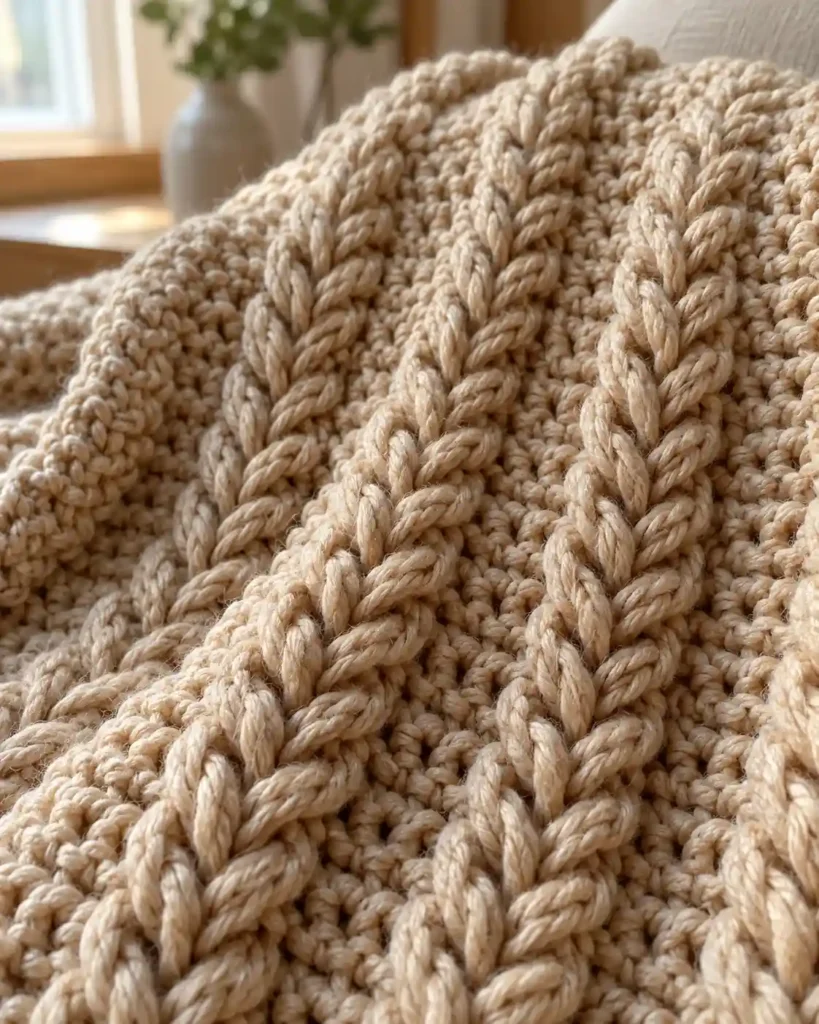
Choose a braided wheat texture when you want the raised lines to become the main feature. A plain color gives those lines room to show, particularly on a cushion panel or a wide scarf. The effect can look more structured than a flatter stitch, which makes it attractive for home accessories. Make a swatch before committing to a garment; the look you enjoy may have a different drape than you expect.
Treat braided wheat stitch crochet as a named variation, not an automatic substitute for another wheat-stitch pattern. Check its own repeat, gauge, and photograph of the finished fabric.
6. What makes a puff wheat stitch look different?
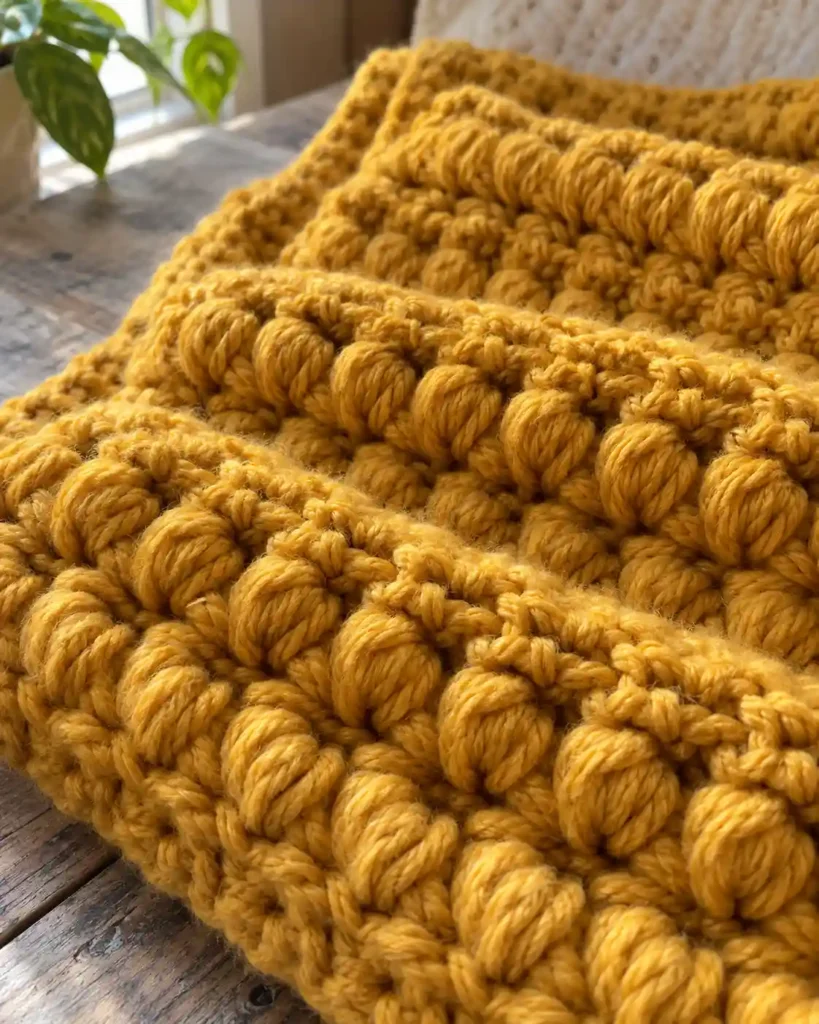
Puff-based wheat textures turn small groups of elongated loops into prominent bumps or grain-like marks. They can make even a single-color swatch visually busy in a good way. For a tactile project such as a throw, that relief is the attraction; for a slim strap, the same bulk may be awkward. Compare the fabric from the side as well as from above before deciding where to use it.
Puff definitions vary by designer. Briana K Designs specifies a modified puff for its signature stitch, while Made by Gootie defines puffs and V-puffs for Waves of Grain. Follow the special-stitch definition printed with your selected pattern.
Which wheat stitch crochet projects suit the fabric?
Use softer, more flexible fabric for items worn against the body and firmer fabric where a bag or home accessory needs structure.
At a glance
- Measure fitted hats and covers from a swatch.
- Check drape before making scarves or cowls.
- Plan seams and stuffing for pumpkins.
- Reinforce bag parts that carry weight.
The next eleven ideas are project directions, not eleven complete tested patterns. For a wearable, fitted cover, or shaped item, use a verified project pattern or calculate from a measured swatch. CrochetMind can use this list to help readers choose a project, then link each one to its own tested instructions as those become available.
7. Would wheat stitch work for a baby blanket?
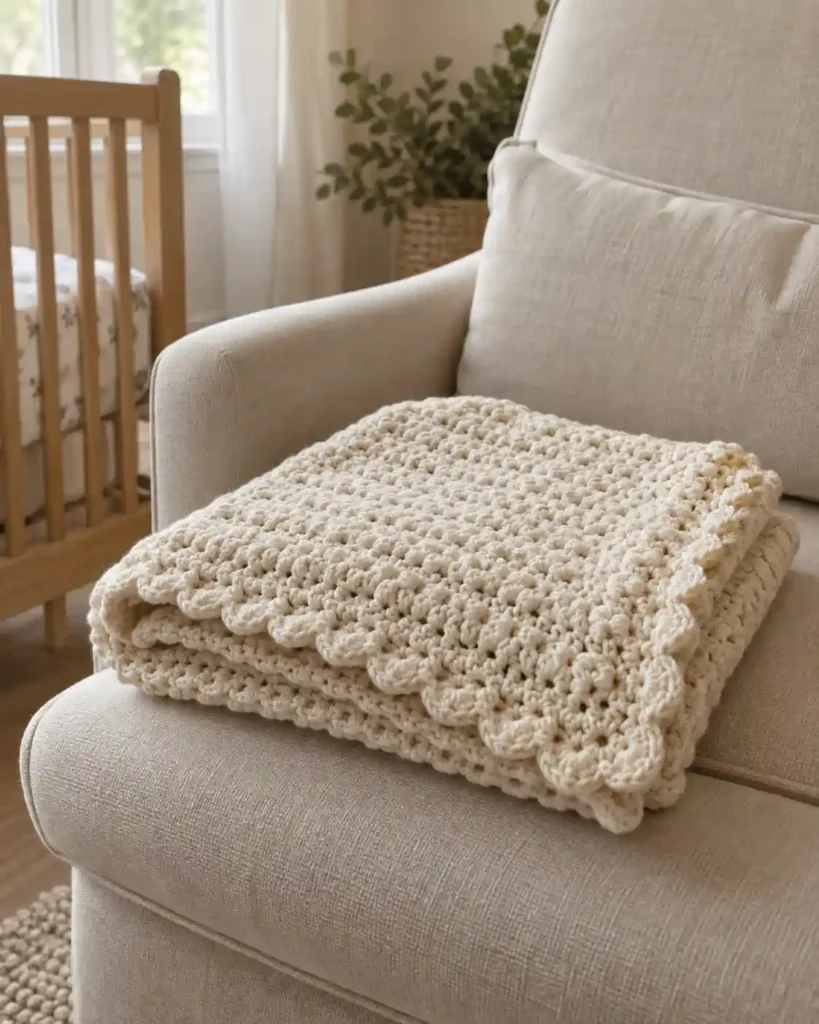
A wheat-textured baby blanket offers a lovely surface for a handmade gift. Compared with a stitch full of large openings, a denser version may give you a more continuous panel, but check the actual swatch rather than relying on the stitch name. Select yarn according to the recipient’s care needs and make a generous sample so you can judge its softness after washing. This is a thoughtful choice for a keepsake or supervised use.
A baby blanket should not be placed as loose bedding in an infant’s sleep area. The American Academy of Pediatrics advises keeping blankets and other loose, soft items out of that space for babies up to one year of age.
8. How would you size a wheat stitch throw?
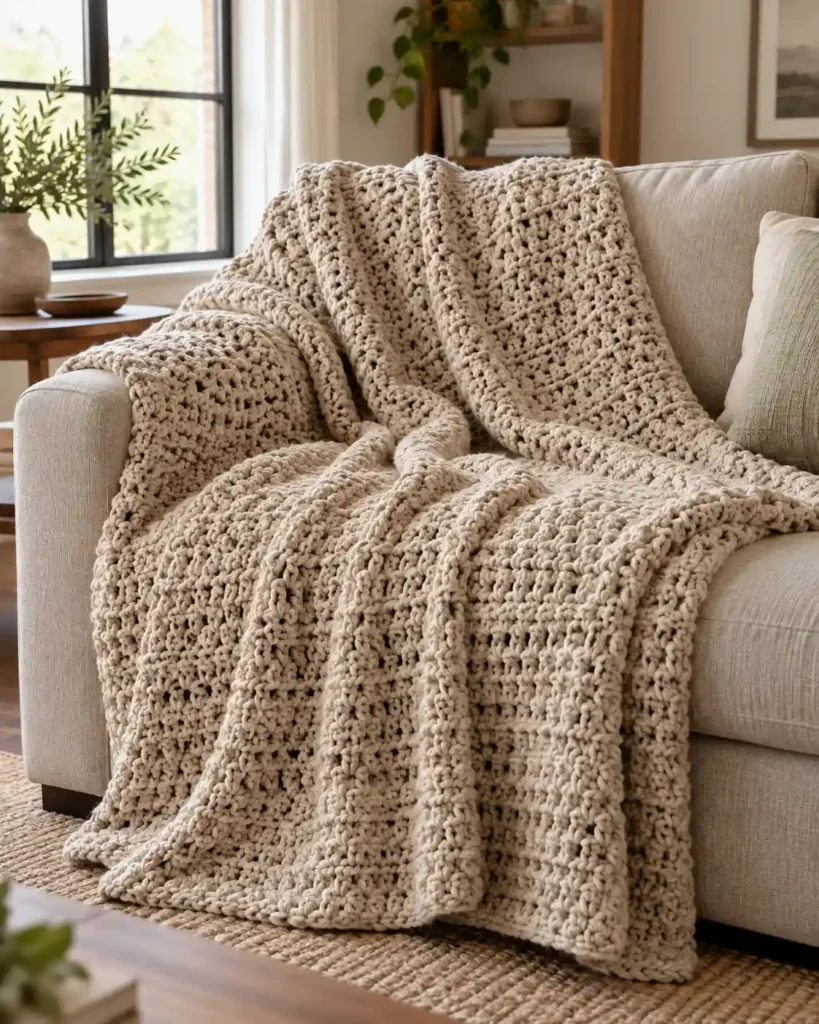
A crochet throw blanket gives broad wheat-like rows space to become visible from across a room. Unlike a small accessory, though, a minor gauge difference repeats across a large width. Decide on the finished dimensions, measure a swatch in the chosen stitch, and calculate the panel from that measurement. A throw is a good match when you want the texture to do most of the decorating.
Do not use the starting chain from a scarf or hat pattern to estimate blanket width. Take the stitch multiple from the exact version you are making, then calculate a valid count that reaches your intended measurement. A gauge swatch helps prevent a finished blanket from coming out much wider or narrower than planned.
9. Why does a wheat stitch crochet pumpkin suit fall decor?
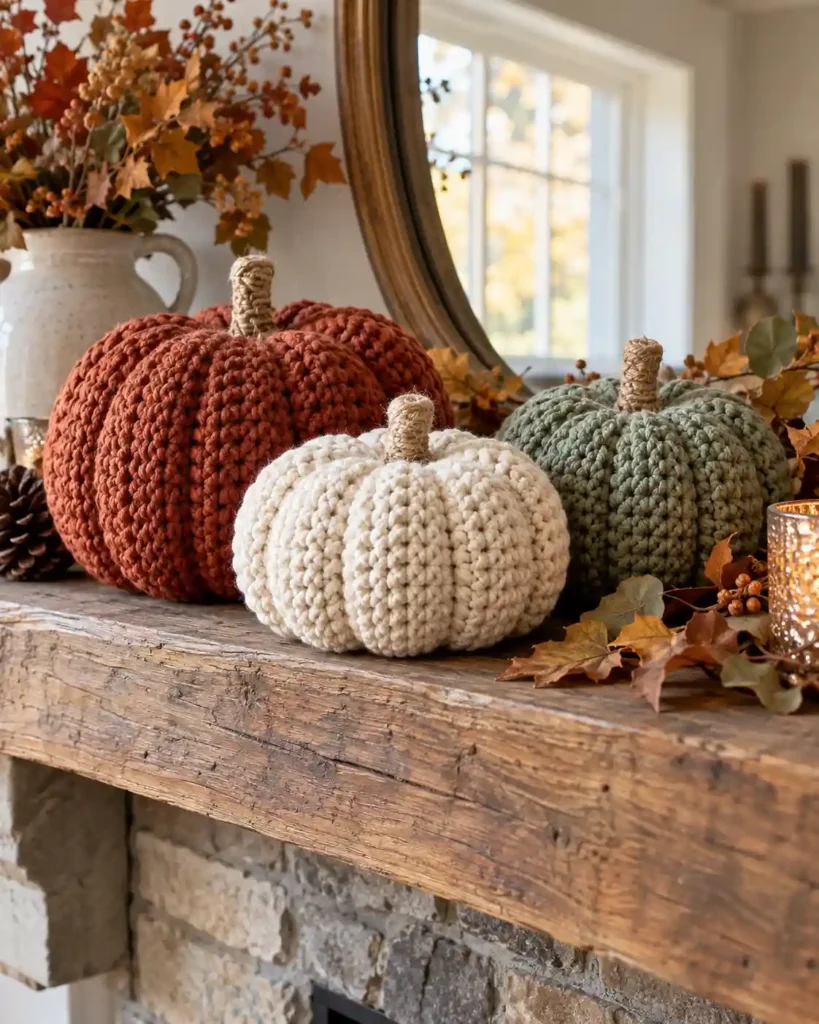
The raised rows give a crochet pumpkin a convincing harvest texture before you add a stem. A pumpkin also makes good use of a rectangular panel: one published wheat-stitch pumpkin trio is worked flat, then seamed and stuffed. That construction is less intimidating than trying to shape every round while learning a new stitch. Choose this project if you want a seasonal piece that can show off several yarn colors on a shelf or table.
For your own version, decide on size, seam placement, stuffing, and stem attachment before cutting the yarn. A crochet pumpkin pattern can help you plan those details. Follow a complete tested wheat stitch crochet pumpkin pattern for the actual stitch and assembly counts.
10. Could wheat stitch become a comfortable hat?
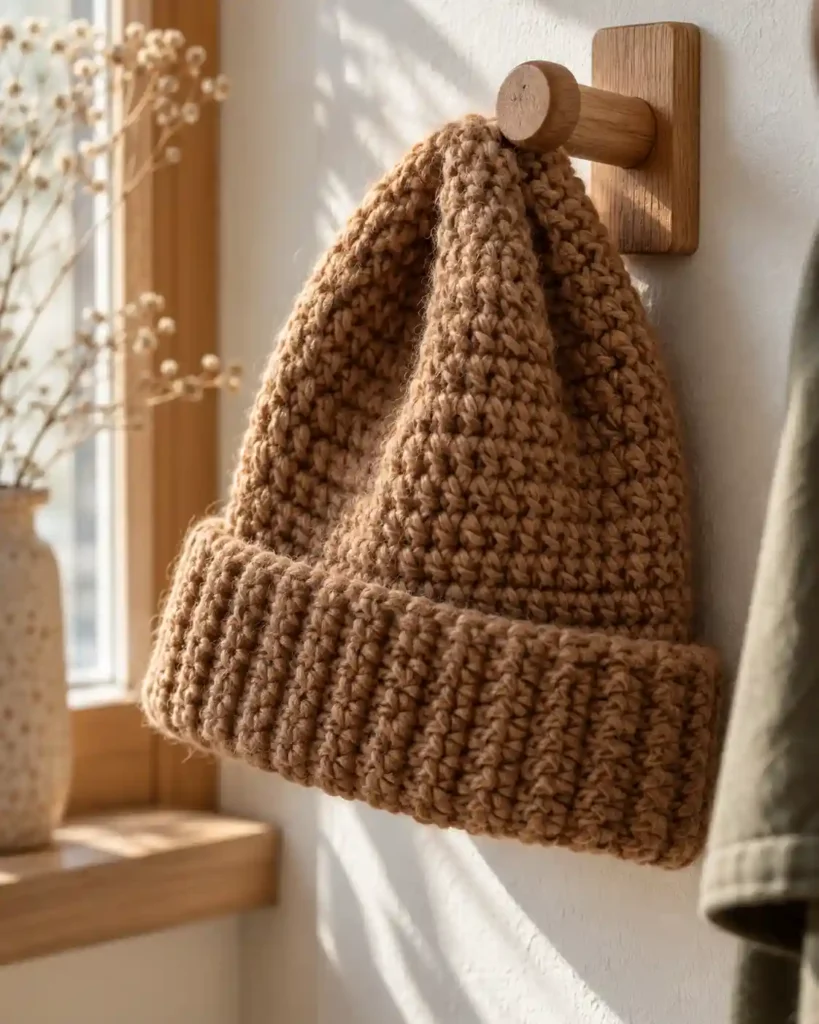
A wheat stitch crochet hat puts the texture where people can see it, especially around a simple brim. It has more fit demands than a flat scarf: the fabric must stretch comfortably, and the crown needs deliberate shaping. Make a swatch, measure the intended wearer’s head, and check how much the stitch recovers after being stretched. It suits someone who wants a winter hat with texture rather than a busy color pattern.
A hat pattern written for one wheat-stitch variation may use a different construction from another. Review how to crochet a hat before adapting the stitch to a crown. Follow the tested sizing and crown directions for the specific design instead of swapping in an unrelated stitch repeat.
11. Is an ear warmer an easier first accessory?
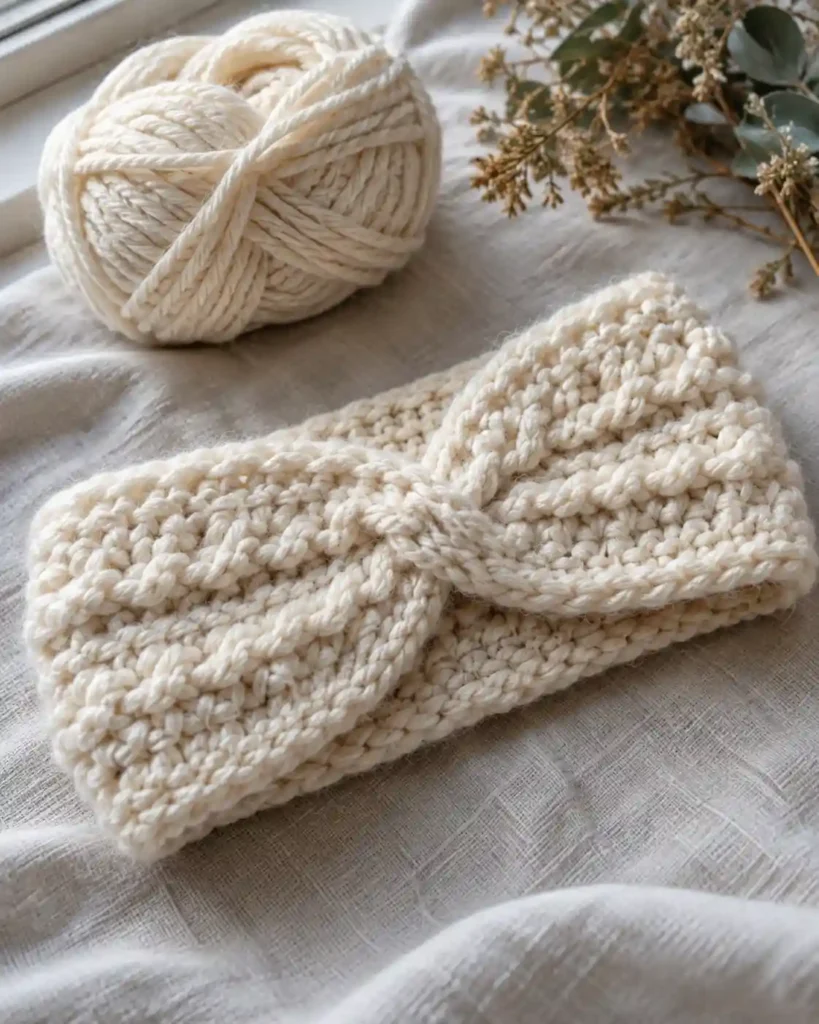
An ear warmer uses less fabric than a hat while still putting the raised stitch on display. A flat band can be measured against the wearer’s head before its ends are joined, making adjustments easier to spot. It is a practical first accessory if you have finished a swatch and want to learn how that fabric behaves around the head. Its strongest feature is the small scale: you can assess fit without completing a full crown.
Check the band’s stretch before seaming. A heavily textured version may need a different finished length from a stretchier stitch.
12. What would make a wheat stitch scarf wearable?
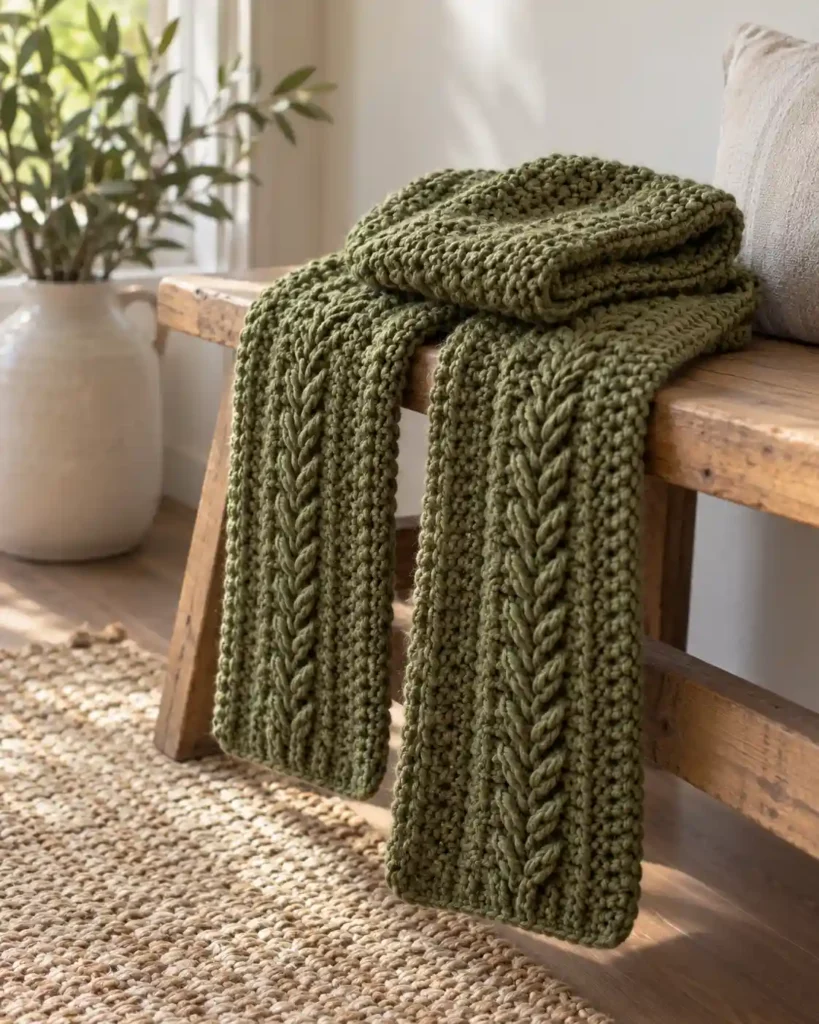
A wheat stitch crochet scarf is all about the balance between texture and drape. Dense rows can look striking, yet a scarf that stands away from the neck will not get worn much. Try a larger swatch, let it hang from your hand, and decide whether the yarn and hook combination feels soft enough. This project works well for someone who wants a long, visible run of texture without shaping.
Look at both sides before setting the width. If one side has a stronger ridge, decide whether you want that side outward or prefer a scarf that looks similar either way.
13. How is a wheat stitch cowl different from a scarf?
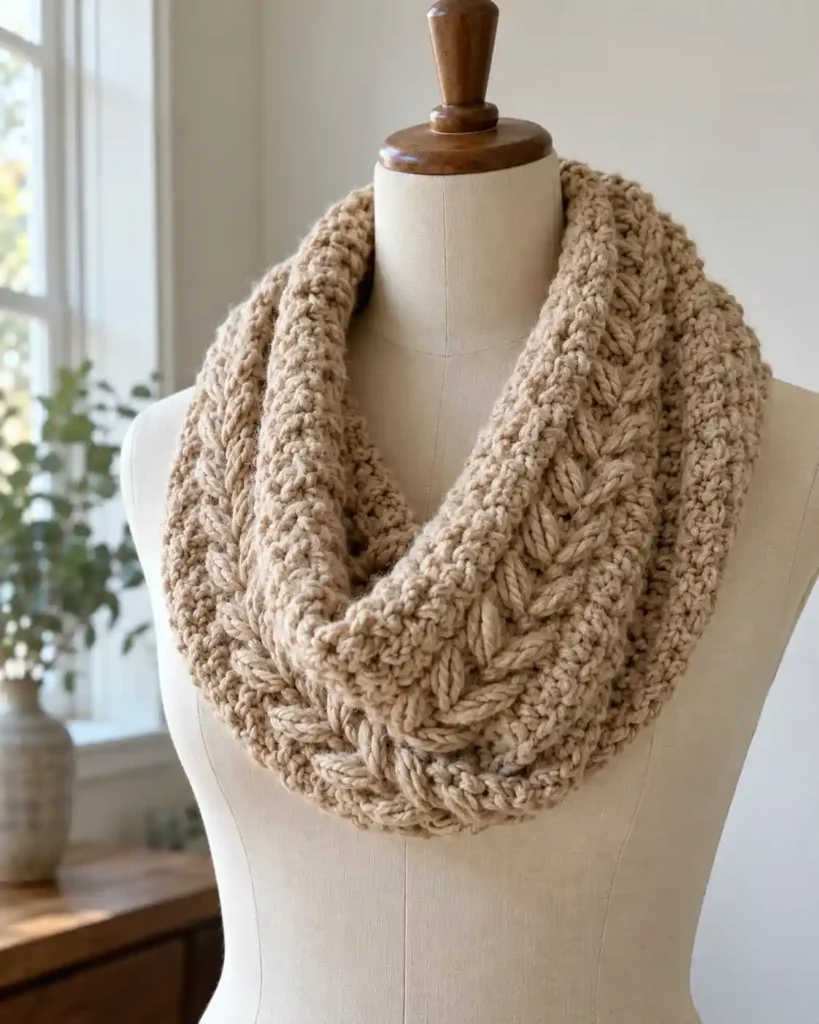
A cowl concentrates the same texture in a shorter loop. It avoids the loose ends of a scarf, but neck circumference and yarn softness become more noticeable. Decide whether to work a rectangle and seam it or follow a tested pattern worked in the round; those approaches can display the repeat differently. A cowl is useful when you want a compact cold-weather accessory that slips on quickly.
Make sure the opening passes comfortably over the head before finishing. Check the seam against the skin as well as its appearance from the outside.
14. Can you use wheat stitch for a bag and strap?
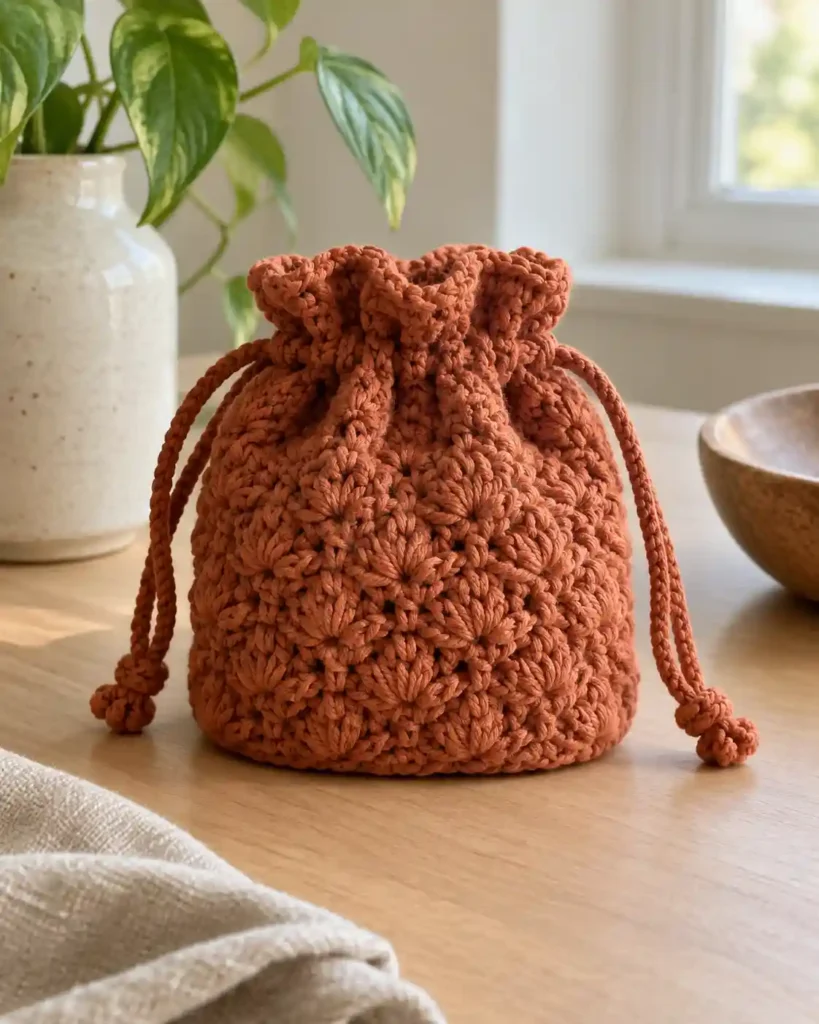
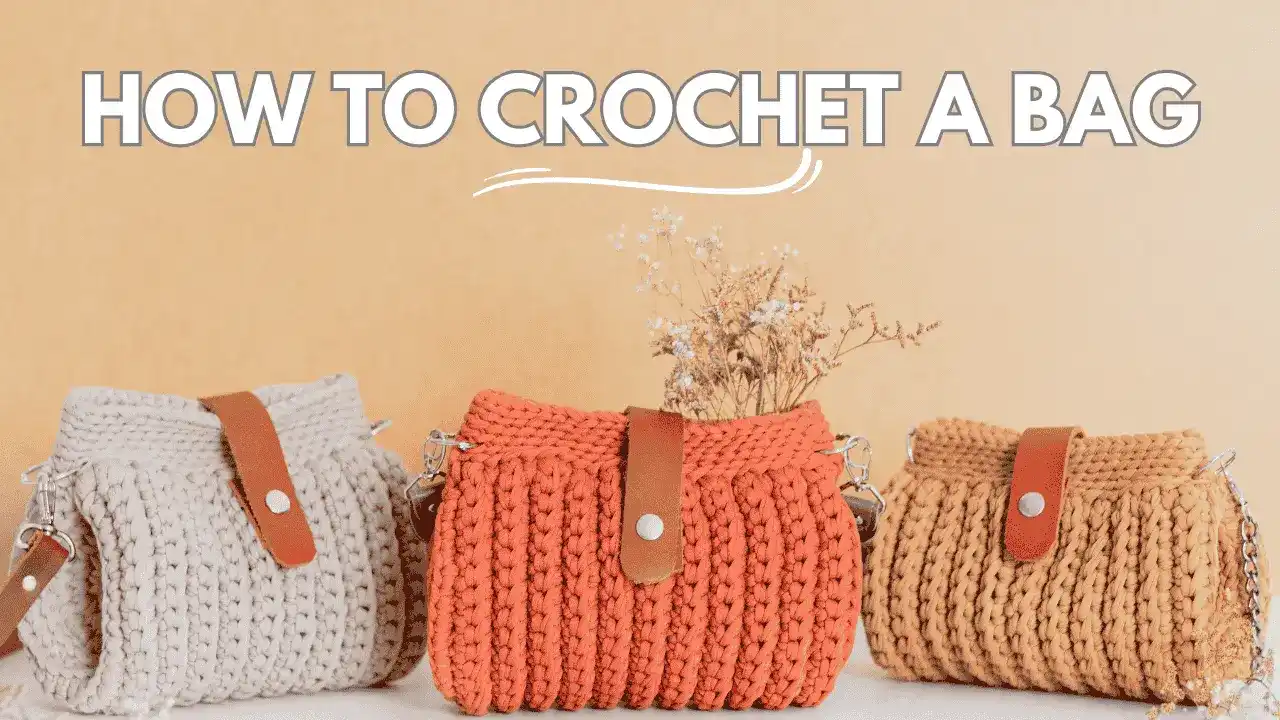
A wheat stitch crochet bag makes the texture useful beyond blankets and wearables. The raised panel could form the front of a small pouch, while a plain, firm base and a lining can help the bag hold everyday objects. For a drawstring design, leave a clear channel rather than forcing a cord through raised stitches. It is a promising choice for a small accessory when you want texture without a complicated silhouette.
Treat the wheat stitch crochet strap as its own engineering decision. Make a sample, put weight on it, and check whether it lengthens or twists; a firmer stitch, lining, webbing, or another tested crochet bag strap construction may carry the load better than the decorative body fabric.
15. Would wheat stitch suit a cushion cover?
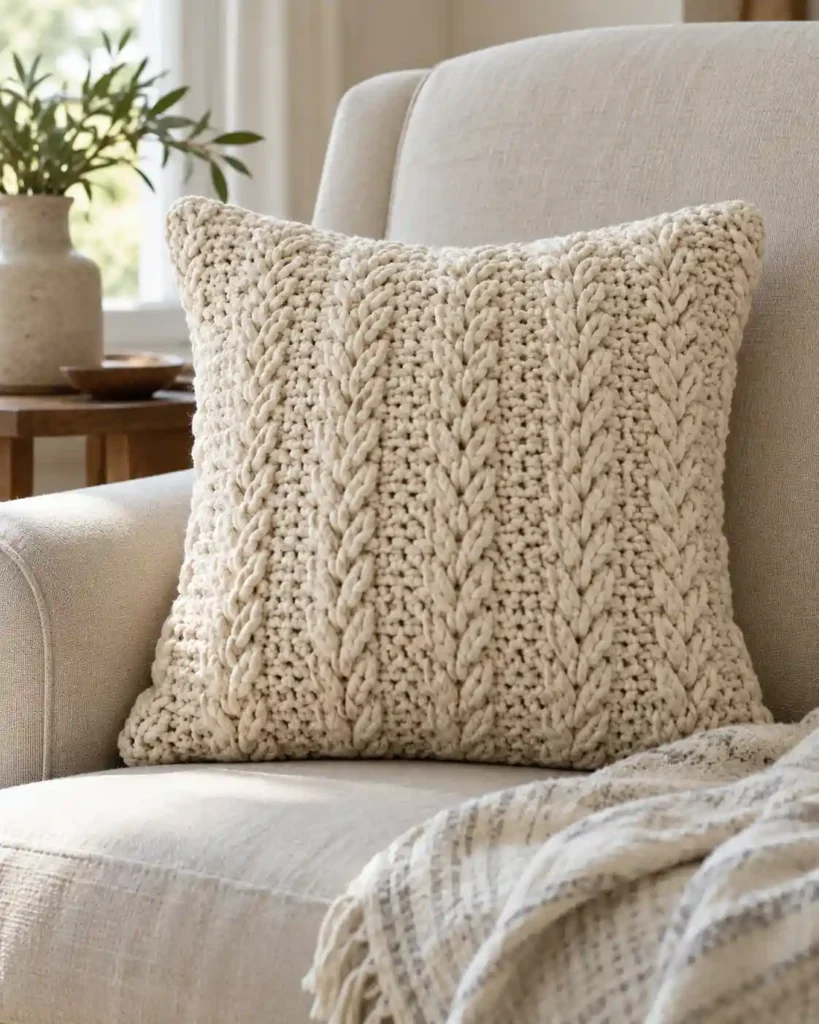
A cushion cover brings the grain-like rows into a room without requiring blanket quantities of yarn. A textured front and simpler back can also keep the finish tidy. Measure the insert, make a swatch, and decide where the closure will sit before crocheting the front panel. This suits a sofa or reading chair where one tactile piece can add warmth.
The front panel may change size after washing or blocking. Check care instructions for the yarn and finish the cover in the way you expect it to be maintained.
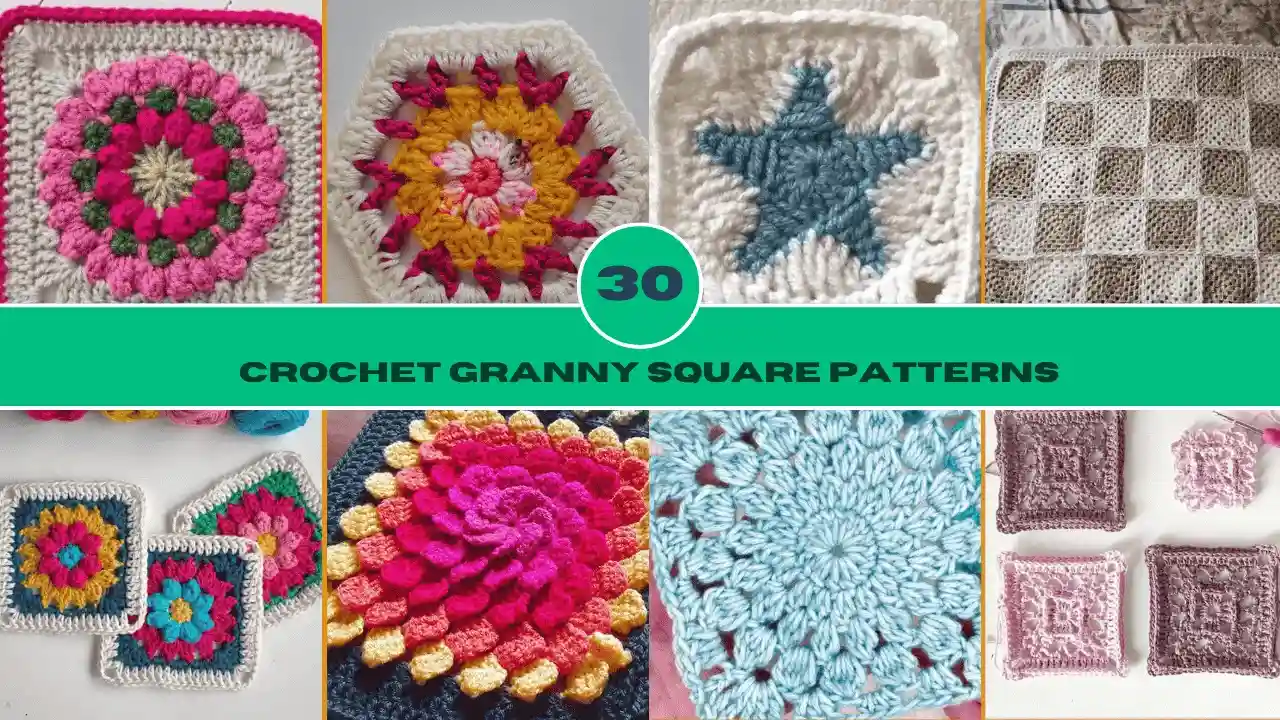
16. Could you put wheat stitch inside a granny square?
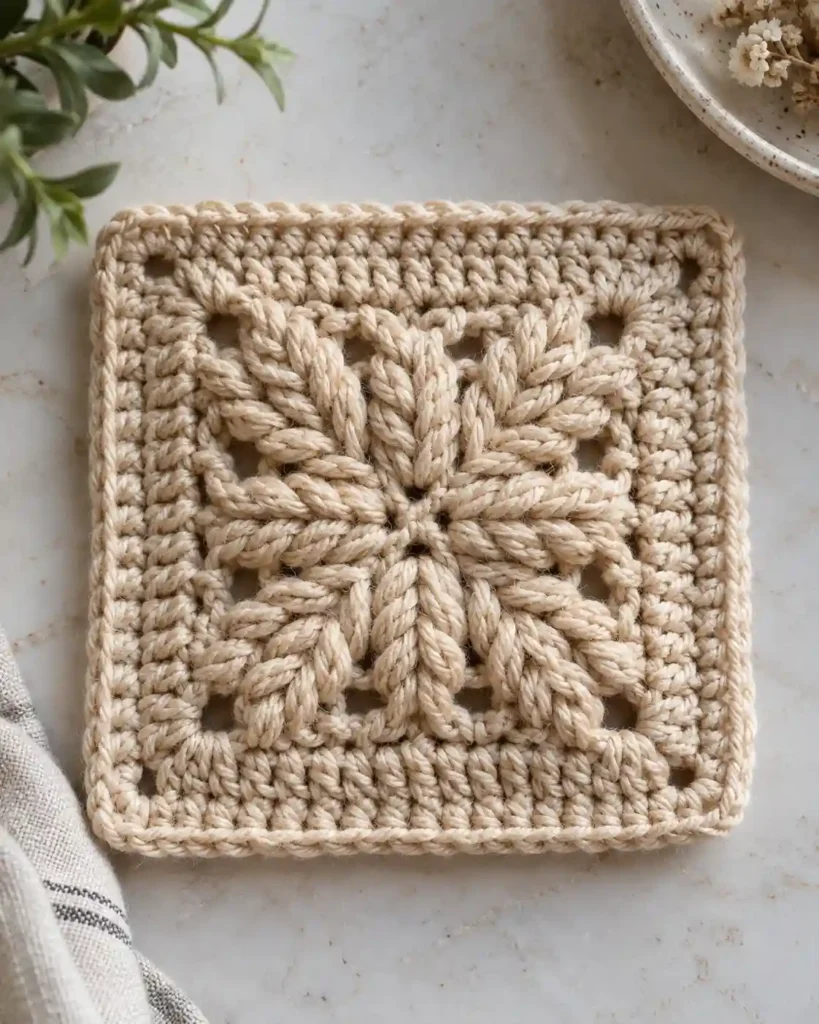
A wheat-textured center can give a square motif a focal point while a plainer border makes joining easier. This is more deliberate than calling any raised square a wheat stitch granny square: the center needs a clear stitch construction, and the edge needs a compatible stitch count. Try one complete motif and block it before planning a blanket of repeats. It is a good option for someone who enjoys small, portable pieces.
Photograph the center close up and the finished square flat. Those two views show whether the wheat texture survives the transition to the border.
17. Which border lets the wheat texture stand out?
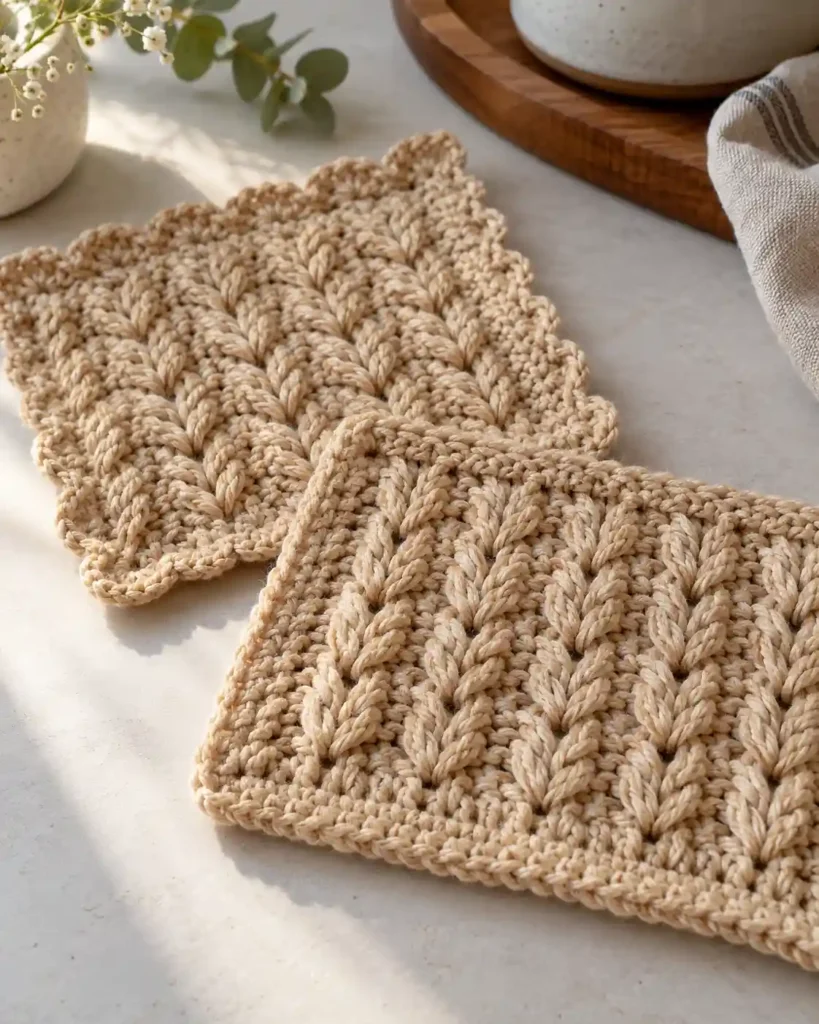
The quietest border often does the best job. A restrained edge can straighten the sides of a blanket or cushion without competing with the raised rows. Compare crochet blanket borders if you want more finishing options. Work a test edge around your swatch, check the corners, and see whether it pulls the fabric inward or makes it ripple. This is especially useful when the main stitch already has plenty of visual movement.
A border count depends on the height of your actual rows and the tension along the sides. Adjust it against the fabric in your hands rather than applying one fixed number to every wheat-stitch variation.
What should you check before starting a full project?
Confirm the pattern’s terminology and special stitches, then measure and assess a swatch made with your intended yarn and hook.
At a glance
- Read the complete pattern before chaining.
- Check the first and last stitches of each row.
- Measure the sample after several full repeats.
- Wash the sample if the finished item will be washed.
Work from one complete pattern. Note whether it uses US or UK terms, read its special-stitch definitions, and finish enough rows to see the real texture. Then measure the sample, wash it if the finished item will be washed, and inspect its drape and edges.
For a blanket, hat, fitted cushion, or bag strap, the swatch answers a practical question that a photo cannot: How does this yarn behave in this particular stitch? The Craft Yarn Council advises comparing your sample with a pattern’s gauge and changing hook size when necessary for the required measurement.
Wheat stitch crochet FAQs
Is there one universal wheat stitch crochet pattern?
No. The supplied designers publish different constructions under the wheat-stitch name. Use the repeat and starting count from the same pattern you are following.
Is wheat stitch suitable for beginners?
It depends on the version. Begin with a small swatch and choose a tutorial that explains its special stitches with close-up visuals; some versions require more attention to puff placement or row changes.
What yarn should I use for a wheat stitch blanket?
Start with a yarn whose care, feel, and weight suit the intended blanket. Make a sample in the selected stitch and judge its drape and washed texture before buying for the full size.
Can I make a wheat stitch pumpkin from a flat panel?
Yes. Briana K Designs’ published pumpkin trio uses flat crocheted pieces that are seamed and stuffed. Follow that pattern’s dimensions and assembly directions if making its design.
Why are the sides of my swatch uneven?
First count each row and locate the first and last stitches. Then compare your turning chain and special-stitch placement with the chosen tutorial’s photos; edge instructions vary between versions.
Final Thoughts
Wheat stitch crochet is most enjoyable when you choose a version that suits the project and follow that pattern from start to finish. Try a small swatch first: it will show you how the texture looks and whether the fabric feels right for a soft scarf, a structured bag, or a cozy throw. Once you know how your yarn and stitch work together, the 17 ideas above give you plenty of ways to put that grain-like texture to use.

![The Best 30+ Free Crochet Cat Patterns [Beginner-Friendly Guide]](https://crochetmind.com/wp-content/uploads/2025/04/1-The-Best-30-Free-Crochet-Cat-Patterns-Beginner-Friendly-Guide.webp)