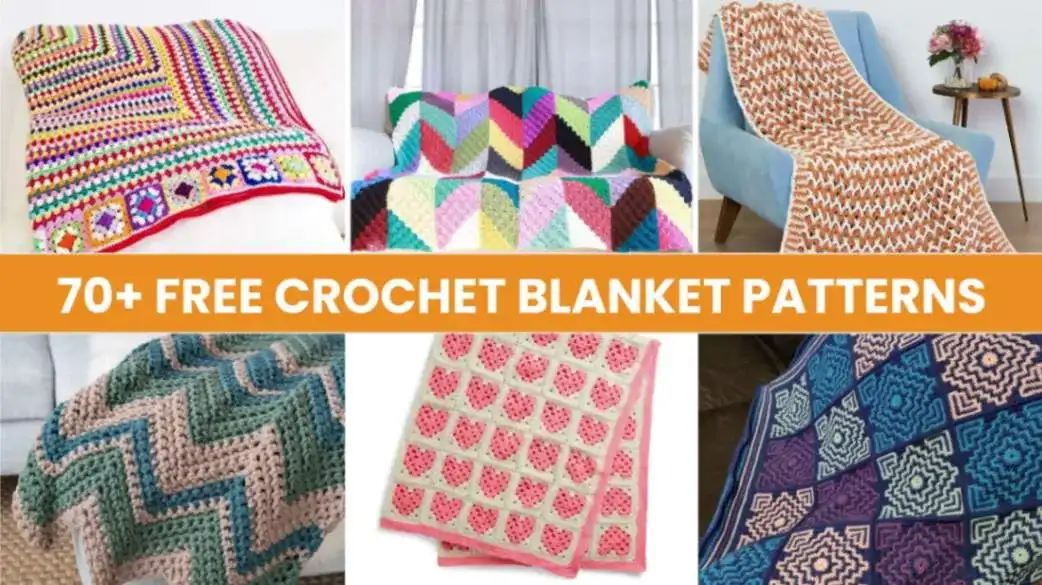
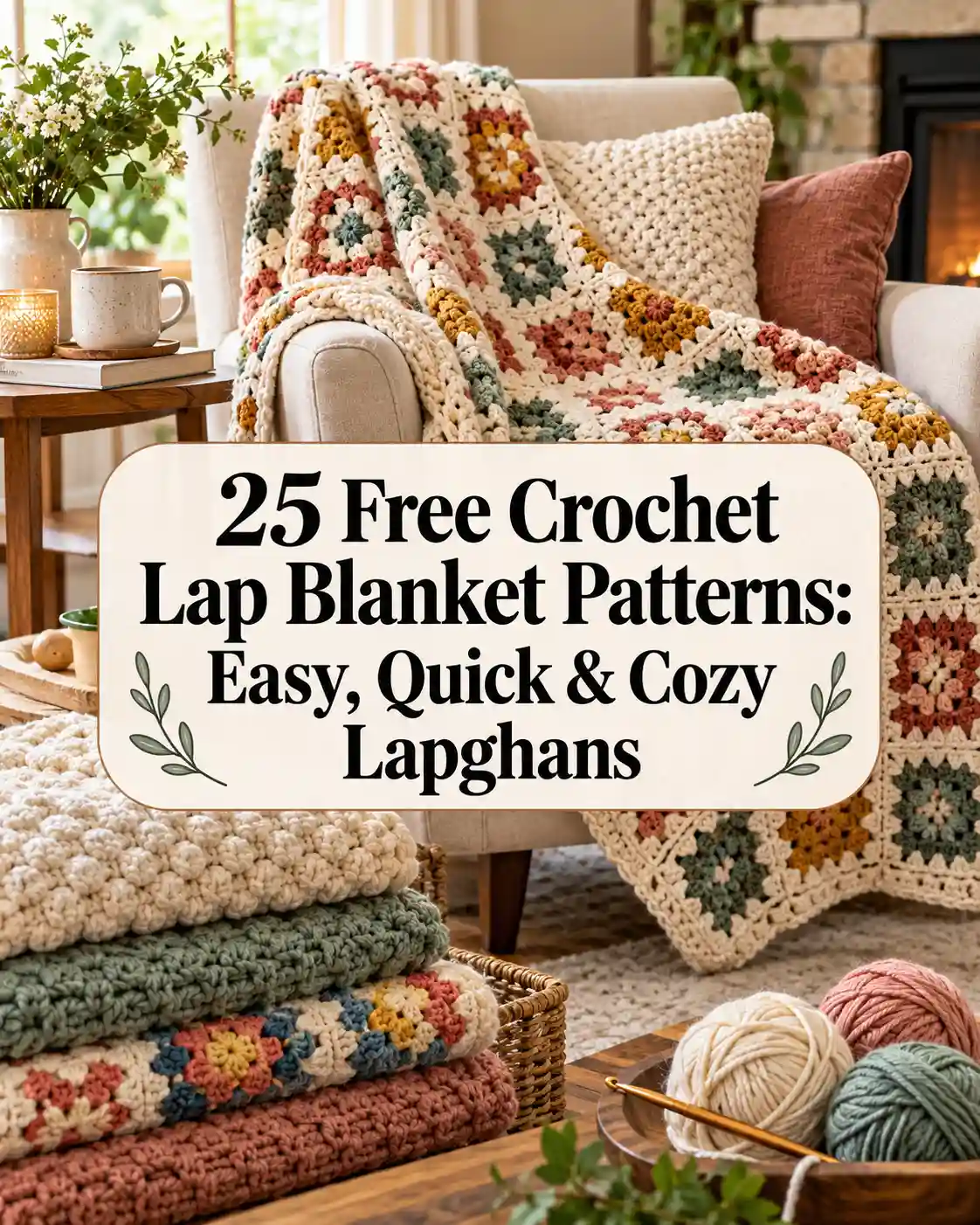
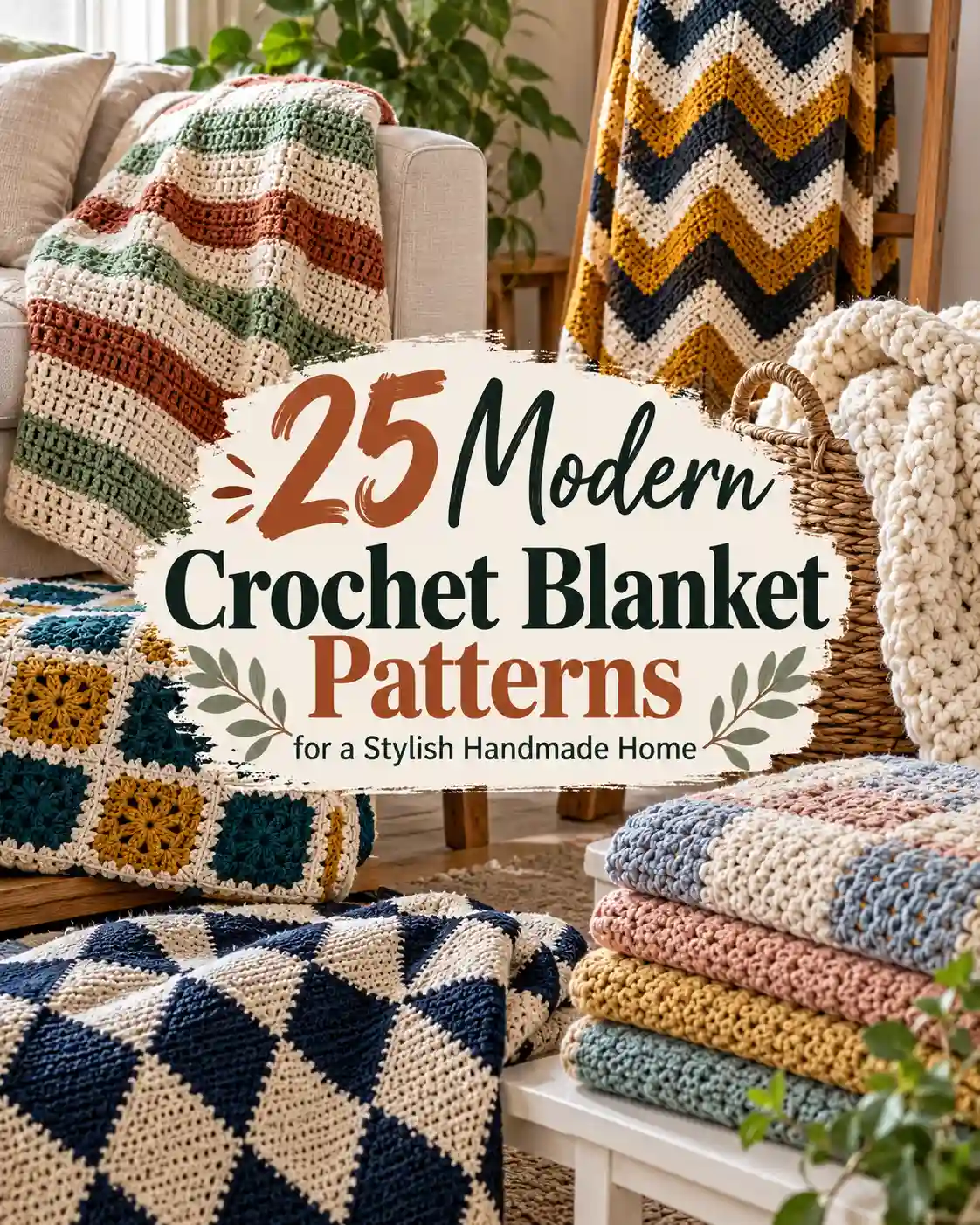
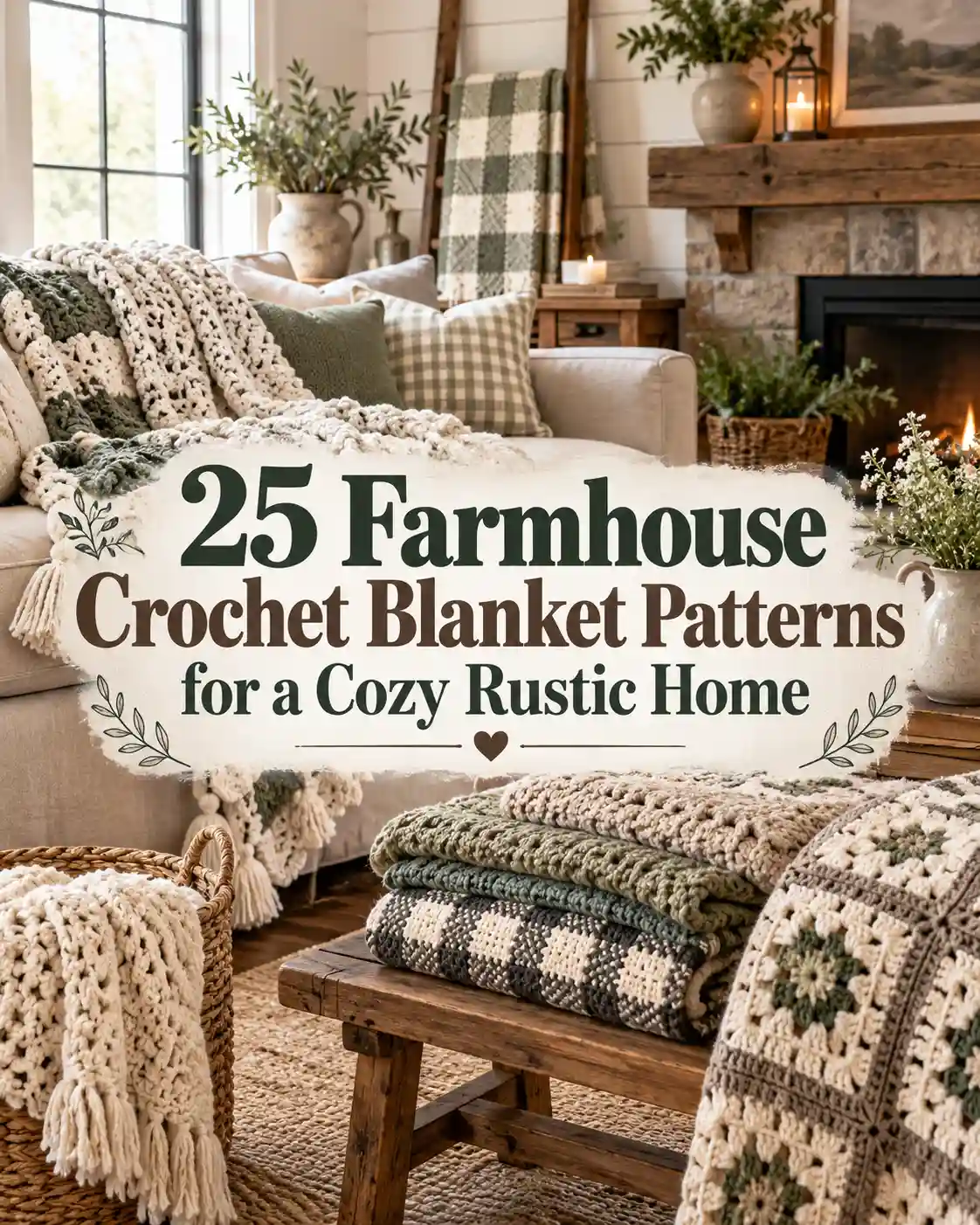
Looking for free crochet lap blanket patterns? These 25 designs include beginner-friendly blankets, chunky lapghans, modern textured stitches, granny squares, and practical options for elderly adults and wheelchair users. Each idea includes a link to a free pattern or tutorial, helping you choose something that suits your yarn, skill level, and the person who will use it.
A lap blanket is smaller than a typical sofa throw, making it easier to handle and a lovely project when you want something cozy without crocheting a full-size blanket.
Some are simple enough for your first big crochet project. Others offer interesting stitches, colorful designs, or a chance to try something new.
Let’s find a lap blanket you’ll enjoy making.
Whether your search began with “crochet lap blanket patterns free” or you already have a favorite stitch in mind, the first decision is how you want the finished blanket to feel. A simple, soft lapghan can be just as satisfying as an intricate one. Pick a design that matches your time, yarn, and recipient, and the whole project becomes more enjoyable.
Key Takeaways
- Start with simple stitch repeats if you’re a beginner.
- Choose yarn based on warmth, softness, and washability.
- Measure seated comfort before making a wheelchair lapghan.
- Try granny squares or color blocks for modern designs.
- Check free pattern instructions and yarn quantities before starting.
- Match blanket weight and size to the recipient’s needs.
Which Free Crochet Lap Blanket Patterns Should You Try First?
Beginners should start with one-row repeats, moss stitch, or double crochet, while experienced crocheters can explore textured lapghans, granny squares, and ripple patterns.
The easiest choice depends on whether you prefer simple repeating rows, thick yarn, or decorative stitches.
If you’re new to crochet, start with a pattern that uses a few basic stitches. If you already crochet comfortably, waffle stitch, basketweave, ripple patterns, and crochet granny square patterns offer more variety.
Quick Crochet Lap Blanket Pattern Comparison
| Pattern style | Skill level | Main benefit |
|---|---|---|
| One-row repeat | Beginner | Easy to remember |
| Chunky yarn lapghan | Beginner–Easy | Larger stitches and quicker fabric growth |
| Granny stitch | Beginner–Easy | Colorful, repetitive rows |
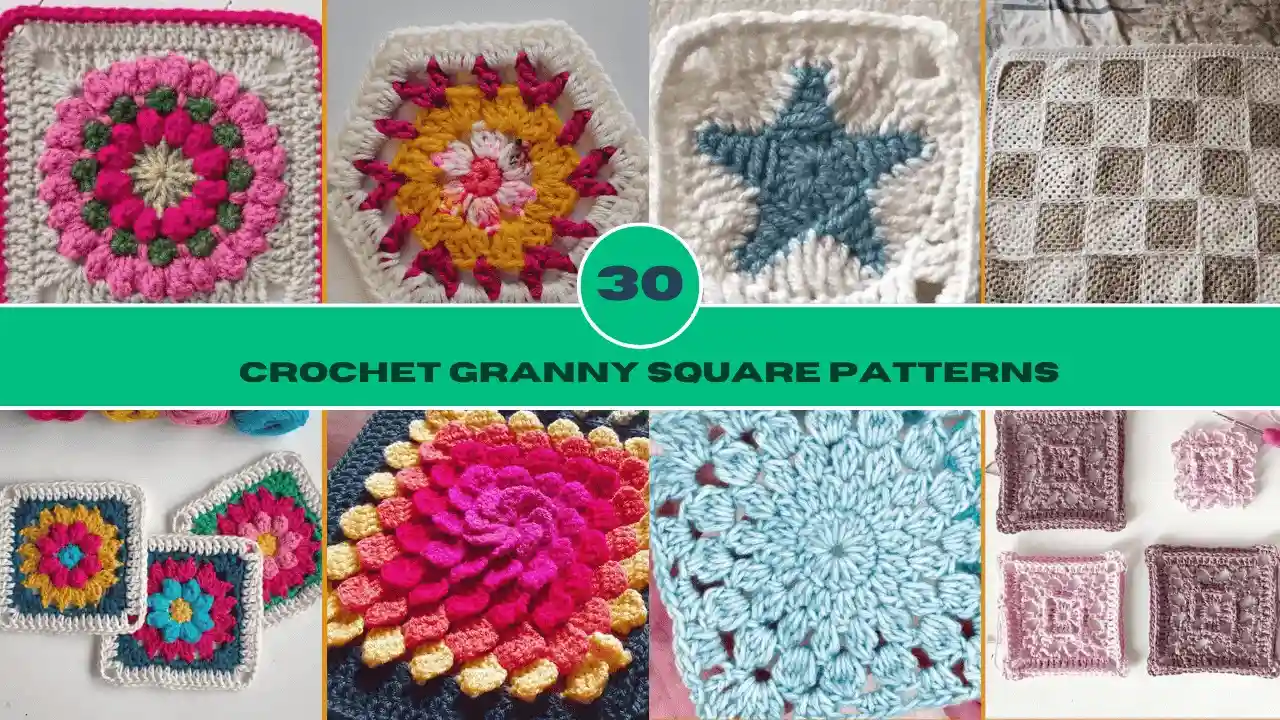
| Granny square blanket | Beginner–Intermediate | Small portable motifs |
| Waffle stitch | Intermediate | Thick, raised texture |
| Moss stitch | Beginner | Flexible, reversible-looking fabric |
| Wheelchair lapghan | Varies | Designed around seated comfort |
| Corner-to-corner | Intermediate | Attractive diagonal construction |
| Suzette stitch | Beginner–Easy | Simple stitches with lovely texture |
25 Free Crochet Lap Blanket Patterns: Easy, Quick & Cozy Lapghans
The difficulty level can vary between designers, so always check the individual pattern before choosing your yarn.
1. One-Row Repeat Crochet Lap Blanket
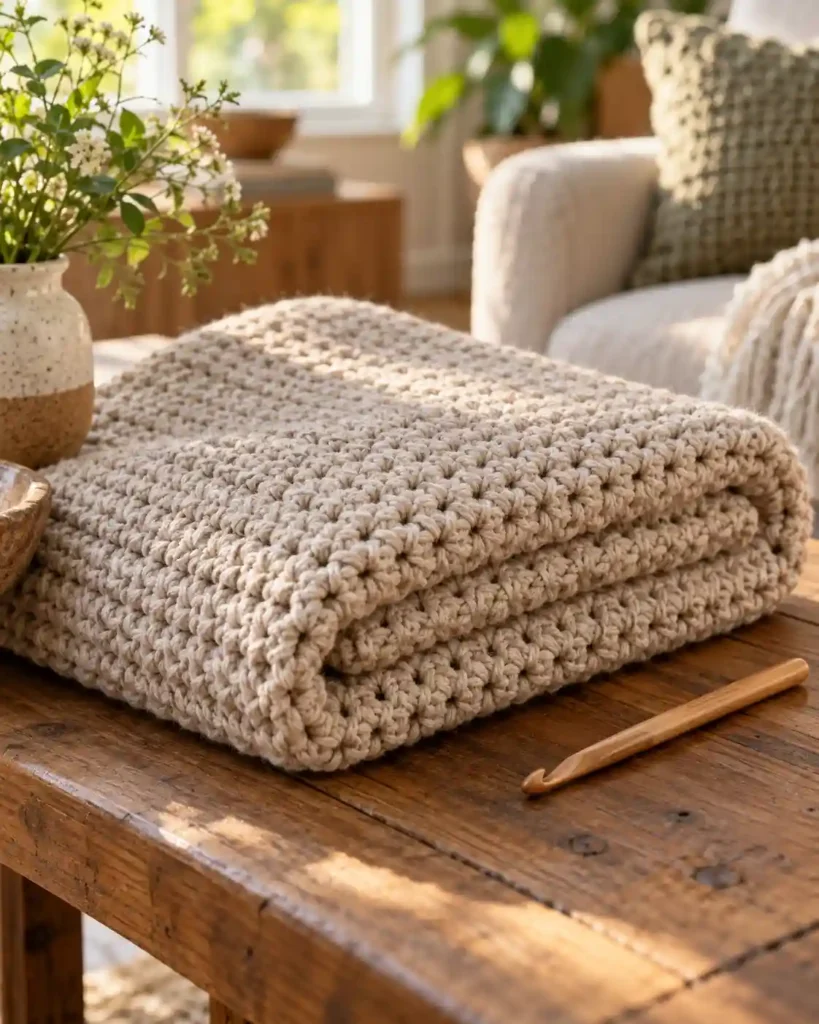
A one-row repeat lap blanket is the kind of project you can settle into without checking your instructions every few minutes. Once the foundation and setup rows are complete, you repeat the same stitch sequence until the blanket reaches your preferred length.
That makes it especially appealing for beginners who want to build confidence with a larger crochet project.
Imagine a soft cream or dusty-blue lapghan draped over your favorite reading chair. It looks neat, feels inviting, and doesn’t need complicated stitch combinations to be beautiful.
A simple repeated pattern also makes it easier to notice mistakes before you’ve worked several extra rows.
Best for: Beginners, relaxed crocheting, and quick handmade gifts.
Special Tip: Place stitch markers at both ends of your rows to help prevent accidental increases or decreases.
2. Super-Bulky Chunky Yarn Lapghan
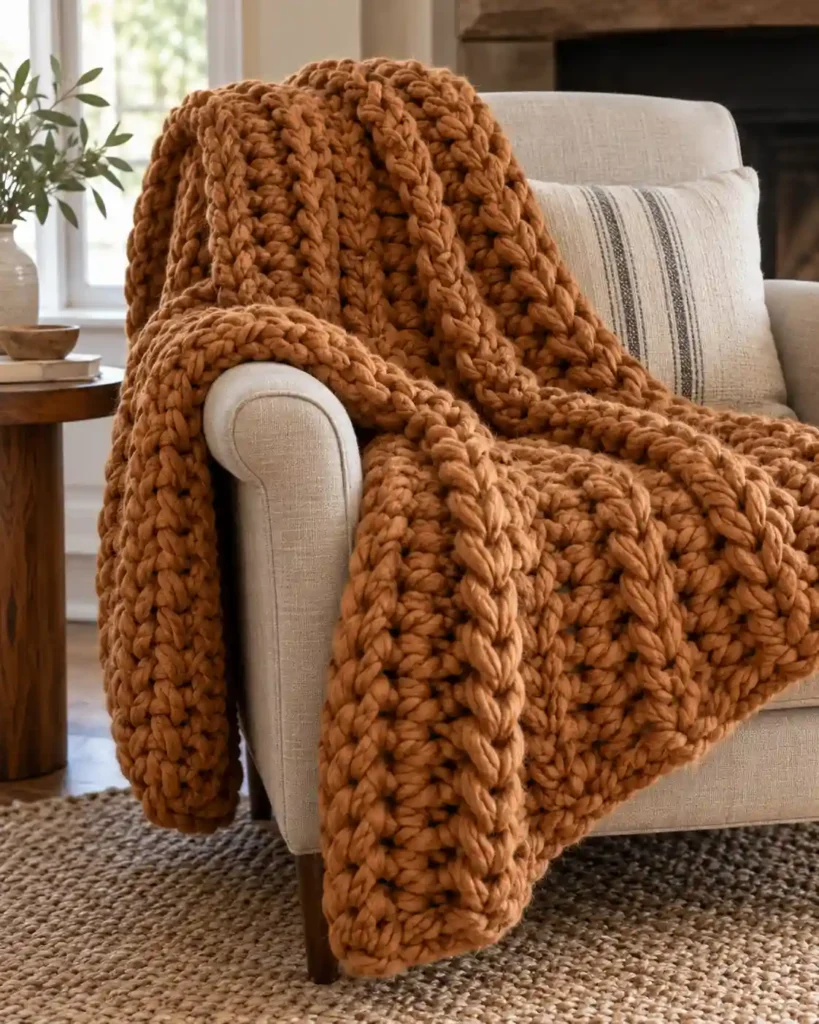
Want a crochet blanket that grows noticeably with every row? A chunky yarn lapghan deserves a spot near the top of your list.
Thicker yarn creates larger stitches, giving a small blanket a plush, substantial appearance. The finished fabric can feel wonderfully cozy on a cold evening, especially when you choose a soft yarn that doesn’t feel stiff against your legs.
A super-bulky lapghan works beautifully in warm neutrals such as oatmeal, caramel, ivory, or soft gray. It can turn a plain armchair into a particularly inviting corner.
Just remember that thicker doesn’t automatically mean better. Some bulky blankets become quite heavy, so consider who will be using yours.
Best for: Winter gifts and people who enjoy thick, cozy blankets.
Special Tip: Choose your hook based on the pattern’s gauge and the fabric’s drape rather than assuming the largest hook will produce the best result.
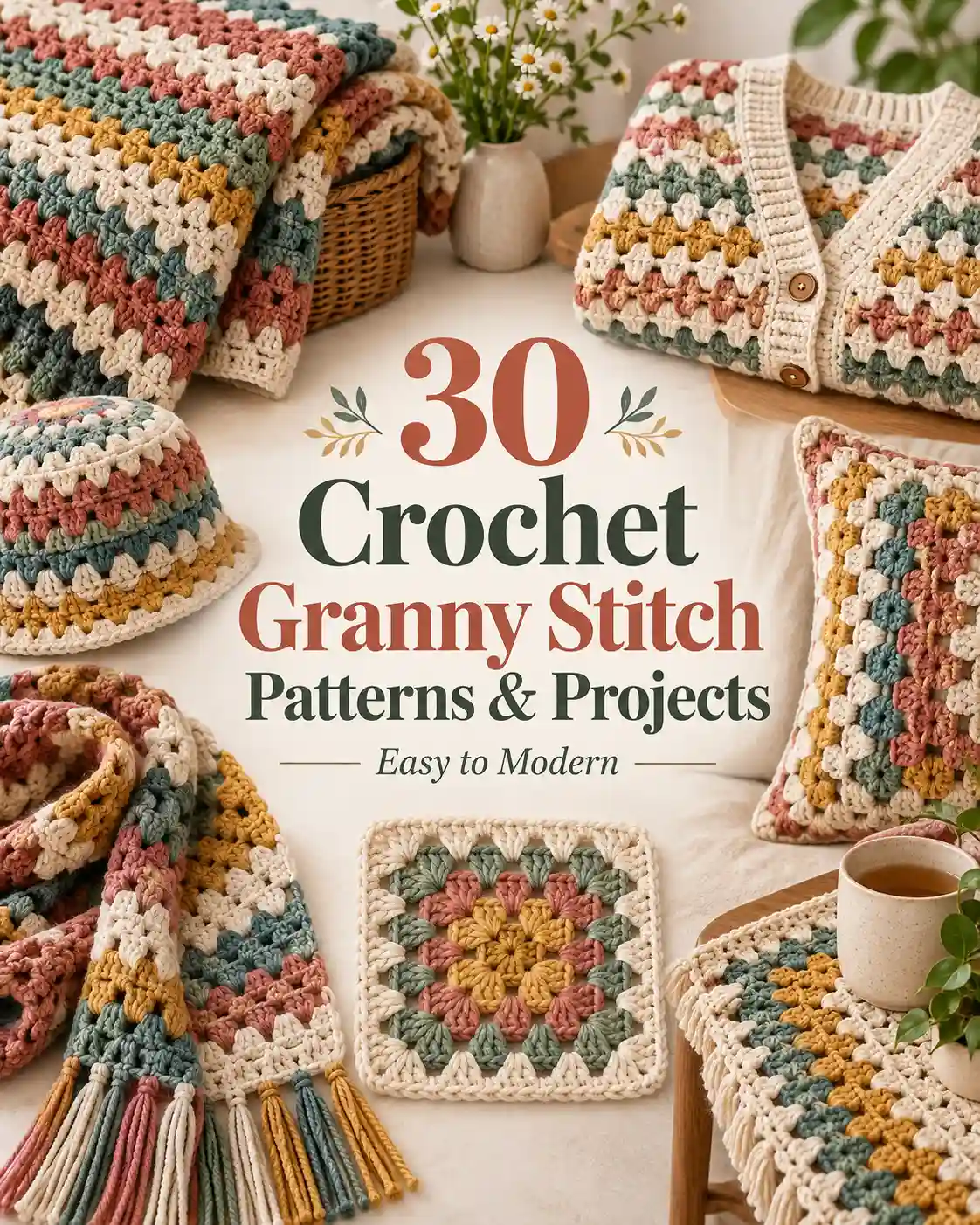
3. Granny Stitch Striped Lap Blanket
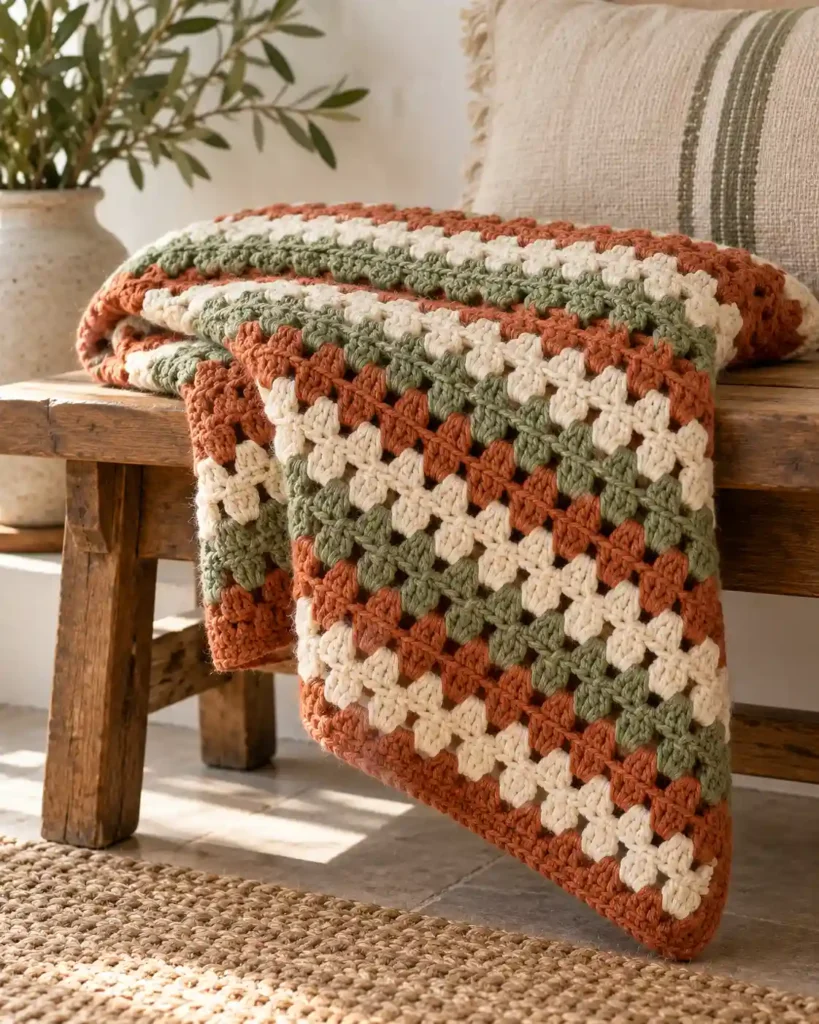
There’s something cheerful about granny stitch stripes. Those familiar clusters of double crochet stitches create little pockets of texture, and changing colors makes even a straightforward blanket feel special.
Instead of committing to complicated motifs, you work rows of granny stitches across the blanket. This makes it easier to experiment with color combinations while keeping the construction manageable.
Try cream with sage and terracotta for a softer look, or combine brighter leftover yarns for something playful.
The granny stitch is especially satisfying when you’re making a gift and want a colorful result without learning an entirely new collection of stitches.
Best for: Color lovers, confident beginners, and stash-busting projects.
Special Tip: Plan your stripe sequence before starting so your finished blanket has a balanced color arrangement.
4. Granny Square Patchwork Lapghan
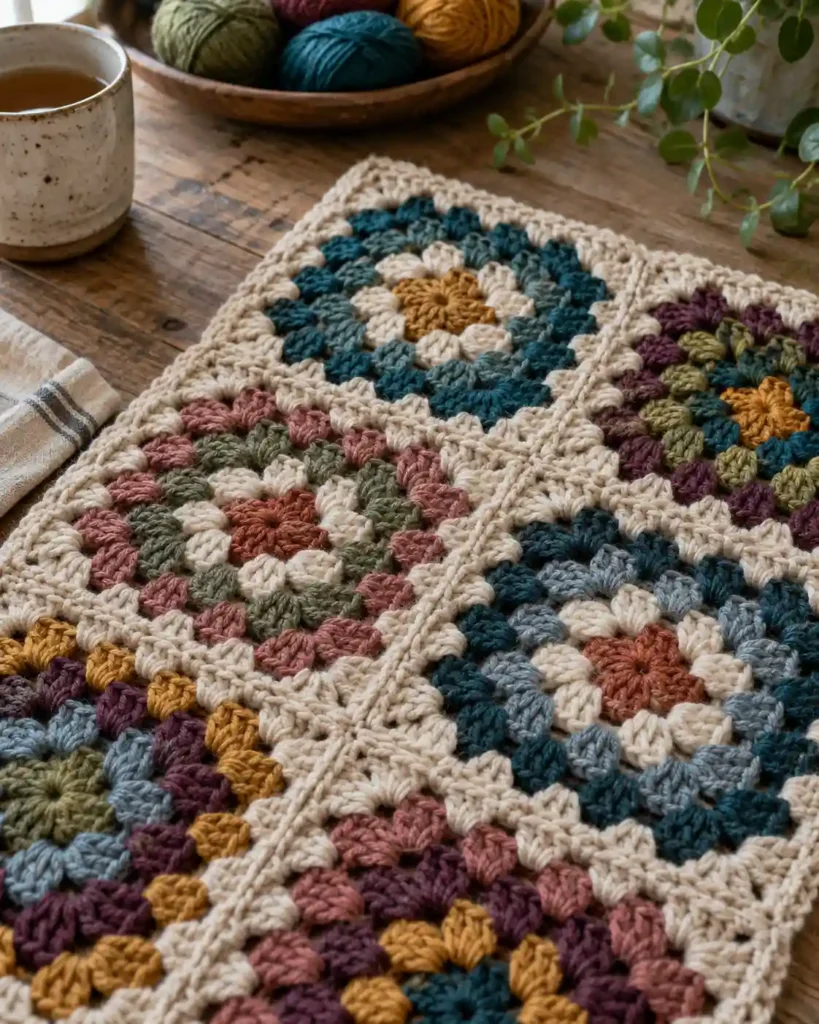
Not everyone enjoys having a large blanket sitting in their lap while they crochet. That’s where a granny square patchwork lapghan becomes especially useful.
You make individual squares first, then arrange and join them into one blanket. It’s a flexible way to work on a bigger project in small, manageable sessions.
You might choose traditional granny squares, floral centers, textured squares, or a combination of complementary designs.
For a cottage-inspired look, mix muted pink, cream, and taupe. A modern version could use charcoal, ivory, and mustard.
The nicest part is seeing the finished squares gradually turn into a complete blanket.
Best for: Portable crocheting, creative color combinations, and handmade gifts.
Special Tip: Measure and block your squares as appropriate for the yarn before joining them. Consistent square sizes make assembly easier.
Which Textured Crochet Lap Blanket Patterns Are Worth Trying?
Waffle, moss, V-stitch, and ripple crochet patterns create different fabric textures, ranging from thick and raised to light and flexible.
Texture can make a single-color crochet blanket look more interesting without requiring frequent yarn changes.
These next four designs use different stitch arrangements to create warmth, movement, or decorative detail.
5. Cozy Waffle-Stitch Lap Blanket
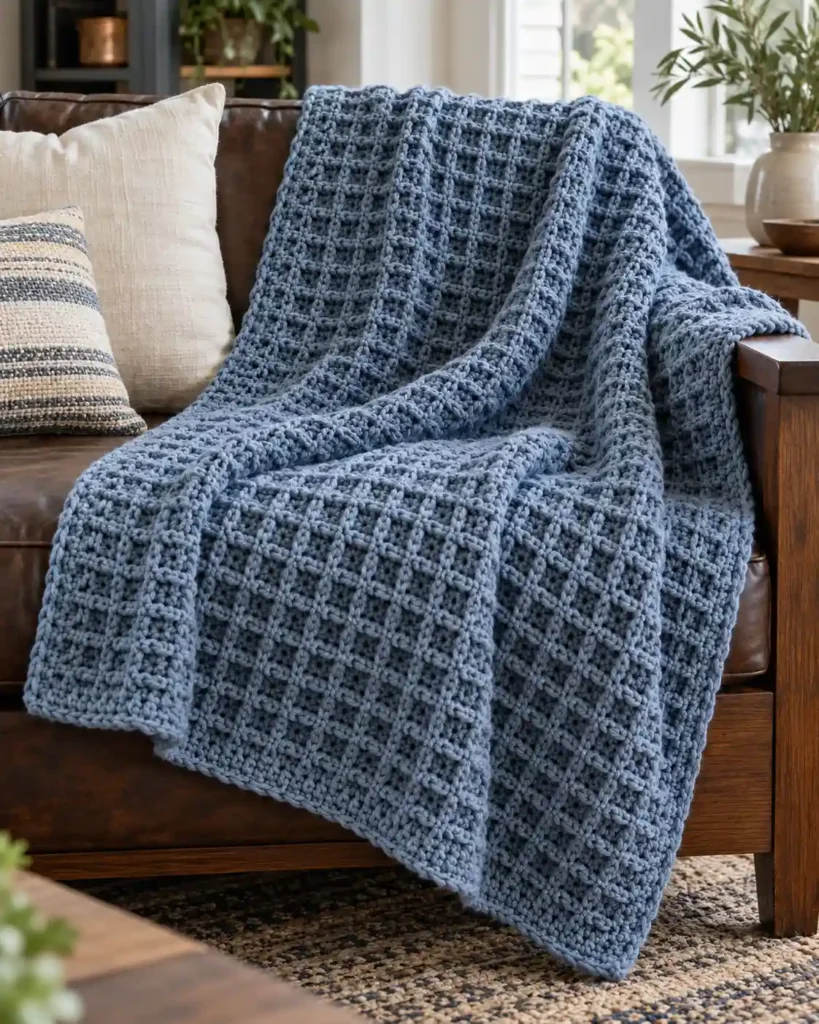
A waffle-stitch lap blanket almost invites you to reach out and touch it.
The raised grid pattern creates a distinctive three-dimensional surface that looks especially lovely in solid colors. Compared with a basic double-crochet blanket, this stitch gives the fabric more structure and a thicker feel.
It’s an excellent choice for a winter lapghan that will stay folded across an armchair or sofa.
Choose a soft worsted-weight yarn to show off the stitch definition. Dusty blue, cream, and warm gray are particularly attractive options.
One thing to plan for: waffle stitch can use more yarn than simpler, flatter stitches.
Best for: Winter warmth, textured blankets, and crocheters ready to practice post stitches.
Special Tip: Crochet a small waffle-stitch swatch before buying all your yarn. Its raised texture can change both yarn requirements and finished dimensions.
6. Simple Moss-Stitch Crochet Lapghan
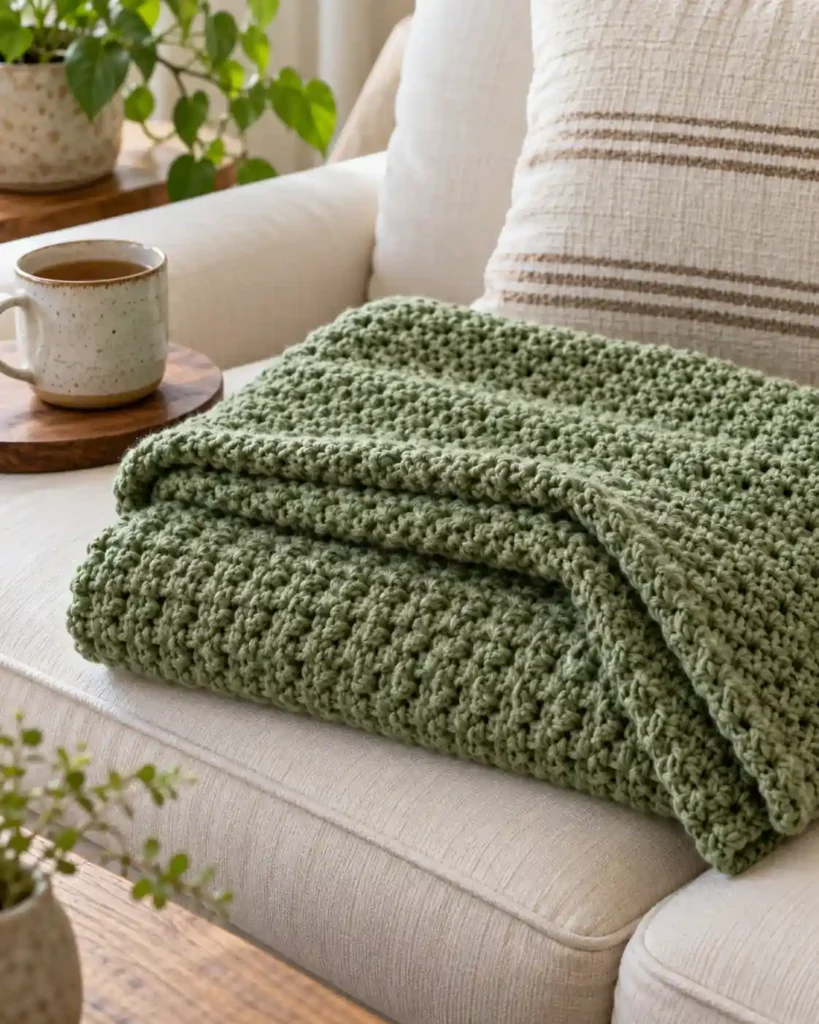
The moss stitch proves that simple crochet stitches can create beautiful fabric.
Also called linen stitch or granite stitch, moss stitch crochet combines single crochet stitches with chain spaces to produce a small, woven-looking texture.
Unlike heavily raised stitches, moss stitch creates a relatively flat surface with a comfortable drape.
It works well for a soft lap blanket that can be folded easily, carried from room to room, or used while sitting at a desk.
A single muted color gives it a clean finish, while narrow stripes add interest without overwhelming the design.
Best for: Beginners, everyday lap blankets, and simple modern crochet.
Special Tip: Keep the chain spaces consistent. Tight chains can make moss-stitch fabric less flexible.
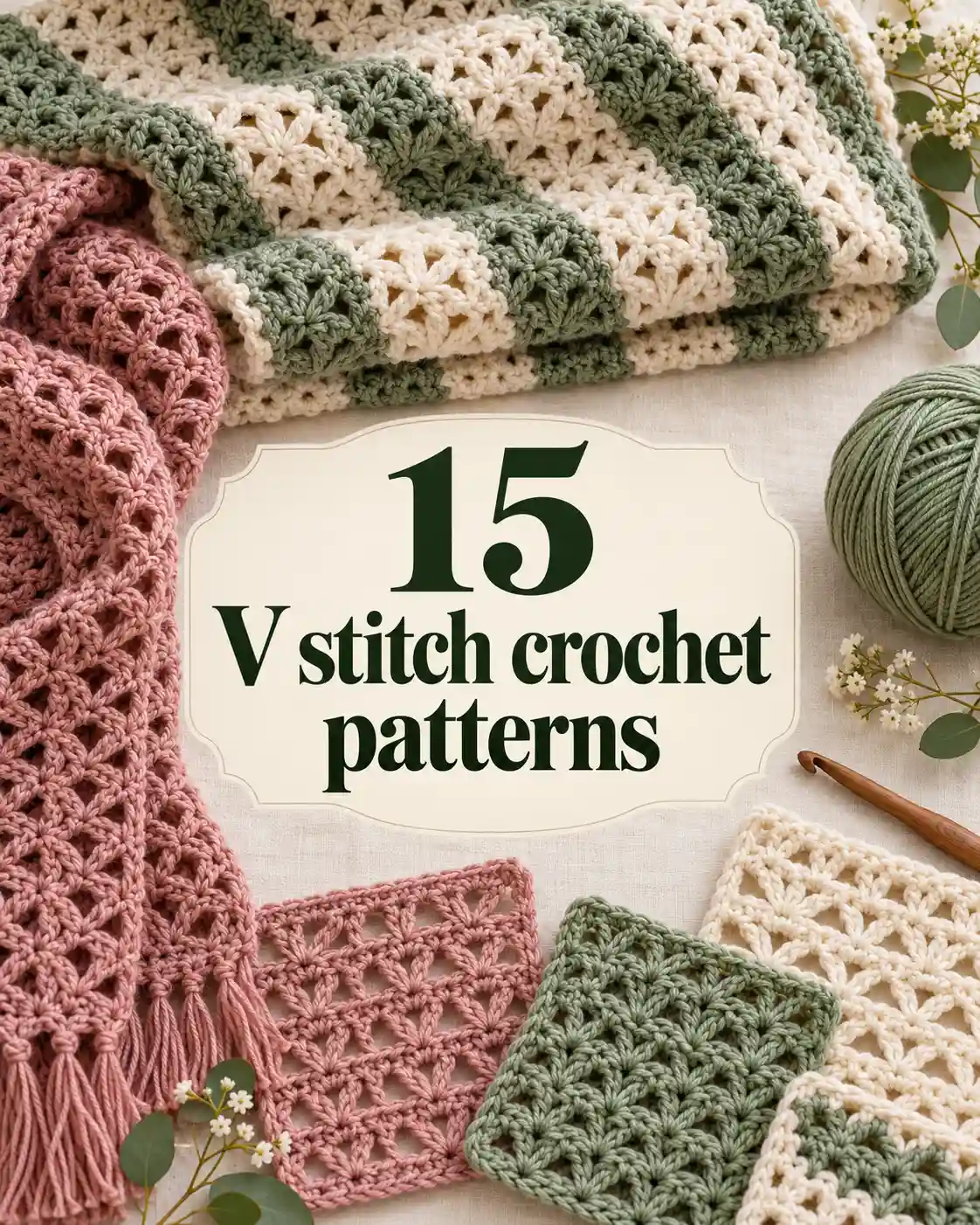
7. Airy V-Stitch Crochet Lap Blanket
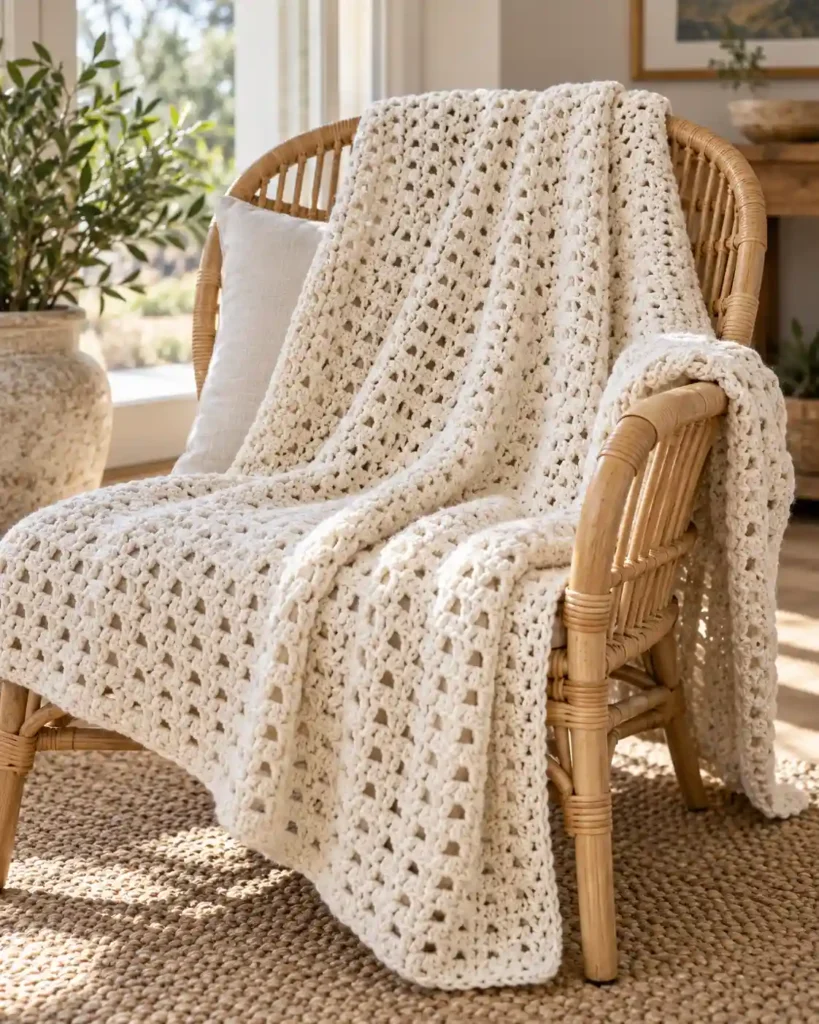
Not every lap blanket needs to be thick enough for freezing weather.
A V-stitch crochet lapghan creates an airy fabric with visible openings between the stitches. The repeated V shapes make it decorative without requiring complicated colorwork.
This style is lovely for a spring afternoon or a cool evening when you want a light layer over your legs.
It also looks elegant folded over a chair or arranged on a bench.
Because the stitch creates open spaces, think about the recipient’s needs before choosing it for frequent seated use.
Best for: Lightweight blankets, decorative gifts, and crocheters comfortable with double crochet.
Lion Brand’s pattern measures approximately 30 × 34 inches and is listed as an intermediate-level project.
Special Tip: A simple, solid border can give the open fabric a more stable, finished edge.
8. Easy Ripple-Stitch Lapghan
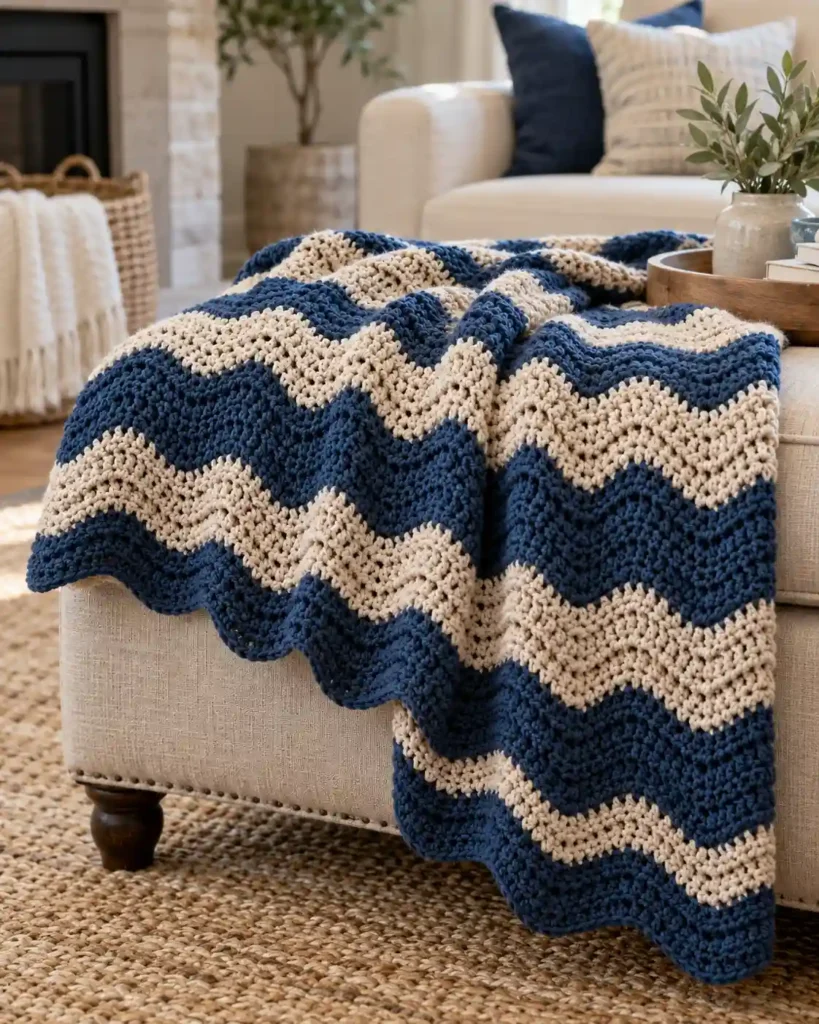
A ripple-stitch lapghan is a wonderful alternative when straight horizontal stripes feel a little too plain.
The pattern uses increases and decreases to create gentle waves or chevrons across the fabric.
Those flowing lines look beautiful in contrasting colors, but the same stitch can be just as attractive in one shade.
Try a combination of navy, cream, and dusty blue for a calm look, or use sunset colors for something brighter.
Once you understand how the peaks and valleys form, the repeated rows become easier to follow.
Best for: Crocheters who want to learn shaping and create decorative striped blankets.
Special Tip: Count stitches carefully at the beginning of a ripple project. Missing an increase or decrease can shift the whole wave pattern.
What Crochet Lap Blankets Work Best for Elderly Adults and Wheelchair Users?
Comfortable lapghans for older adults and wheelchair users should fit the individual, feel soft, and remain easy to handle without excess fabric near wheelchair wheels.
When choosing crochet lap blankets for elderly adults, softness and comfort matter more than decorative complexity.
A useful lapghan should fit the person, feel pleasant against clothing or skin, and be easy to care for. For someone using a wheelchair, check the blanket’s length and make sure loose fabric cannot reach the wheels.
At a Glance
- Prioritize manageable weight and soft texture.
- Measure the recipient while seated.
- Choose washable yarn when practical.
- Avoid dangling fringe near wheelchair wheels.
9. Practical Wheelchair Lap Blanket
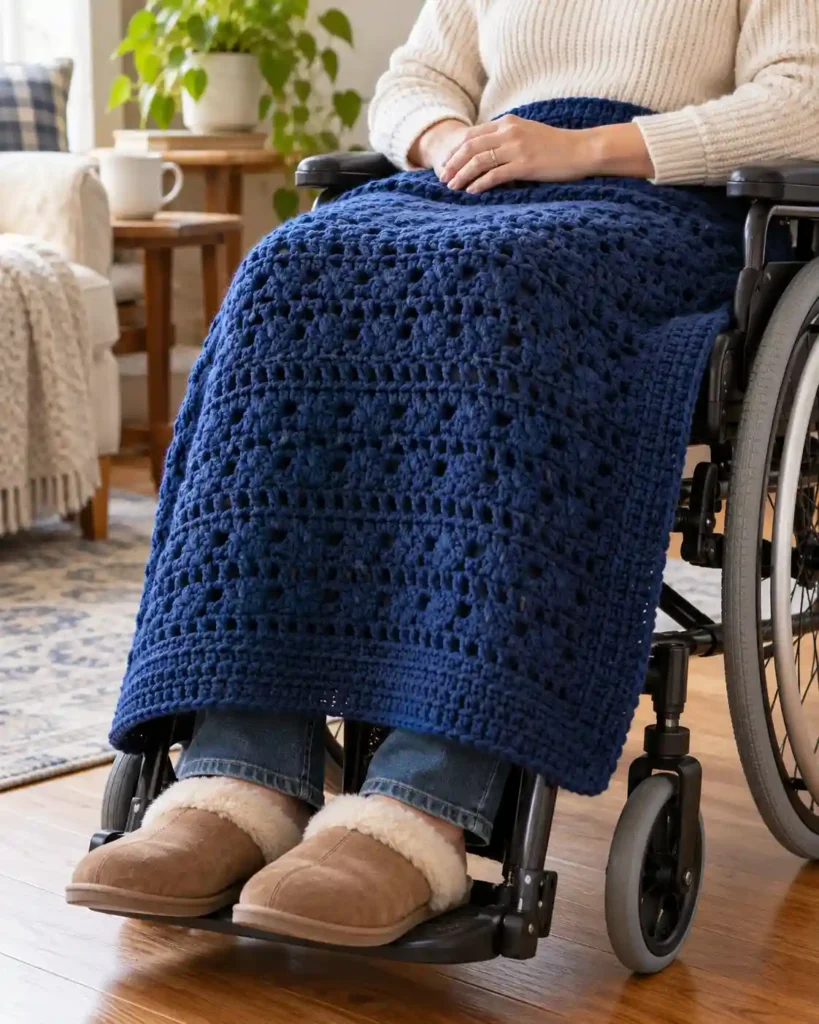
A wheelchair lap blanket has a slightly different job from a blanket made for curling up on the sofa.
It should provide comfortable coverage while remaining manageable for someone seated in a chair.
A compact design with a tidy border is often more useful than a large blanket with long tassels or fringe.
Look for a soft, washable yarn and measure the intended recipient’s seating position before choosing the final dimensions.
The goal is warmth without unnecessary fabric hanging near moving parts.
Best for: Wheelchair users and anyone who needs a compact seated-use blanket.
This design can be made without fringe, making it a practical starting point for a wheelchair-friendly version.
Special Tip: Check the finished fit while the person is seated, including how the blanket behaves when they move or reposition themselves.
10. Soft, Washable Lapghan for Seniors
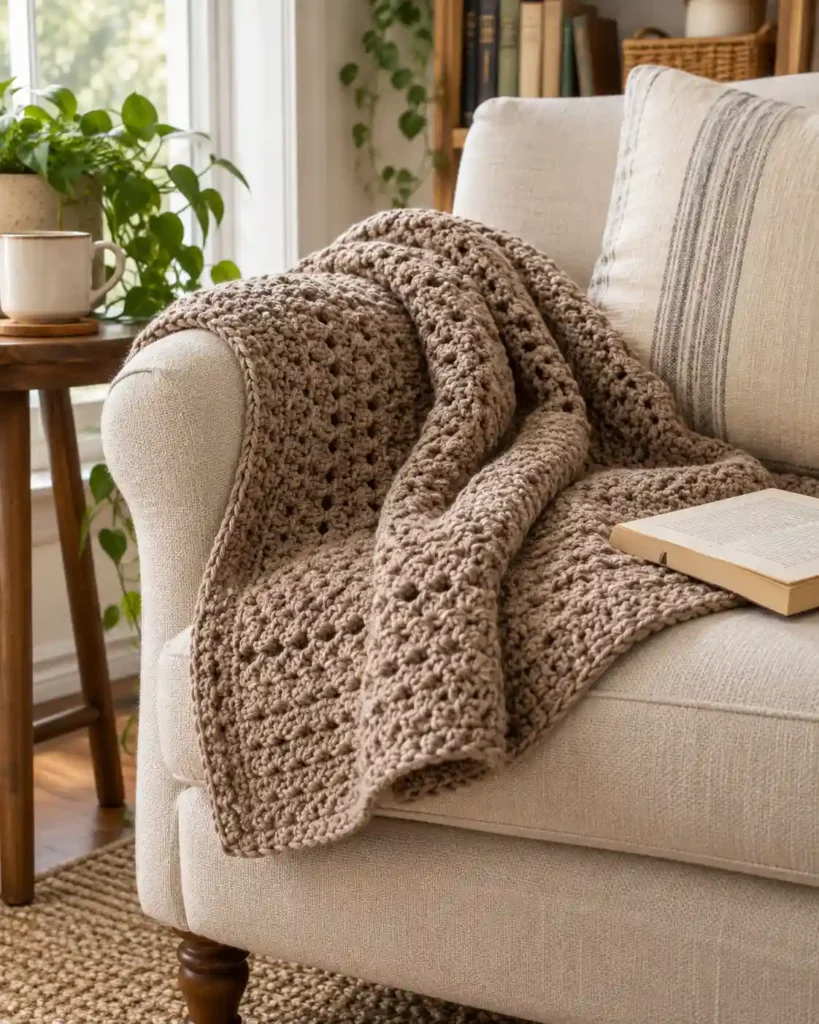
A handmade lapghan can be a thoughtful gift for an older relative, especially someone who spends time reading, watching television, or relaxing in a favorite chair.
For this project, I’d prioritize a pleasant fabric texture and easy washing over elaborate stitchwork.
Acrylic and suitable machine-washable blends are worth considering, provided the yarn feels comfortable and the care instructions suit the recipient.
A soft, uncomplicated pattern can also be easier to fold and handle than a particularly thick blanket.
Choose a color that suits the person rather than assuming all seniors prefer traditional or muted shades.
Best for: Practical handmade gifts, care-home donation projects, and everyday comfort.
Special Tip: If you’re donating a blanket, contact the organization first to confirm the required dimensions and permitted yarn types.
11. Small One-Skein Crochet Lap Blanket
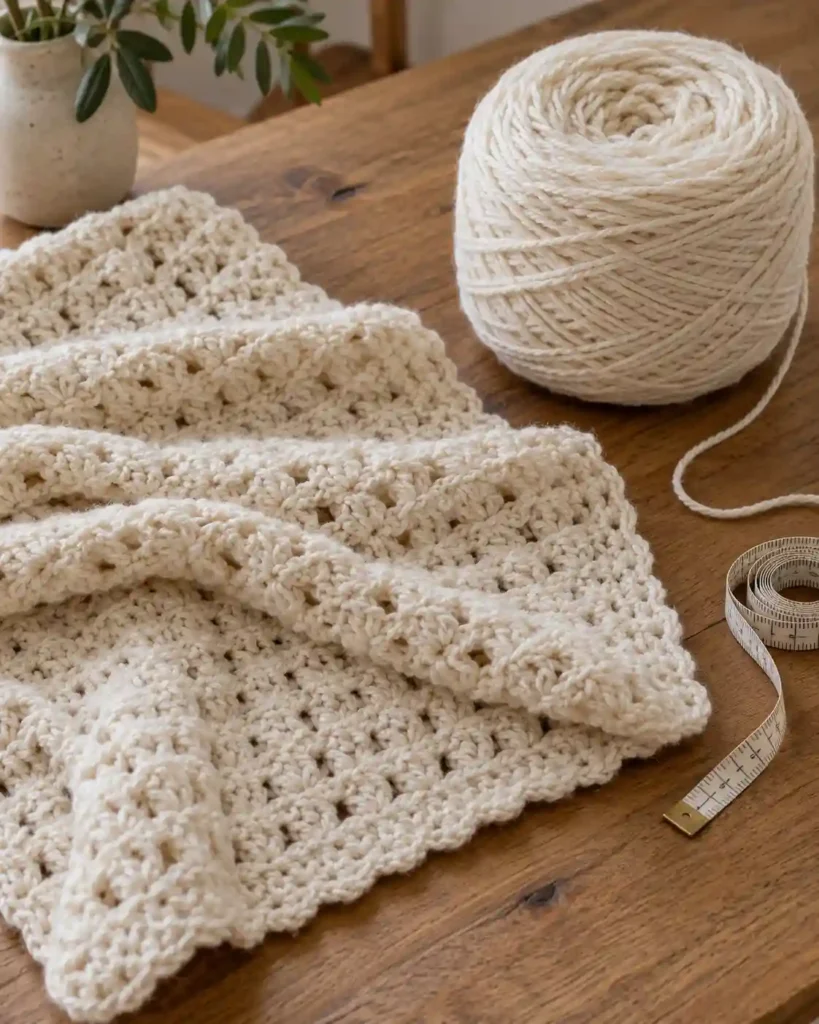
The idea of making a lap blanket from just one skein of yarn sounds almost too convenient.
But there are genuine one-skein lap throw patterns, especially when the skein contains a generous amount of yarn.
One example is Red Heart’s One-Skein Lap Throw, designed around a large skein of Red Heart Comfort.
This is a helpful option when you prefer fewer yarn joins or want to make a manageable project from a single color.
Just don’t assume every skein will be enough. A standard small skein may contain far less yarn than a large value-size ball.
Best for: Budget-conscious projects and crocheters who prefer minimal yarn changes.
Special Tip: Compare total yardage, not the number of skeins. The amount of yarn inside one skein varies considerably.
12. Scrap-Yarn Stash-Buster Lapghan
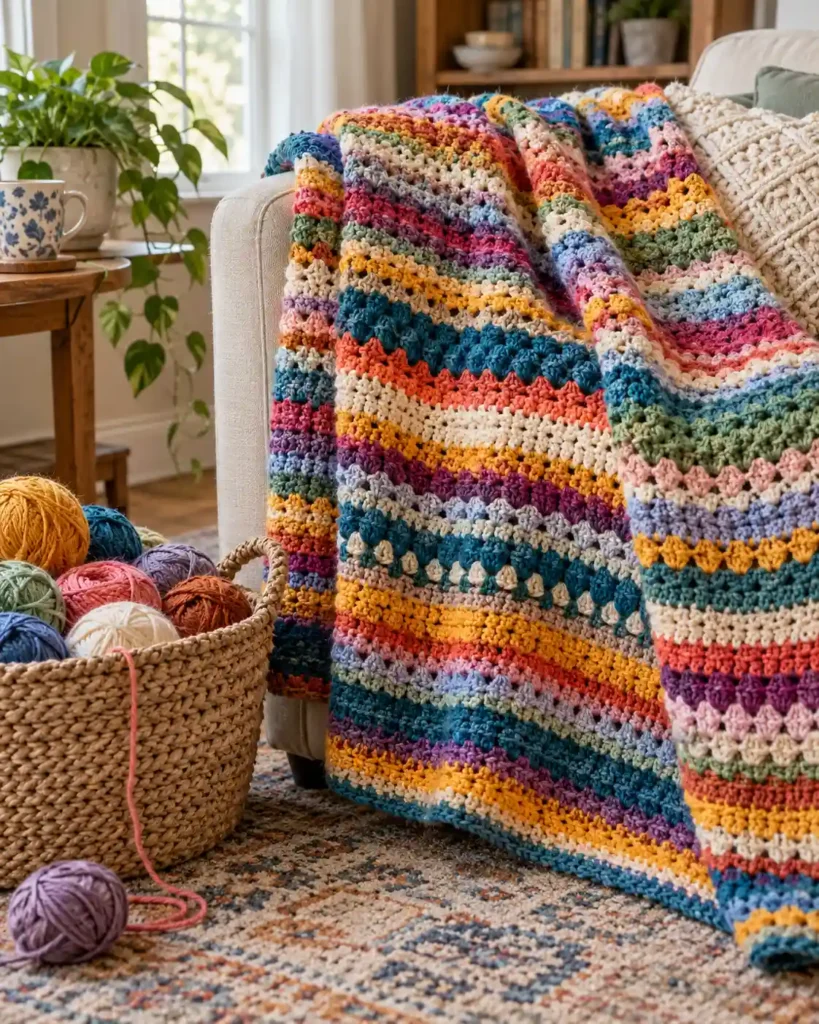
Have a basket full of leftover yarn from scarves, hats, and previous blankets?
A scrap-yarn lapghan gives those odd balls and partial skeins a purpose.
You can create colorful stripes, small blocks, or a more irregular design that makes the most of your existing supplies.
This is particularly satisfying when each color reminds you of another project.
To keep the finished blanket consistent, group your leftovers by yarn weight and choose fibers with compatible care instructions.
A coordinated selection of scraps often produces a more intentional result than mixing every available yarn.
Best for: Using leftover yarn, colorful gifts, and reducing craft waste.
Special Tip: Arrange your yarn colors before starting and photograph the proposed sequence. It’s an easy reference when deciding which shade to use next.
How Can You Make a Modern Crochet Lap Blanket?
Create a modern lapghan with geometric color blocks, subtle textured stitches, simple borders, and a coordinated color palette that suits contemporary interiors.
Modern crochet lap blanket patterns often rely on clean shapes, restrained colors, and interesting construction rather than elaborate decoration.
These designs are especially suitable for contemporary living rooms and handmade housewarming gifts.
13. Modern Color-Block Lap Blanket
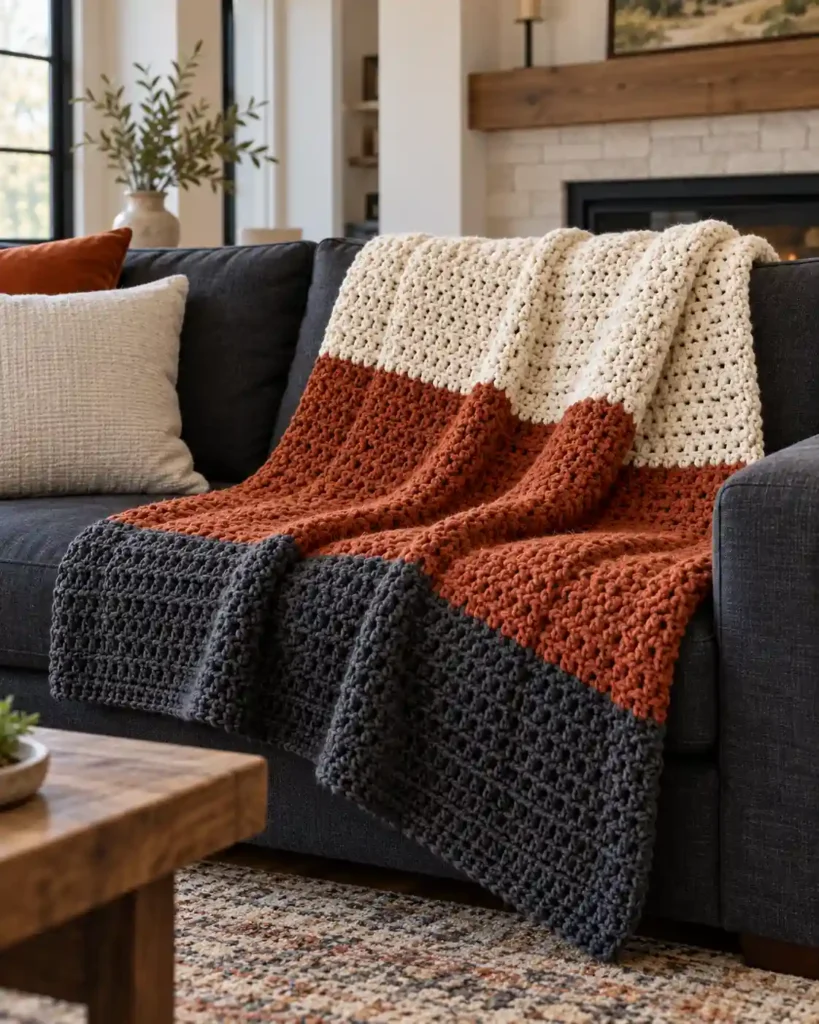
A modern color-block lapghan is an easy way to make simple stitches look more sophisticated.
Instead of changing colors every few rows, the design uses larger sections of complementary shades.
Cream, charcoal, rust, and olive are lovely choices for a contemporary blanket.
The broad blocks make the color arrangement the main feature, so the stitches themselves don’t have to compete for attention.
This style looks beautiful on a plain sofa or folded across the foot of a bed.
For a more adventurous version, try a mitered or geometric arrangement rather than traditional horizontal stripes.
Best for: Modern home décor and personalized housewarming gifts.
The pattern includes a lapghan-size option and uses an interesting mitered construction.
Special Tip: Limit your palette to two to four colors if you’re aiming for a clean, minimalist appearance.
14. Corner-to-Corner Mini Lapghan
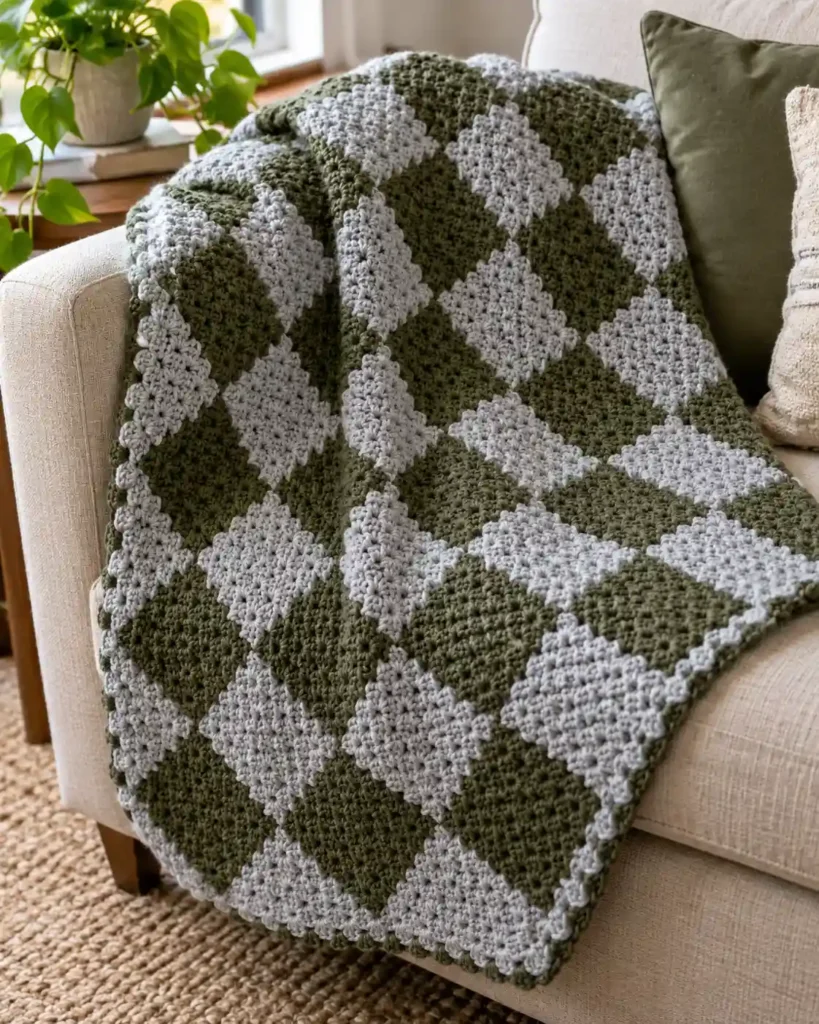
Corner-to-corner crochet, often called C2C crochet, builds the fabric diagonally rather than in conventional horizontal rows.
The little blocks create a textured surface that works particularly well for geometric patterns.
It’s an enjoyable technique when you’re ready to move beyond straightforward rectangular rows.
A simple two-color design can feel modern without becoming complicated, while a patterned version allows more creative possibilities.
The diagonal construction also makes it interesting to watch the shape develop.
Best for: Crocheters learning new techniques and fans of geometric blankets.
Special Tip: Practice making a small C2C square before starting the complete blanket. Understanding the increases and decreases makes the larger project much easier.
15. Shell-Stitch Crochet Lap Blanket
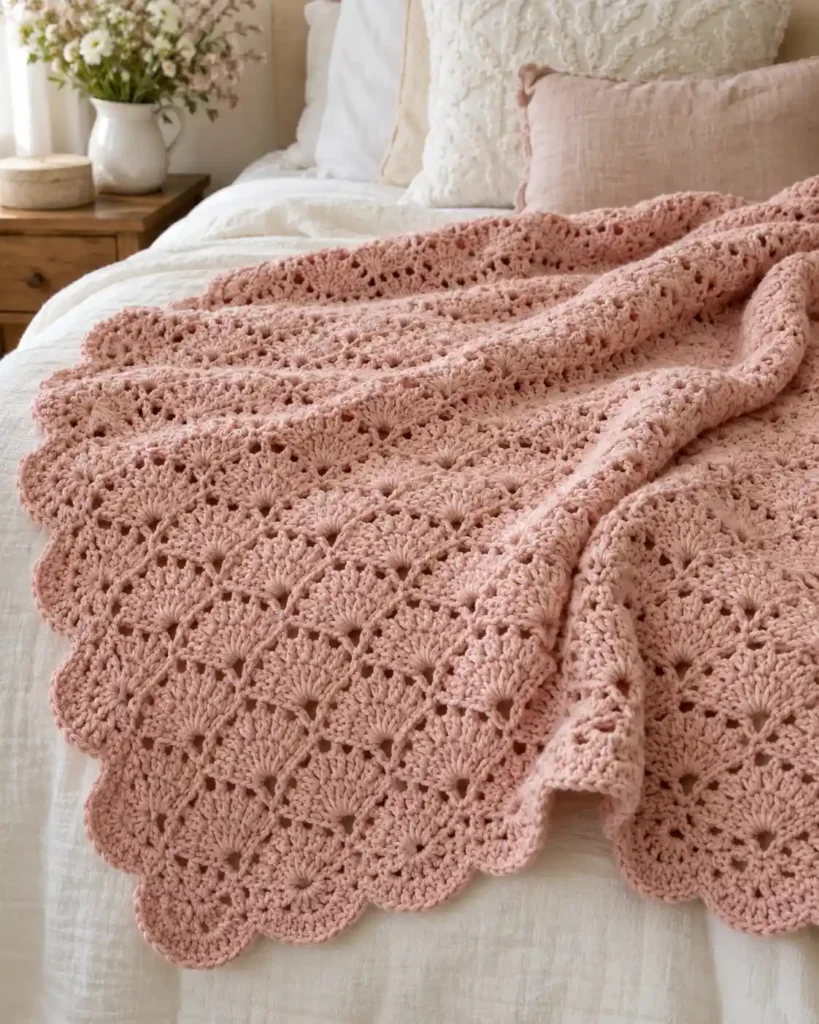
Shell stitch creates the kind of decorative detail that makes a handmade blanket feel special.
Groups of stitches form fan-like shapes across the fabric, producing a soft, flowing pattern.
A shell-stitch lapghan can look delicate without being overly complicated once you’ve learned the repeat.
Soft pink, cream, and pale blue suit a romantic style, while deeper colors can give the same stitch a more traditional appearance.
It makes a particularly lovely gift when finished with a coordinating border.
Best for: Decorative lapghans, handmade gifts, and crocheters who enjoy pretty stitch patterns.
Special Tip: Pay attention to the foundation-chain multiple. Shell patterns need the correct spacing to keep their repeats even.
16. Basketweave-Stitch Lapghan
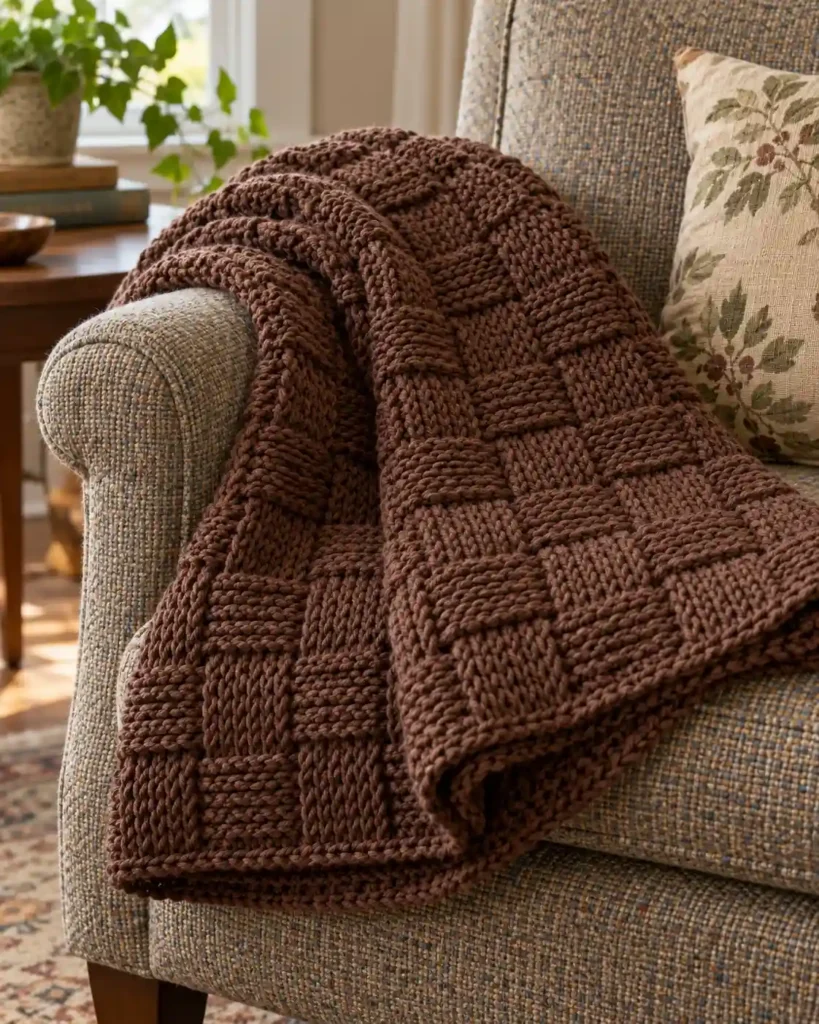
Basketweave crochet has a wonderfully rich appearance.
Alternating groups of raised stitches create a woven-looking surface, giving the blanket a more structured texture than ordinary crochet rows.
The finished result can look particularly impressive in a single solid color.
Picture a warm cream basketweave lapghan folded over a brown armchair. The stitch pattern alone provides enough visual interest.
It’s a satisfying project when you want to practice post stitches and make something that looks more involved than basic crochet.
Best for: Textured winter blankets and crocheters improving their stitch skills.
Special Tip: Avoid using highly variegated yarn if your main goal is to showcase the woven texture.
Which Lightweight and Textured Lap Blanket Patterns Should You Make Next?
Linen stitch, sedge stitch, bobble stitch, and alpine stitch offer different combinations of softness, stitch definition, warmth, and decorative texture.
You can create very different blankets simply by changing the stitch structure and yarn.
These patterns range from breathable fabric for warmer rooms to cozy designs with pronounced raised details.
17. Lightweight Linen-Stitch Summer Lapghan
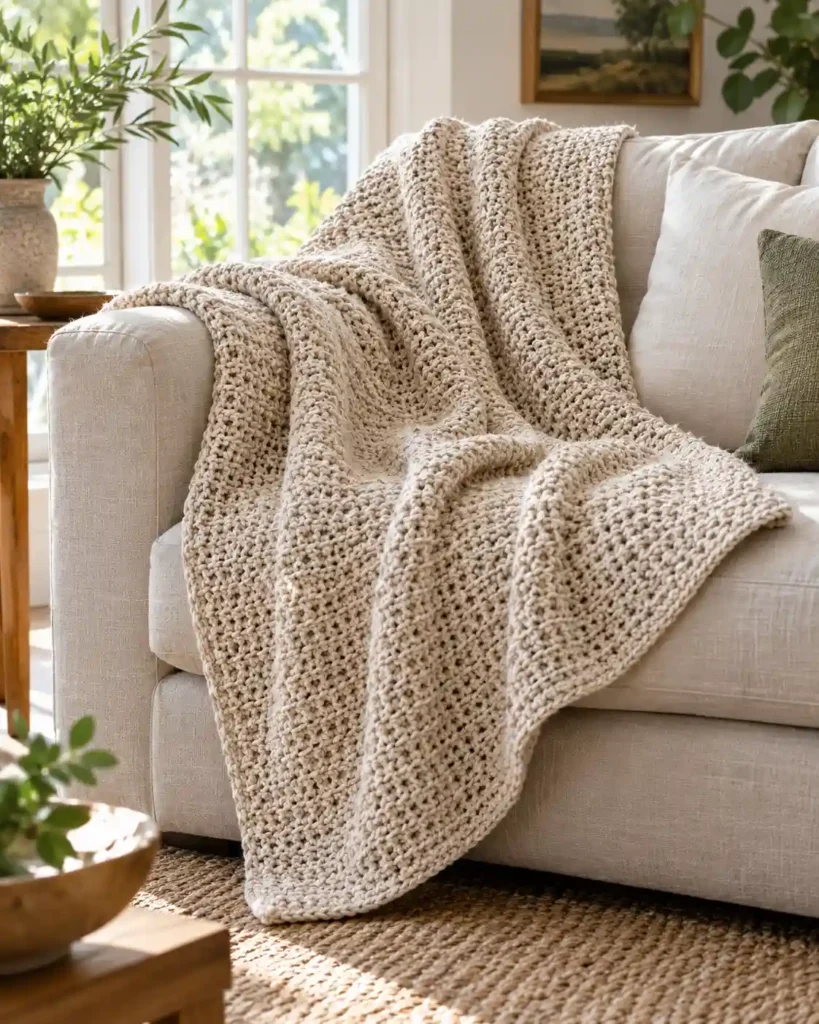
A lightweight linen-stitch blanket is a lovely choice when bulky winter yarn feels unnecessary.
The stitch produces an understated woven texture, making it suitable for simple, contemporary crochet projects.
For a lighter lapghan, consider a suitable DK cotton blend or another yarn that offers comfortable drape without excessive weight.
Pale oat, cream, sage, and soft blue all work beautifully for this style.
The finished blanket should feel easy to handle rather than stiff or overly dense.
Best for: Spring and summer evenings, lightweight gifts, and subtle modern texture.
Special Tip: If substituting cotton for the original yarn, make a gauge swatch first. Cotton can change the drape and weight of the finished blanket.
18. Everyday Sedge-Stitch Lap Blanket
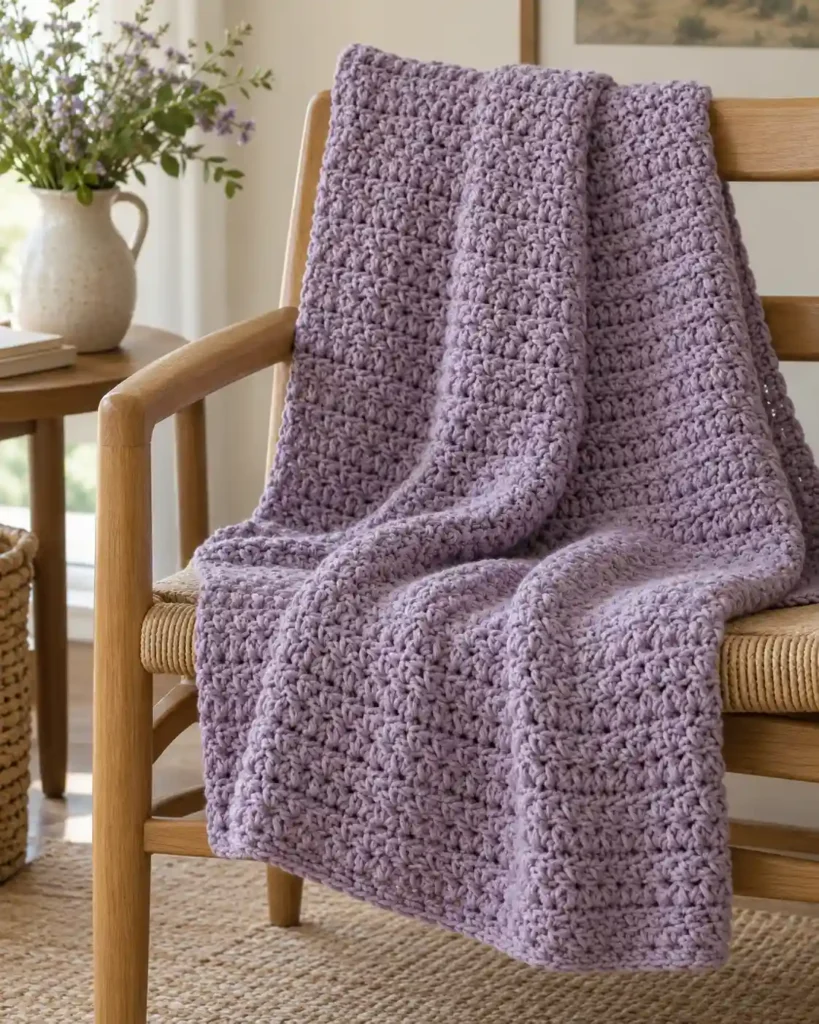
The sedge stitch is worth learning if you enjoy simple stitches that combine into something more interesting.
Small groups of basic stitches produce a textured fabric with subtle raised areas.
It’s a nice middle ground between plain double crochet and more demanding post-stitch patterns.
A sedge-stitch lapghan looks especially attractive in soft lavender, dusty rose, or a combination of gentle stripes.
Once you get comfortable with the repeat, it’s a pleasant project for relaxed evenings.
Best for: Confident beginners and crocheters who want an easy textured lapghan.
The designer provides both US and UK crochet terminology, which is especially helpful for readers familiar with different pattern formats.
Special Tip: Work a few practice rows before beginning the full blanket so the stitch groups remain consistent.
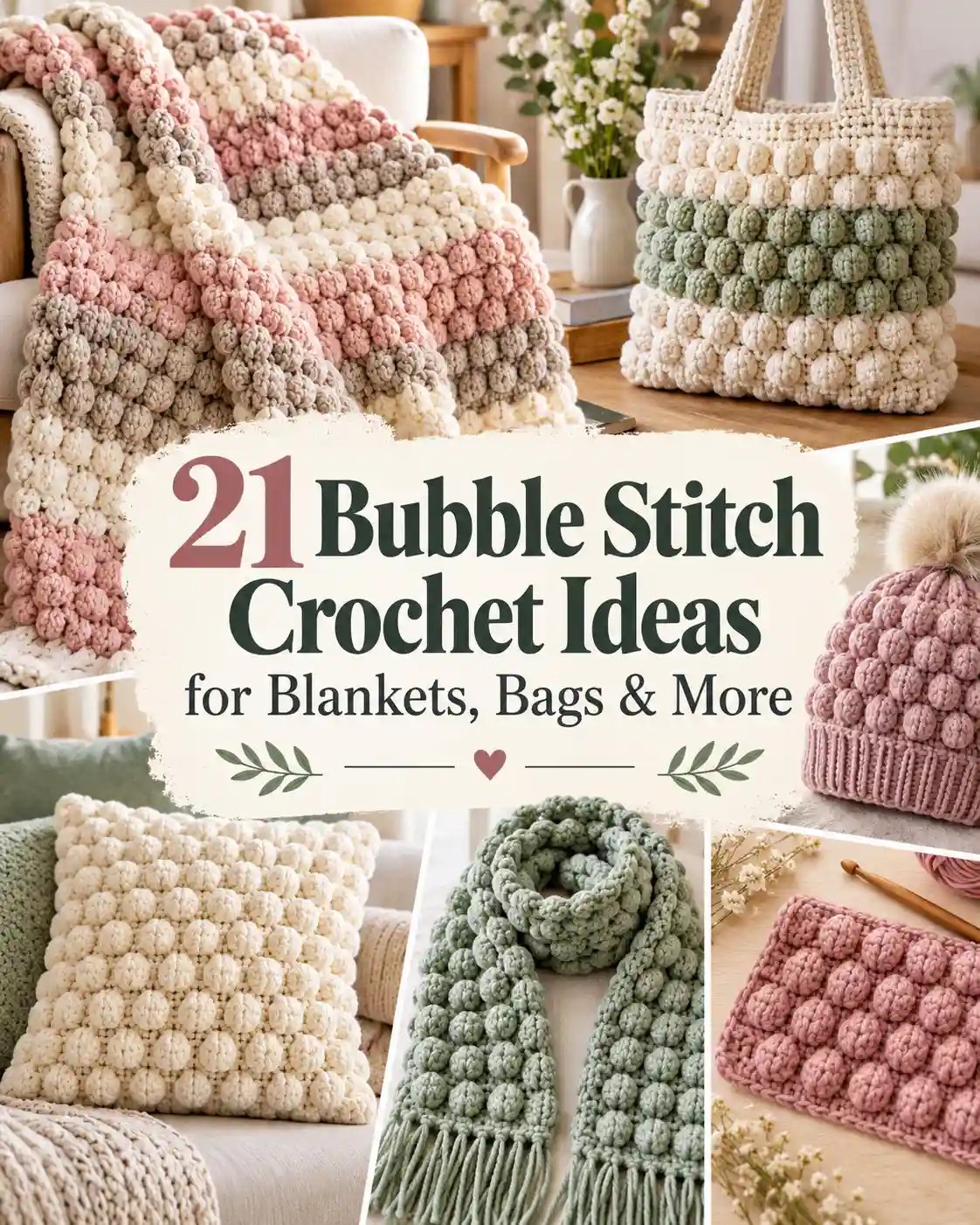
19. Playful Bobble-Texture Lapghan
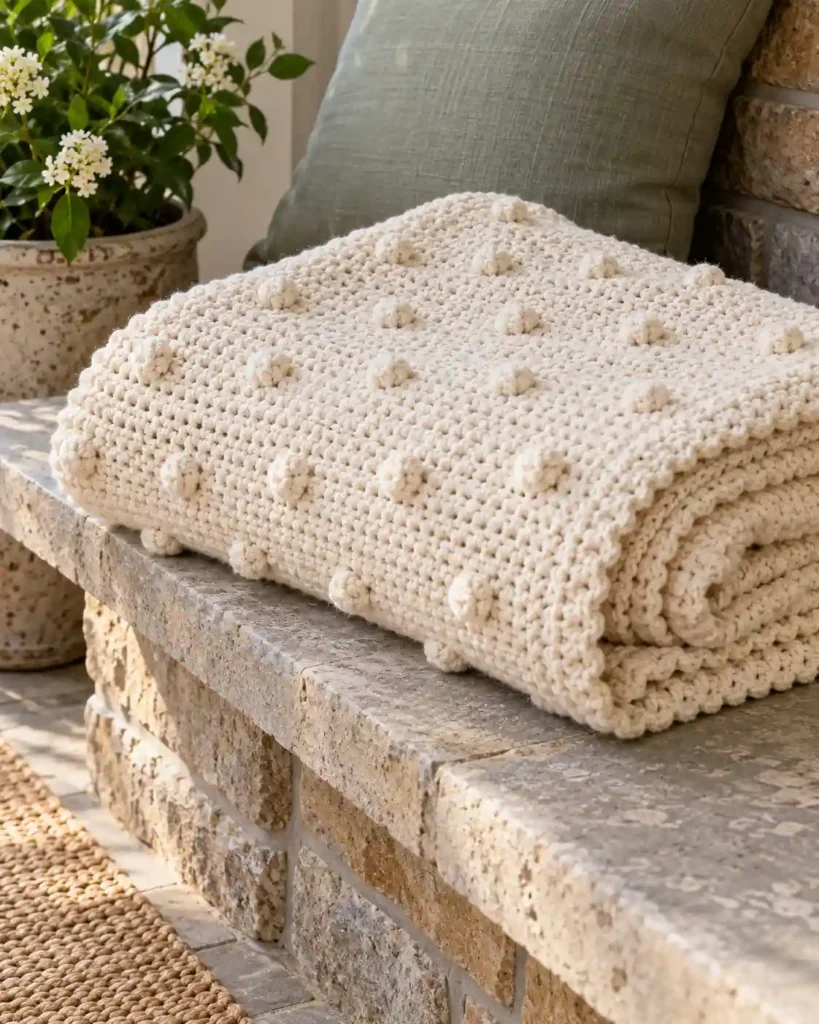
A blanket made with crochet bobble stitch brings a little personality to an otherwise simple piece of crochet.
The raised bobbles create small decorative accents that stand out against a flatter background.
You can arrange them in rows, geometric shapes, or scattered patterns depending on the design.
A cream blanket with evenly spaced bobbles looks playful without being too colorful.
For someone who enjoys decorative home accessories, this can be a particularly charming choice.
Just remember that a heavily raised surface may not suit everyone, especially if they prefer a smooth blanket.
Best for: Decorative lapghans and handmade gifts with interesting texture.
Special Tip: Keep bobble placement consistent and check the reverse side of the fabric for comfort.
20. Alpine-Stitch Cozy Lap Blanket
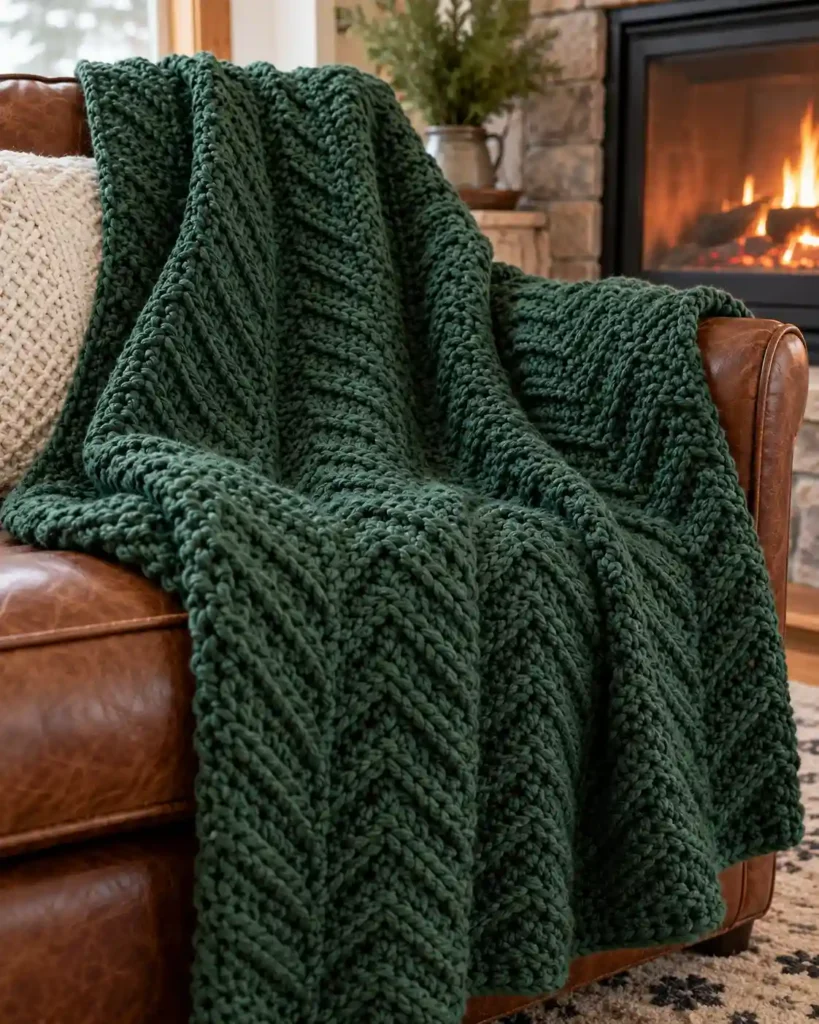
Alpine stitch creates beautiful depth using alternating rows and raised stitches.
The texture looks almost layered, making it especially attractive for solid-color winter blankets.
Forest green, burgundy, deep blue, and warm beige all show the raised pattern nicely.
This is the kind of lapghan that can become a favorite winter accessory, particularly in a comfortable reading corner.
It requires more attention than a basic one-row repeat, but the finished texture gives it a distinctive appearance.
Best for: Winter lapghans and crocheters ready for more involved stitch patterns.
Special Tip: Count your rows carefully when alternating regular and post-stitch rows. Keeping the stitch sequence aligned is essential.
Which Crochet Lap Blanket Patterns Make Beautiful Handmade Gifts?
Granny squares, lace repeats, herringbone stitches, classic stripes, braided textures, and Suzette stitch all make attractive handmade lap blankets when chosen around the recipient’s preferences.
Sometimes a blanket is about more than keeping warm.
A thoughtful color, interesting texture, or carefully chosen stitch can make a lapghan feel personal.
These final designs are particularly appealing when you’re creating something special for a friend or family member.
21. Two-Row Repeat Lace Lapghan
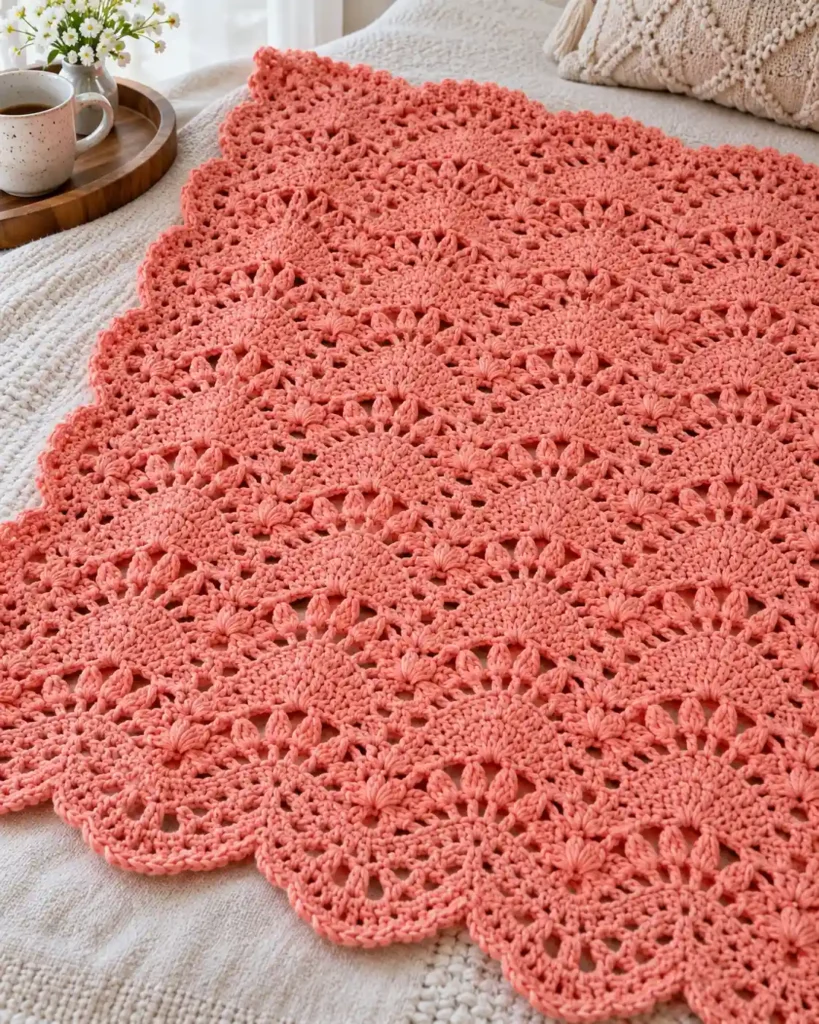
A two-row lace repeat is a lovely option when you want a decorative blanket without learning a complicated sequence.
The pattern alternates between two different rows, creating an open fabric with a delicate appearance.
It’s an enjoyable style for lighter blankets, particularly when you don’t need the thickness of waffle or basketweave stitches.
Imagine a soft coral or pale pink lapghan folded neatly over a bedroom chair.
The open pattern gives it a graceful finish, while the short repeat keeps the crochet process manageable.
Best for: Lightweight gifts, decorative throws, and crocheters learning lace-style stitches.
The designer offers 11 size options and a two-row repeat.
Special Tip: Choose yarn that keeps the lace definition visible without producing a stiff fabric.
22. Herringbone Half-Double Crochet Lapghan
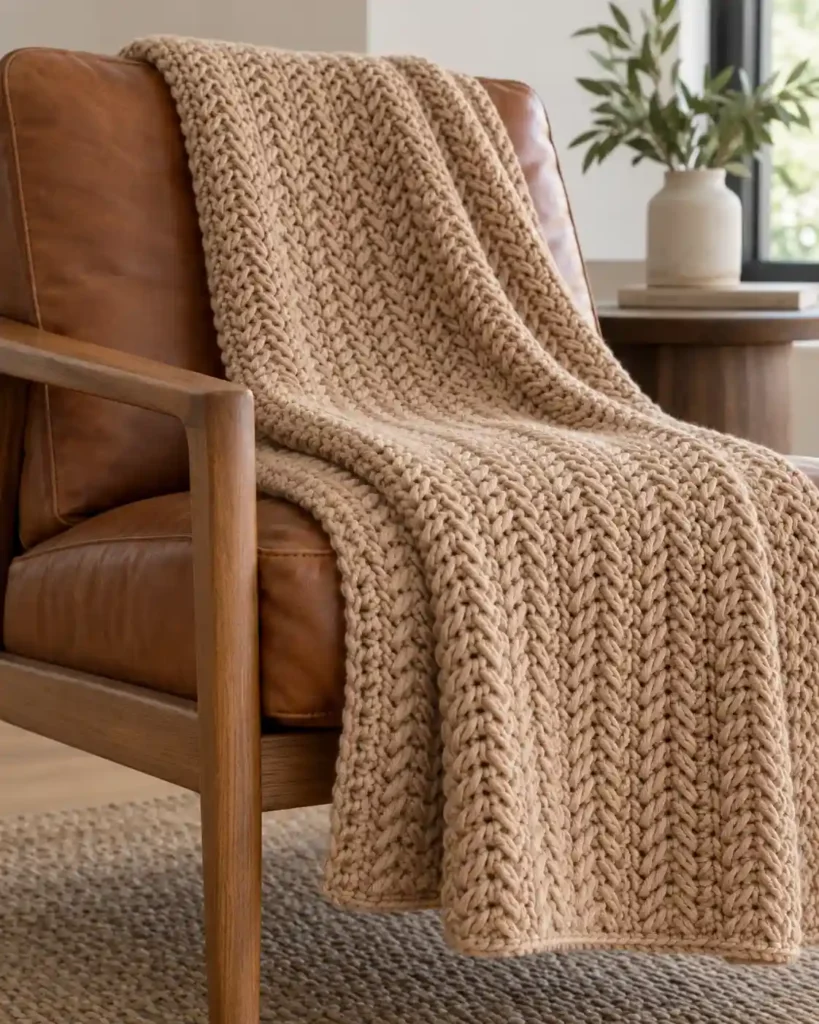
Herringbone half-double crochet creates a subtle slanted texture that looks especially good in modern blankets.
The fabric has a refined appearance without relying on large holes or dramatic raised stitches.
It’s a wonderful option when you want to make something understated but not completely plain.
Camel, ivory, charcoal, and muted teal suit this stitch particularly well.
A neatly edged herringbone lapghan also makes an attractive gift for someone who prefers simple home décor.
Best for: Contemporary gifts and crocheters who enjoy subtle textured stitches.
Special Tip: Maintain a relaxed, even tension. Tight stitches can reduce the drape that makes this design so attractive.
23. Classic Double-Crochet Striped Lapghan
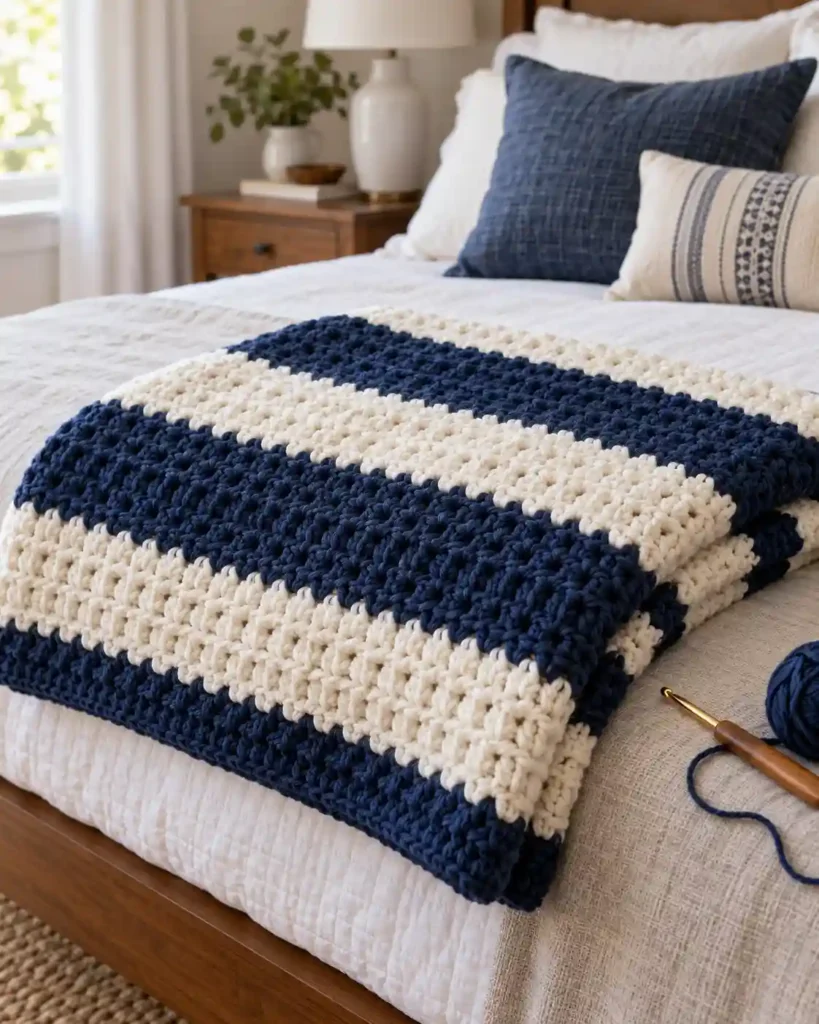
If you’re searching for simple crochet lap blanket patterns free of complicated stitches, it’s difficult to beat a double-crochet striped blanket.
Double crochet is one of the first stitches many beginners learn, and repeating it across a blanket creates a satisfying project.
Add a few contrasting stripes, and a very basic technique suddenly looks more intentional.
Navy and white produce a classic design, while cream and terracotta feel warmer and more contemporary.
It’s also easy to personalize with someone else’s favorite colors.
Best for: First blankets, beginner gifts, and straightforward crochet projects.
Special Tip: Count the stitches in each row and watch how the turning chain is treated. This helps keep the edges straight.
24. Braided-Stitch Crochet Lap Blanket
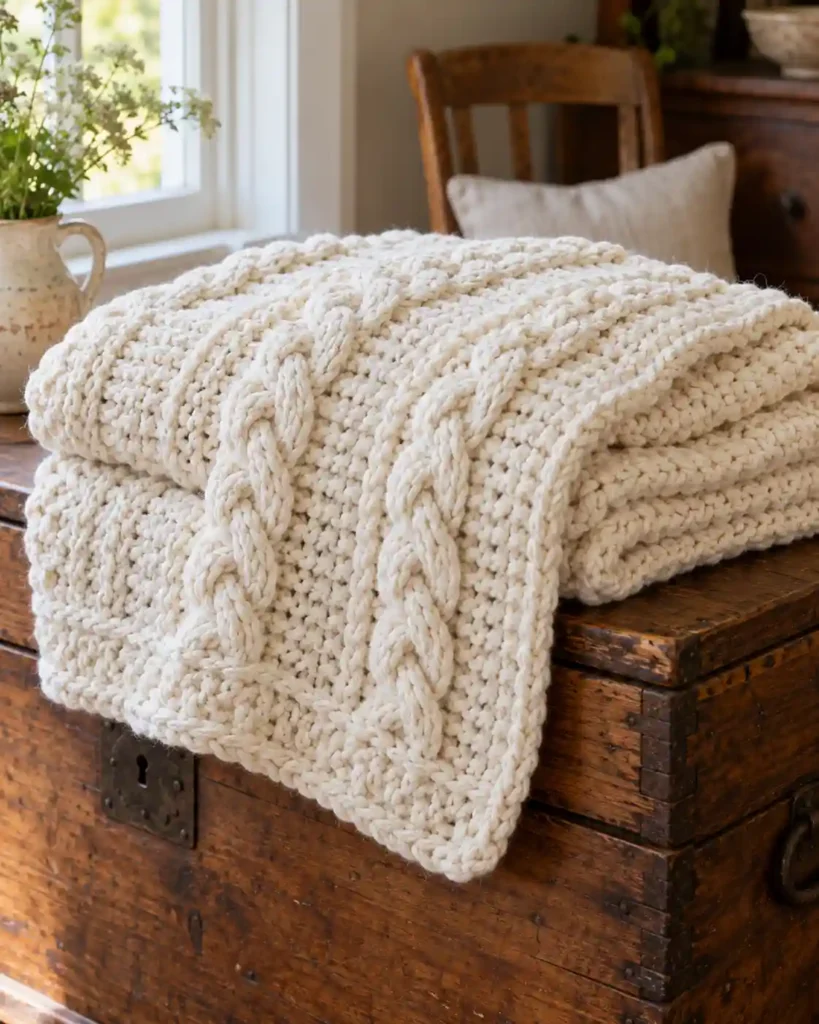
A braided-stitch lapghan is a beautiful project when you want a more intricate-looking finish.
The raised stitches form cable-like lines across the fabric, giving it an heirloom-inspired appearance.
This style can look particularly striking in ivory, oatmeal, or soft brown yarn.
The texture provides the visual interest, so frequent color changes aren’t necessary.
It does require patience, especially when learning where to place the crossing stitches.
But for an experienced crocheter making a special gift, it’s an appealing project.
Best for: Intermediate crocheters, textured home décor, and memorable handmade gifts.
Special Tip: Use the designer’s stitch diagrams and video alongside the written instructions, especially when making the cable crossings.
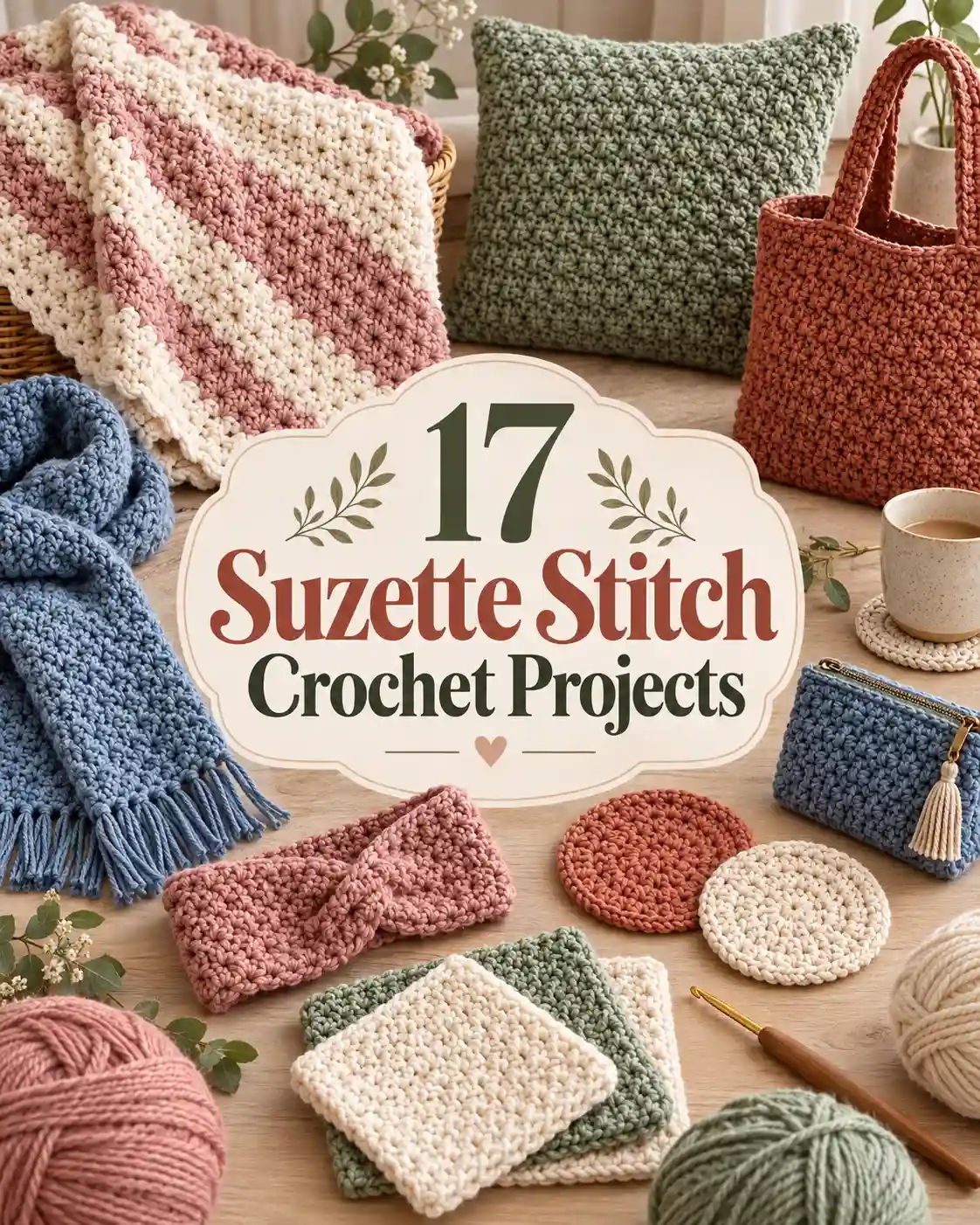
25. Suzette-Stitch Beginner Lapghan
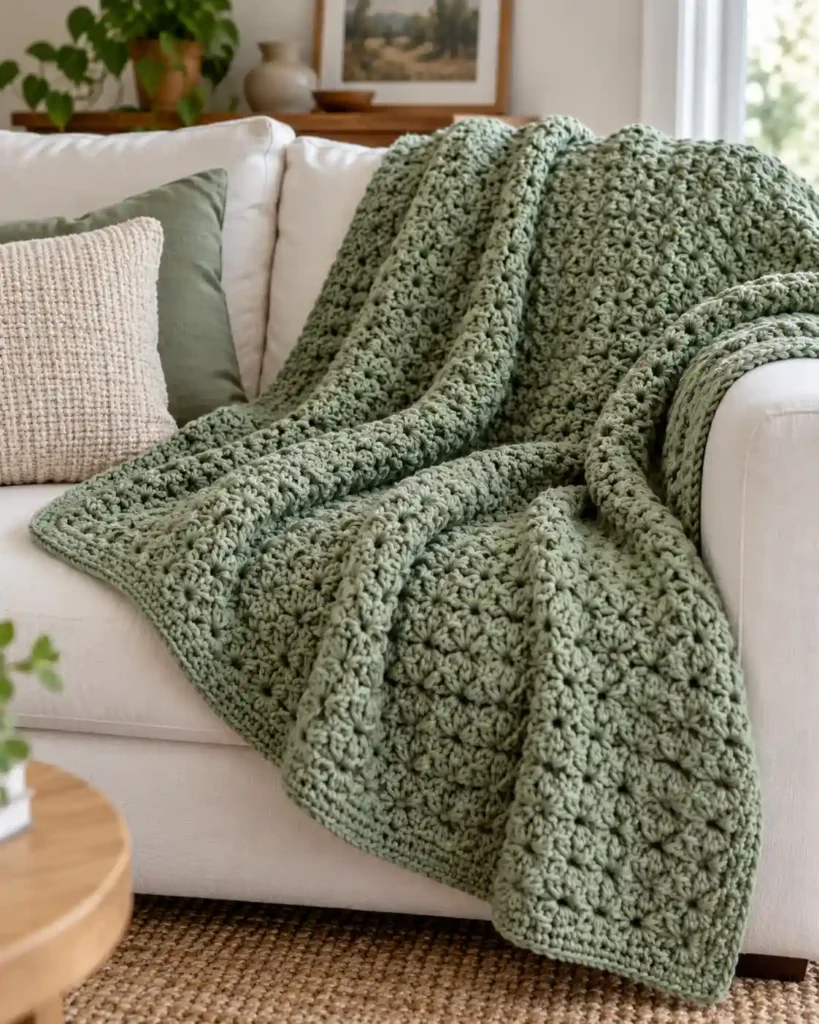
The Suzette stitch is a lovely way to finish this collection because it combines simplicity with an attractive textured result.
It uses basic crochet stitches arranged in repeated groups, creating small clusters across the fabric.
The pattern looks more detailed than plain rows but remains approachable for someone comfortable with single and double crochet.
A soft sage-green or warm taupe lapghan would be beautiful in this stitch.
It’s an excellent choice when you want a practical blanket that feels handmade and thoughtful without being overly decorative.
Best for: Confident beginners, everyday comfort, and easy handmade gifts.
Special Tip: Practice the stitch repeat on a small swatch before starting. This helps you understand the stitch placement and avoid uneven edges.
How Big Should a Crochet Lap Blanket Be?
Crochet lap blankets are commonly smaller than full-size throws, but the best dimensions depend on the recipient’s body size, chair, desired leg coverage, and mobility needs.
A crochet lap blanket should be large enough to cover someone’s lap and legs comfortably without becoming awkward to use while sitting.
There isn’t one universal measurement suitable for every person or chair.
Common patterns illustrate the variation:
| Free pattern example | Finished size |
|---|---|
| Easy Crochet Lap Blanket | 35 × 32 inches |
| Red Heart One-Skein Lap Throw | Approximately 32 × 37 inches |
| Sedge Softee Lapghan | Approximately 35 × 38 inches |
| Sea Glass Throw by Daisy Cottage Designs | Approximately 37 × 52 inches |
A more compact blanket may suit someone who uses a wheelchair, while a longer design may be preferable for relaxing on a sofa.
How Do You Measure for a Seated Lap Blanket?
Before beginning, consider:
- The width of the chair or seating area.
- The amount of knee and leg coverage needed.
- Whether the recipient wants the blanket tucked around their sides.
- How easily they can lift, fold, or reposition the fabric.
- Whether any loose edges could interfere with mobility equipment.
For wheelchair users, check the actual fit instead of relying on a standard pattern size.
Which Yarn Is Best for a Crochet Lap Blanket?
Medium-weight, soft, washable yarn is a versatile choice for many lapghans. Bulky yarn creates thicker fabric, while lighter yarns and suitable cotton blends can offer more breathable drape.
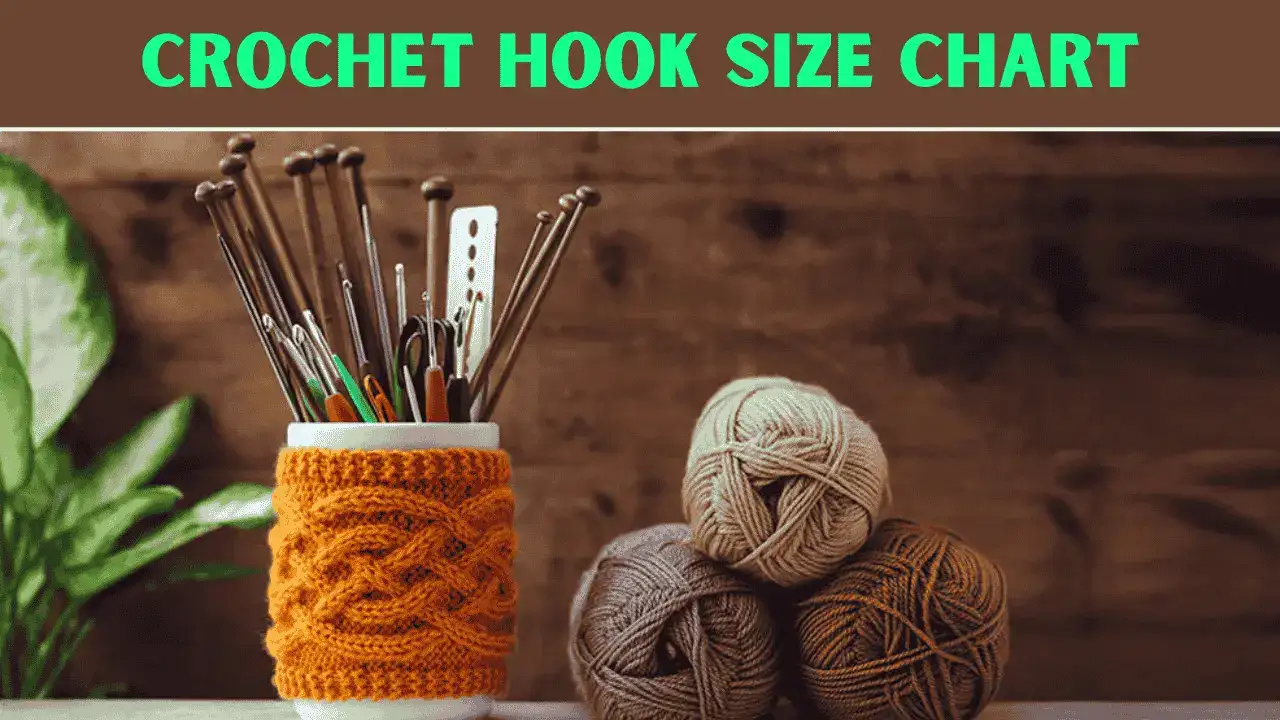
The best yarn depends on the warmth, weight, texture, and washing requirements of your finished blanket. A crochet hook size chart can also help you match the hook to your chosen yarn.
According to the Craft Yarn Council’s Standard Yarn Weight System, yarns are grouped into categories that include light, medium, bulky, and super bulky. The recommended hook size and gauge vary by category.
Here’s a practical way to choose.
| Yarn type | Why choose it? | Considerations |
|---|---|---|
| DK/lightweight | Suitable for lighter layers | May take more rows to reach the desired size |
| Medium/worsted | Versatile for many lapghan stitches | Check the actual fabric softness |
| Bulky | Creates thick fabric with visible stitches | Can add weight |
| Super bulky | Builds fabric quickly | May become heavy or stiff |
| Cotton or cotton blend | Useful for breathable fabric | Fiber and stitch choice affect drape |
| Washable acrylic | Practical for many everyday blankets | Follow the product’s care label |
How Much Yarn Do You Need for a Lapghan?
Yarn requirements depend on the blanket’s finished size, stitch density, yarn thickness, and individual crochet tension.
For example, Daisy Cottage Designs specifies approximately 1,600 yards of worsted-weight yarn for its 37 × 52-inch Sea Glass Throw.
By contrast, some compact lapghans are designed around one large skein.
These examples show why it’s better to calculate yarn needs from a specific pattern than rely on a universal number.
The Craft Yarn Council also recommends making a gauge swatch to help ensure your finished project matches the intended measurements.
How Do You Crochet a Simple Lap Blanket for Beginners?
Choose an easy pattern, make a gauge swatch, crochet the repeated rows until the blanket reaches your planned size, and finish the edges and yarn tails.
If you’re making your first lapghan, start with an easy repeat rather than a complicated stitch combination.
You don’t need a large collection of crochet techniques to create a useful blanket.
A Simple Beginner Workflow
- Choose your pattern. Start with double crochet, a one-row repeat, or moss stitch.
- Select your yarn. Pick a comfortable yarn weight and check its washing instructions.
- Make a gauge swatch. Measure your stitches to check whether your fabric matches the pattern.
- Determine the blanket size. Adjust the foundation chain only according to the designer’s stitch multiple.
- Crochet the blanket body. Work the specified repeat and count stitches regularly.
- Add a border if desired. A simple single-crochet border can give the edges a finished appearance.
- Weave in the ends. Secure all loose yarn tails and inspect the finished blanket.
One important detail: crochet terminology differs between countries.
The Craft Yarn Council explains that a US single crochet is called a UK double crochet, while a US double crochet is called a UK treble crochet.
Always check which terminology your free pattern uses before starting.
How Can You Make a Crochet Lap Blanket Look More Professional?
Maintain consistent tension, count stitches, finish uneven edges with a suitable border, and weave in yarn tails securely.
Even a simple crochet blanket can look beautifully finished when the small details are handled carefully.
Keep the Edges Straight
Uneven edges often happen because stitches are accidentally added or missed at the beginning or end of a row.
Count your stitches, follow the turning-chain instructions, and use stitch markers if you need extra help.
Choose a Simple Border
For crochet blanket edging, a single-crochet border is often enough to make a lapghan look more complete.
If your blanket already has a decorative stitch, avoid adding an overly complicated edging that competes with it.
Weave in Every Yarn End
Loose yarn tails can make an otherwise neat blanket look unfinished.
Use a tapestry needle to weave them securely into the fabric according to the yarn and stitch structure.
Wash and Care for the Finished Blanket
Follow the yarn manufacturer’s care instructions.
If you’re making a blanket as a gift, include a small care note so the recipient knows how to wash and dry it.
For donations, remember that different organizations have their own requirements. For example, Project Linus, which provides blankets to children, requests new, washable, handmade blankets and directs makers to check local chapter needs.
Frequently Asked Questions About Free Crochet Lap Blanket Patterns
What is the easiest crochet stitch for a lap blanket?
Double crochet, moss stitch, and simple one-row repeats are good starting choices. They use basic techniques and allow beginners to practice stitch consistency while making a practical project.
Can you make a crochet lap blanket in one day?
A small blanket using thick yarn and a simple stitch may be completed relatively quickly, especially by an experienced crocheter. However, finishing in one day depends on the blanket’s size, stitch pattern, yarn, and the amount of time available.
What is the difference between a lapghan and a throw blanket?
A lapghan is generally intended to cover someone while seated, whereas a throw may be larger and used across a sofa or bed. The dimensions overlap, so the intended use matters more than the name.
Are there free crochet wheelchair lap blanket patterns?
Yes. Several designers provide free lapghan patterns that can be suitable for wheelchair users. Choose a manageable size, avoid long dangling fringe, and confirm that the finished blanket stays clear of the wheels.
Which yarn is best for crochet lap blankets for elderly adults?
Soft, washable yarn with comfortable drape is often a practical choice. Consider the recipient’s preferences, sensitivities, desired warmth, and whether they can easily care for the finished blanket.
Are modern crochet lap blanket patterns suitable for beginners?
Yes. Many modern lapghan designs use straightforward stitches combined with simple colors, stripes, or geometric blocks. Choose a pattern with clear instructions and an easy stitch repeat before trying more advanced construction techniques.
How can I find a fast and easy crochet lap blanket pattern?
Look for a small lapghan made with bulky yarn, double crochet, or a one-row repeat. Check the recommended skill level and stitch count, and compare the estimated yarn requirements with the supplies you already have.
Final Thoughts: Which Crochet Lap Blanket Will You Make?
The best crochet lap blanket isn’t necessarily the one with the fanciest stitches or the thickest yarn.
It’s the one you’ll enjoy making and the recipient will enjoy using.
If you’re a beginner, start with a one-row repeat, a basic double-crochet design, or a moss-stitch lapghan. For something more decorative, try granny squares, waffle stitch, or a modern color-block pattern.
And when you’re making a lapghan for an older relative or someone using a wheelchair, prioritize the finished blanket’s size, comfort, and ease of handling.
There are plenty of lovely free crochet lap blanket patterns to explore, and a smaller blanket can be a satisfying project whether you’re crocheting for yourself or someone special.
Save your favorite design, check the yarn requirements, and choose the pattern that makes you want to pick up your crochet hook.
For more crochet inspiration, explore CrochetMind and find another project to add to your handmade collection.