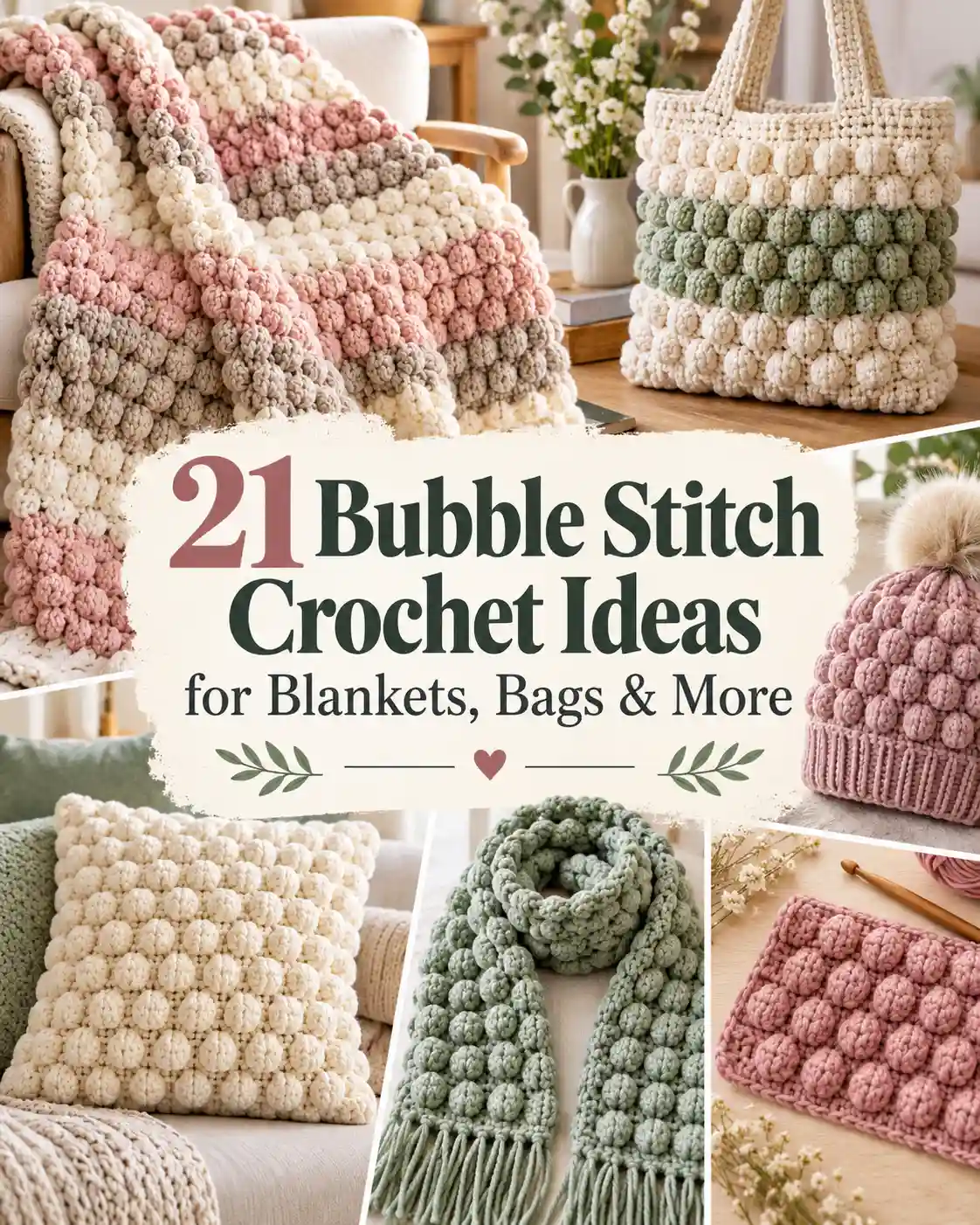
Bubble stitch crochet is a fun way to add soft, raised texture to blankets, bags, scarves, and other handmade projects. Most bubble-style designs use a bobble stitch, made by working several partially completed stitches together in one spot. This guide explains how to crochet the crochet bobble stitch, shares a free practice swatch pattern, and explores 21 creative ways to use it.
There is something so satisfying about watching those little bubbles pop out of an otherwise flat piece of crochet.
A plain blanket suddenly has personality. A simple tote bag becomes a statement accessory. Even a basic washcloth can look surprisingly special with a few rows of raised stitches.
And the best part? You don’t need to learn dozens of complicated techniques.
Once you’re comfortable with single crochet and double crochet, you’re already well on your way.
Whether you’re looking for a beginner-friendly project, a cozy textured blanket, or a cute handmade gift, these bubble stitch crochet ideas offer plenty of inspiration.
If you’ve ever looked at a beautiful textured crochet project and wondered whether you could make something similar, this is a great place to begin. You can start with a few simple rows, experiment with different bubble sizes, and gradually work toward a project you’ll enjoy using or giving away. There’s no need to rush into something complicated, either. Sometimes the smallest crochet projects are the most enjoyable because you can see the texture taking shape almost immediately.
Key Takeaways
- Practice a basic five-double-crochet bobble before starting larger projects.
- Choose soft yarn for blankets and sturdy yarn for bags.
- Explore Mini bobble stitch crochet for smaller decorative details.
- Keep stitch counts consistent to prevent uneven texture.
- Use raised stitches for personalized blankets, accessories, and home decor.
- Test yarn, gauge, and washing instructions before finishing projects.
How Does Bubble Stitch Crochet Work?
Bubble stitch crochet creates raised, rounded textures by grouping stitches together, commonly using several unfinished double crochets closed as one bobble.
At a Glance:
- Basic skill level: Confident beginner.
- Main techniques: Single crochet, double crochet, and yarn overs.
- Common appearance: Rounded bumps against a flatter background.
- Best practice project: A small textured swatch.
- Popular uses: Blankets, bags, accessories, and decorative motifs.
Bubble stitch crochet is a textured crochet technique that creates small, rounded bumps on the surface of the fabric. In many patterns, these bubbles are made with a bobble stitch: several unfinished double crochet stitches worked into the same stitch and closed together at the top.
The surrounding stitches help push the bobble outward, giving the fabric its characteristic three-dimensional appearance.
One important thing to know is that bubble stitch isn’t always a standardized stitch name. Some patterns use it for bobbles, while others mean puff stitches, popcorn stitches, or a particular textured stitch repeat.
For consistency, this article uses a five-double-crochet bobble (5-dc bobble) as its main technique unless a variation is specifically mentioned.
What Supplies Do You Need?
You can practice bubble stitch crochet with basic crochet supplies:
- Medium-weight yarn, such as worsted-weight cotton or acrylic
- A crochet hook suitable for the yarn
- Scissors
- A tapestry needle for weaving in ends
- Stitch markers if you’re learning to count textured rows
Smooth, light-colored yarn makes it easier to see where each stitch begins and ends.
For medium-weight yarn, a crochet hook size chart can help you compare typical hook ranges, while the Craft Yarn Council’s Standard Yarn Weight System gives a general range of 5.5–6.5 mm. That’s a general guideline rather than a fixed requirement; your yarn label and practice swatch should guide the final choice.
How Do You Crochet a Basic Bobble Stitch?
This tutorial uses US crochet terminology.
Abbreviations:
- ch = chain
- sc = single crochet
- dc = double crochet
- bo = bobble stitch
- st = stitch
- RS = right side
- WS = wrong side
To make one five-double-crochet bobble:
- Yarn over and insert your hook into the next stitch.
- Yarn over and pull up a loop. You now have three loops on your hook.
- Yarn over and pull through the first two loops. Two loops remain. You’ve made one unfinished double crochet.
- Yarn over, insert the hook into the same stitch, and pull up another loop. Yarn over and pull through two loops.
- Repeat the previous step until you have five unfinished double crochets in the same stitch. You should now have six loops on your hook.
- Yarn over and pull through all six loops together to close the bobble.
- Continue with the next stitch as instructed by your pattern.
That’s your first bobble!
Don’t worry if it looks a little flat while you’re making it. Bobbles usually project away from the side you’re working on, so turn your work over to see the raised texture.
Helpful tip: Don’t add an extra chain after the bobble unless your particular pattern requires it. The practice pattern below treats each completed bobble as one stitch.
What Is the Difference Between Bobble, Puff, and Popcorn Stitch?
These stitches all create texture, but they’re constructed differently.
| Stitch | How it’s generally made | Texture | Good for |
|---|---|---|---|
| Bobble stitch | Several unfinished stitches joined at the top | Rounded, pronounced bumps | Blankets, bags, motifs |
| Puff stitch | Repeated pulled-up loops gathered together | Softer, fuller texture | Scarves, shawls, accessories |
| Popcorn stitch | Several completed stitches gathered together | Chunky, raised clusters | Decorative motifs, blankets |
| Mini bobble | Fewer unfinished stitches joined together | Smaller, neater bumps | Borders, hats, small projects |
These descriptions are common distinctions, not universal naming rules. The Craft Yarn Council’s crochet symbol guide shows how cluster and popcorn structures are represented, while individual designers may use different names for related techniques.
Always check the special-stitch instructions before starting a pattern.
Which Easy Bubble Stitch Crochet Projects Should Beginners Try?
Beginners should start with a practice swatch or cotton washcloth because these small projects make stitch placement, tension, and counting easier to manage.
At a Glance:
- Begin with a flat practice swatch.
- Use smooth, light-colored yarn.
- Keep raised bobbles separated by plain stitches.
- Check the stitch count after each row.
If you’re completely new to textured crochet, don’t start with a giant blanket.
A small project lets you experiment with tension, stitch placement, and yarn without committing to weeks of work.
21 Bubble Stitch Crochet Ideas for Blankets, Bags & More
These first two ideas are particularly good for getting comfortable with bobbles.
1. Why Start With an Even Bobble Stitch Practice Swatch?
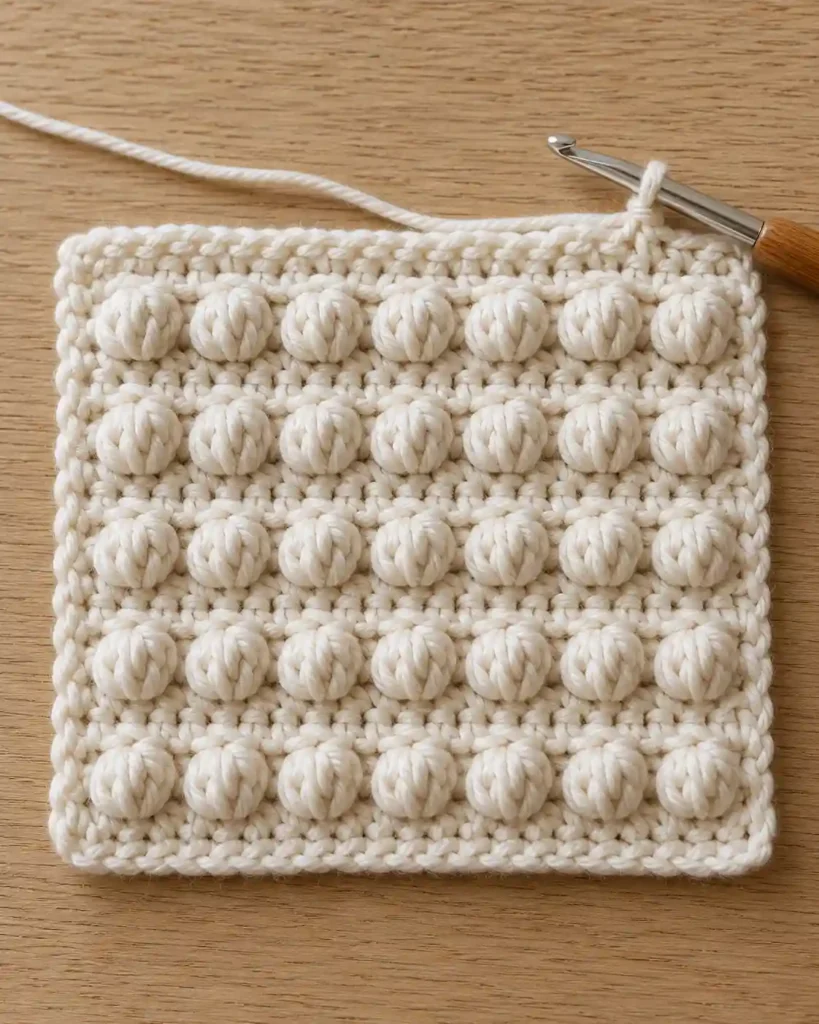
An even bobble stitch practice swatch is the simplest way to see how the raised stitches behave. Instead of worrying about shaping a bag or keeping a blanket straight, you can concentrate on making each bubble the same size.
It’s also much easier to spot a missed stitch on a small square than halfway through a large project.
Start with smooth worsted-weight yarn in a light color. The regular single crochet stitches between the bubbles help you recognize exactly where the next bobble belongs.
Free beginner practice swatch pattern
This is a small, original practice repeat, not a complete blanket pattern.
Foundation: Chain 18.
Row 1: Single crochet in the second chain from the hook and in each chain across. You should have 17 stitches.
Row 2: Chain 1 and turn. Single crochet in the first two stitches. Work one 5-dc bobble in the next stitch, then single crochet in the next two stitches. Repeat from the asterisks five times in total. You should still have 17 stitches, including five bobbles.
Row 3: Chain 1, turn, and single crochet in all 17 stitches.
Row 4: Repeat Row 2.
Row 5: Repeat Row 3.
Row 6: Repeat Row 2, then fasten off.
The raised bobbles should appear on the same side of the fabric.
If they don’t, check that you’re turning after each row and completing the stitches into the correct stitch tops.
You can repeat Rows 3 and 4 to make a longer piece.
This swatch is a practical place to begin when searching for a Bobble stitch crochet pattern free of complicated shaping or advanced techniques.
2. Can You Make a Bubble-Textured Cotton Washcloth?
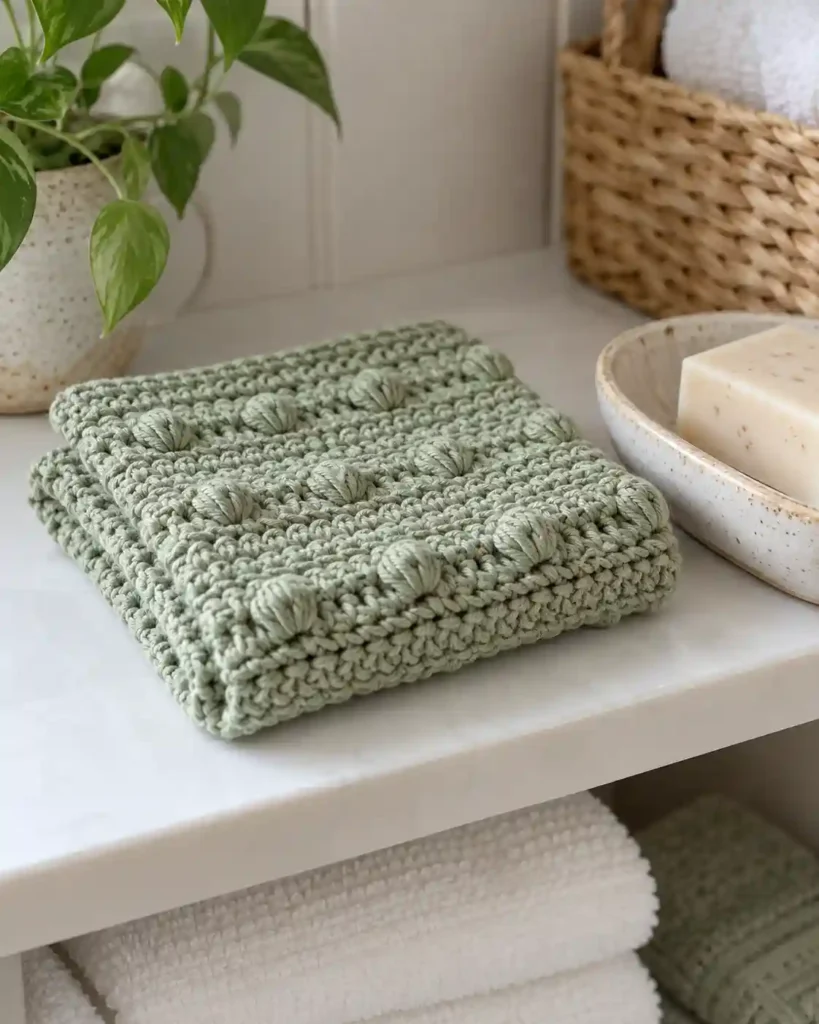
A bubble-textured cotton washcloth takes the same basic idea and turns it into something useful. A few scattered bobble rows add gentle texture without making the entire cloth thick and difficult to fold.
It’s a nice alternative to an ordinary single crochet square, especially when you want a handmade gift that doesn’t require much yarn.
Choose a smooth cotton yarn and keep most rows relatively flat. You can work two or three plain rows between bobble rows to help the cloth stay flexible.
A small washcloth around 8 inches square is a convenient starting target, but adjust the stitch count according to your gauge.
For a neat finish, work a simple single crochet border around all four sides.
Special Tip: Keep the bobbles fairly small if the washcloth will be used on delicate surfaces. A heavily textured cloth can feel rougher than expected.
Which Bubble Stitch Crochet Blanket Ideas Are Worth Making?
Bubble stitch crochet blankets can feature raised stripes, allover textures, personalized letters, or decorative motifs, with the best design depending on comfort, yarn weight, and intended use.
At a Glance:
- Bobble stripes create softer, more flexible blankets.
- Allover bobbles emphasize bold texture.
- Letter charts allow personalized designs.
- Small motif swatches help test spacing.
- Washable yarn is practical for frequently used blankets.
Blankets are one of the most appealing ways to show off bobble stitch texture.
They offer plenty of space for repeating patterns, geometric shapes, letters, and colorful raised details.
However, densely packed bobbles can make a blanket heavier and increase yarn consumption. Mixing plain stitches with decorative bobble rows often creates a better balance.
3. Why Choose a Bobble Stripe Baby Blanket?
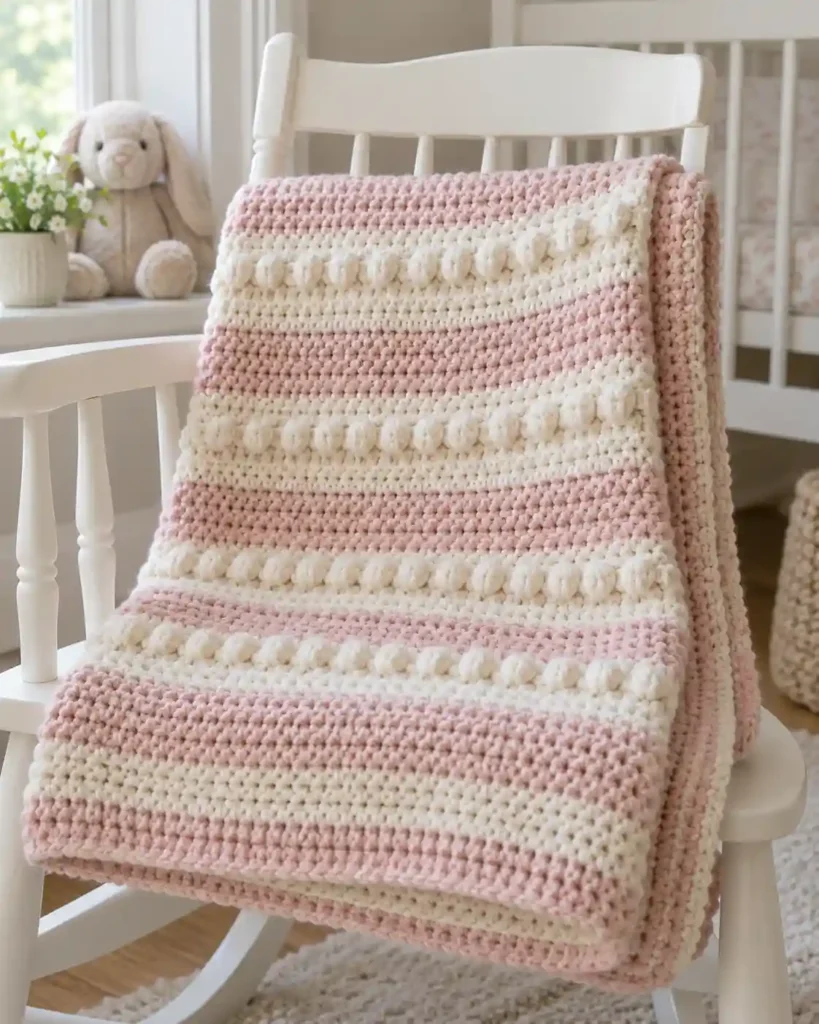
A bobble stripe crochet baby blanket is a lovely option when you want just enough texture to make a simple design feel special. Instead of covering every inch with raised stitches, the bubbles form neat horizontal stripes across a softer background.
This design works especially well in gentle color combinations such as cream and blush, sage and white, or pale yellow and ivory.
Try working several plain rows before adding a bobble stripe. Repeating that sequence creates a tidy pattern that’s easier to count than an allover textured blanket.
For a baby gift, choose soft, washable yarn and avoid loose beads, buttons, or embellishments.
Important safety note: A handmade baby blanket can be a keepsake or used during supervised activities, but it should not be placed in an infant’s sleeping area. The U.S. Consumer Product Safety Commission advises keeping pillows, blankets, and other soft objects out of infant sleep spaces.
4. How Can an Allover Bubble Stitch Throw Blanket Transform a Sofa?
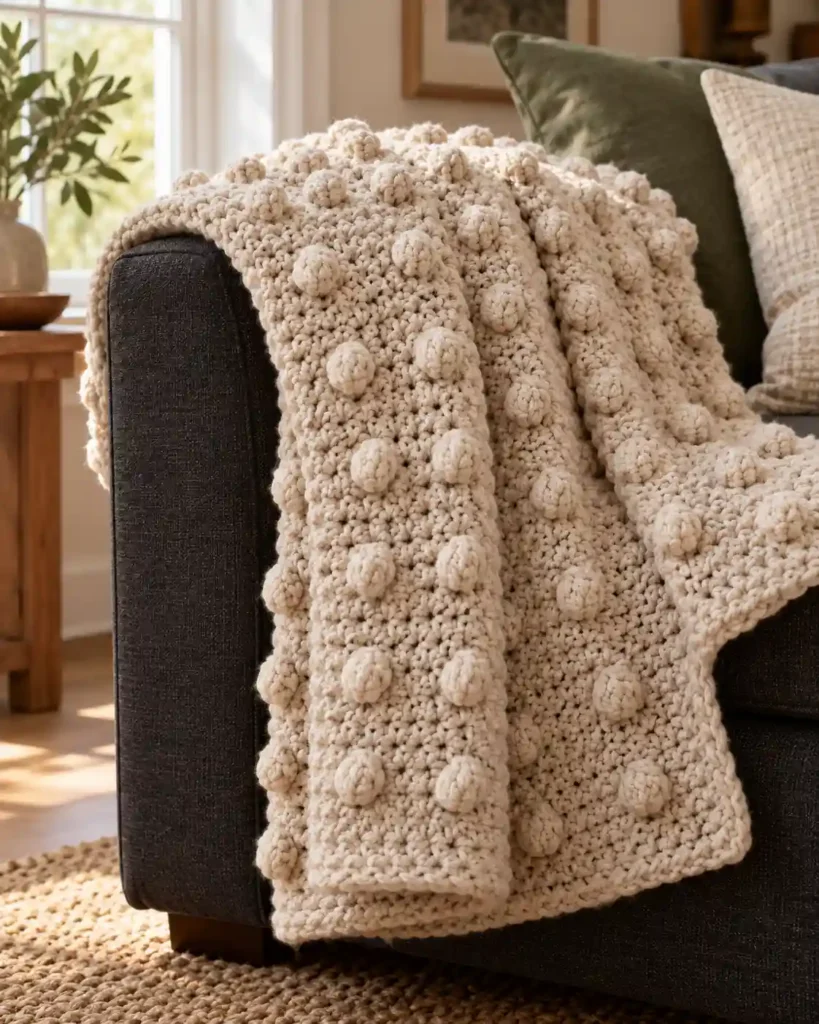
An allover bubble stitch throw blanket makes a striking decorative piece because the texture becomes the main attraction. Rows of evenly spaced bobbles catch the light and give the fabric a wonderfully dimensional finish.
Unlike a striped blanket, this version uses its raised pattern across most of the surface.
It looks particularly beautiful in oatmeal, warm cream, charcoal, and muted earthy colors.
Before making a full-size throw, crochet a generous sample and check its weight and drape. Bobble-heavy fabric can become quite substantial, especially with thick yarn.
The easiest way to scale up is to measure your swatch, calculate how many repeats fit your desired width, and keep the spacing consistent throughout.
For a sofa throw, think about how the blanket will actually be used. A slightly lighter design with bobbles separated by plain rows may be more comfortable for everyday lounging.
5. What Makes a Bubble Pop Texture Blanket Different?
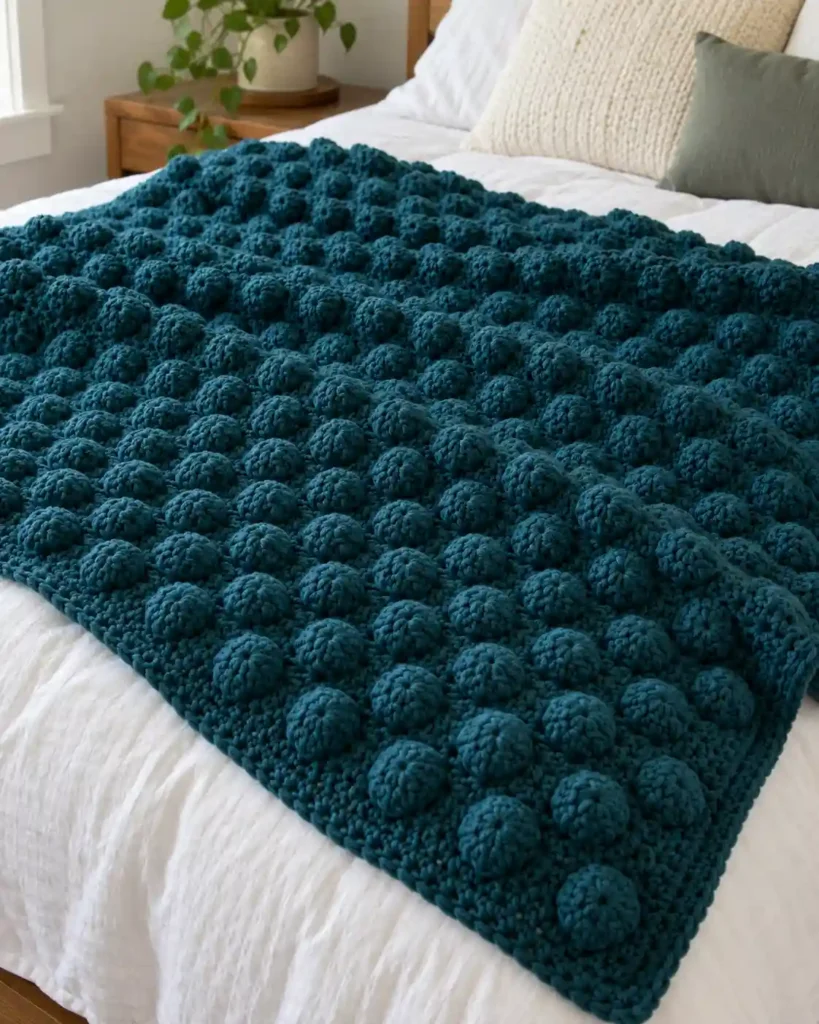
A bubble pop texture blanket is all about bold, closely spaced raised stitches. The surface has a more dramatic three-dimensional look than a blanket with occasional bobble stripes.
This style is especially attractive when you’re using one strong color and want the stitch pattern itself to create visual interest.
Deep teal, berry red, olive green, and rich cream can all highlight the rounded texture.
The trick is finding the right balance between bubble size and spacing.
Too many large bobbles packed tightly together can make the fabric stiff. A smaller bobble or extra plain rows may produce a more flexible blanket.
If you’re searching for “Bobble stitch blanket crochet pattern free,” check that the instructions provide a clear stitch repeat, gauge, and full row-by-row directions. The design idea here is inspiration; it isn’t a complete blanket pattern.
6. Can You Crochet a Personalized Bobble Alphabet Blanket?
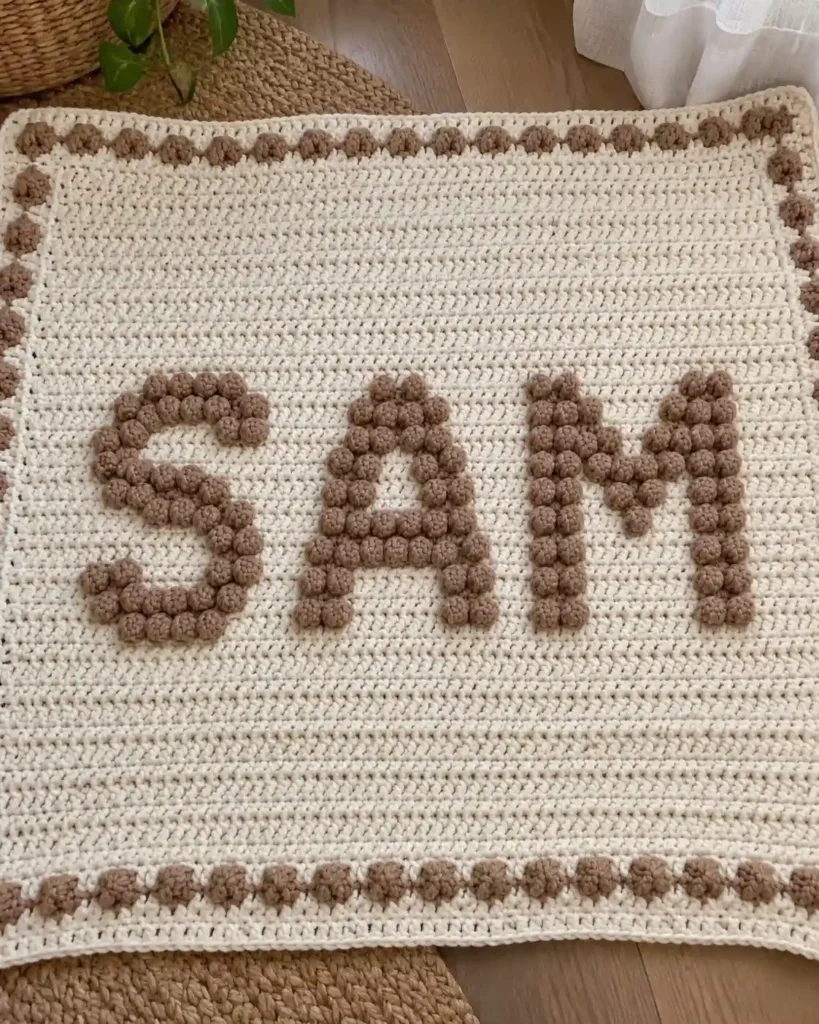
A personalized bobble alphabet blanket turns simple raised stitches into letters, names, or meaningful words. The background stays relatively flat while selected stitches form the lettering.
It’s a wonderful idea for a birthday, graduation, or personalized baby gift.
Rather than relying on color changes alone, bobbles give the letters a tactile effect that stands out from the surface.
The easiest approach is to plan the design on graph paper first.
Treat each square on your grid as a stitch position, marking the places where you want a bobble.
Remember that bobbles often protrude on the opposite side from where they’re worked. You’ll need to account for row direction so the letters read correctly on the finished front.
Start with a single large initial before attempting a full name.
Special Tip: Leave some plain stitches between letters. Raised lettering needs enough negative space to stay readable.
7. Why Is a Heart-Motif Bobble Baby Blanket Such a Sweet Gift?
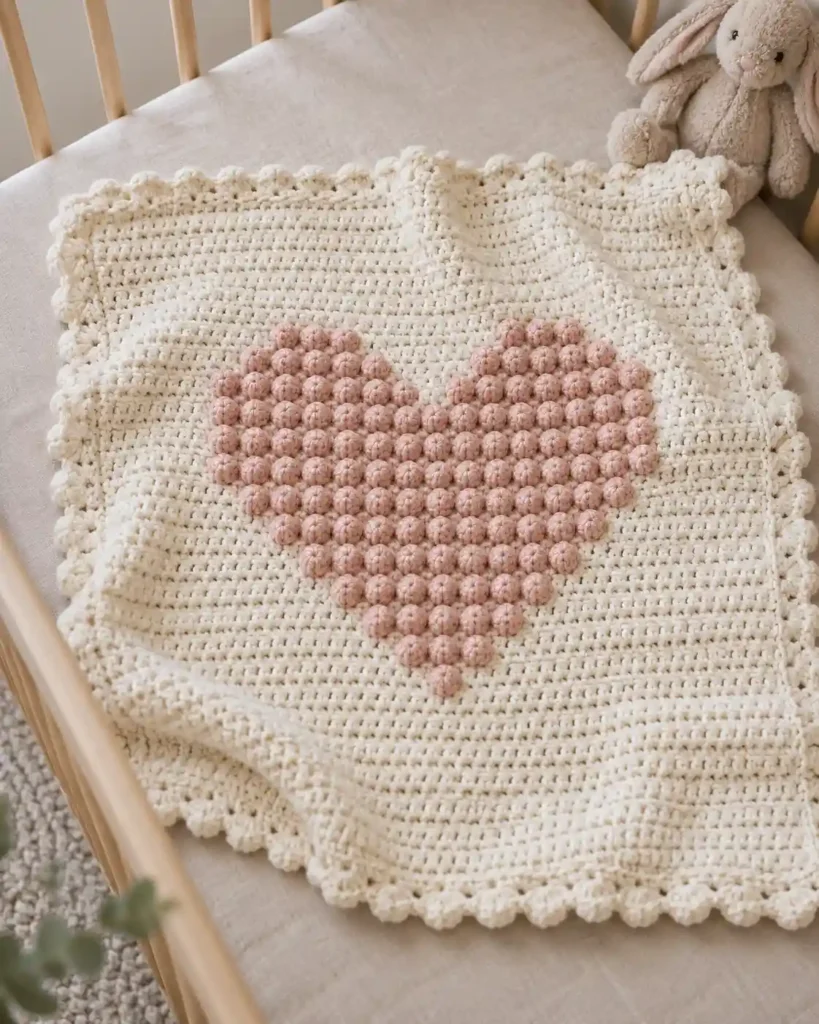
A heart-motif bobble baby blanket uses raised stitches to create one recognizable design rather than an allover pattern. A simple heart in the center can make even a plain crochet square look thoughtfully customized.
The heart is particularly effective when worked in a contrasting color or against a smooth, neutral background.
For example, rose-pink bobbles on an ivory blanket can create a soft, classic look.
Before making the full blanket, crochet a small heart sample from a stitch chart.
Check that both sides of the heart are symmetrical and that the upper curves remain clearly separated. You may need extra blank rows to give the motif enough height.
A narrow border can finish the design without distracting from the centerpiece.
As with other infant blankets, this should be treated as a supervised-use item or keepsake, not loose bedding for infant sleep.
How Can Bubble Stitches Make Home Decor More Interesting?
Raised crochet texture isn’t limited to blankets.
Pillows and modular crochet squares are two simple ways to bring the same cozy details into your home without making a large project.
8. How Do You Design a Color-Block Bubble Stitch Pillow Cover?
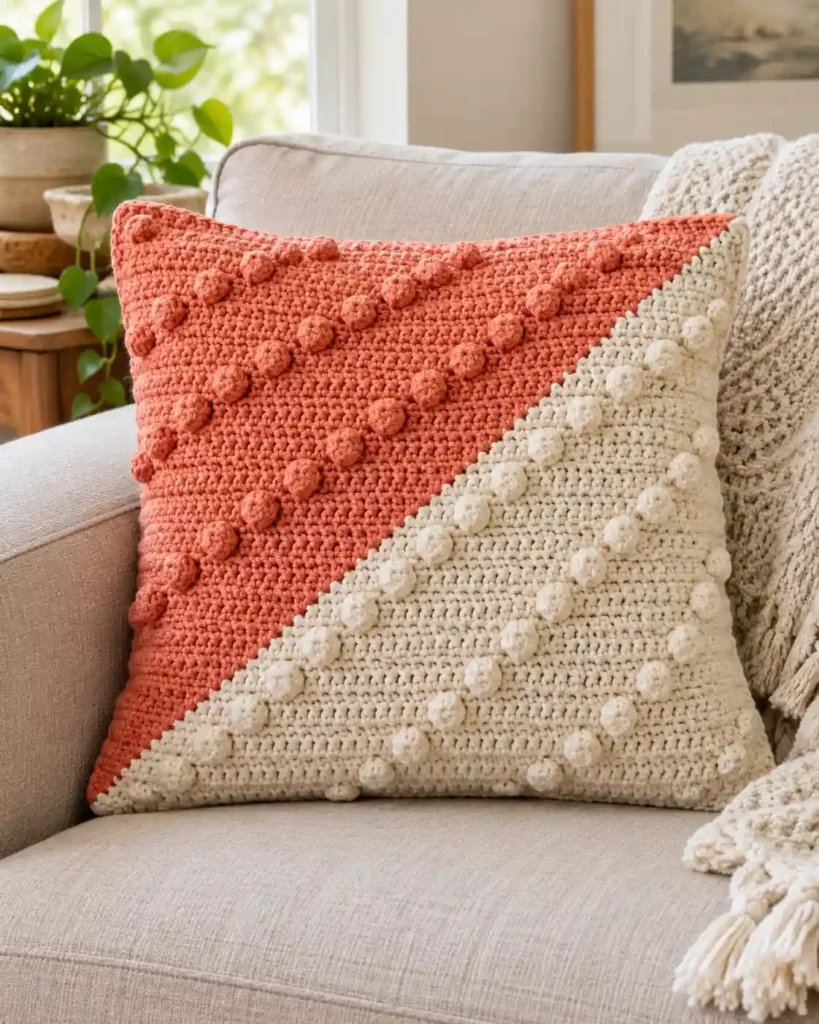
A color-block bubble stitch pillow cover combines two design features that work beautifully together: bold sections of color and raised crochet texture.
The result feels more decorative than a plain cushion but doesn’t require a complicated motif chart.
Try pairing coral with cream, terracotta with beige, or sage green with soft white.
Work the bobbles mainly on the front panel. A smoother back makes the pillow more comfortable to lean against and easier to finish neatly.
An envelope-style back is a practical choice because you can remove the insert without adding a zipper.
Measure your cushion insert before choosing the final panel dimensions, and check the fabric’s stretch so the finished cover fits securely.
Special Tip: Place a few bobble rows near the boundary between the two colors. They can make the transition look especially intentional.
9. Can You Add Bubble Accents to Granny Squares?
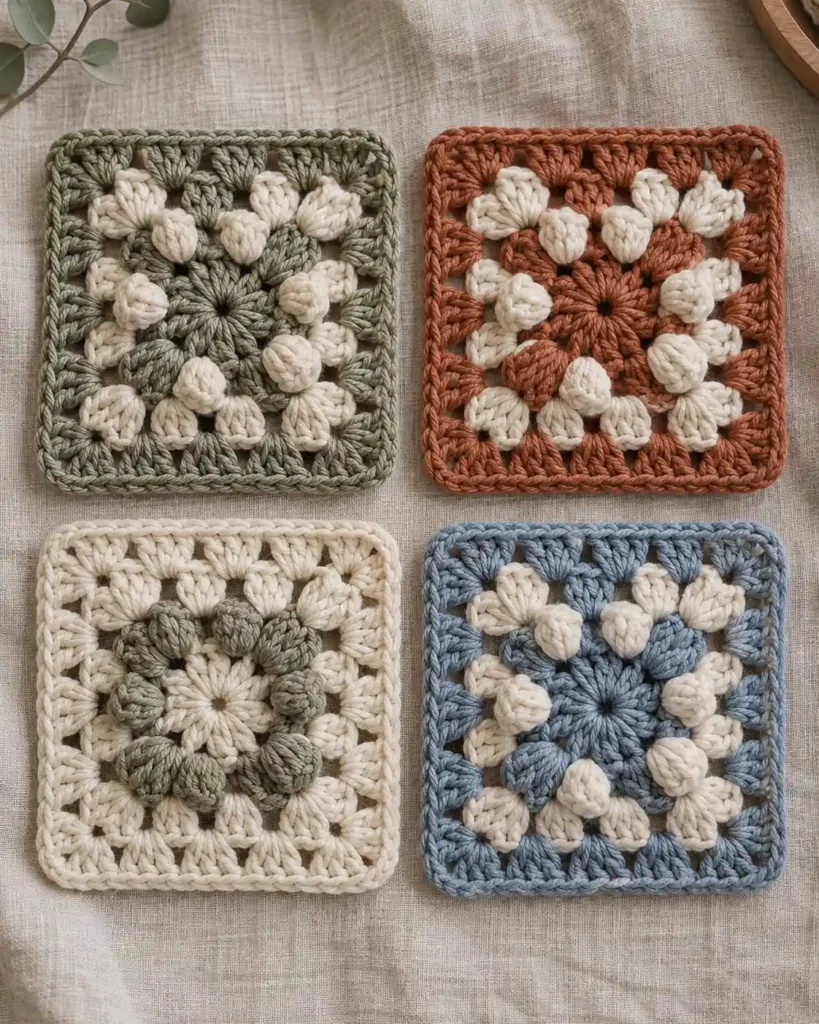
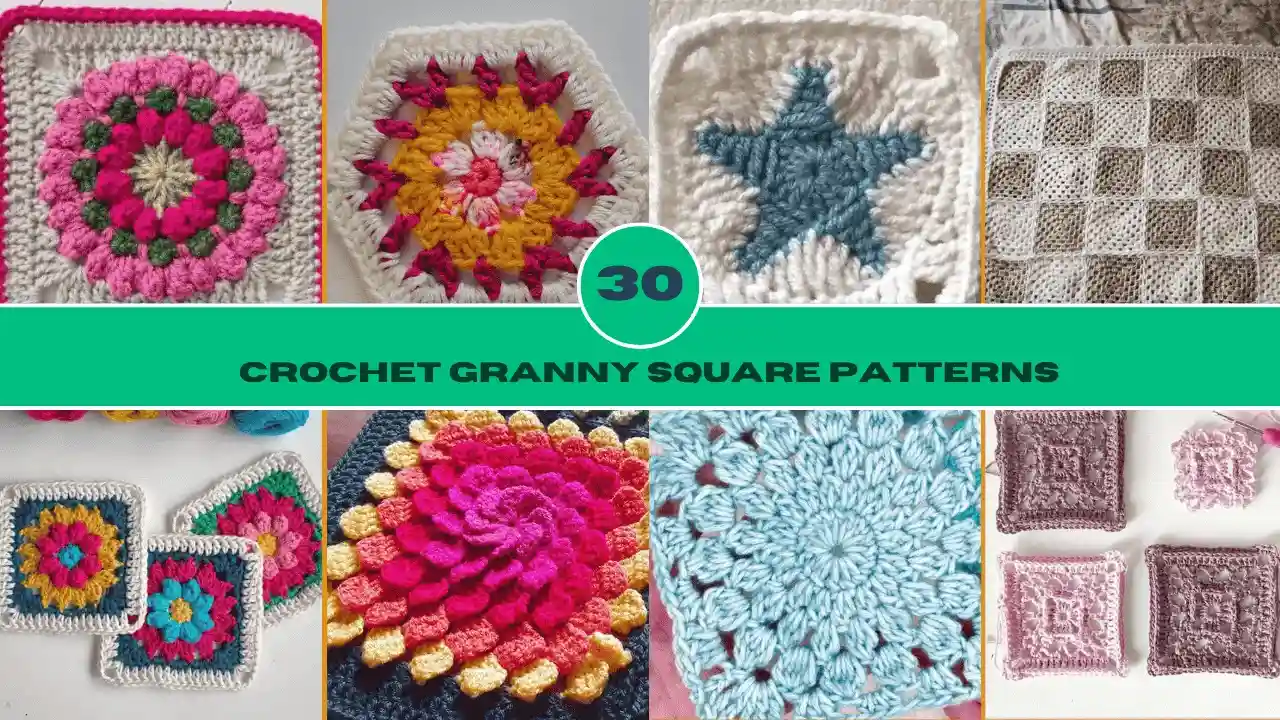
Crochet granny square patterns with bubble accents are ideal when you enjoy colorful crochet but don’t want every stitch to be raised.
Small bobbles can sit in the center of each square or appear as decorative details within selected rounds.
This technique adds a playful twist to traditional granny square projects.
A set of four squares in sage, rust, dusty blue, and cream can make a lovely cushion panel or the beginning of a patchwork blanket.
Keep the outer edges relatively flat so the squares join without awkward gaps.
You can also alternate ordinary granny squares with textured squares for a more balanced arrangement.
If you’re making a large patchwork piece, keep your finished squares the same size before joining.
It’s a practical way to experiment with color and texture without committing to one repetitive stitch pattern.
Which Bubble Stitch Crochet Bags Can You Make?
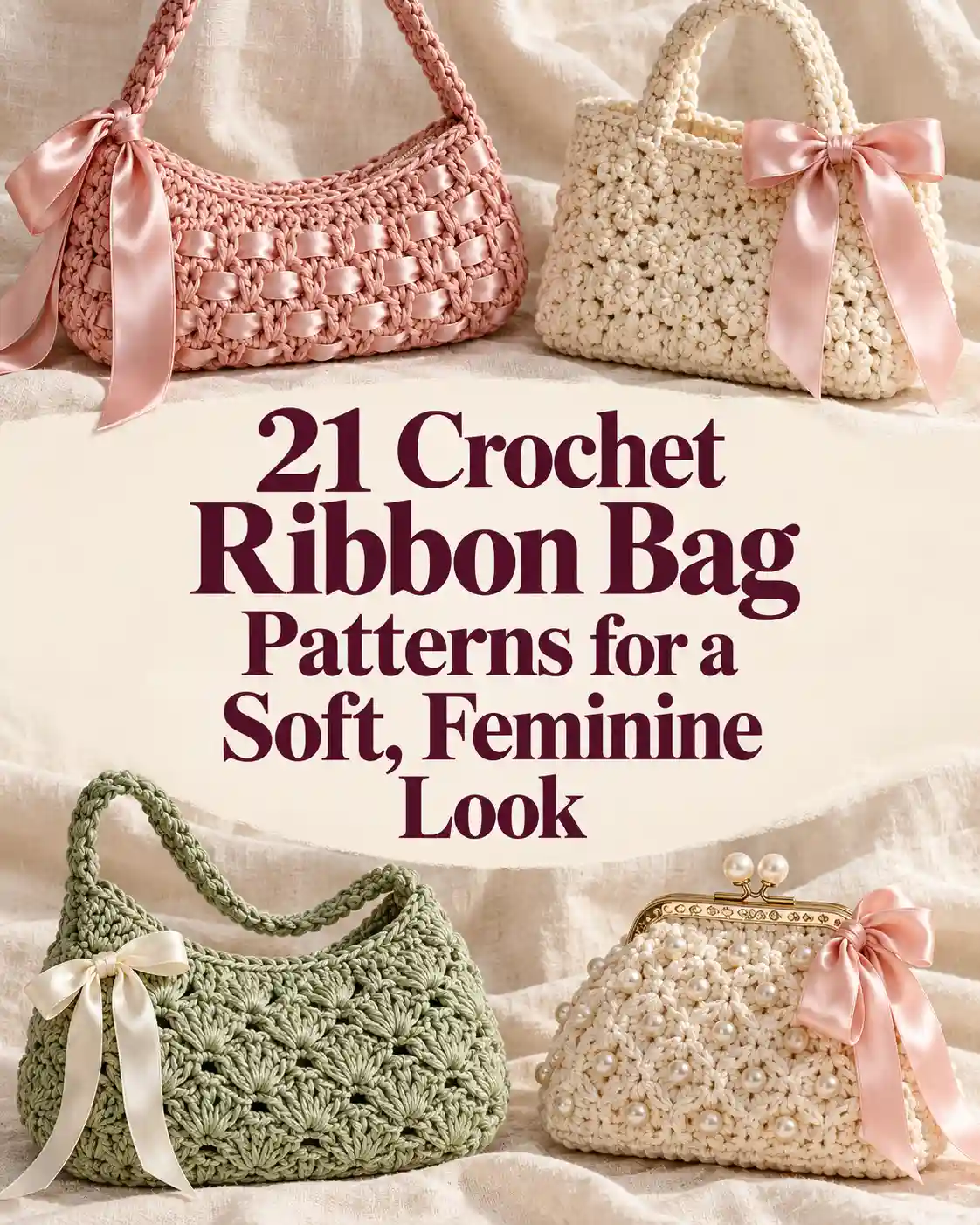
Bubble stitch crochet works for totes, shoulder bags, clutches, and zip pouches when decorative bobbles are combined with sturdy construction and appropriate finishing.
At a Glance:
- Tote bags need firm bases and reinforced handles.
- Shoulder bags benefit from careful shaping.
- Clutches need secure closures.
- Zip pouches are manageable small projects.
- Linings can improve structure and practicality.
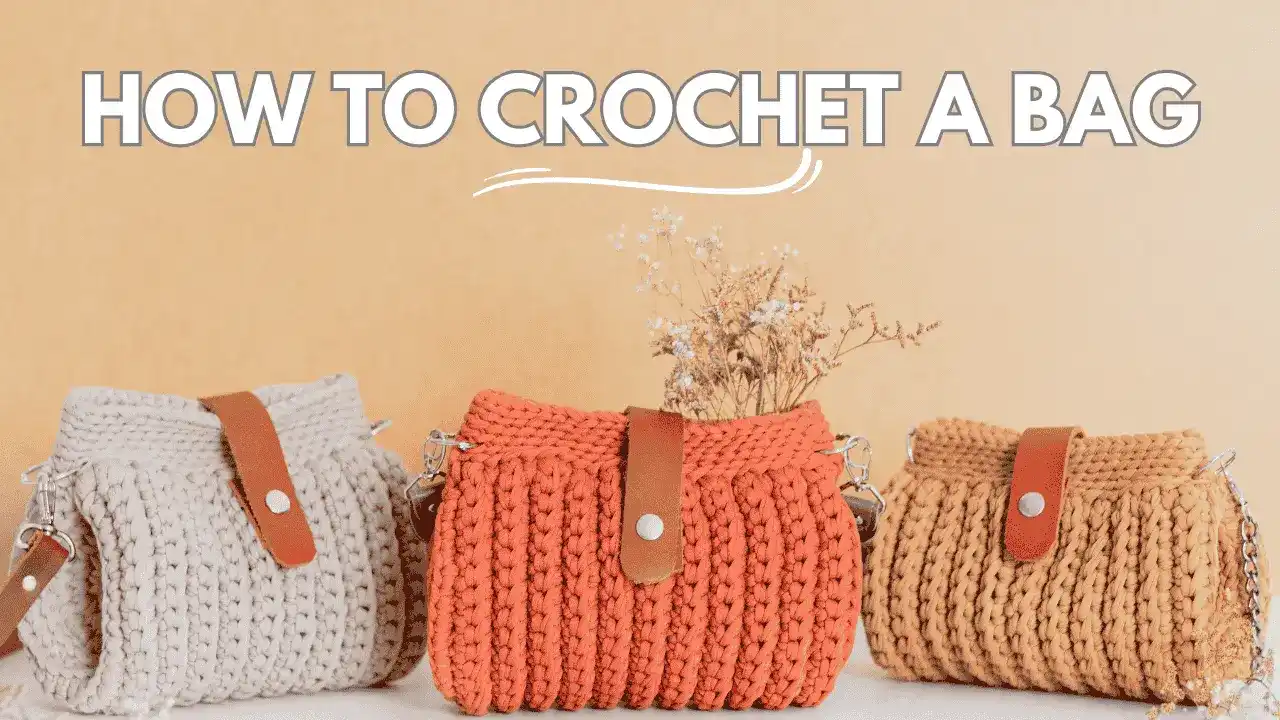
Crochet tote bags with bubble stitch details are especially eye-catching because the raised texture becomes part of the accessory’s design.
From roomy totes to compact clutches, there are several ways to use bobbles without sacrificing practicality.
For bags, structure matters just as much as appearance. The base, handles, and closures need to support the item’s intended weight.
10. Why Make a Structured Bubble Stitch Tote Bag?
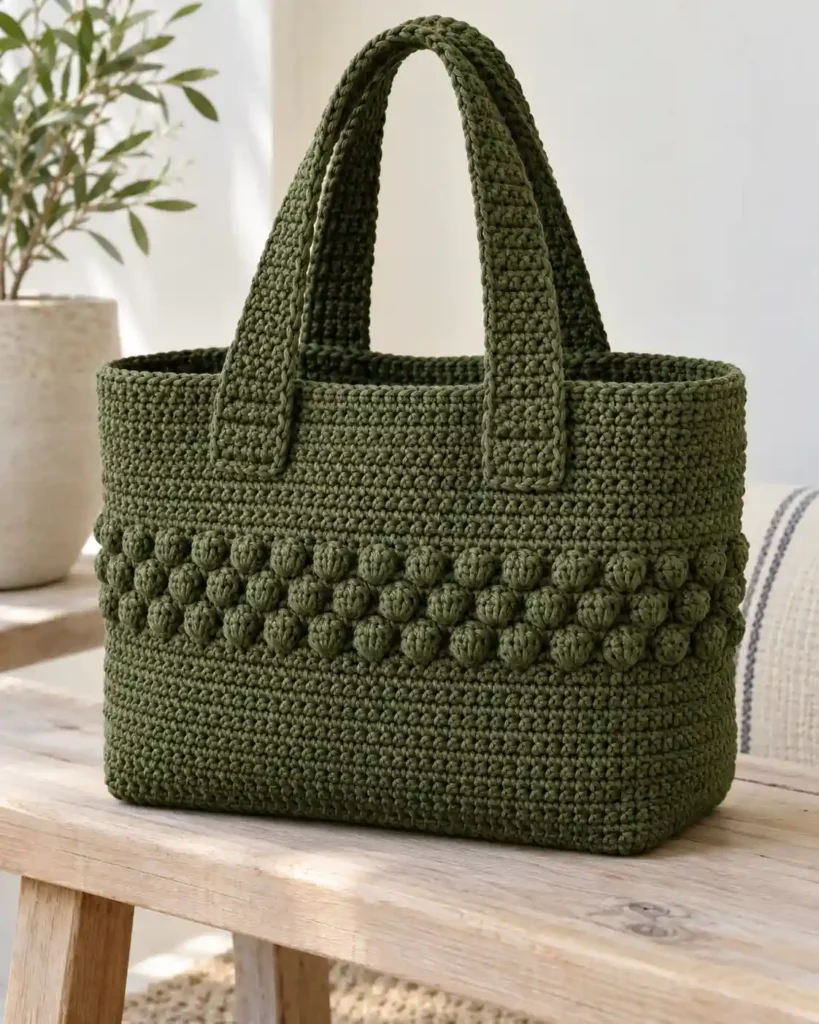
A structured bubble stitch tote bag brings a bold handmade texture to an everyday accessory. The bobble panels make it visually interesting, while a firm base and sturdy handles keep the design practical.
This is a great project for anyone who likes carrying a distinctive bag to work, the market, or a casual weekend outing.
Choose firm cotton yarn for the main body and consider tighter stitches for the bottom.
The raised bubble texture works particularly well on the front and back panels, where it’s easy to see and less likely to interfere with the bag’s construction.
A fabric lining can help keep smaller items contained. Reinforced handles can also reduce stretching when the bag is loaded.
For a polished appearance, limit the textured rows to a planned band rather than adding bobbles randomly.
Olive green, navy, and warm brown are attractive options for a bag designed for frequent use.
11. How Do You Shape a Rounded Bubble Stitch Shoulder Bag?
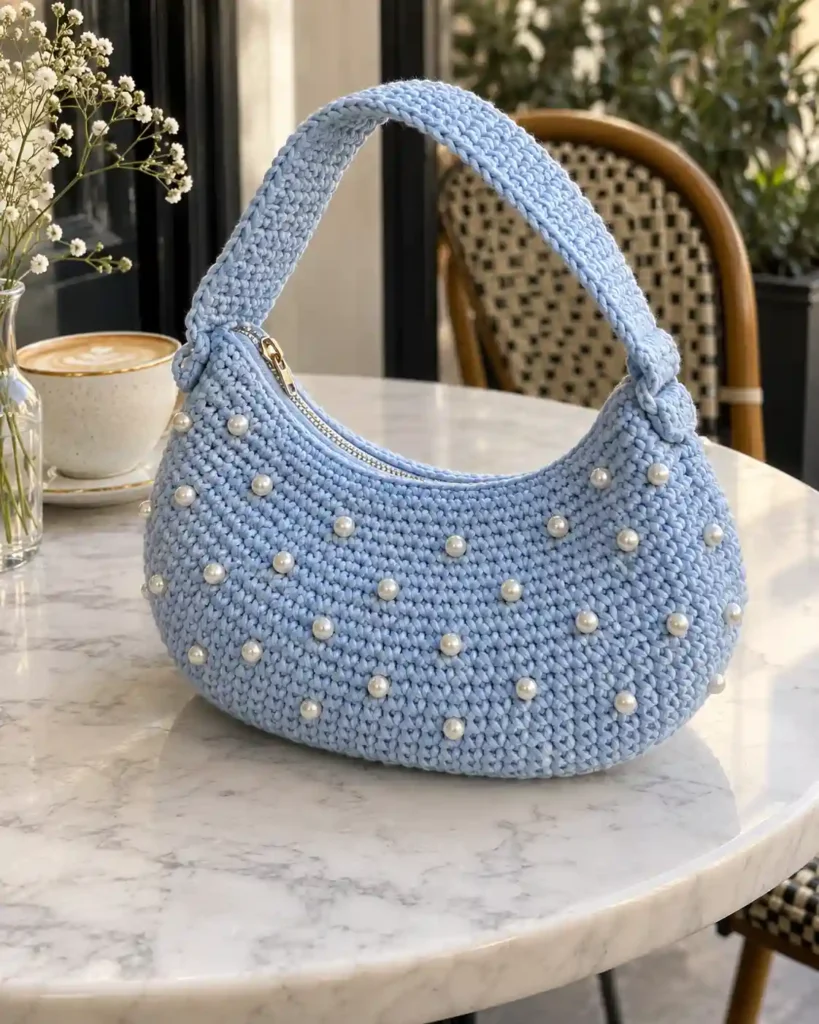
A rounded bubble stitch shoulder bag feels more playful than a traditional rectangular tote. Its curved silhouette gives the raised stitches a softer, almost pearl-like appearance.
It’s a lovely choice for a small everyday handbag that can hold a phone, wallet, and a few essentials.
The shaping requires more care than a flat-sided tote.
Start with an oval or rounded base, then increase and decrease according to the style you want. Keep the bobble arrangement symmetrical so the finished bag doesn’t look uneven.
A short, reinforced strap can complement the compact shape.
Powder blue, dusty pink, and cream are particularly charming for this type of accessory.
For a cleaner finish, consider adding a lining and a secure closure.
The result is a crochet bag that looks decorative without losing its everyday usefulness.
12. Is a Structured Bubble Stitch Crochet Clutch Worth Trying?
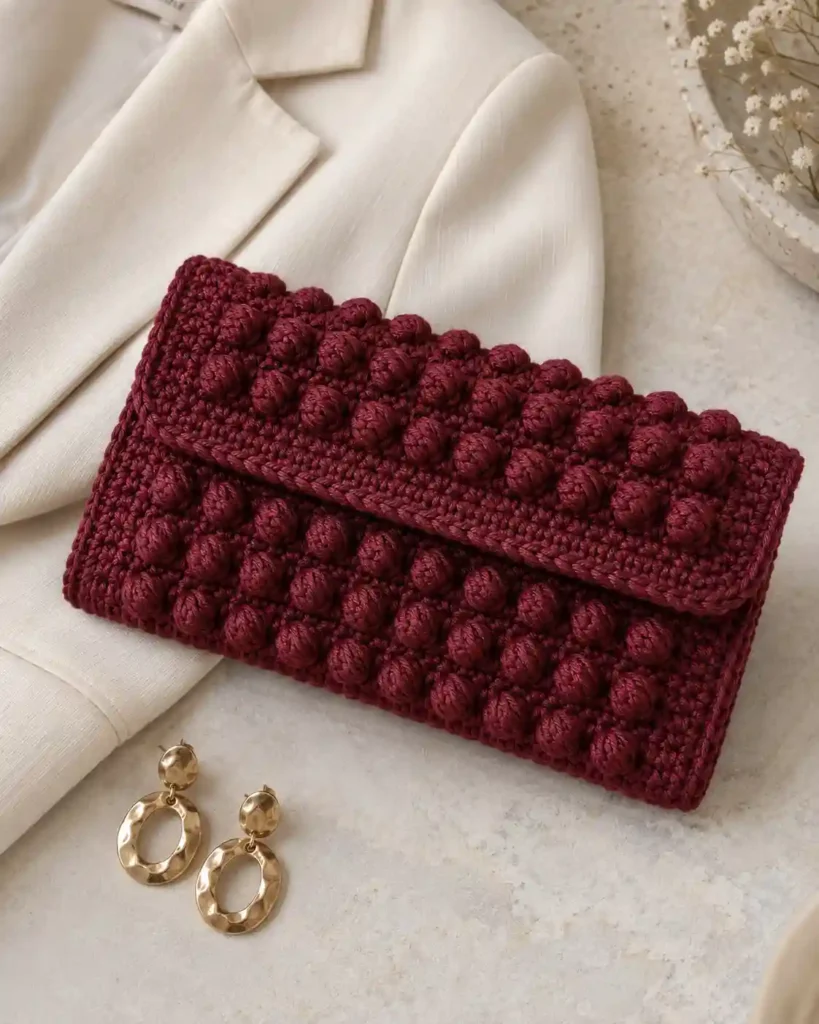
A structured bubble stitch crochet clutch can turn a small amount of yarn into an elegant evening accessory. The raised rows add detail without needing extra decorations.
It looks particularly sophisticated in burgundy, black, chocolate brown, or another rich solid color.
A clutch is also an appealing project when you want to practice cleaner edges and finishing techniques.
Because there’s no shoulder strap, you can focus on making the front and back panels match and ensuring the opening holds its shape.
A firm lining, discreet zipper, or secure flap closure helps prevent the finished piece from sagging.
For an intermediate beginner, a simple rectangular clutch with a row of bobbles across the front is more approachable than a heavily shaped design.
Pair it with a neutral outfit, and the texture gets to do all the talking.
13. Why Is a Mini Bubble Stitch Zip Pouch a Great Gift?
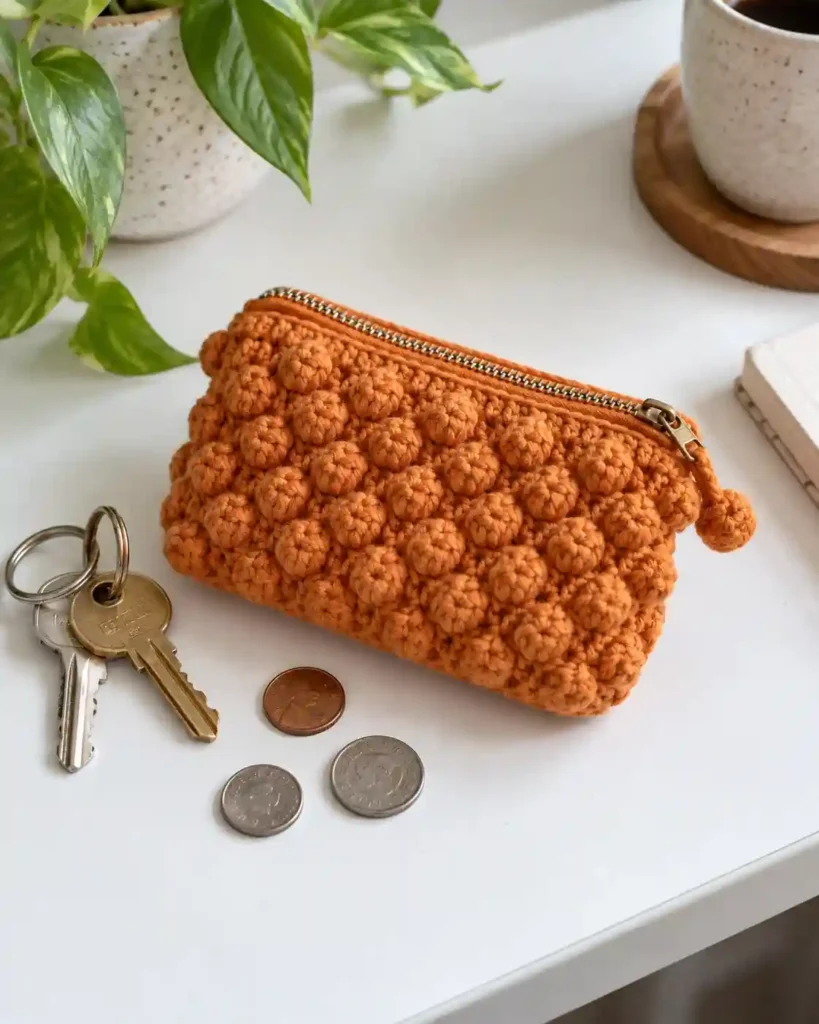
A mini bubble stitch zip pouch is small, cheerful, and surprisingly useful. It can hold coins, keys, stitch markers, or other little items that tend to disappear inside a larger bag.
Compared with a full handbag, it needs much less yarn and gives you a chance to practice sewing a zipper into crochet fabric.
It’s a handy project for birthdays, stocking fillers, or small handmade thank-you gifts.
Start with two matching rectangular panels. Work a few bobble rows into the front panel and keep the back simpler if you prefer a flatter pouch.
Measure your chosen zipper before deciding the width of the finished piece.
After joining the sides, add the zipper carefully and consider a fabric lining to protect the contents.
Bright colors like tangerine, raspberry, or mint make these little accessories especially fun.
What Wearables Look Best With Bubble Stitch Crochet?
Bobble stitches can look lovely on scarves, hats, headbands, and sweaters.
The key is knowing when to use them sparingly. A little texture can make a wearable item special, but too many oversized bobbles may affect drape, comfort, or fit.
14. Can You Make a Soft Bubble Stitch Crochet Scarf?
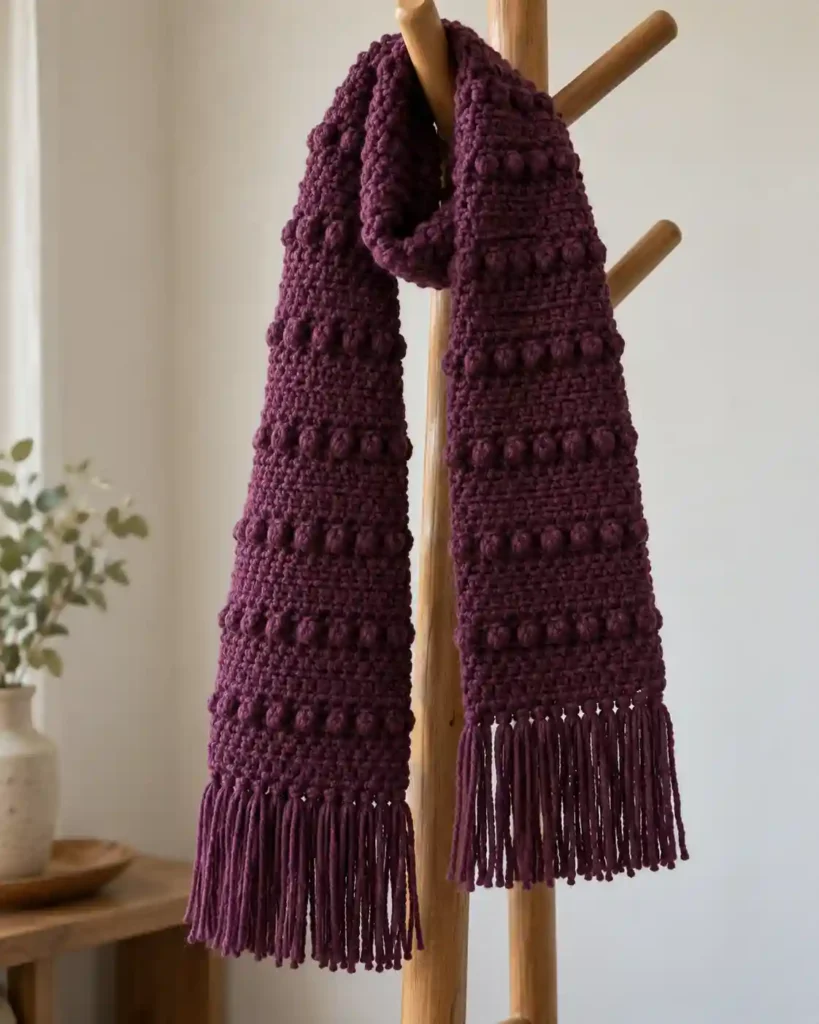
A bubble stitch crochet scarf adds a cozy, textured look to one of the easiest winter accessories. Instead of making the entire fabric thick, you can space out raised rows to create a light but interesting surface.
It’s a good way to dress up a simple coat without making the scarf overly bulky.
Soft acrylic blends or other comfortable, flexible yarns can work well.
Try using two or three plain rows between bobble rows. That extra space allows the fabric to drape more naturally around your neck.
A plum, charcoal, or oatmeal scarf can look especially attractive with its textured pattern running lengthwise.
Finish with a simple border, or add fringe if it suits the style.
Special Tip: Before committing to the full scarf, wrap your practice swatch against your neck. If it feels too bulky or scratchy, adjust the yarn or bobble spacing.
15. Why Try a Cozy Bobble-Texture Cowl?
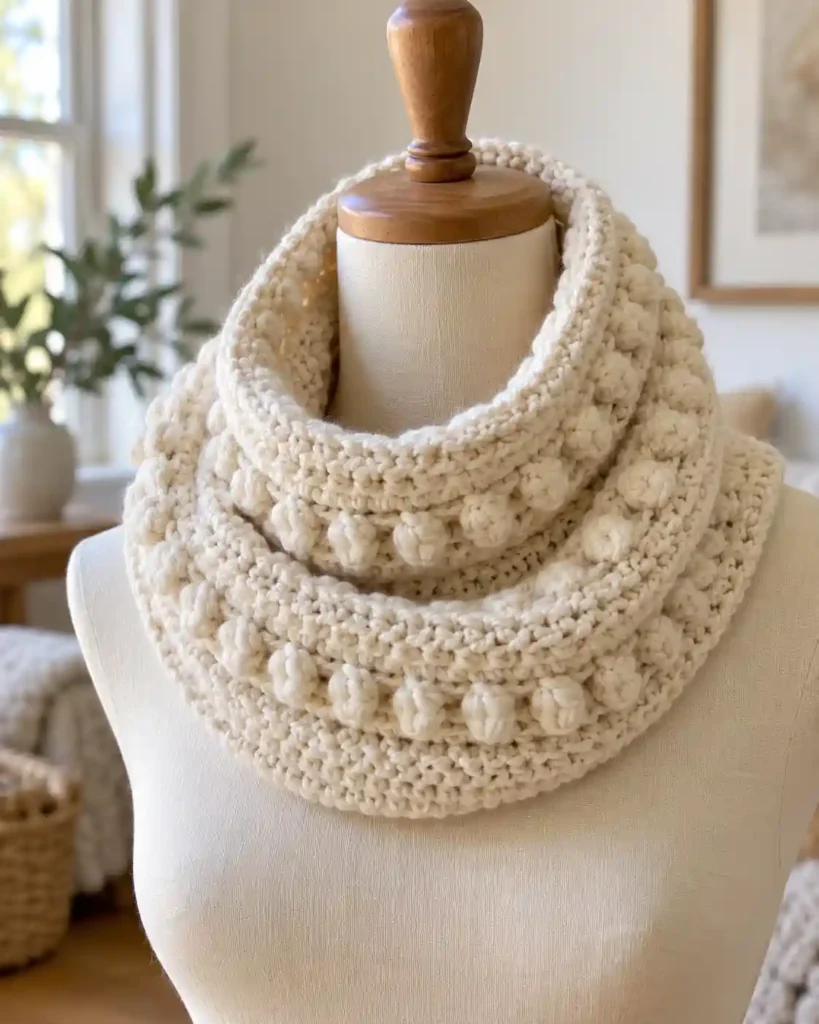
A cozy bobble-texture cowl offers the same warmth and visual detail as a scarf, but in a compact loop that stays in place.
That makes it a convenient choice for anyone who prefers not to manage long scarf ends.
A soft cream or neutral-colored cowl looks particularly elegant with a simple winter jacket.
You can make it as a flat rectangle and join the ends, or work in rounds from the beginning.
The rectangle method is easier if you’re still learning to control the placement of raised stitches.
Keep the bobble bands spaced so the cowl can fold comfortably around the neck.
Measure the intended circumference before joining. You want enough room to pull it over your head without stretching the fabric excessively.
16. How Do You Add Bubble Texture to a Crochet Beanie?
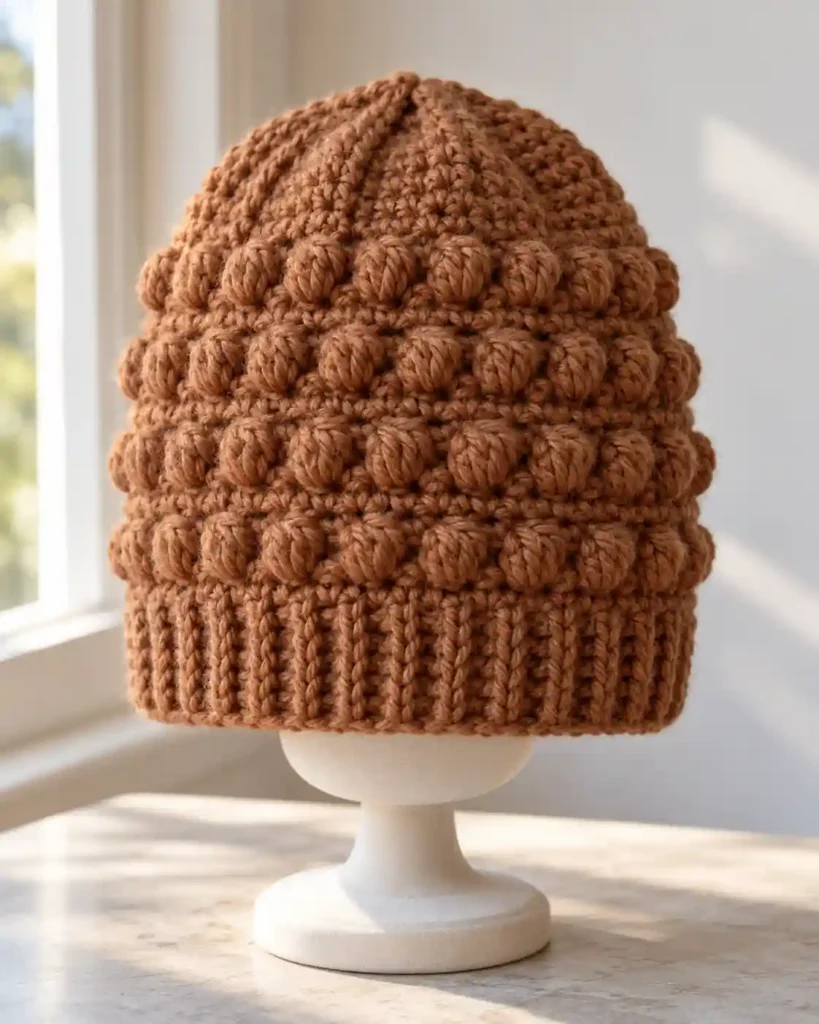
A bubble stitch crochet beanie looks adorable with a few neat rows of raised stitches across the hat body. The texture adds interest without needing complicated colorwork or a large decorative motif.
It’s an easy way to give a familiar winter hat a different personality.
Choose a stretchy foundation or ribbed brim, then add bobble rows above it.
For a cleaner shape, keep the crown relatively smooth so the top of the hat doesn’t become unnecessarily thick.
Warm cinnamon, forest green, dusty pink, and cream all suit the rounded stitch texture.
Check the head circumference and crown measurements before finishing.
Smaller, well-spaced bobbles are often more comfortable than oversized clusters, especially where the hat sits close to the head.
17. Is a Bubble Stitch Crochet Headband Beginner-Friendly?
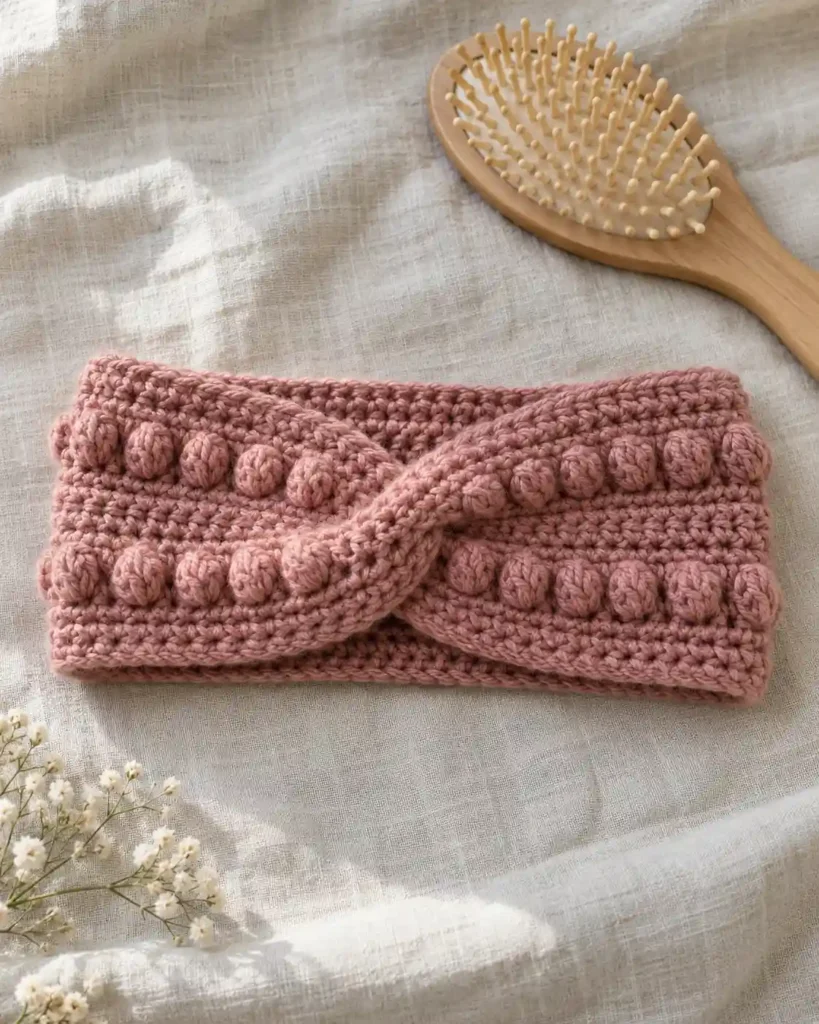
A bubble stitch crochet headband is a quick way to experiment with textured wearables. Its small size makes it much less intimidating than a scarf or sweater.
A simple band with three raised bobble rows can already look complete and intentional.
For a modern style, make a flat strip and join the ends with a twist-front seam.
Choose a soft yarn with enough flexibility for a comfortable fit.
Too much dense texture can make the headband stiff, so keep the bobbles concentrated in a few decorative rows.
Dusty rose, light gray, and beige are beautiful everyday shades.
This is also a practical project for experimenting with Mini bobble stitch crochet, using smaller clusters for a more delicate finish.
18. Can You Add Bubble Trim to a Crochet Baby Bonnet?
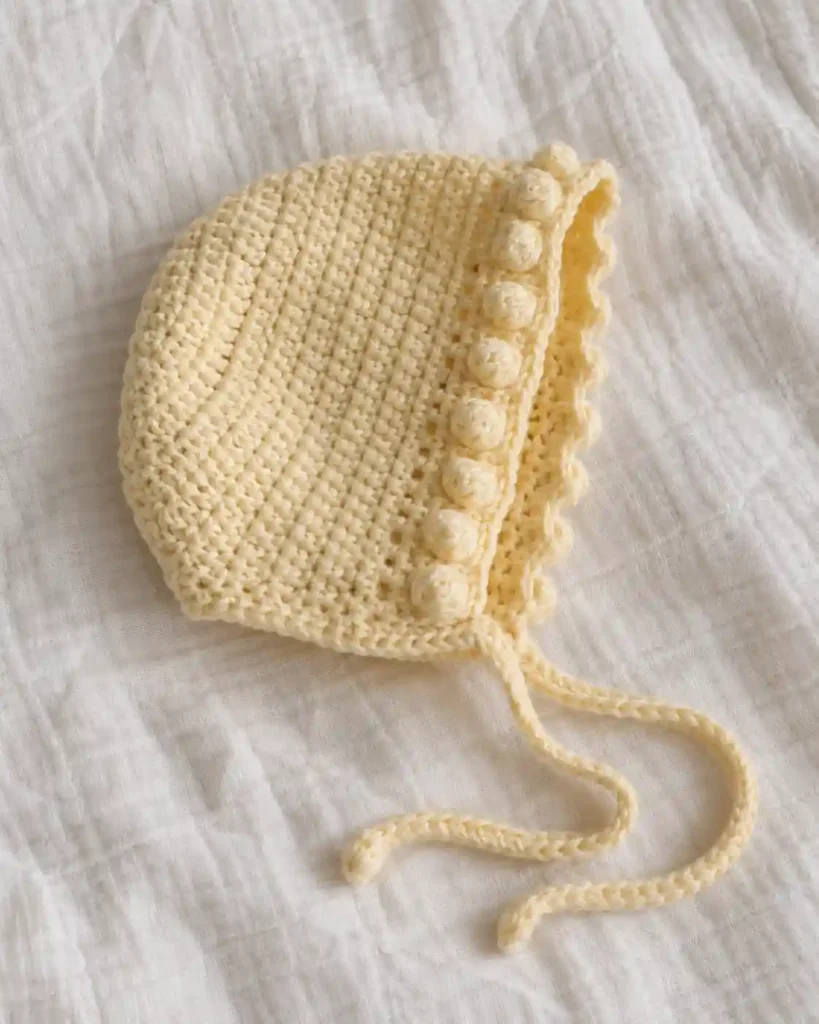
A bubble-trim crochet baby bonnet uses tiny raised stitches as an accent rather than covering the entire bonnet in texture.
That creates a soft decorative edge while keeping most of the fabric smooth.
Pale yellow, ivory, and muted pastel shades suit this delicate design particularly well.
The main bonnet can be made using a simple, breathable stitch pattern, with small bobbles around selected edges.
For a baby accessory, softness and secure construction are especially important.
Avoid loose decorations and detachable components. Be cautious with ties, which may present entanglement hazards, and never leave a baby wearing a tied bonnet unattended or during sleep.
The bonnet is best treated as a supervised-use accessory, with the finished fit checked carefully.
19. How Can Bobble Panels Update a Crochet Cardigan?
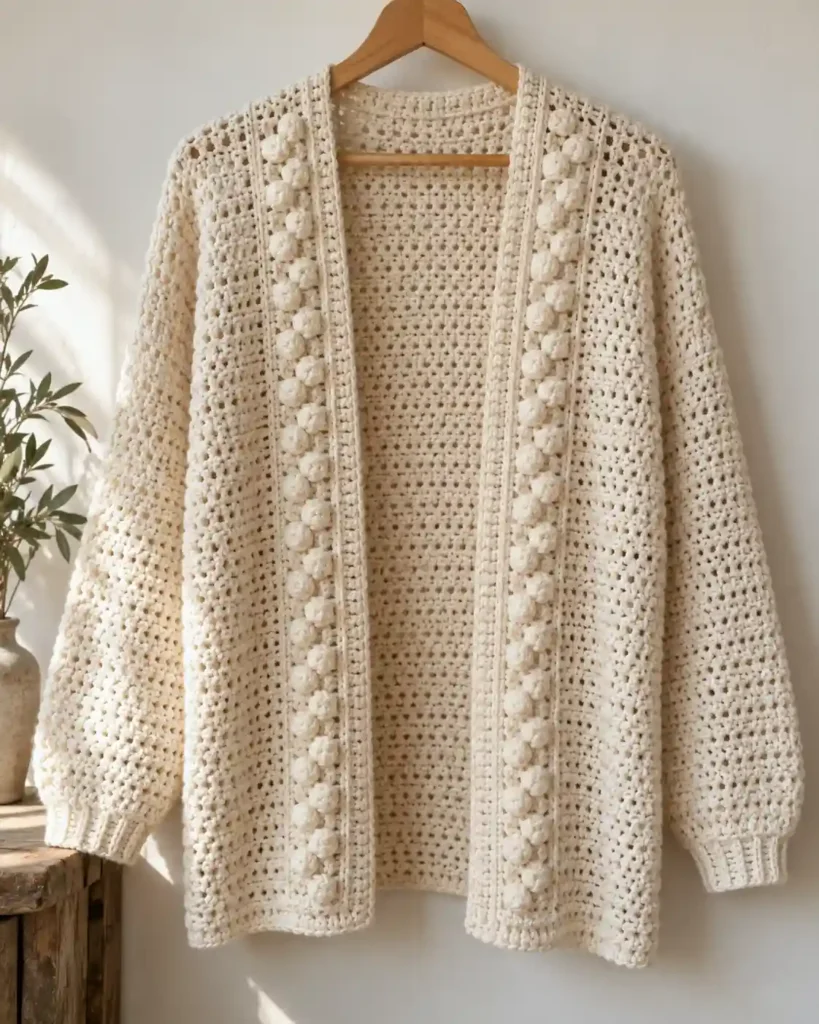
A bobble-panel crochet cardigan is a beautiful option when you want a handmade garment with a little extra character. Raised details along the front edges or pockets can make a plain cardigan feel more thoughtfully designed.
Instead of covering the entire garment with heavy texture, this approach keeps the main fabric relatively flexible.
It works especially well for open-front cardigans in cream, taupe, or other understated colors.
Try placing a narrow row of bobbles down each front panel or adding raised accents to the pockets.
A garment requires more careful gauge planning than a scarf or blanket.
Make sure your swatch reflects how the yarn behaves after washing or blocking, and check that the bobble sections don’t pull the fabric out of shape.
A few well-placed details can make the finished cardigan look polished without overwhelming the design.
20. Why Use Bubble Accents on a Crochet Sweater?
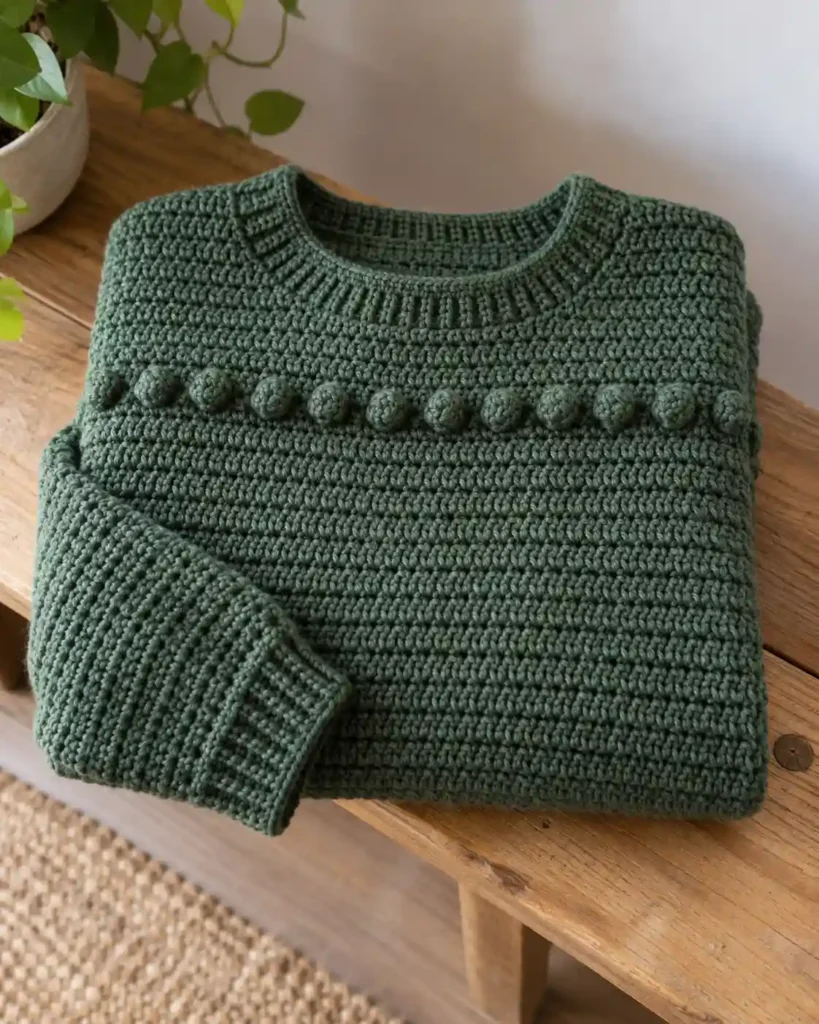
A bubble-accent crochet sweater can give an ordinary pullover a distinctive handmade finish. Rather than relying on complicated stitch patterns across the entire garment, you can create a decorative band on the chest, sleeves, or yoke.
It’s especially appealing when you prefer simple clothing with one interesting feature.
A forest-green or warm ivory sweater with a narrow bobble band can look modern and cozy.
Keep the main fabric soft and flexible, especially around the shoulders and underarms.
Raised stitches add thickness, so they’re usually better placed where they won’t rub or restrict movement.
Measure your gauge carefully and plan the position of the textured band before shaping the garment.
This is best suited to crocheters who already feel comfortable with garment sizing and construction.
How Can You Crochet a Bubble Stitch Storage Basket?
21. Why Finish With a Bubble Stitch Storage Basket?
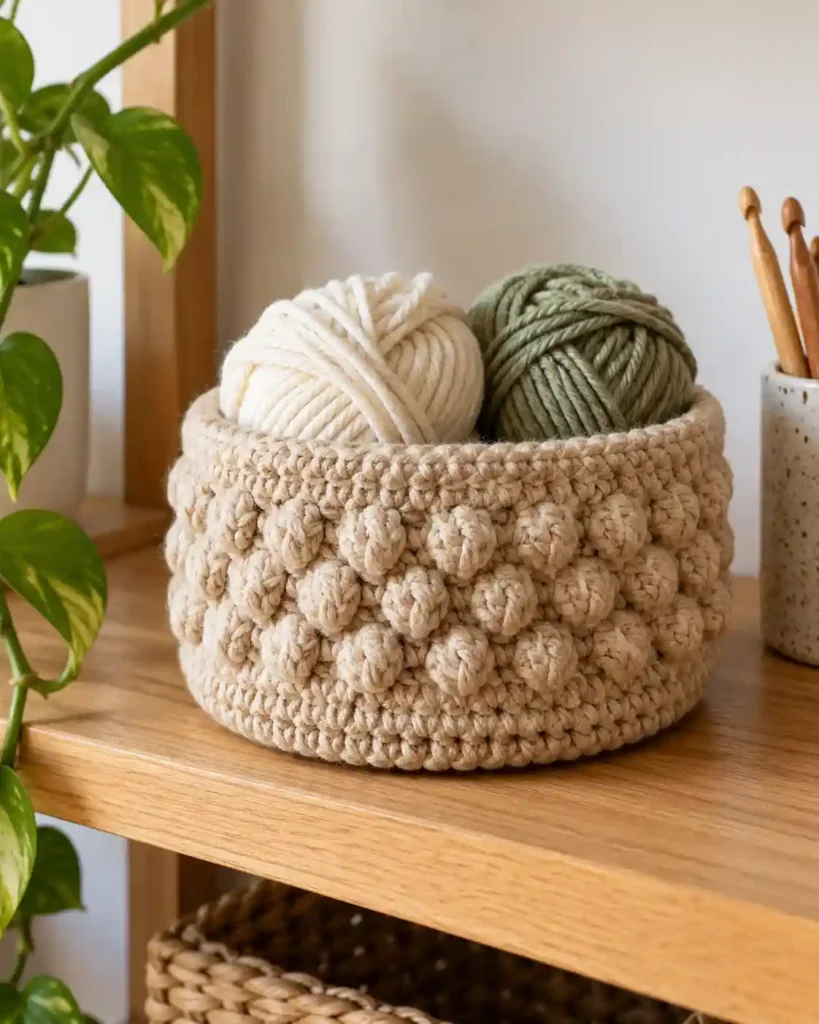
A bubble stitch storage basket combines practical organization with decorative texture. The sturdy sides make it useful for holding yarn, craft supplies, or small accessories, while the raised bobbles give it a lovely handmade appearance.
It’s a nice change from blankets and clothing because the goal is structure rather than drape.
Choose a firm cotton or another suitable sturdy yarn, and consider using two strands together if the finished fabric needs more body.
Begin with a flat circular base, then work up the sides while maintaining the same stitch count.
Add the bobbles in evenly spaced rows around the walls.
A basket made with a tight stitch pattern will generally hold its shape better than one made with loose, open stitches.
Sand, stone gray, and natural cotton shades suit the simple, textured look particularly well.
Which Bubble Stitch Variations Should You Learn Next?
Common bobble stitch variations change the height, number, or construction of grouped stitches, creating different raised textures for specific crochet projects.
At a Glance:
- Single crochet backgrounds help bobbles stand out.
- Double crochet clusters produce pronounced raised details.
- Mini bobbles create smaller accents.
- Half double crochet clusters may form shorter textures.
- Pattern-specific instructions determine the exact stitch.
Once you’ve mastered a basic five-double-crochet bobble, you’ll probably start wondering what happens when you change the stitch underneath it.
That’s where the real experimentation begins.
What Is a Single Crochet Bobble Stitch?
The phrase Single crochet bobble stitch is often used in searches for bobbles worked among single crochet stitches. In those patterns, the bobble itself may still be constructed from unfinished double crochets.
The surrounding single crochet stitches help push the raised cluster forward and provide a firm background.
This combination is particularly useful for alphabet blankets, decorative motifs, and textured tote bags.
Always read the special-stitch definition rather than assuming the words describe one universally standardized construction.
How Do You Make a Double Crochet Bobble Stitch?
A Double crochet bobble stitch is commonly formed by working several incomplete double crochets into the same stitch and joining them at the top.
The five-double-crochet version described earlier is one example.
Using fewer unfinished double crochets generally creates a smaller bobble, while using more can create a fuller cluster.
The difference is easiest to see when you crochet several variations side by side.
Try making one small swatch with three-double-crochet bobbles and another with five-double-crochet bobbles.
You’ll quickly see how much the size of the raised texture changes.
What Is a Half Double Crochet Bobble Stitch?
A Half double crochet bobble stitch may refer to a shorter raised cluster made with half double crochet elements, but terminology varies between designers.
Some patterns classify similar constructions as puff stitches or half-double-crochet clusters.
The important distinction is the written stitch method.
Check whether the instructions ask you to work partially completed half double crochets or to gather repeated pulled-up loops.
These constructions can produce different shapes even when their finished textures look similar.
What Is the Difference Between a Mini Bobble and a Regular Bobble?
Mini bobbles use fewer partial stitches, creating a smaller raised detail.
For example, a three-double-crochet bobble is usually less prominent than a five-double-crochet bobble made with the same yarn and hook.
Mini bobbles are especially useful for delicate borders, narrow headbands, and small accessory designs.
A larger bobble can work better when you want the texture to stand out from a distance.
Which Yarn and Hook Choices Work Best for Bubble Stitch Crochet?
Yarn choice changes the entire appearance of a bobble stitch project.
A smooth cotton yarn can produce clear, defined bubbles, while a softer yarn blend may create a gentler and more flexible texture.
The right choice depends on what you’re making.
| Project | Yarn characteristic to prioritize | Main consideration |
|---|---|---|
| Practice swatch | Smooth, light-colored yarn | Easy stitch visibility |
| Washcloth | Washable cotton | Absorbency and durability |
| Blanket | Soft, comfortable yarn | Drape and weight |
| Tote bag | Firm, durable yarn | Structure and stretch |
| Scarf or cowl | Soft, flexible yarn | Comfort against skin |
| Storage basket | Sturdy yarn | Shape retention |
| Cardigan or sweater | Yarn appropriate for garments | Gauge, drape, and care |
The Craft Yarn Council explains that recommended hook sizes are general ranges and that the actual gauge of a pattern should take priority.
If your bobbles look loose and undefined, try adjusting your hook size or working the closing loop more consistently.
If the fabric feels stiff, experiment with more plain stitches between bobbles or a different yarn.
Don’t make a whole project based on appearance alone. A practice swatch can save a surprising amount of frustration.
How Do You Keep Bobble Stitches Even and Fix Common Mistakes?
Keep bobble stitches even by using consistent yarn tension, counting each cluster correctly, and checking that the raised stitches face the intended side.
At a Glance:
- Count partial stitches before closing a bobble.
- Maintain similar loop heights throughout.
- Check the right and wrong sides regularly.
- Count completed stitches after textured rows.
- Follow appropriate washing and finishing methods.
Bobble stitches aren’t particularly difficult once you’ve learned the basic movement.
Most early problems come from tension and stitch counting.
Why Are My Bobbles Uneven?
Uneven bobbles usually happen when the unfinished stitches are worked at different heights or the closing loop is pulled too tightly.
Try to keep your yarn tension steady as you build each cluster.
Count the partial stitches before closing the bobble, especially when using a five-double-crochet repeat.
Why Are My Bobbles on the Wrong Side?
Many bobble constructions push the raised portion away from the side you’re working on.
If you want all the bobbles on the front of a flat project, work them on the appropriate wrong-side rows.
You can also check the fabric after each textured row to make sure the raised stitches are appearing where you intended.
How Can I Stop Accidentally Increasing My Stitch Count?
A completed bobble should normally count as one stitch in the type of repeat used in this article.
Don’t mistake the visible strands of the bobble for multiple separate stitch tops when working the next row.
Use stitch markers at the beginning and end of a row if you’re having trouble finding the edge stitches.
For larger patterns, count the full row after each bobble section until you’re confident with the technique.
How Should You Wash and Finish Raised Crochet?
Always follow the care instructions for your specific yarn.
A gentle wash and careful reshaping may help the fabric settle into its finished form, but avoid pressing the raised bobbles flat.
For blankets, check that all yarn ends are securely woven in.
For bags, inspect the handles, seams, and lining before everyday use.
For garments, block or reshape the fabric using a method appropriate for the fiber.
Good finishing can make a simple bobble stitch project look considerably more polished.
Frequently Asked Questions About Bubble Stitch Crochet
Is bubble stitch crochet easy for beginners?
Yes. Bubble stitch crochet is approachable once you know how to chain, single crochet, and double crochet. Start with a small swatch to practice controlling the unfinished stitches and keeping the stitch count consistent.
Does bobble stitch use more yarn than regular crochet?
A dense bobble pattern can use more yarn than a comparable plain fabric because each raised cluster contains several partial stitches. Make and weigh a representative swatch to estimate the yarn needed for a larger project.
Can I use bubble stitch for crochet bags?
Yes. Bubble stitches work well as decorative panels on totes, shoulder bags, clutches, and small pouches. Use a firm base, sturdy handles, and a lining when the bag’s intended contents require additional support.
Can bubble stitches be worked in the round?
Yes. You can place bobbles in joined or continuous rounds, although their orientation depends on the construction and whether you turn the work. A small cylindrical sample will help you understand how the raised stitches face.
Are bobble and popcorn stitches the same?
No. A bobble commonly joins unfinished stitches together, while a popcorn stitch gathers completed stitches into a raised cluster. Pattern terminology varies, so always follow the stitch instructions provided by the designer.
Final Thoughts on Bubble Stitch Crochet
Bubble stitch crochet is one of those techniques that can make even the simplest project feel more interesting.
You don’t need to start with an elaborate blanket or a complicated bag. A small practice swatch, a cotton washcloth, or a quick headband is enough to get comfortable with the raised texture.
Once you’ve mastered the basic bobble, you can experiment with different yarns, colors, stitch spacing, and project shapes.
That’s when the possibilities really open up.
From cozy throws and personalized blankets to stylish bags and handmade accessories, these 21 ideas show how versatile a few well-placed bubbles can be.
Pick a project that matches your skill level, choose yarn and a hook suited to your pattern, and consult the Craft Yarn Council’s yarn weight standards for general guidance before making your practice swatch.
For more crochet inspiration, beginner-friendly guides, and creative project ideas, explore CrochetMind.com.

![The Best 30+ Free Crochet Cat Patterns [Beginner-Friendly Guide]](https://crochetmind.com/wp-content/uploads/2025/04/1-The-Best-30-Free-Crochet-Cat-Patterns-Beginner-Friendly-Guide.webp)