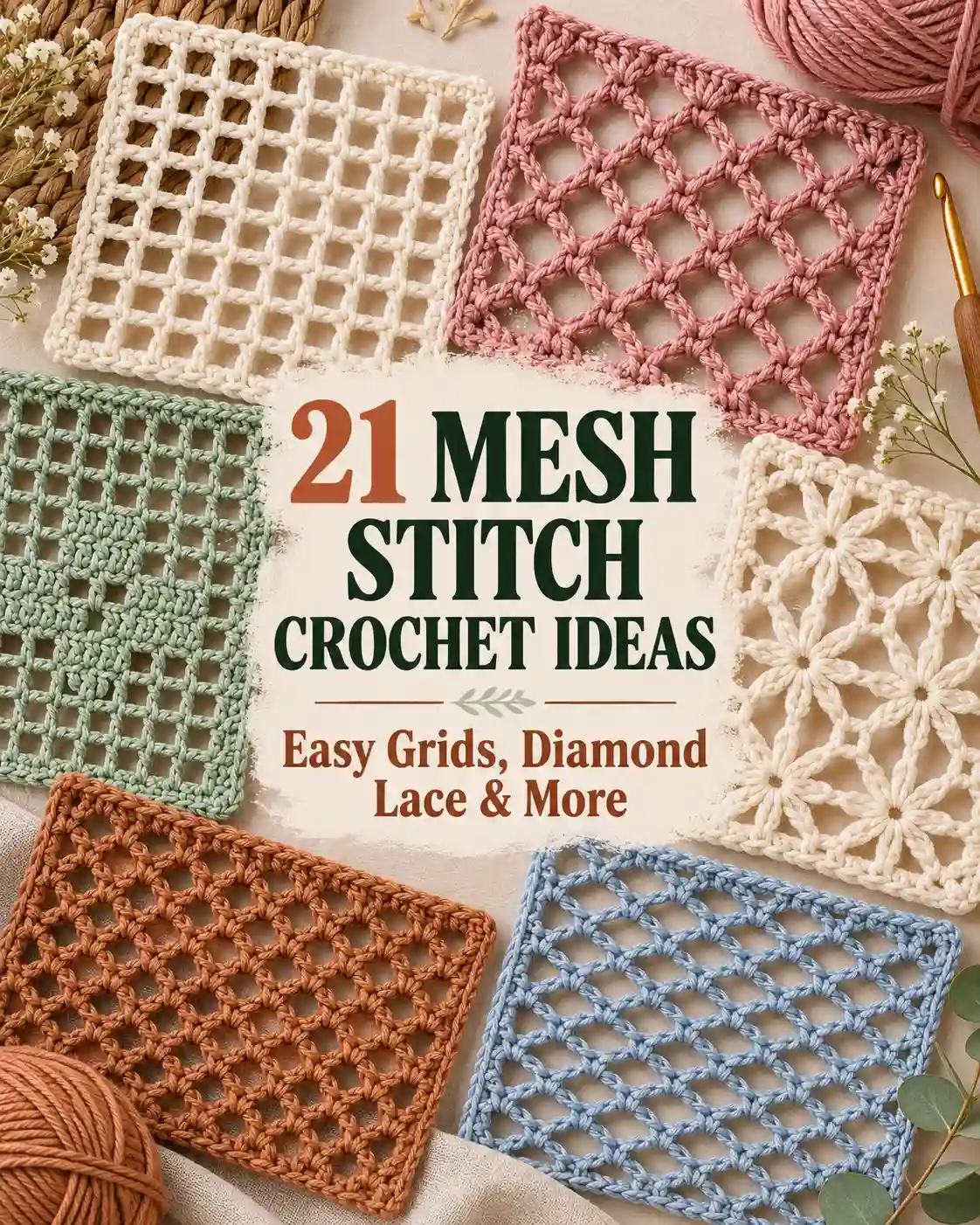
Mesh stitch crochet is a technique that creates open, breathable fabric using chains, skipped stitches, and different crochet stitch combinations. From simple square grids to decorative diamonds and floral lace, these 21 mesh stitch ideas can help you choose the right texture for summer tops, scarves, shawls, blankets, and bags.
Some mesh stitches are easy enough for beginners, while others involve more detailed repeats. The interesting part is how much the finished fabric can change just by adjusting the placement of stitches and spaces.
This guide explores 21 different crochet mesh stitches, explains their main features, and shows where each style works best. If you’d like to explore more stitch techniques, browse most trendy crochet stitches for additional inspiration.
Choosing a mesh stitch crochet pattern is easier when you can see how the openings differ. A tiny swatch often tells you more about drape and coverage than a pattern name does. As you browse these ideas, notice how neat grids compare with loose nets, curved arches, and raised textures. You can start with the simplest option and explore the decorative ones whenever you’re ready.
Key Takeaways
- Start with single or double crochet mesh for basic practice.
- Compare Different crochet mesh stitches by openness and drape.
- Swatch diamond, filet, and fishnet variations before committing.
- Match smaller openings to projects needing more coverage.
- Check yarn care instructions before blocking finished mesh.
How Does Mesh Stitch Crochet Work?
Mesh crochet uses chain spaces, skipped stitches, and different stitch combinations to create deliberate openings in crocheted fabric.
At a Glance:
- Basic mesh often combines chains with single or double crochet.
- Taller stitches and longer chains generally create larger openings.
- Stitch placement determines whether the mesh forms grids, diamonds, or decorative shapes.
- Yarn, hook size, and tension influence the finished texture.
Mesh crochet creates small or large openings by combining ordinary stitches with chain spaces. Instead of working every stitch into a solid row, you deliberately leave gaps that become part of the design.
A simple mesh might alternate single crochet stitches with chains. Other versions use double crochet, clusters, or staggered openings to produce more decorative patterns.
Most basic mesh stitches rely on a few familiar techniques:
- Chain (ch): Creates the open spaces between stitches.
- Single crochet (sc): Produces shorter, firmer connecting stitches.
- Half double crochet (hdc): Adds moderate height and softness.
- Double crochet (dc): Creates taller stitches and often a more open fabric.
- Skip (sk): Leaves a stitch or space unworked as directed.
- Chain space (ch-sp): The opening formed by one or more chains.
These abbreviations follow U.S. crochet terminology, as described by the Craft Yarn Council. Remember that U.K. stitch names differ, especially for single and double crochet.
If you already know how to chain, single crochet, and double crochet, you have a good foundation for learning basic mesh.
Which Mesh Crochet Stitch Should You Choose?
Here’s a quick comparison to make choosing easier.
| Mesh stitch | Main appearance | Suggested use | Skill level |
|---|---|---|---|
| Single crochet mesh | Small, even gaps | Blankets, accessories | Beginner |
| Double crochet mesh | Open square-like grid | Tops, scarves | Beginner |
| Filet square mesh | Neat geometric squares | Decorative designs | Beginner–intermediate |
| Diamond mesh | Repeating diamond openings | Shawls, summer layers | Intermediate |
| Open fishnet mesh | Loose net-like holes | Beach cover-ups, bags | Beginner–intermediate |
| V-stitch mesh | Repeated V-shaped motifs | Cardigans, wraps | Beginner–intermediate |
| Flower mesh | Decorative floral openings | Lace panels, shawls | Intermediate |
The best choice depends on how much coverage, stretch, structure, and drape you need.
21 Mesh Stitch Crochet Ideas for Different Projects
There’s more to mesh crochet than a simple row of square holes.
Some stitches create lightweight fabric that moves beautifully. Others combine openwork with stronger bars, raised textures, or decorative motifs.
Below are 21 mesh variations worth exploring, starting with approachable basics before moving into more detailed designs.
1. Single Crochet Mesh Stitch: Is It Good for Beginners?
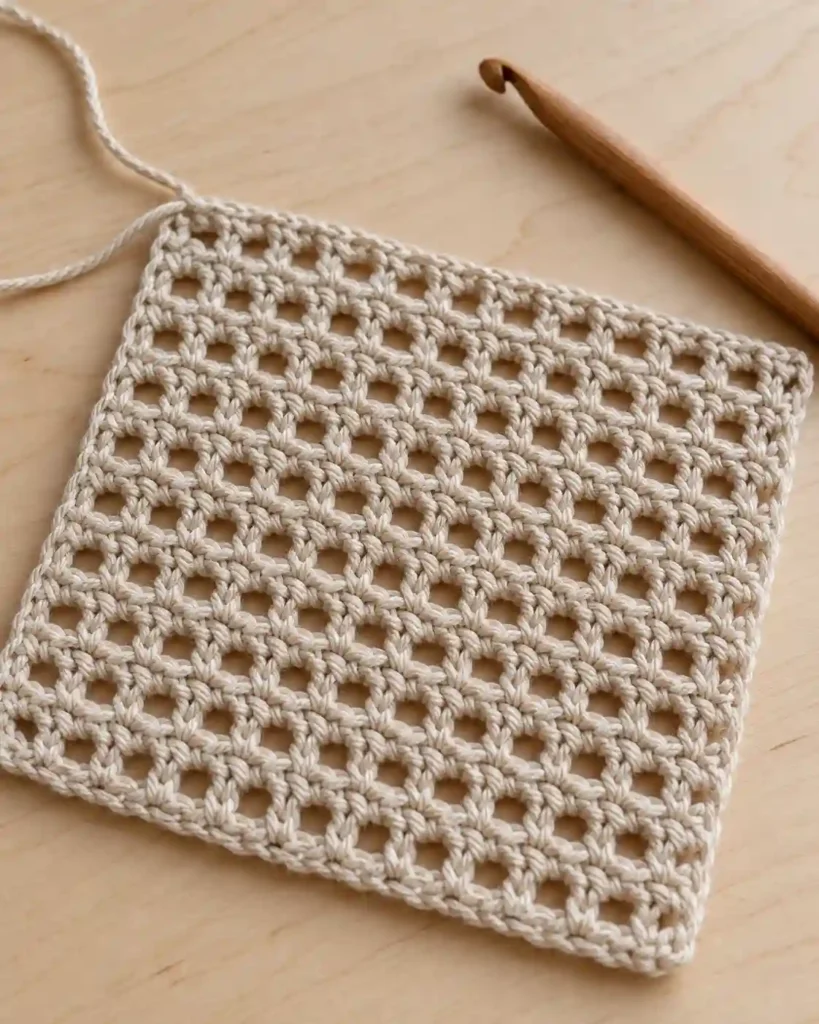
Single crochet mesh stitch is a comfortable place to begin because it creates a tidy texture using basic stitches and small chain spaces. Compared with wider fishnet patterns, its shorter stitches can give the fabric a more controlled feel while still allowing light through. It suits simple scarves, practice swatches, and accessory panels when you want something breathable without enormous holes. Beginners who enjoy predictable repeats will appreciate how easy it is to see where the next stitch belongs.
A smooth cotton yarn makes the little openings easier to recognize, especially when you’re learning to keep your edges straight.
Special Tip: Count the single crochet stitches and chain spaces separately when checking your rows. Accidentally skipping a space can make the fabric narrow without you noticing immediately.
2. Double Crochet Mesh Stitch
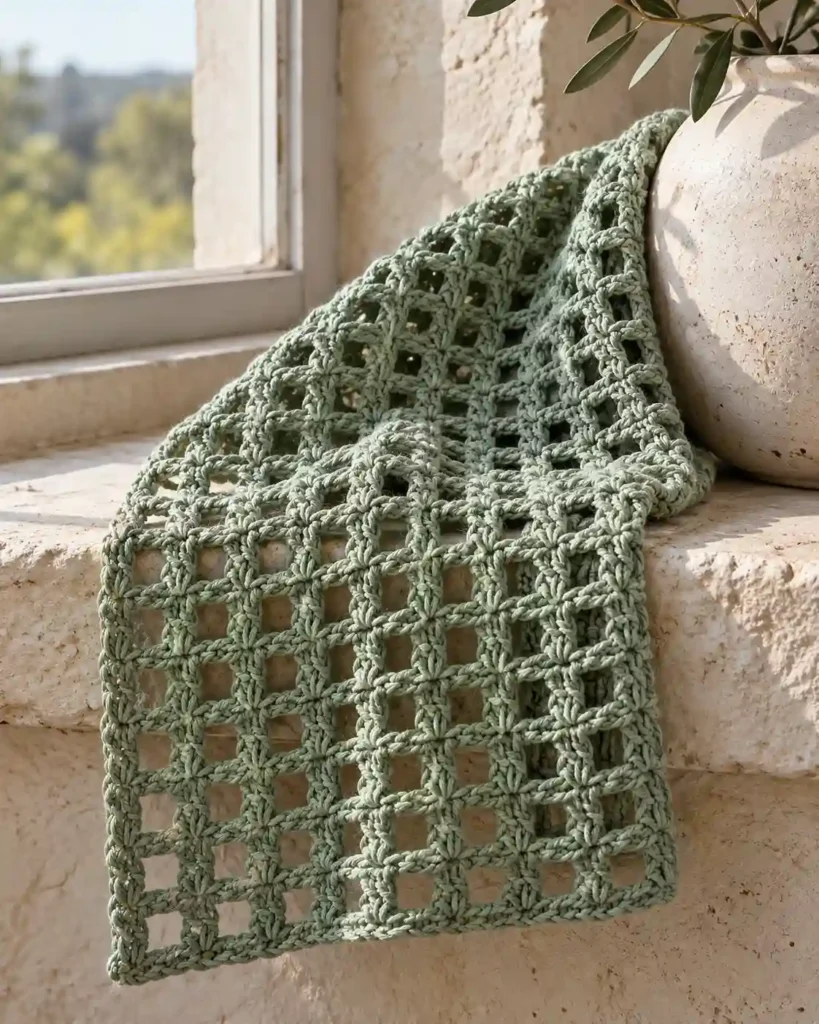
Want an airy fabric that grows quickly? Double crochet mesh stitch is worth learning early.
The taller double crochet posts separate the openings more clearly than shorter single crochet stitches, giving the fabric a light and open appearance. I would consider this style for a relaxed summer scarf or a simple garment panel where the stitch itself doesn’t need to compete with complicated shaping. It’s particularly useful when you want an easy-to-read pattern with a noticeable grid.
The main challenge is keeping the turning chains and edge stitches consistent. One misplaced double crochet can shift the openings in the following row.
3. Half Double Crochet Mesh Stitch: When Should You Use It?
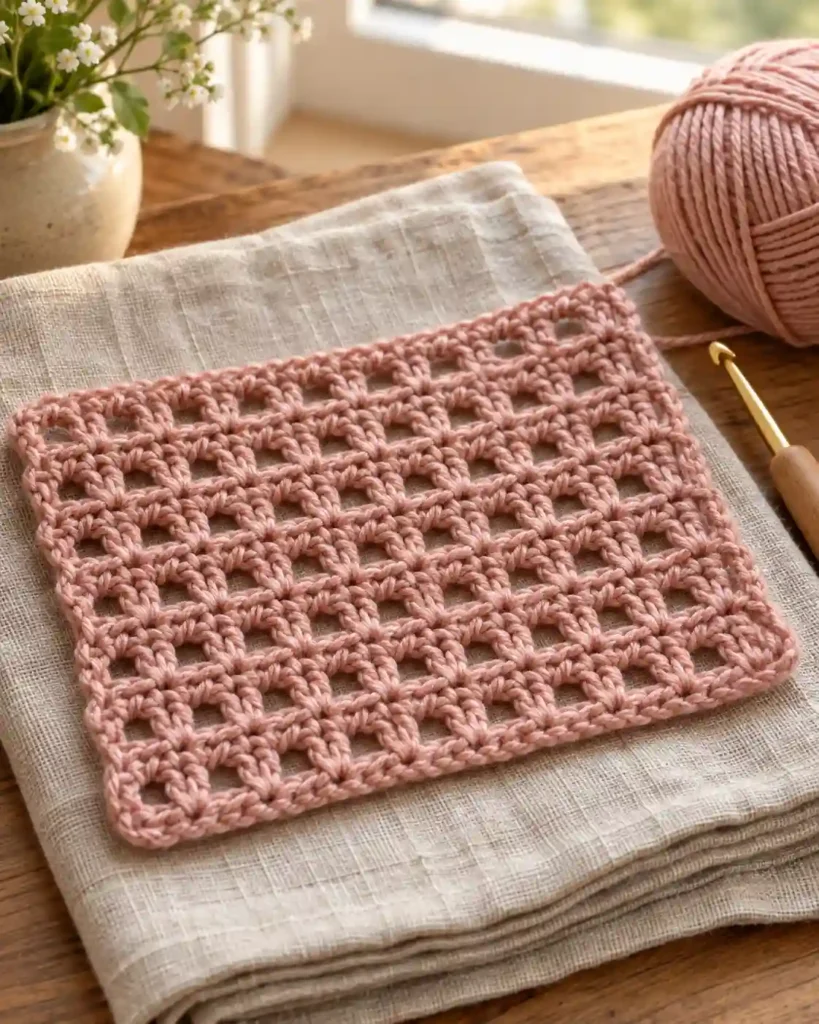
Half double crochet mesh offers a useful middle ground between compact single crochet and taller double crochet variations. Its shorter posts can produce softer-looking rows with modest openings, depending on the repeat. Imagine a lightweight scarf that needs some texture without becoming a very transparent lace piece. This is a good option for crocheters who want a gentler visual effect while practicing consistent stitch height.
A small sample made with the same yarn and hook as a double crochet mesh swatch will help you see the difference.
For projects where coverage matters, hold both samples against a contrasting background before deciding.
4. Filet Square Mesh Stitch
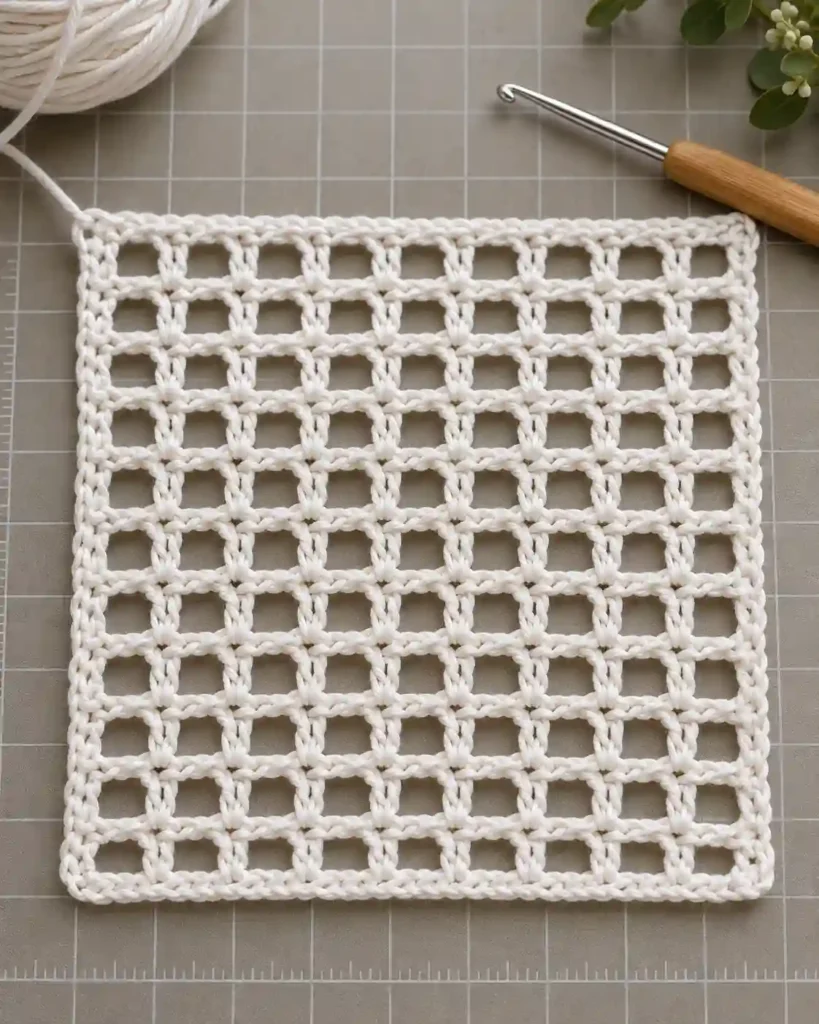
Filet square mesh is all about neat, organized spaces.
Unlike free-flowing net patterns, filet mesh stitch crochet uses a regular grid that can combine open squares with filled blocks to create decorative pictures and geometric designs. This makes it especially useful for table runners, wall hangings, decorative panels, and scarves featuring graphic motifs. If you enjoy following charts, the repeating square structure gives you plenty of possibilities beyond plain mesh.
Traditional filet techniques often use double crochet stitches and chain spaces to form the grid.
According to Interweave’s filet crochet guide, the open and filled blocks are arranged according to a chart, allowing crocheters to build a recognizable design.
Special Tip: Keep an eye on the shape of your squares. If the openings become noticeably rectangular, experiment with stitch height and tension before starting a large project.
5. Crochet Diamond Mesh Stitch: What Makes It Different?
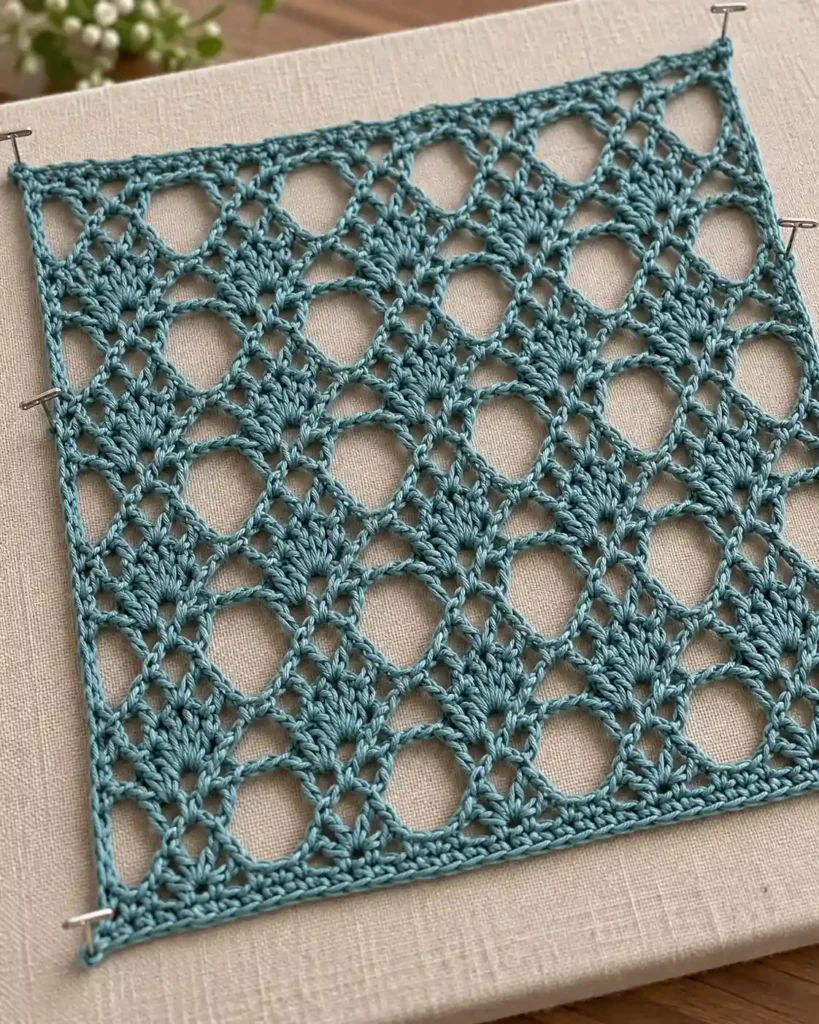
The crochet diamond mesh stitch turns simple openwork into a more decorative arrangement of diagonal spaces. Instead of the straight grid associated with filet crochet, the openings form repeated diamond shapes that give the fabric movement and visual interest. Picture a light shawl draped over a plain top, where the diamond pattern provides most of the decoration. For more project inspiration, explore crochet shawl patterns featuring different textures and designs. It’s an appealing choice for intermediate crocheters who are comfortable following staggered stitch placements.
Diamond mesh designs can vary considerably in their construction, so the exact repeat depends on the tutorial you choose.
Try making a small swatch first and check that the diamonds remain symmetrical.
Crochet diamond mesh stitch patterns are easier to follow when the diagrams clearly show how the openings shift between rows. Check that the diamond shapes remain balanced before using the stitch in a larger project.
6. Open Fishnet Crochet Mesh Stitch
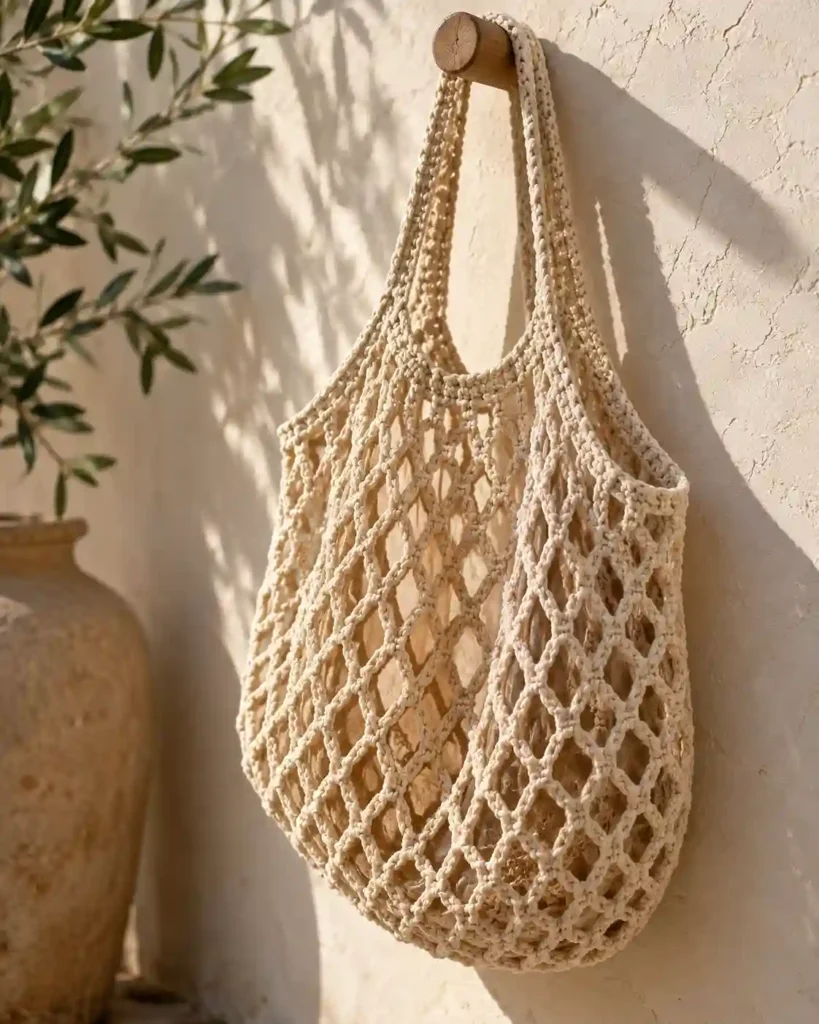
Open fishnet mesh creates the loose, net-like appearance often associated with beachwear and shopping bags.
Its larger openings distinguish it from closely spaced square mesh, and the fabric can become particularly flexible when long chain loops connect the rows. A beach cover-up worn over another layer is an obvious place for this texture to shine. It’s also attractive for lightweight accessories when openness is more important than full coverage.
The size and shape of the holes depend on the particular fishnet repeat.
Special Tip: Large mesh openings can catch on objects or allow small belongings to fall through. Consider the finished use before choosing this stitch for a bag.
7. Mini Mesh Crochet Stitch: Is Smaller Mesh More Practical?
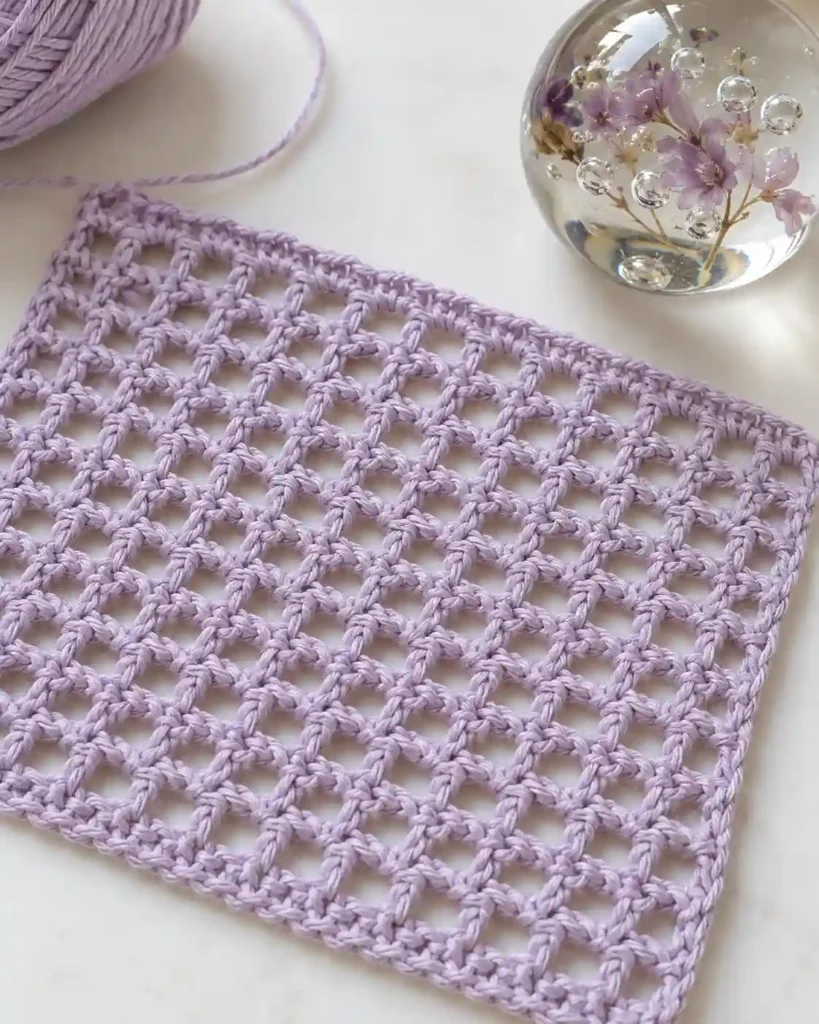
Mini mesh crochet stitch focuses on small, closely spaced openings that give the fabric a subtle openwork finish. Compared with wide fishnet, it can provide more visual coverage while retaining some of the texture that makes mesh appealing. This is the sort of fabric I’d consider for a lightweight scarf or a decorative blanket panel where oversized holes might feel distracting. It works particularly well for beginners who prefer a restrained design.
Look for a repeat specifically designed with smaller chain gaps rather than assuming that using a smaller hook alone creates a different stitch.
Fine, smooth yarn can make the openings appear delicate, but always check the resulting fabric against your intended use.
8. Extra-Open Chain-Loop Mesh Stitch
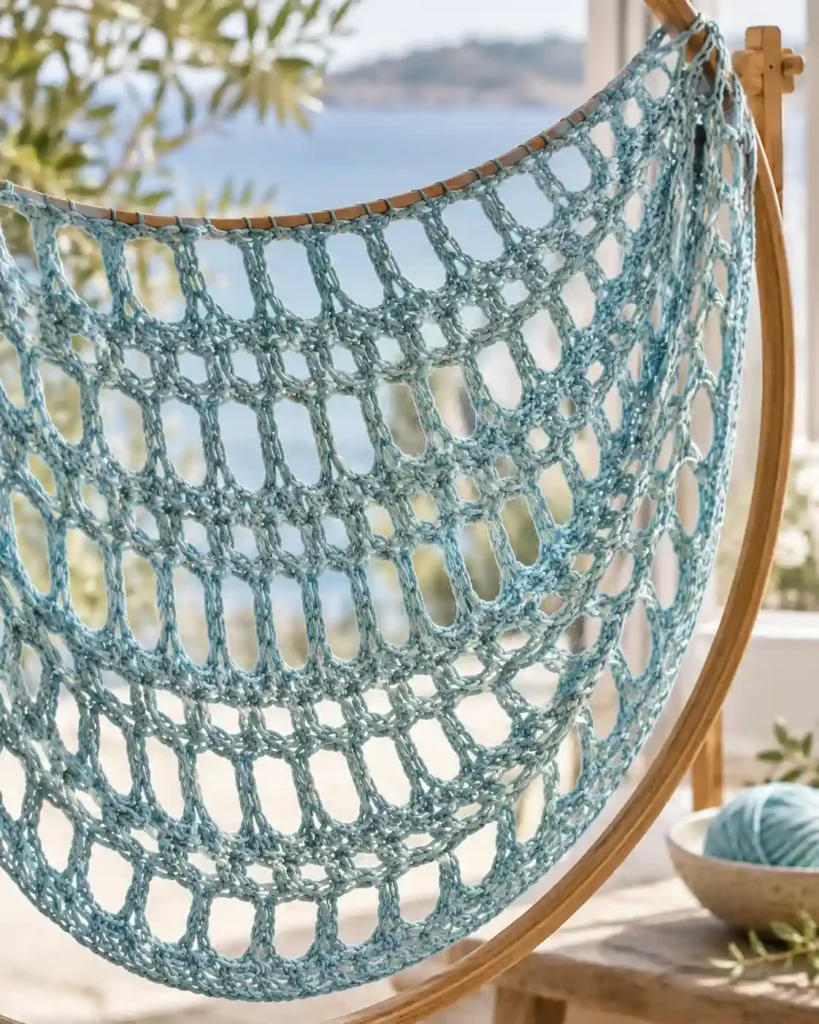
Extra-open chain-loop mesh is designed for projects where the gaps are a prominent part of the finished look.
Longer chain arches create broad, rounded openings rather than the tighter cells of ordinary square mesh. This makes the stitch a natural candidate for decorative sleeves, airy scarves, and layered summer pieces. If you’re hoping for a flowing fabric that doesn’t look heavily textured, an open chain-loop design is worth trying.
The main consideration is how the loops behave after the fabric hangs under its own weight.
Make a longer sample and let it hang before judging the finished size.
9. V-Stitch Mesh Crochet: Why Is It Popular for Summer Projects?
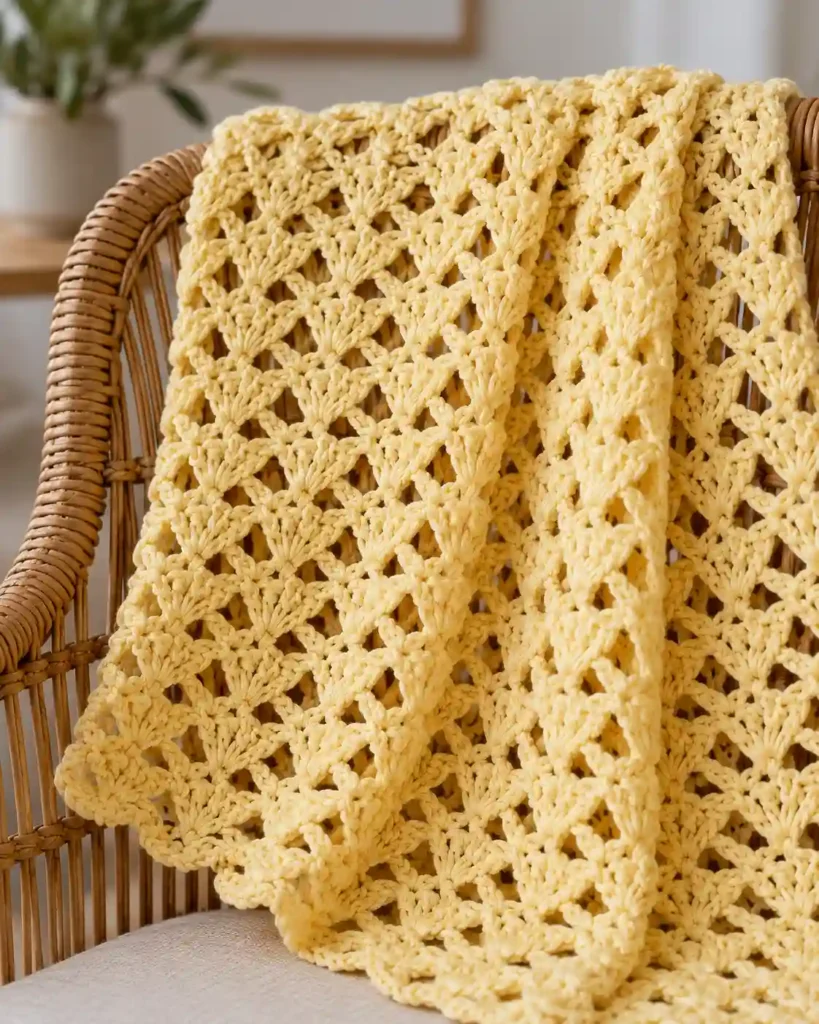
V-stitch mesh gets its character from double crochet stitches arranged in repeated V-shaped groups. These paired posts create a recognizable pattern that looks more decorative than a basic grid without necessarily requiring complicated stitches. I can picture it across the body of a relaxed summer cardigan, where the repeated motifs add interest without a heavy texture. It’s a satisfying choice for crocheters who know double crochet and want to move toward lace.
Depending on the design, a V-stitch may contain a chain space between its two posts.
Take care to place each new V in the correct location. Otherwise, the rows may start to lean or the fabric may widen unexpectedly.
10. Honeycomb Mesh Crochet Stitch
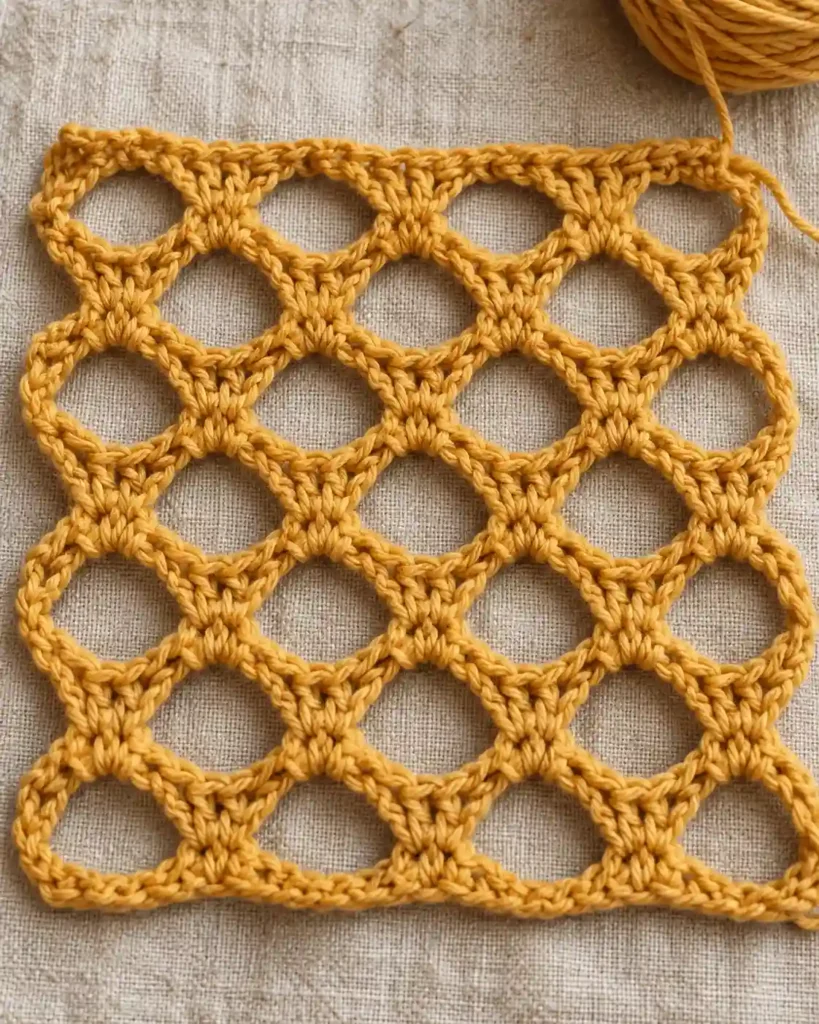
Honeycomb mesh offers an interesting alternative to square and diamond openings.
The design aims for a repeating arrangement of connected cells that resemble a honeycomb, giving the fabric a structured geometric appearance. It can work beautifully as a feature panel in a shawl or as a decorative section within a simple garment. Intermediate crocheters who enjoy repeating shapes may find this style particularly rewarding.
The name honeycomb mesh is used for different constructions, so the written instructions matter more than the name alone.
Look for a tutorial with a clear stitch diagram or close-up photographs that show the cell structure. A generic hexagon motif pattern isn’t necessarily the same thing as a continuous honeycomb mesh stitch.
11. Flower Mesh Crochet Stitch: Where Does It Work Best?
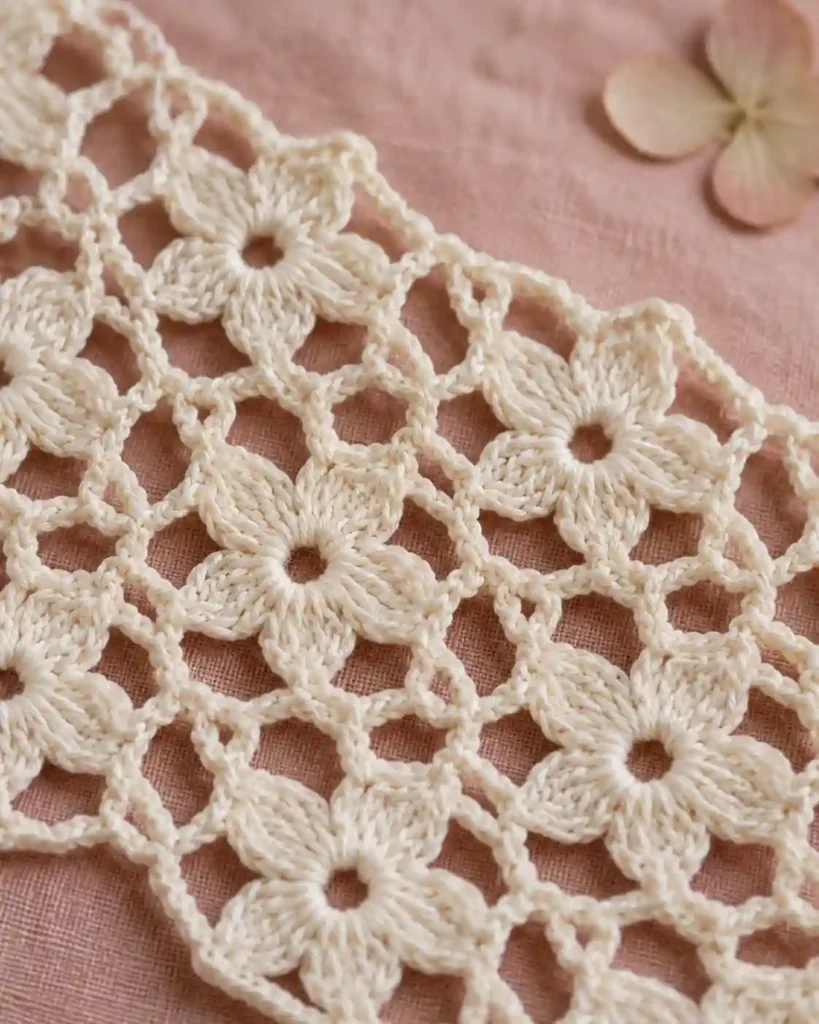
Flower mesh stitch combines ornamental floral shapes with the lightness of open crochet fabric. Rather than relying entirely on straight bars or geometric holes, this style uses petal-like arrangements to create a softer and more decorative appearance. Imagine a summer wrap with small flowers running across the fabric instead of a plain lace grid. It’s especially suitable for crocheters who enjoy delicate details and don’t mind paying closer attention to stitch placement.
Some flower mesh designs are crocheted continuously in rows, while others connect individual motifs.
Check which construction your chosen tutorial uses, because joining motifs can involve additional steps.
12. Willow Mesh Crochet Stitch
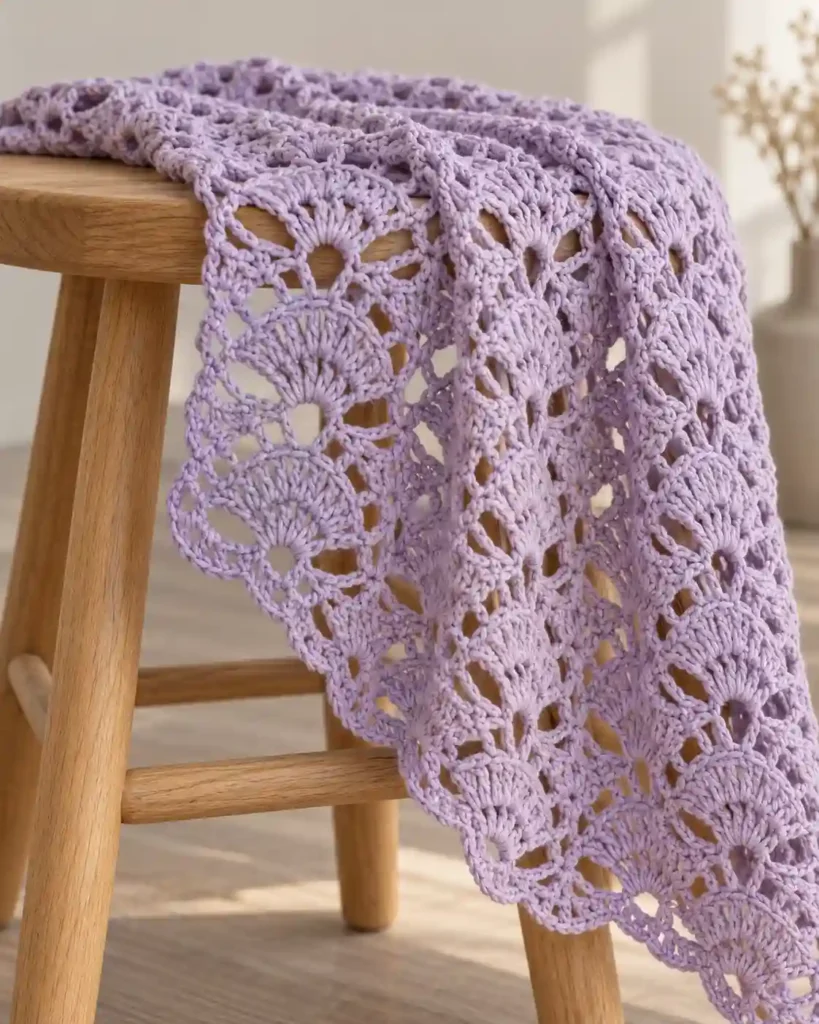
Willow mesh has a graceful appearance built around curved openings and decorative stitch groupings.
Where regular mesh emphasizes straight lines, willow-inspired lace tends to draw the eye toward gentle arches and repeating botanical-looking shapes. It can add elegance to a long shawl, loose wrap, or an accent panel in a lightweight top. This style suits someone who has moved beyond basic mesh and enjoys following a more detailed pattern.
The exact construction varies between designs described as willow mesh, so don’t assume that tutorials with the same name share an identical stitch repeat.
A stitch diagram is particularly useful for recognizing how the arches and clusters connect.
13. Mixed Woven Mesh Crochet Stitch: Is It More Structured?
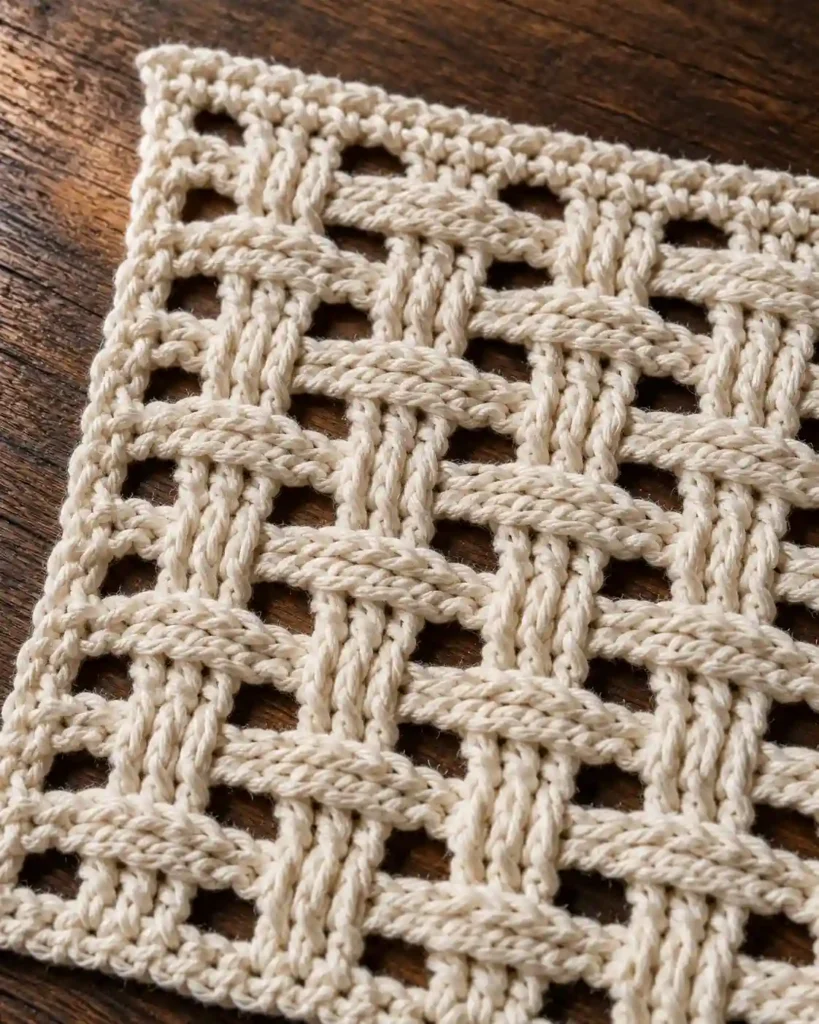
Mixed woven mesh creates an interlaced-looking texture while remaining a crocheted fabric. Its combination of denser stitch sections and open spaces makes it visually different from simple chain-loop netting. For a market bag with a lining or a textured summer scarf, this balance between openwork and stronger-looking sections can be attractive. It suits intermediate crocheters who are ready to combine different stitch heights in the same repeat.
One verified variation from Nordic Hook uses double and treble crochet stitches in a repeating design.
Try the swatch in a solid-colored yarn first. Variegated shades can make the interlaced pattern harder to recognize.
14. Wavy Mesh Crochet Stitch
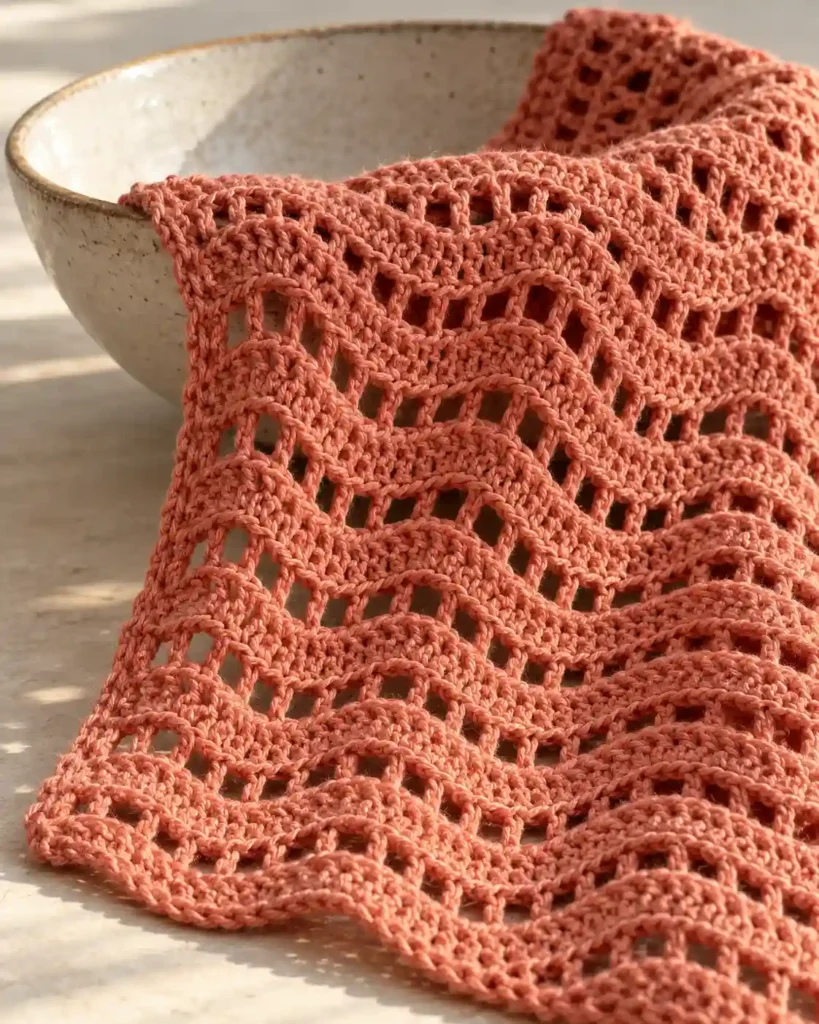
Wavy mesh replaces the rigid appearance of a square grid with soft, flowing lines.
Its repeated curves can be created through changes in stitch height, placement, and the arrangement of open spaces. I like this type of texture for the idea of a long scarf or draped wrap, where the waves can continue across a generous length of fabric. It’s a useful alternative for someone who finds straight geometric mesh a little too plain.
A good wavy design should show visible movement in the stitch pattern itself.
If you choose striped yarn, check a sample before committing to the project. Strong color changes may compete with the wave effect.
15. Zigzag Mesh Crochet Stitch: How Does It Compare With Wavy Mesh?
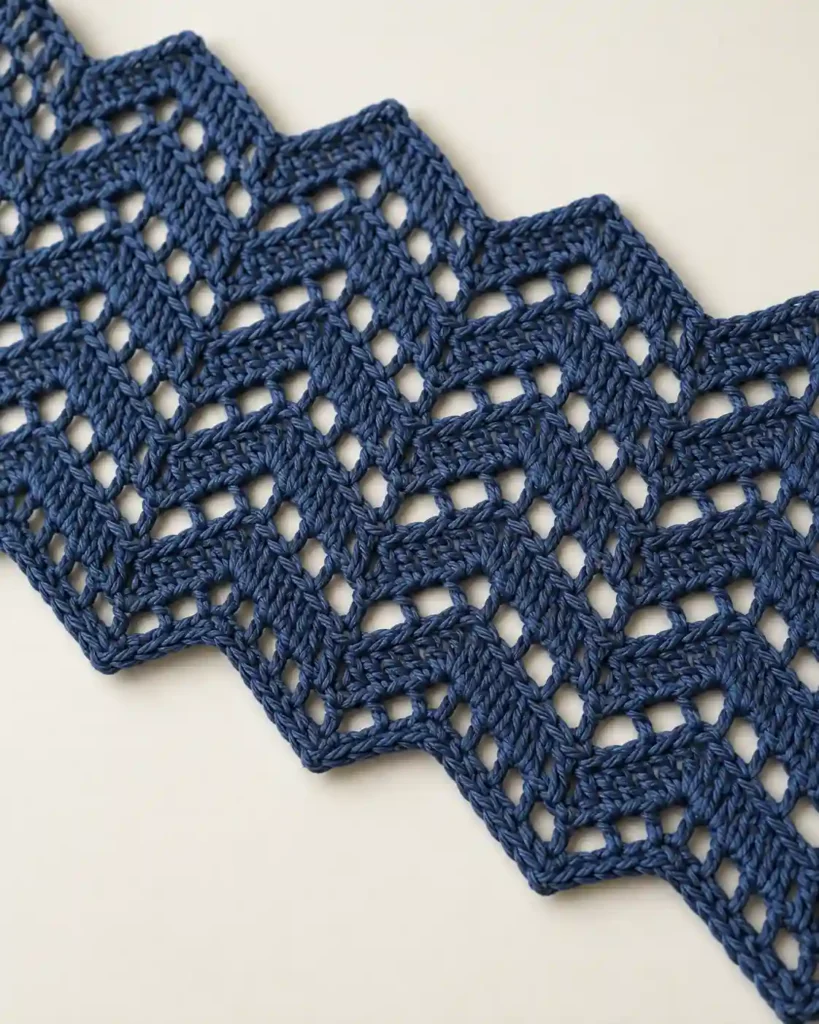
Zigzag mesh creates sharper diagonal movement than a softly undulating wavy stitch. Its angular direction changes can form chevron-like shapes with open spaces following the peaks and valleys. This gives scarves, decorative borders, and garment panels a more graphic appearance. If you enjoy patterns with strong, recognizable lines, zigzag mesh may be the better choice.
The difference is easiest to appreciate when both designs are worked in similar yarn.
Zigzag patterns can require careful counting to keep the peaks positioned correctly.
Special Tip: Make a wide enough sample to show at least two full zigzags. A tiny swatch may not reveal the complete repeat.
16. Lacy DC2tog Mesh Stitch
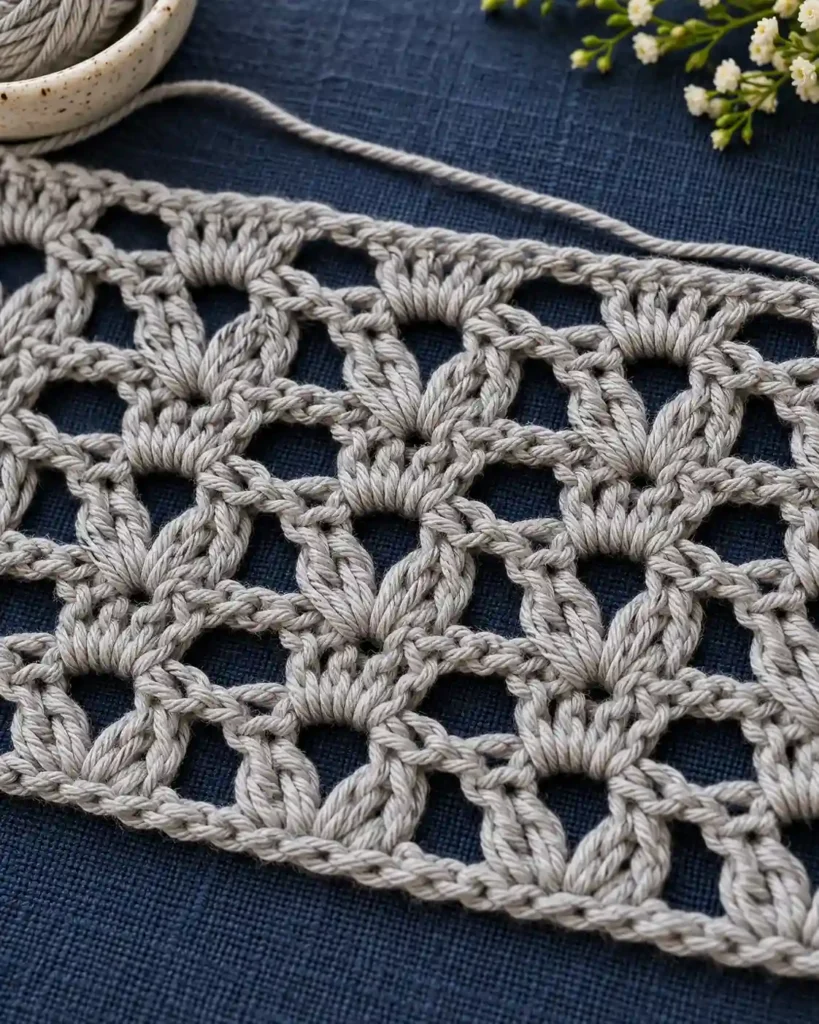
Lacy dc2tog mesh adds small grouped stitches to an otherwise open fabric.
The abbreviation dc2tog means double crochet two stitches together, a technique that brings two partially completed double crochets into one stitch. When a pattern combines these stitches with deliberate chain spaces, the result can have a clustered lace appearance. It makes an appealing choice for scarf panels or lightweight shawls when you want more texture than ordinary double crochet mesh.
Placement is important because dc2tog groups can affect stitch counts and shaping.
Follow a tested pattern rather than treating every decrease as interchangeable with a decorative cluster.
A practice swatch is helpful for learning where the grouped stitches begin and end.
17. Striped Picot Mesh Stitch: What Makes It Decorative?
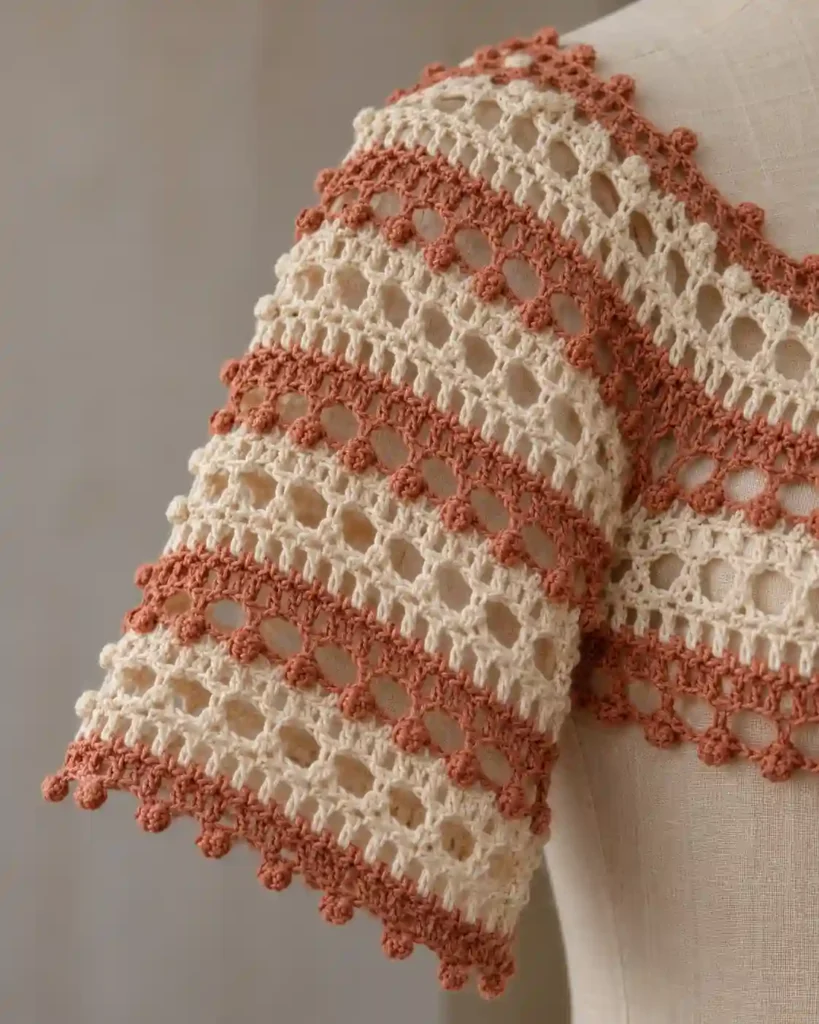
Striped picot mesh brings tiny decorative bumps into a fabric of open rows.
Picots are small looped details that can be used to accent particular stitches, making the texture more intricate than a plain mesh repeat. Thin alternating color bands can emphasize those details without covering the open spaces. This is a lovely idea for a delicate scarf, lightweight wrap, or special garment trim.
It works best when the yarn has enough stitch definition to keep the picots visible.
Keep the color palette restrained if the stitch pattern already has plenty of detail.
Before starting, verify whether the picots are incorporated into the main stitch repeat or added as a separate edging.
18. Double Trellis Mesh Crochet Stitch
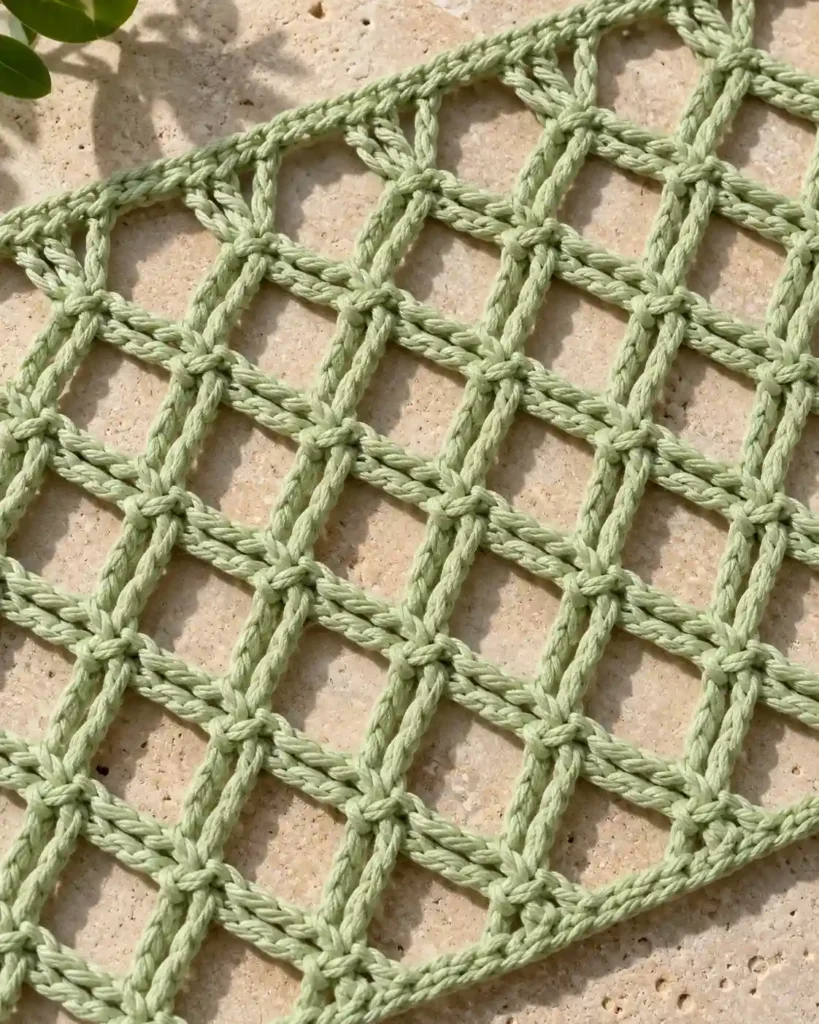
Double trellis mesh has a lattice-like appearance that feels more architectural than ordinary square mesh.
Crossed, staggered, or paired stitch arrangements can give the openings a decorative trellis effect, although the exact structure depends on the chosen pattern. This makes the style particularly interesting for table runners, light wraps, or patterned sections of a larger piece. Intermediate crocheters who enjoy geometric lace may appreciate its more elaborate appearance.
Look for a tutorial that clearly demonstrates how its lattice is formed.
The term double trellis isn’t a universal crochet instruction, so a diagram or tested written repeat is essential.
A smooth cotton yarn is useful when you want the supporting bars to stand out.
19. Ridged Belgian Mesh Stitch: Can Mesh Have Texture?
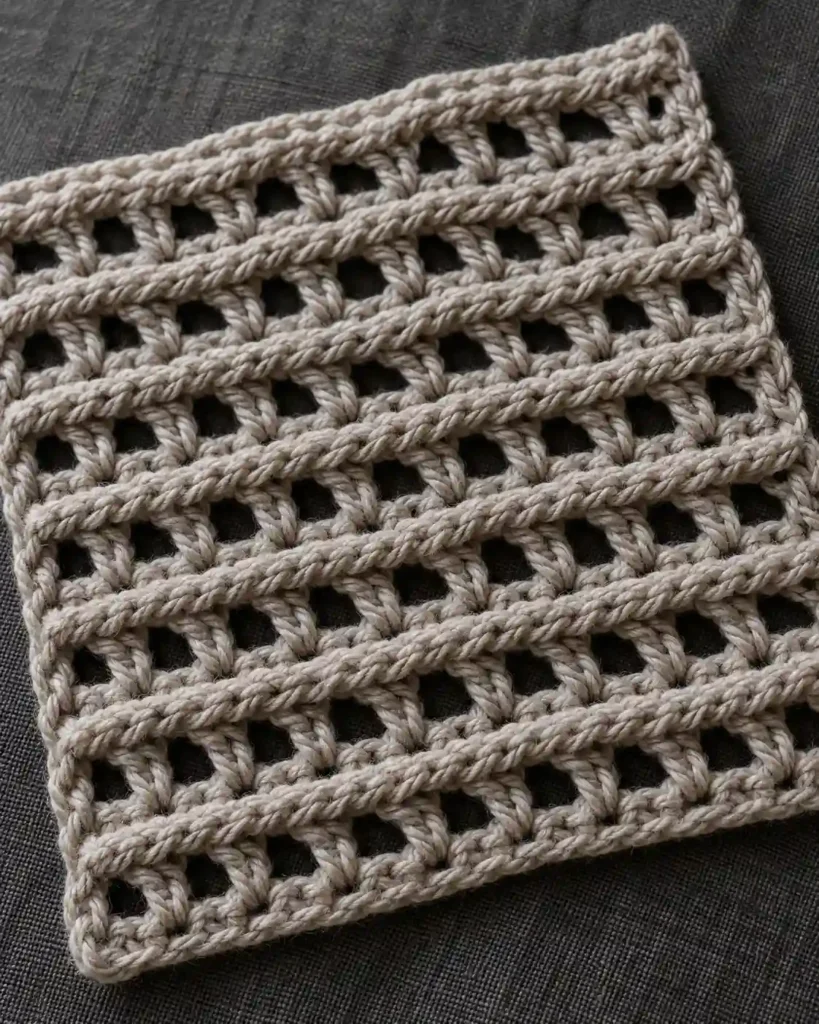
Ridged Belgian mesh is a reminder that open crochet doesn’t always have to lie completely flat.
This style combines visible raised rows with open intervals, creating a contrast between textured bands and lighter spaces. It could be an interesting option for a relaxed scarf or shawl where the ridges add tactile detail. Choose it when you want a fabric that offers both openness and a more pronounced surface texture.
Because stitch names sometimes differ by designer or region, use a source that identifies the actual Belgian mesh repeat.
Check both sides of the swatch to see how strongly the ridges appear.
Side lighting can make the raised texture easier to see in photographs.
20. Bars and Squares Mesh Stitch
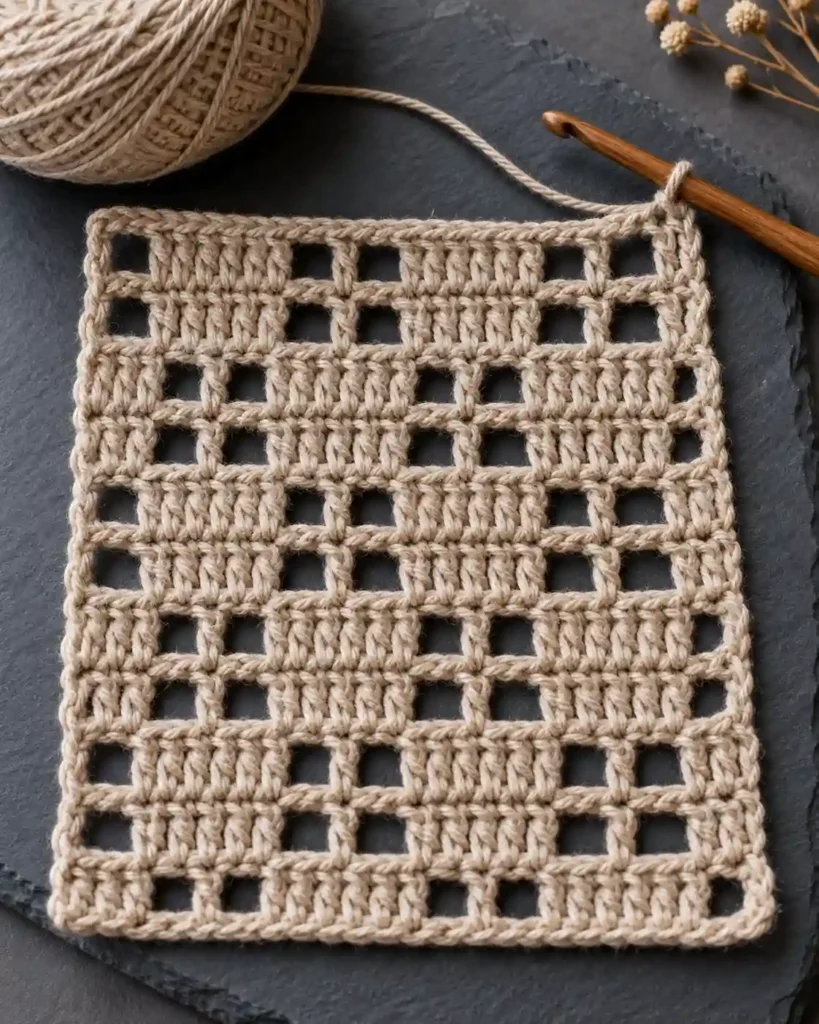
Bars and squares mesh combines straight supporting lines with open square units.
Unlike a completely uniform filet grid, this variation emphasizes the contrast between dense bars and deliberately placed openings. The result can look particularly striking in geometric home accessories, tote panels, or structured scarves. It is worth considering if you like orderly patterns but want more variation than identical holes repeated across every row.
This style benefits from careful attention to the first and last stitches of each row.
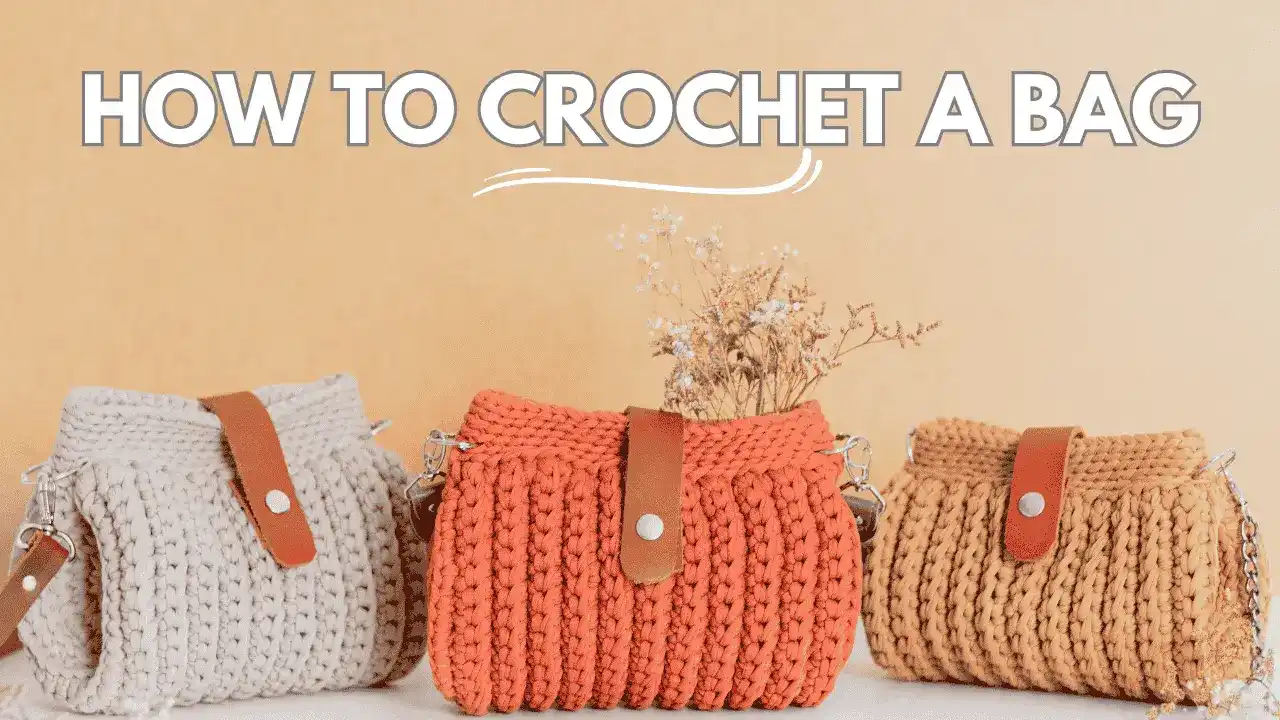
For bags, remember that openwork fabric alone may not securely hold small objects. A lining can make the finished accessory more practical. If you need help with construction, see how to crochet a bag for additional guidance.
Try sketching the arrangement of bars and squares before crocheting a larger panel.
21. Reversible Braid and Mesh Stitch: Why Try a Two-Sided Texture?
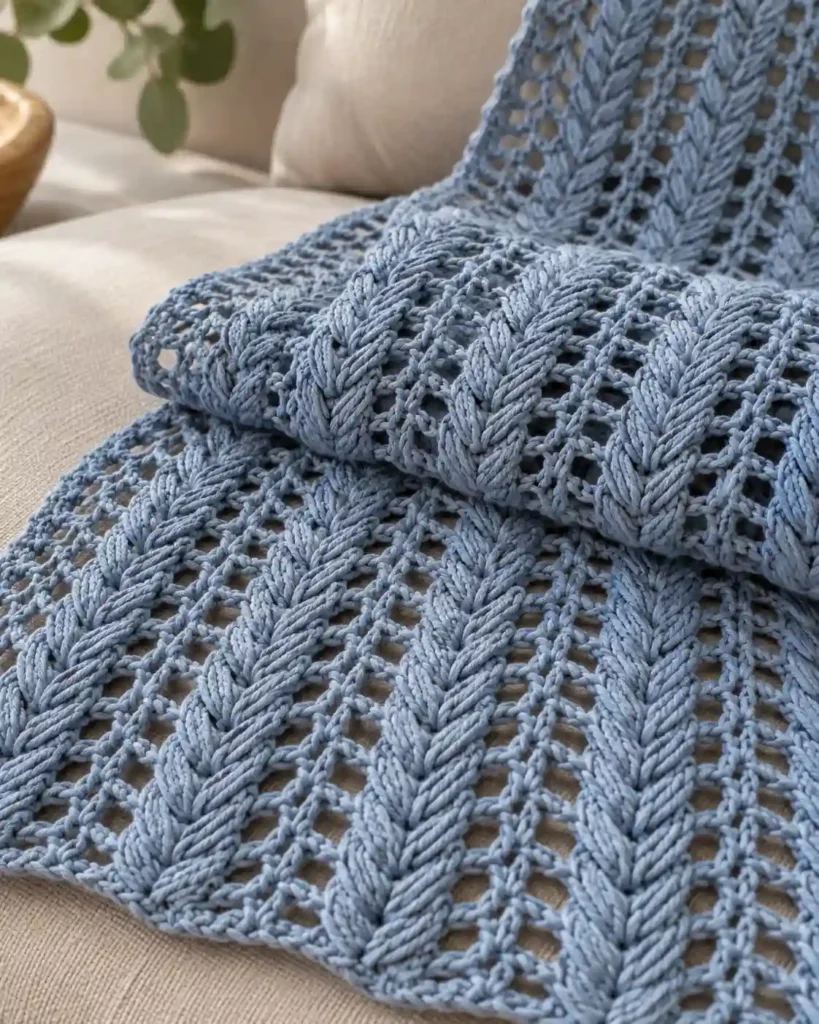
Reversible braid and mesh combines raised, braid-like stitch columns with open sections to create a textured fabric that is attractive from both sides. That two-sided appearance can be especially useful for scarves and wraps, since the back of the fabric will naturally show during wear. Compared with a flat mesh, the raised columns provide an additional decorative element without completely closing the fabric. This makes it an interesting challenge for confident intermediate crocheters.
Not every braid-and-mesh pattern is genuinely reversible, so check the front and back of the actual sample.
Look for a tested pattern with clear instructions for the raised columns.
A soft, solid-colored yarn will usually display the contrast between the braid and openwork more clearly than a highly textured yarn.
How Do You Choose the Right Mesh Stitch for Your Project?
Choose a crochet mesh stitch based on the project’s required coverage, drape, stretch, and strength rather than appearance alone.
At a Glance:
- Use smaller openings where coverage is important.
- Choose lightweight, flowing textures for shawls and scarves.
- Test fabric stretch before making fitted garments.
- Consider lining and reinforcement for mesh bags.
The prettiest stitch isn’t necessarily the most practical choice for everything.
Before settling on a pattern, think about the finished item’s purpose. A summer top needs a different combination of coverage and drape than a shopping bag or blanket.
For example:
- Summer tops and cardigans: Try double crochet mesh, V-stitch mesh, or carefully selected diamond lace. Check transparency and garment fit, and explore crochet summer tops for more warm-weather project ideas.
- Shawls and scarves: Consider wavy mesh, flower mesh, or decorative chain-loop patterns for drape.
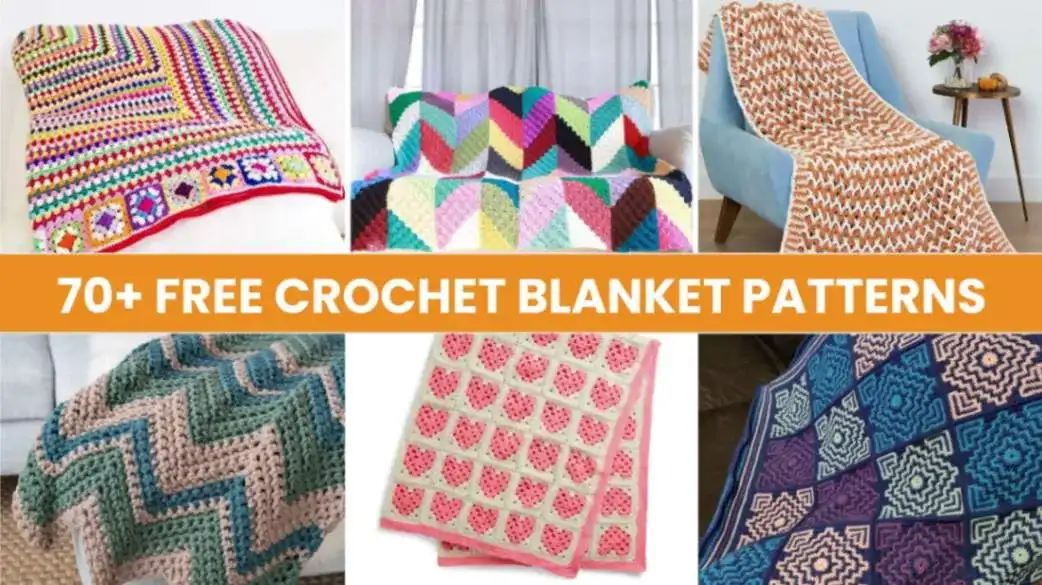
- Blankets: Smaller mesh openings may be more comfortable and less prone to snagging than very wide netting.
- Market bags: Choose a fabric with suitable strength and controlled stretch, and add a lining where needed.
- Decorative panels: Filet squares, trellis mesh, and bars-and-squares designs provide clear geometric structure.
If you’re planning a mesh stitch crochet top, make sure to test how the fabric hangs vertically. A beautiful flat swatch can behave quite differently when the weight of an entire garment pulls on it.
For a mesh stitch crochet bag, consider the handles, seams, stretch, and what you’ll actually carry. The stitch pattern is only one part of the construction.
What Yarn and Hook Size Work Best for Crochet Mesh?
Smooth cotton and other suitable yarns can work well for crochet mesh, but the ideal hook size depends on the pattern, yarn weight, and desired openness.
Yarn choice has a noticeable effect on the finished appearance of mesh crochet.
Smooth cotton yarn is often useful when you want clearly defined openings. Blends and other soft yarns may suit projects where drape matters more, while textured yarns can make delicate stitch patterns harder to see.
Consider these points before choosing:
- Cotton: Useful for stitch definition and many warm-weather projects.
- Cotton blends: Worth sampling when you want to balance structure with softness.
- Wool and wool blends: May suit shawls and wraps, depending on warmth and care requirements.
- Acrylic: Available in many weights and colors, but test how the chosen yarn behaves when finished.
There’s no single correct hook size for every mesh stitch.
The Craft Yarn Council’s yarn weight system provides suggested hook-size ranges for different yarn categories. Those ranges are guidelines rather than guarantees of a particular fabric.
Begin with the hook recommended by your pattern or yarn label, then make a sample. If you’re unsure which hook to use, consult a crochet hook size chart before testing your mesh stitch.
A slightly different hook size can change the openness and drape of a stitch, but it may also alter the finished measurements.
How Do You Crochet Mesh Stitch in the Round?
Mesh stitch crochet in the round involves repeating mesh stitches around a circular foundation while maintaining the correct stitch counts, chain spaces, and round joins.
At a Glance:
- Start with a pattern designed for circular construction.
- Keep mesh repeats consistent around each round.
- Check whether rounds are joined or worked continuously.
- Adjust increases carefully to prevent distorted openings.
Mesh stitch crochet in the round is useful for cylindrical projects such as bags, sleeves, and some accessories.
Instead of turning after each flat row, the stitch pattern is worked around a continuous or joined circle. The important part is maintaining the correct number and placement of mesh repeats.
Some patterns join each round with a slip stitch. Others use a spiral construction, although that approach isn’t suitable for every mesh design.
Before adapting a flat stitch, check:
- Whether the stitch repeat fits the round’s stitch count.
- Where the beginning and end of each round should meet.
- Whether a joining seam will interrupt the mesh pattern.
- How increases or decreases affect the openings.
Not every flat mesh design can be converted directly into rounds without adjustment.
For a first circular mesh project, a tested round-based pattern is the safest starting point.
How Can You Keep Crochet Mesh Edges Straight?
Keep crochet mesh edges straight by following the turning-chain instructions, counting each repeat, and checking the first and last stitches of every row.
Uneven edges are one of the most frustrating problems when learning an openwork stitch.
Because mesh relies on gaps between stitches, it’s easy to work into the wrong space or overlook the turning chain.
If your project gradually gets wider or narrower, inspect these areas:
- Turning chains: Check whether the pattern counts them as stitches.
- First and last stitches: Confirm the intended placement on every row.
- Chain spaces: Avoid adding or skipping openings accidentally.
- Stitch tension: Keep the chain loops reasonably consistent.
- Repeat counts: Use stitch markers to identify sections of a larger pattern.
For a project with a required finished size, make a gauge swatch before beginning.
The Crochet.com gauge guide recommends measuring stitch and row counts over a central 4-inch area and avoiding distorted edge stitches.
This is particularly useful when making fitted garments or matching panels.
Does Mesh Crochet Need Blocking?
Blocking can help crochet mesh settle into a more consistent shape, particularly for lace and geometric patterns, but the method must suit the yarn fiber.
Blocking can help openwork crochet settle into a more even shape.
It’s especially useful for decorative lace, filet squares, and patterns where the openings need to appear clearly defined.
Some stitches look crowded immediately after crocheting but become more balanced after suitable finishing.
However, not every yarn should be treated the same way.
According to Lion Brand Yarn’s blocking guide, blocking methods depend on the fiber, and heat-sensitive yarns require special care. You can also learn more about how to block crochet before finishing your mesh project.
Always check the yarn label before wetting or steaming your work.
For a large project, test the blocking method on a small sample first. This also helps you see whether the fabric grows after washing.
Where Can You Find Free Mesh Stitch Crochet Patterns?
Free mesh stitch crochet resources include stitch tutorials, photo guides, and complete project patterns, but not every stitch demonstration provides instructions for a finished item.
Readers searching for “Mesh stitch crochet patterns free” should check whether a result contains a complete project pattern or only the stitch repeat.
If you’re searching for mesh stitch crochet patterns free, it’s helpful to distinguish stitch tutorials from complete project patterns.
A stitch tutorial teaches you how to make the repeated fabric. A project pattern also needs instructions for dimensions, shaping, finishing, and sometimes assembly.
These free online resources provide useful starting points:
- Daisy Farm Crafts — Mesh Stitch: A straightforward single-crochet-and-chain mesh tutorial, with related project links.
- Easy Crochet — Mesh Stitch Tutorial: A beginner-friendly double crochet mesh repeat.
- Mama In A Stitch — Easy Mesh Stitch: Small and wider chain-loop mesh variations.
- Nordic Hook — Large Mesh Stitch: A photo-based tutorial for a more open fabric.
- Nordic Hook — Eyelet Mesh Stitch: An eyelet mesh stitch crochet variation that combines decorative openings with more solid stitch sections.
- Nordic Hook — Mixed Woven Mesh Stitch: A distinctive geometric mesh with detailed photographs.
These resources help illustrate different stitch constructions. They aren’t interchangeable instructions, so follow the stitch counts and finishing recommendations from the specific designer.
For more crochet inspiration and stitch comparisons, you can also explore related content on Crochet Mind.
Frequently Asked Questions About Mesh Stitch Crochet
Is mesh stitch crochet easy for beginners?
Yes. Basic single crochet and double crochet mesh patterns are beginner-friendly because they use familiar stitches and repeated chain spaces. Decorative versions, such as detailed flower or diamond mesh, may require more experience.
Different crochet mesh stitches have different learning curves, so start with a simple repeat and practice on a small swatch before trying more elaborate designs.
What is the difference between mesh stitch and filet crochet?
Mesh stitch is a broad term for crochet fabric with deliberate openings. Filet crochet is a specific grid-based technique that combines open squares and solid blocks, often following a chart to create designs.
The term Filet mesh stitch crochet generally refers to this structured square-grid approach rather than loose fishnet-style mesh.
Which crochet mesh stitch is best for a summer top?
Double crochet mesh and V-stitch mesh are useful starting options because they can create lightweight, open fabric. The best choice depends on fit, coverage, yarn, and how the finished garment will stretch.
When choosing a pattern labeled “Mesh stitch crochet top,” check that it includes garment measurements, shaping instructions, and suitable guidance for the intended fit.
Can you use mesh stitch crochet for a blanket?
Yes. Smaller openings are often more practical for blankets than very large fishnet holes. Consider comfort, warmth, durability, and whether fingers or other objects could catch in the fabric.
Does crochet mesh stretch after washing?
It can. The amount depends on fiber, stitch construction, tension, and the finishing method. Washing and drying a gauge swatch according to the yarn label can help reveal how the fabric may change.
Final Thoughts
Mesh stitch crochet offers far more variety than a simple open grid.
You can keep things easy with single or double crochet mesh, experiment with neat filet squares, or explore decorative diamond, flower, and trellis textures. Each variation brings a different balance of openness, detail, and structure.
The best way to find a favorite is to make two or three small swatches using the same yarn and hook. Compare their appearance, drape, and stretch before choosing one for a larger project.
Whether you’re planning a breezy summer top, a practical bag, or a delicate shawl, the right mesh stitch can make a real difference in how the finished piece looks and feels.