A good crochet stitch library starts with a handful of basic movements, then grows into textured and decorative patterns built from those same skills. If you can chain, slip stitch, single crochet, half double crochet, and double crochet with steady tension, you already have the foundation for most of the beginner-friendly stitches in this list.
This guide uses U.S. crochet terminology. That matters because the Craft Yarn Council notes that a U.S. single crochet is called a double crochet in U.K. terminology, while a U.S. double crochet is called a treble crochet in U.K. terminology.
Key Takeaways
- Learn chain, single, half double, and double crochet first.
- Practice one stitch crochet pattern at a time.
- Use smooth, light-colored yarn while learning.
- Count stitches at the end of every row.
- Add texture with loops, clusters, and post stitches.
- Check U.S. or U.K. terminology before following patterns.
What Crochet Stitch Should a Beginner Learn First?
Beginners should start with chain stitch, then learn slip stitch, single crochet, half double crochet, and double crochet.
At a Glance:
- Start with chains to learn yarn and hook control.
- Use single crochet to practice even rows.
- Add taller stitches after your tension improves.
- Learn abbreviations while practicing each stitch.
Start with the chain stitch, then learn slip stitch, single crochet, half double crochet, and double crochet in that order. These stitches teach the core actions you will repeat again and again: inserting the hook, yarning over, pulling through loops, turning rows, and recognizing the “V” at the top of a stitch.
The Craft Yarn Council classifies basic projects as those that use basic stitches and may include simple increases and decreases. “Easy” projects can move into simple stitch patterns, color work, or shaping, which is exactly where stitches like moss, shell, waffle, and bobble begin to fit.
Quick Beginner Crochet Stitch Guide
| Stitch | Common U.S. Abbreviation | What It Teaches | Easy Pattern Idea |
|---|---|---|---|
| Chain | ch | Foundation and spacing | Simple bracelet |
| Slip stitch | sl st | Joining and edging | Coaster border |
| Single crochet | sc | Tight, even fabric | Dishcloth |
| Half double crochet | hdc | Yarn-over control | Beanie |
| Double crochet | dc | Taller stitches | Scarf |
| Treble crochet | tr | Open, tall fabric | Lacy wrap |
| Moss stitch | sc + ch | Alternating stitch/space work | Baby blanket |
| Shell stitch | sh | Multiple stitches in one space | Blanket border |
| Bobble stitch | bo | Raised texture | Cushion cover |
| Waffle stitch | FPdc + dc | Post stitches and texture | Washcloth |
According to the Craft Yarn Council, standard crochet abbreviations include ch, sl st, sc, hdc, dc, tr, bo, sh, FPdc, BPdc, FLO, and BLO, among many others. Learning the abbreviations along with the movements makes reading a stitch crochet pattern much easier.
What Yarn and Hook Are Best for Practicing Crochet Stitches?
Smooth, light-colored medium-weight yarn paired with a comfortable hook makes individual stitches easier for beginners to see and control.
At a Glance:
- Choose yarn with clear stitch definition.
- Avoid very fuzzy yarn while practicing.
- Use millimeter hook sizes for reliable comparison.
- Change hook size if your fabric feels too tight.
For practice, medium or worsted-weight yarn is easy to see and comfortable to handle. A smooth, light-colored yarn is usually easier than fuzzy, very dark, or highly textured yarn because you can see where the hook should enter.
Clover’s beginner single-crochet tutorial uses a 5.5 mm hook with size 4 worsted-weight yarn, which is a practical starting combination for learning basic stitches.
The Craft Yarn Council also recommends paying attention to the millimeter measurement on a hook because U.S. letter and number sizing can vary between manufacturers.
Now let’s build your stitch library.
Which Basic Crochet Stitches Should You Learn?
Learn the chain, slip stitch, single crochet, half double crochet, double crochet, and treble crochet before moving into more decorative stitch patterns.
At a Glance:
- Chains create foundations and spaces.
- Slip stitches join and finish.
- Single crochet makes compact fabric.
- Double and treble crochet add height and drape.
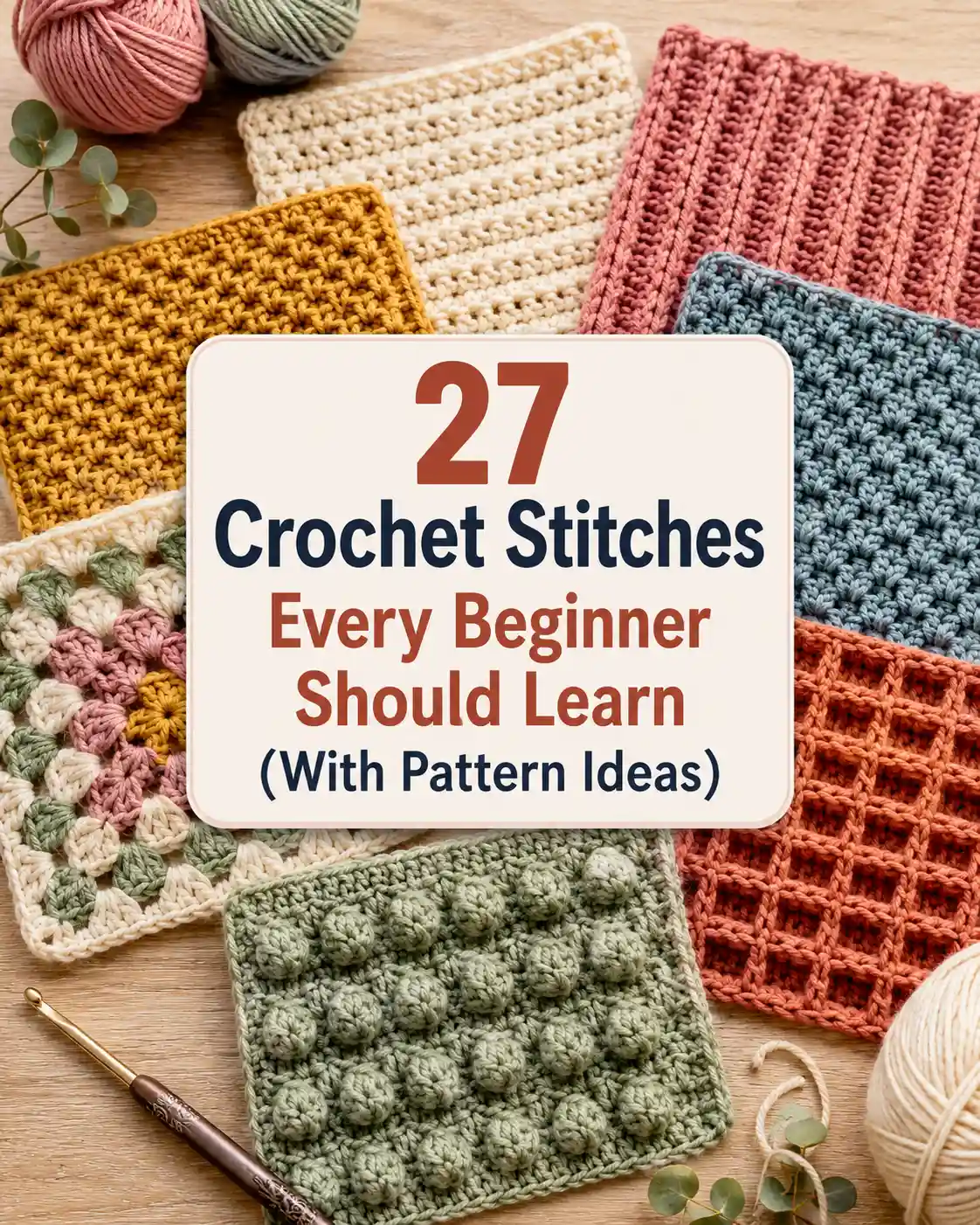
27 Crochet Stitches Every Beginner Should Learn (With Pattern Ideas)
1. Chain Stitch: Why Does Every Beginner Need It?
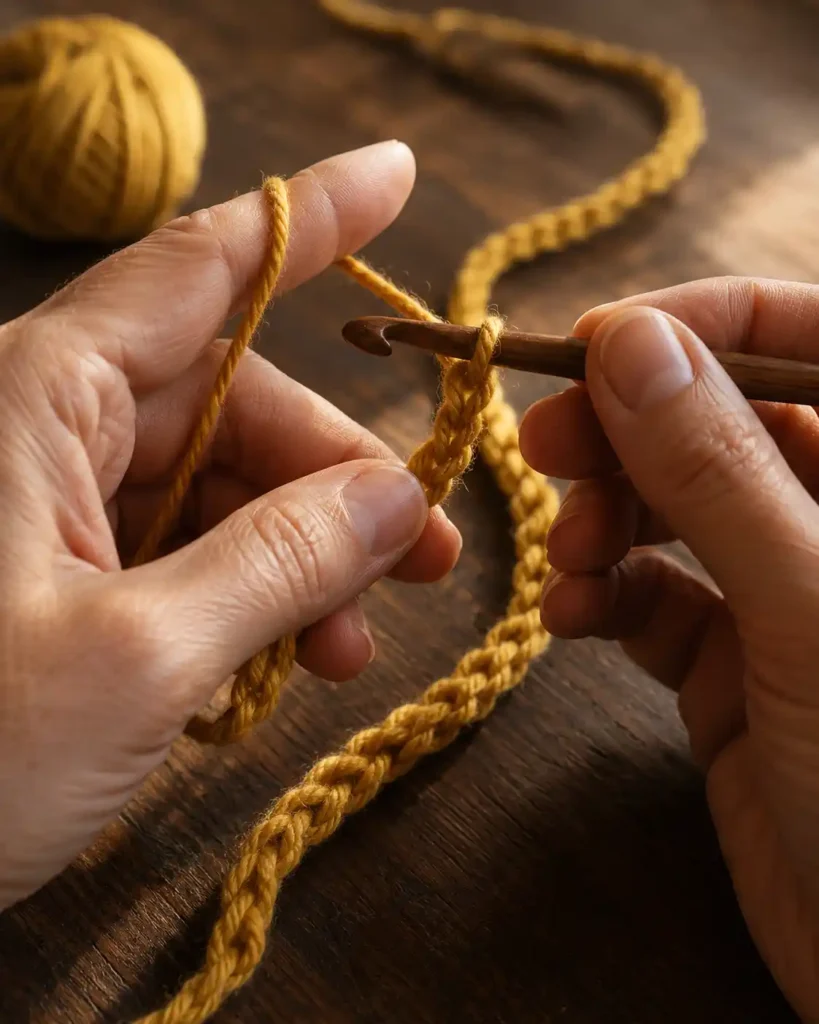
The chain stitch is where most crochet projects begin, and it teaches you how to control yarn with the hook before anything complicated happens. It is more useful than simply practicing random loops because chains become foundations, turning chains, decorative spaces, and parts of lace patterns. I like it as a first practice because you can immediately see whether your tension is getting tighter or looser. If you want to learn how to start a crochet chain, mastering this first skill will make every later crochet stitch easier.
Pattern idea: Crochet a long chain and turn it into a simple bracelet, tie, garland, or practice cord before moving into rows.
2. Slip Stitch: What Is It Used For?
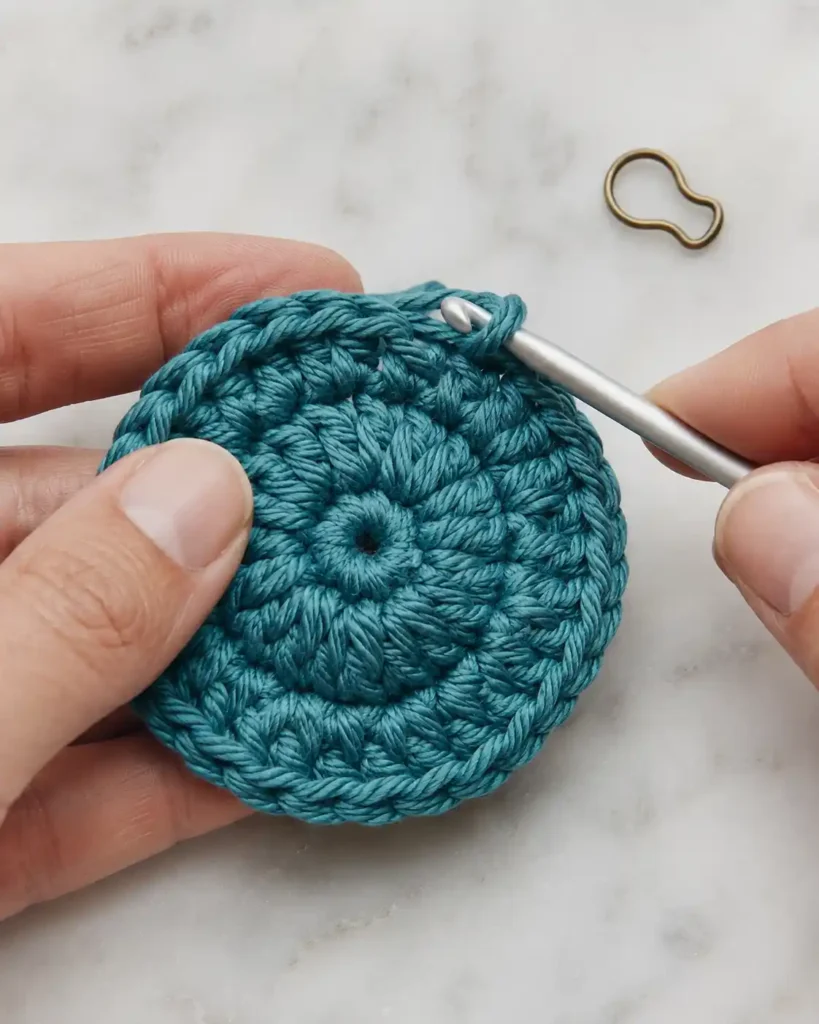
The slip stitch is tiny, neat, and surprisingly useful for a stitch that barely adds height. Instead of building fabric like single or double crochet, it often joins rounds, moves your working yarn across stitches, or finishes an edge without adding bulk. It is especially handy when you begin granny squares, hats, and projects worked in the round. Learn it early and your joins will look much cleaner.
Pattern idea: Work a small round coaster and use slip stitches to join each round or finish the outer edge.
3. Single Crochet: Why Is It a Beginner Essential?
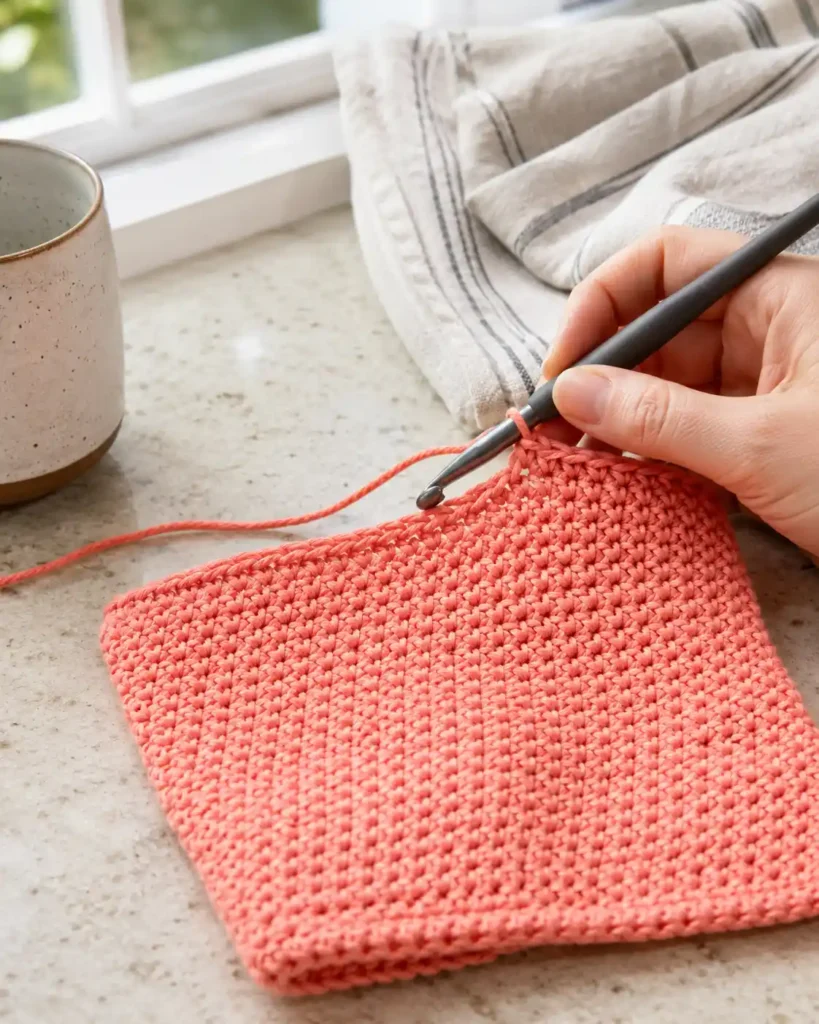
The single crochet stitch (sc) creates a firm, compact fabric and is one of the best stitches for learning consistent tension. Compared with taller stitches, it leaves smaller gaps, which makes it useful for washcloths, bags, baskets, and amigurumi. Clover’s tutorial teaches the stitch by inserting the hook, yarning over, pulling up a loop, then yarning over and pulling through both loops; it also suggests counting the “V” shapes along the top of the row. If your goal is to become comfortable reading and feeling your stitches, single crochet gives you a strong base.
Pattern idea: Make a square dishcloth in rows of single crochet and practice keeping the same stitch count from beginning to end.
4. Half Double Crochet: Is It Easier Than Double Crochet?
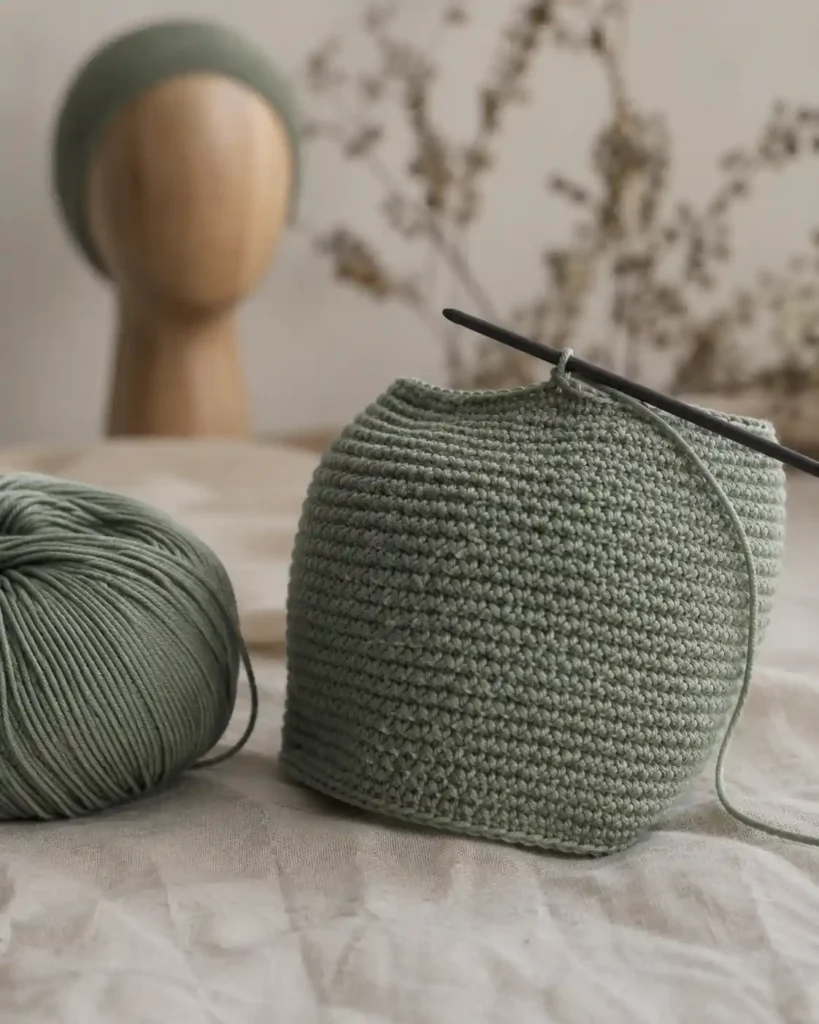
The half double crochet (hdc) sits nicely between single and double crochet in both height and density. It grows faster than single crochet but still gives you a fabric that feels substantial, which is why it works so well for hats, scarves, and baby blankets. Learning how to half double crochet adds an extra yarn-over that teaches better loop control without making the movement feel too complicated. For a beginner who wants faster progress without large gaps, hdc is often the sweet spot.
Pattern idea: Try a simple half double crochet beanie or a straight rectangular scarf.
5. Double Crochet: Why Does It Work Up So Quickly?
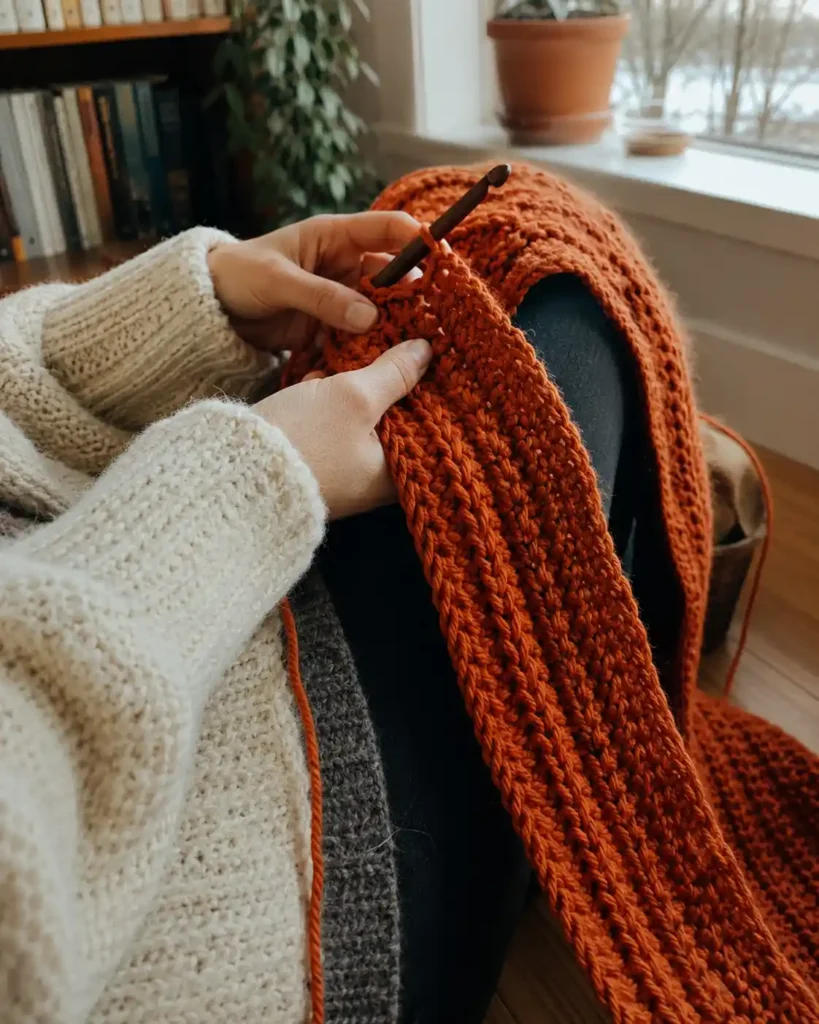
The double crochet stitch (dc) is taller than single and half double crochet, so rows grow quickly and the fabric has more drape. It is one of the main building blocks behind granny squares, shells, V-stitches, clusters, and many lace patterns. Once the rhythm of “yarn over, pull through two, pull through two” becomes automatic, a lot of pattern instructions suddenly feel less intimidating. This is the stitch to learn when you want your first blanket or scarf to move along faster.
Pattern idea: Crochet a basic double-crochet scarf or a beginner lap blanket in simple rows.
6. Treble Crochet: When Should You Use a Taller Stitch?
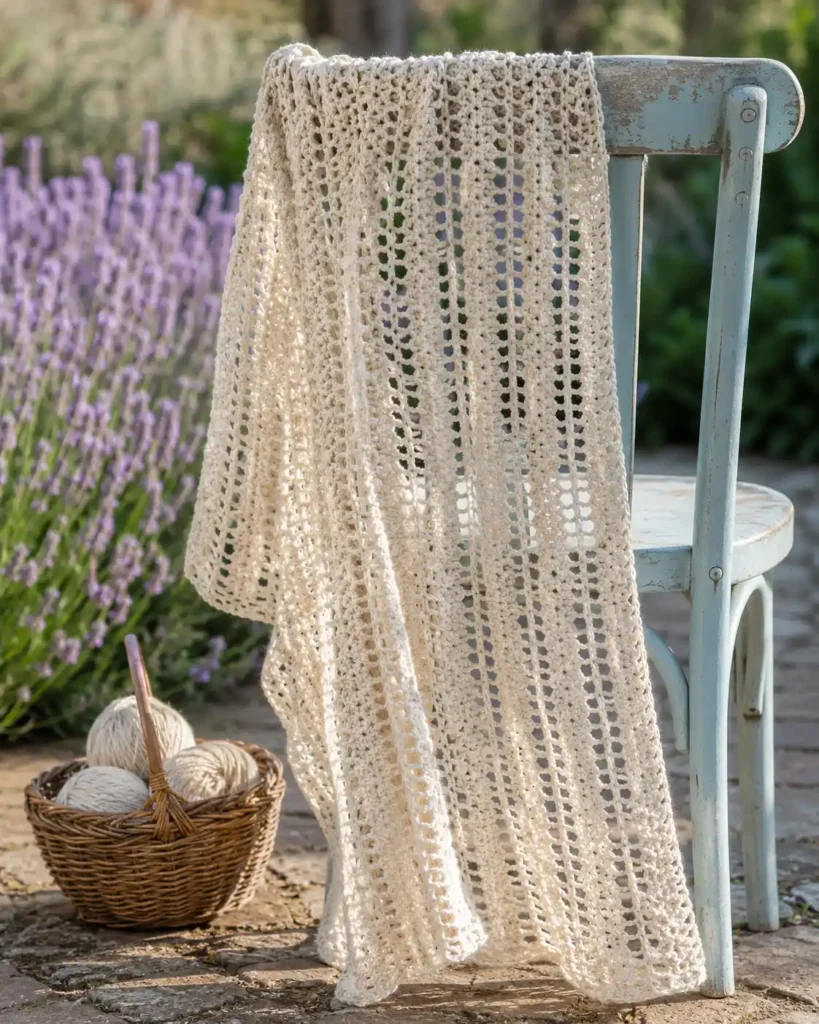
The treble crochet (tr) gives you extra height and a more open fabric than double crochet. It takes more yarn-overs, but it is not a completely new technique; it simply extends a motion you already know. I like treble crochet for lacy wraps and decorative panels where a dense stitch would feel too heavy. If double crochet feels comfortable, treble is the natural next challenge.
Pattern idea: Make a lightweight treble-crochet wrap with wide rows and simple fringe.
7. Double Treble Crochet
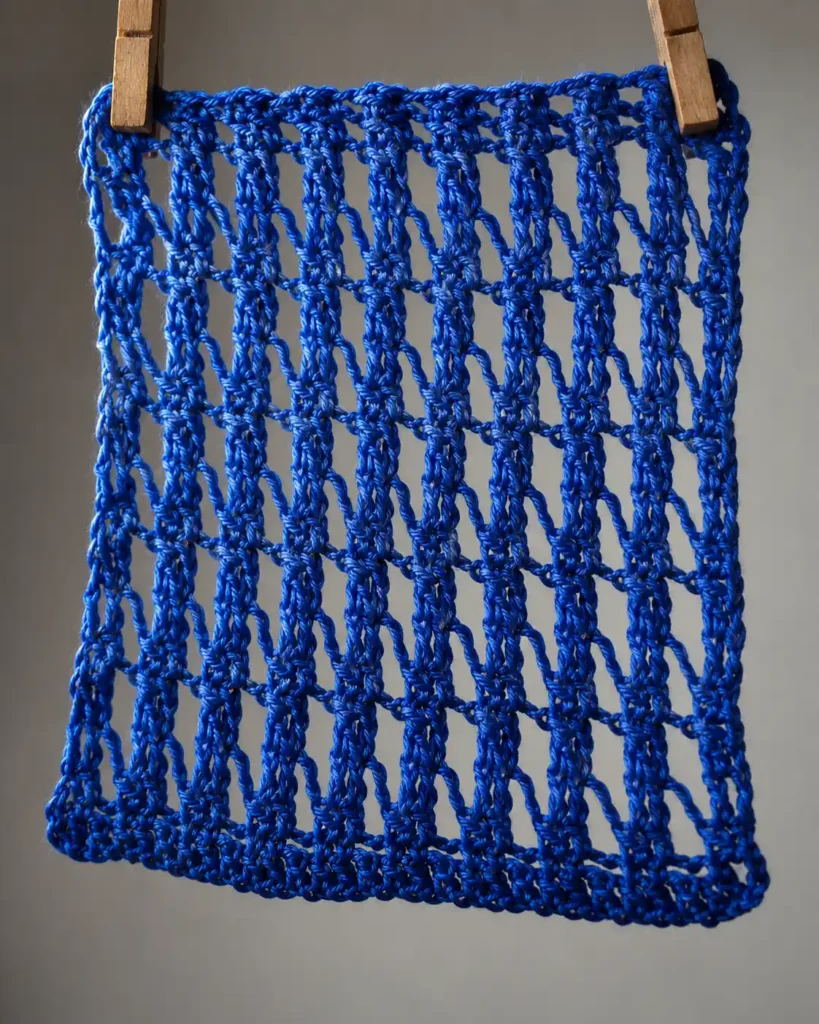
The double treble crochet (dtr) stretches the same basic idea even higher, producing long posts and an airy look. You probably will not use it as often as single or double crochet, but learning it shows how taller crochet stitches are constructed. It is useful in lace, openwork, and decorative motifs where you need height without adding many rows. Think of it as a confidence-building stitch rather than an everyday beginner staple.
Pattern idea: Add a few rows of double treble crochet to a light summer scarf for open texture.
Which Foundation Crochet Stitches Save Time?
Foundation stitches create the starting chain and first row together, giving many projects a flexible chain-free edge.
8. Foundation Single Crochet: Why Skip the Starting Chain?
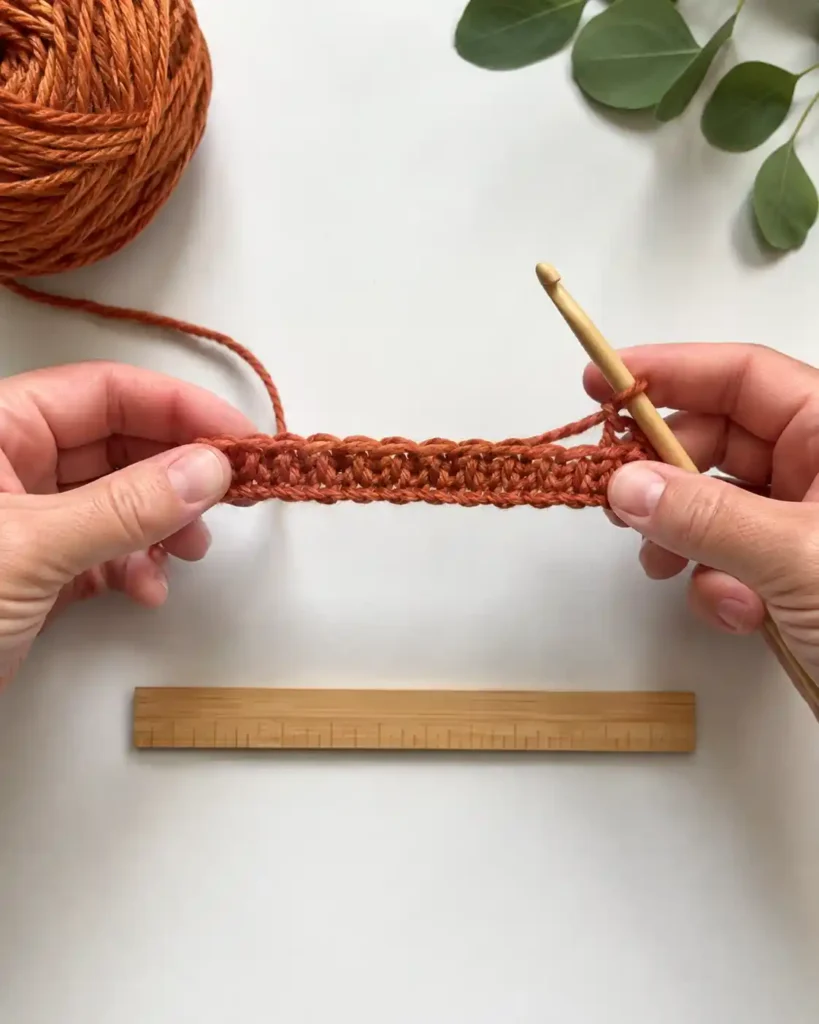
Foundation single crochet (Fsc) creates the chain and first row of single crochet at the same time. A normal starting chain can sometimes feel tight or awkward, while a foundation row tends to stay more flexible and easier to measure. It takes a little concentration at first, but it can make scarf edges, garment hems, and long starting rows feel much more comfortable. Learn it once your regular single crochet is steady, and it may become your preferred way to begin.
Pattern idea: Start a simple scarf with foundation single crochet instead of making a long chain first.
9. Foundation Half Double Crochet
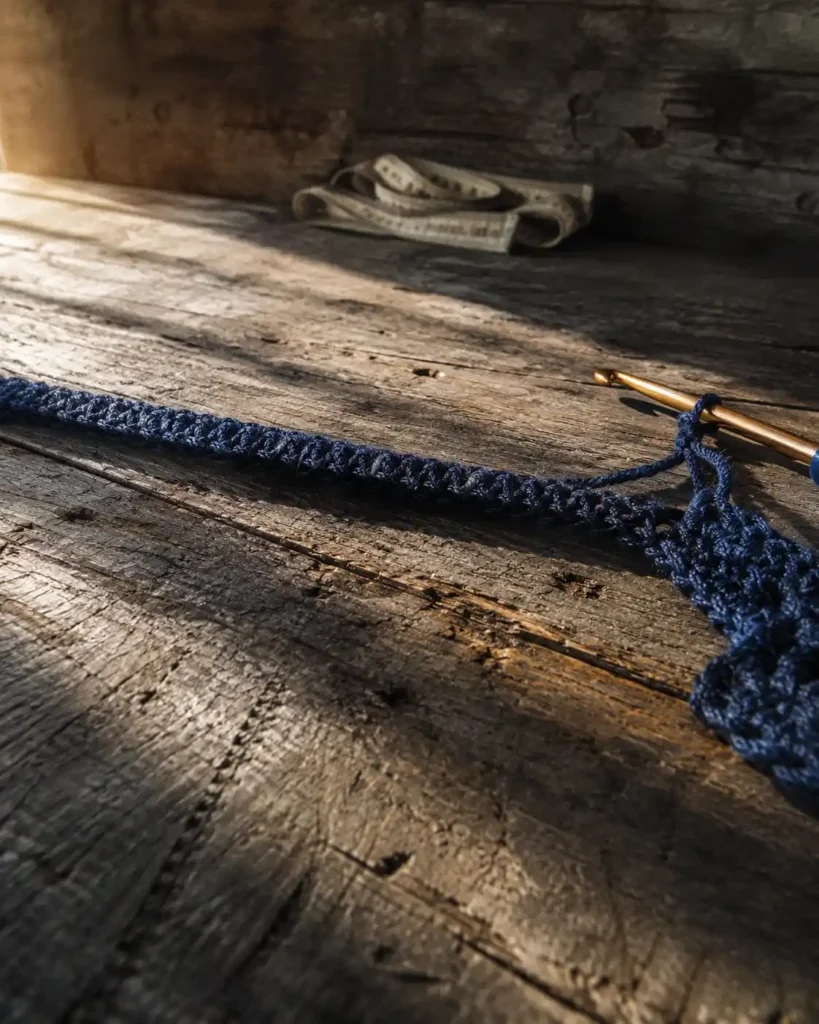
Foundation half double crochet (Fhdc) gives you the same chain-free start with the height and softness of hdc. It is especially useful when a project needs stretch along the starting edge, such as a cowl or wearable. Compared with working into a long foundation chain, you can see the actual width sooner and avoid hunting for tiny chain loops. This is a practical upgrade for beginners who already feel comfortable with half double crochet.
Pattern idea: Use foundation half double crochet to begin a ribbed or plain crochet cowl.
10. Foundation Double Crochet: Is It Worth Learning?
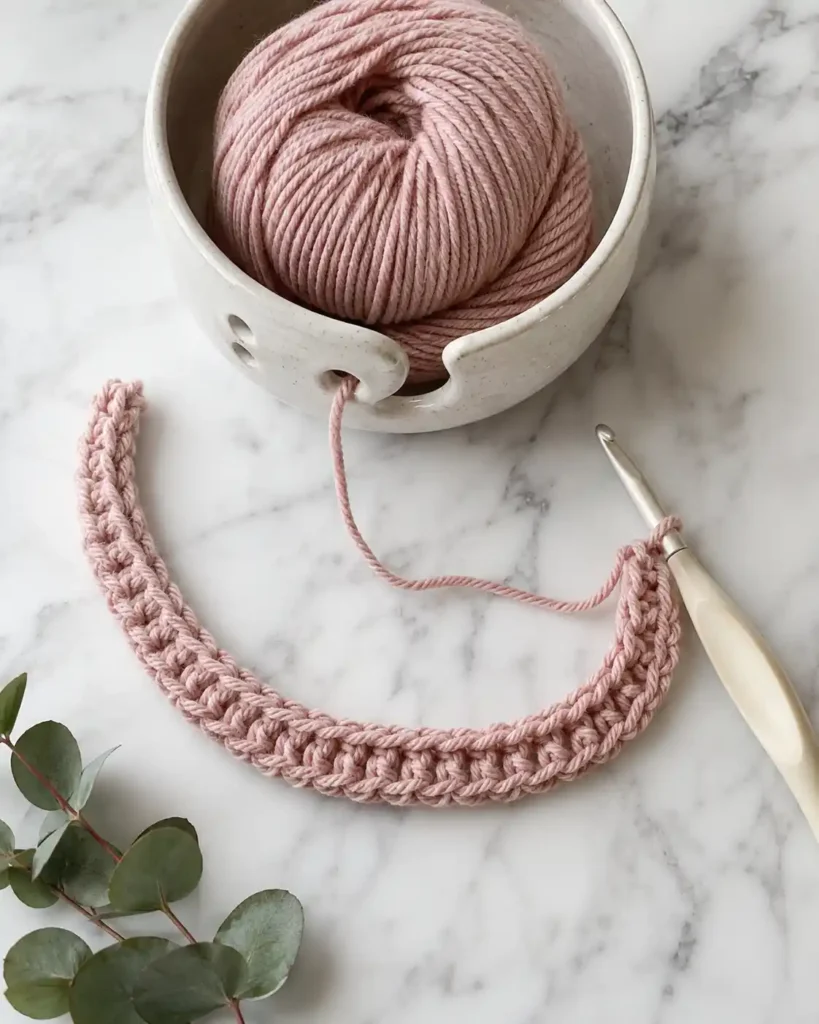
Foundation double crochet (Fdc) combines the starting chain and first row of double crochet into one flexible row. It is a good alternative when a long chain twists, tightens, or becomes hard to count. For blankets and garments with wide starting edges, that can save a surprising amount of frustration. If you enjoy double crochet but dislike working into chains, this technique is worth adding to your toolkit.
Pattern idea: Begin a wide rectangular shawl with foundation double crochet, then continue in standard dc rows.
How Can Beginners Change Texture Without Learning a New Stitch?
Change where you insert the hook, such as the front loop, back loop, or around a stitch post, to create new textures with familiar stitches.
At a Glance:
- BLO creates horizontal ridges.
- FLO leaves the back loop visible.
- Ribbing adds stretch to cuffs and bands.
- Loop placement changes texture without changing the basic stitch.
11. Back Loop Only Crochet: What Does BLO Do?
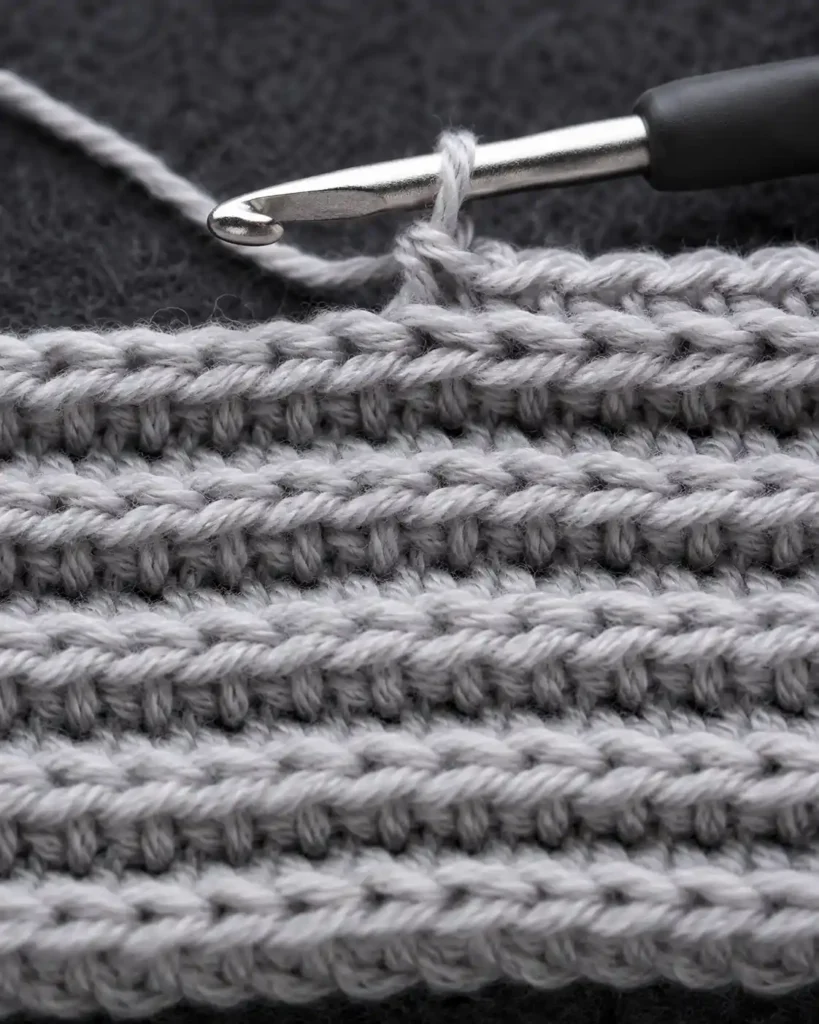
Back loop only (BLO) crochet changes the fabric by placing the hook through only the back loop of the top “V” instead of both loops. The actual stitch can still be single, half double, or double crochet, but the unused front loop creates a visible horizontal ridge. This is one of the easiest ways to make a familiar stitch look completely different. If you want texture without memorizing a complex repeat, BLO is a perfect next step.
Pattern idea: Crochet rows of back-loop-only single crochet to make a stretchy ribbed hat brim or cuff.
12. Front Loop Only Crochet
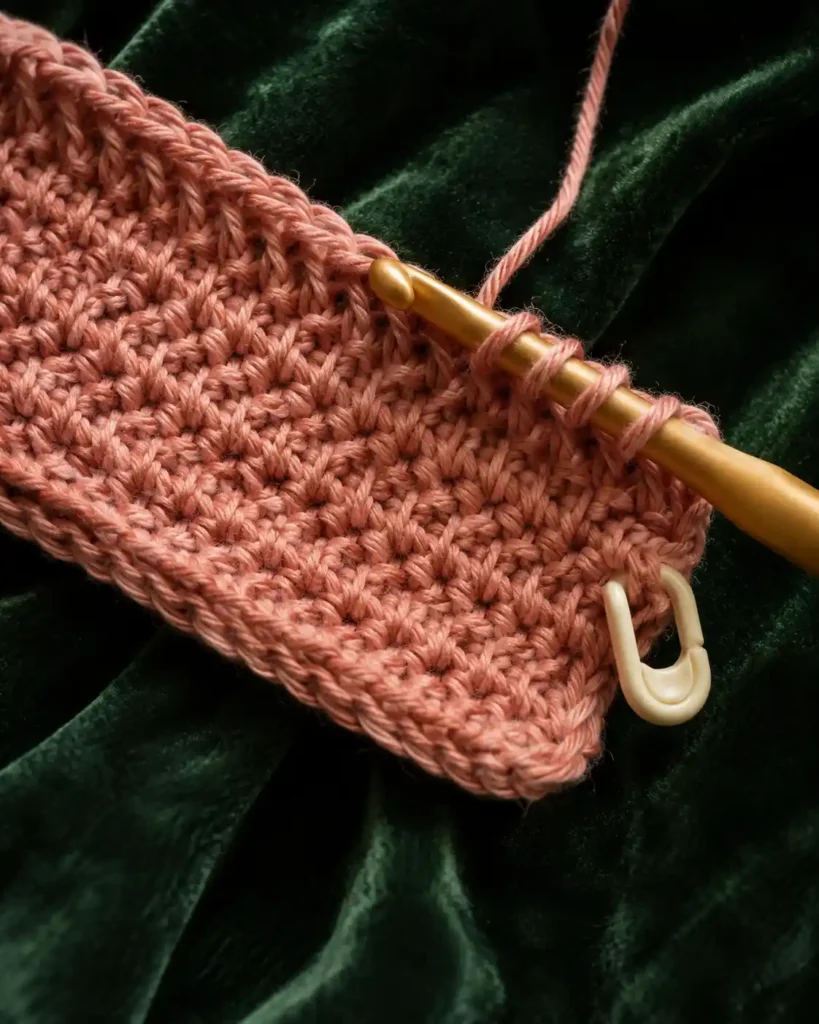
Front loop only (FLO) crochet uses just the front loop of each stitch and leaves the back loop visible. The result is a subtle line and a slightly different drape from working through both loops. I find it most useful when a pattern needs a decorative ridge or when the unused loop will be worked into later. It is simple enough for beginners but teaches you to look closely at stitch anatomy.
Pattern idea: Practice FLO in a small coaster, alternating one regular row with one front-loop-only row.
13. Crochet Ribbing: How Do You Make Stretchy Rows?
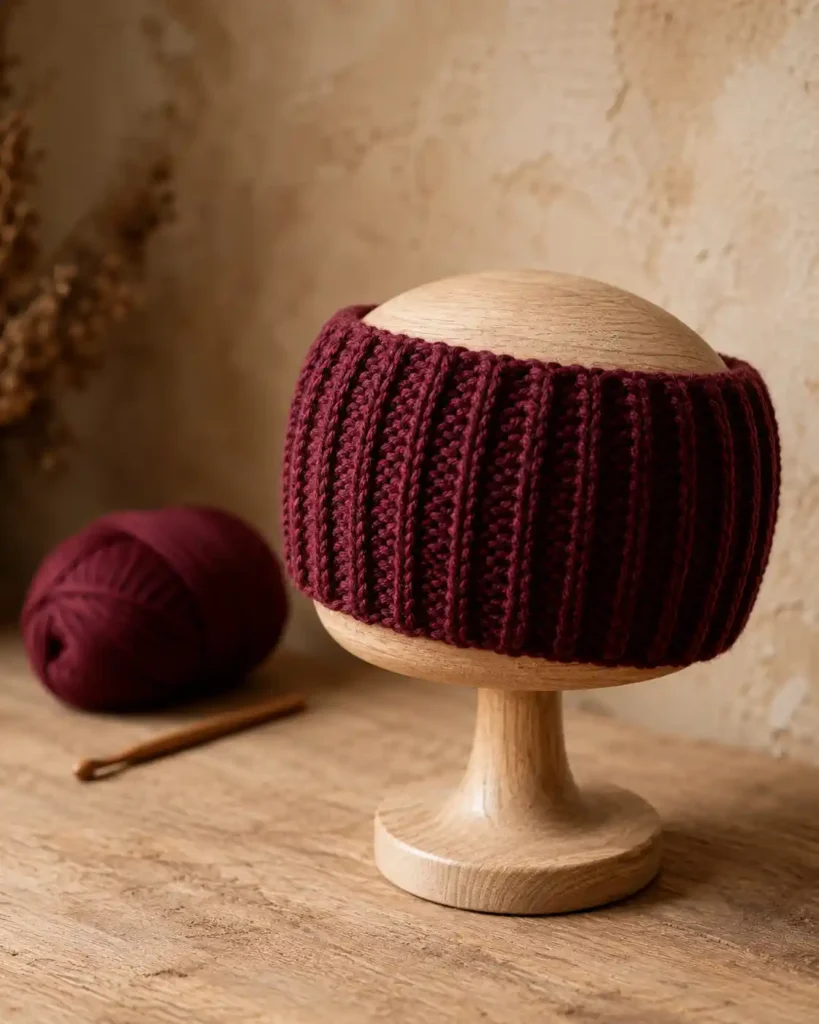
Crochet ribbing usually uses single crochet or half double crochet in the back loop only, worked back and forth in narrow rows. It behaves differently from ordinary flat crochet because the ridges compress and stretch, making it ideal for cuffs and hat bands. Instead of learning a brand-new stitch, you are changing where an old stitch is placed. That makes ribbing one of the most useful advanced-looking techniques a beginner can learn early.
Pattern idea: Make a rectangular ribbed ear warmer and seam the short ends together.
Which Easy Crochet Stitch Patterns Are Best for Blankets and Scarves?
Moss, lemon peel, Suzette, V-stitch, granny stitch, and shell stitch give beginners repeatable patterns suitable for scarves and blankets.
At a Glance:
- Moss stitch creates a subtle woven texture.
- Lemon peel combines short and tall stitches.
- V-stitch produces an open, airy fabric.
- Granny stitch works especially well with color.
- Shell stitch adds decorative fan shapes.
14. Moss Stitch: Why Is It So Beginner-Friendly?
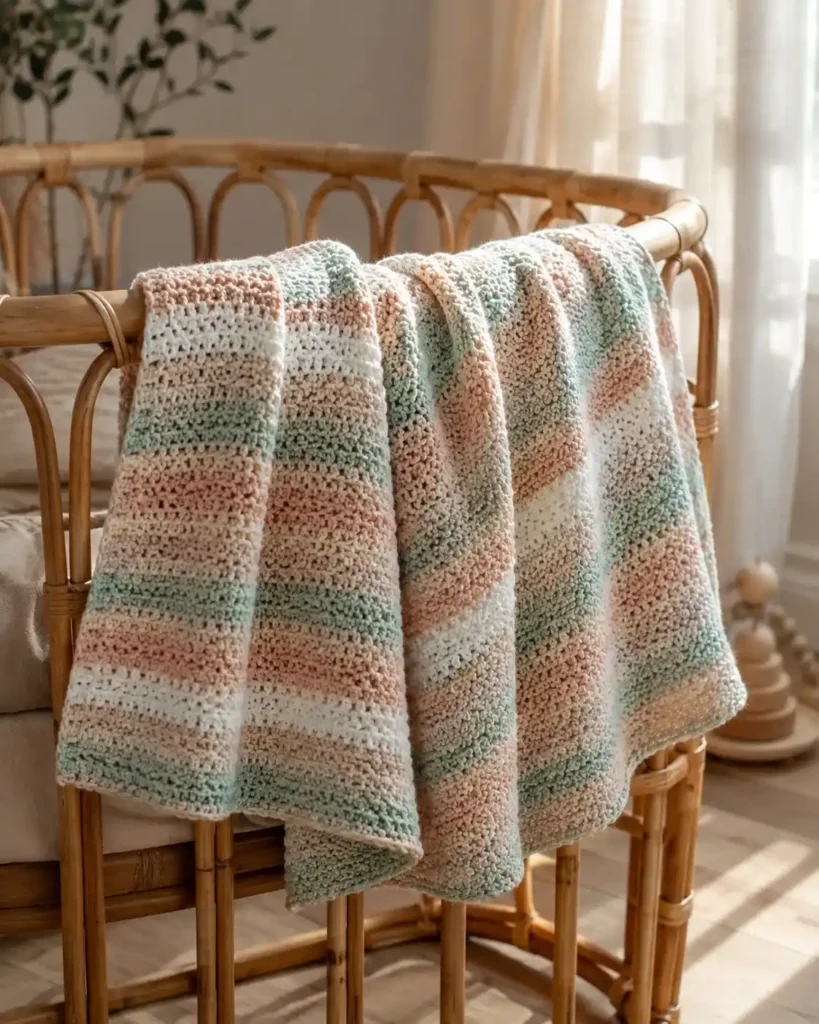
The moss stitch, also called linen stitch in many patterns, alternates single crochet with chain spaces. It looks more woven than a plain row of single crochet, but the repeat stays simple enough to memorize quickly. I especially like it for multicolor projects because the tiny chain spaces let color changes look clean rather than bulky. If you enjoy this calm, repetitive stitch crochet pattern, explore 3 ways to moss stitch crochet for more beginner-friendly variations.
Pattern idea: Make a striped baby blanket using alternating rows of two or three soft colors.
15. Lemon Peel Stitch
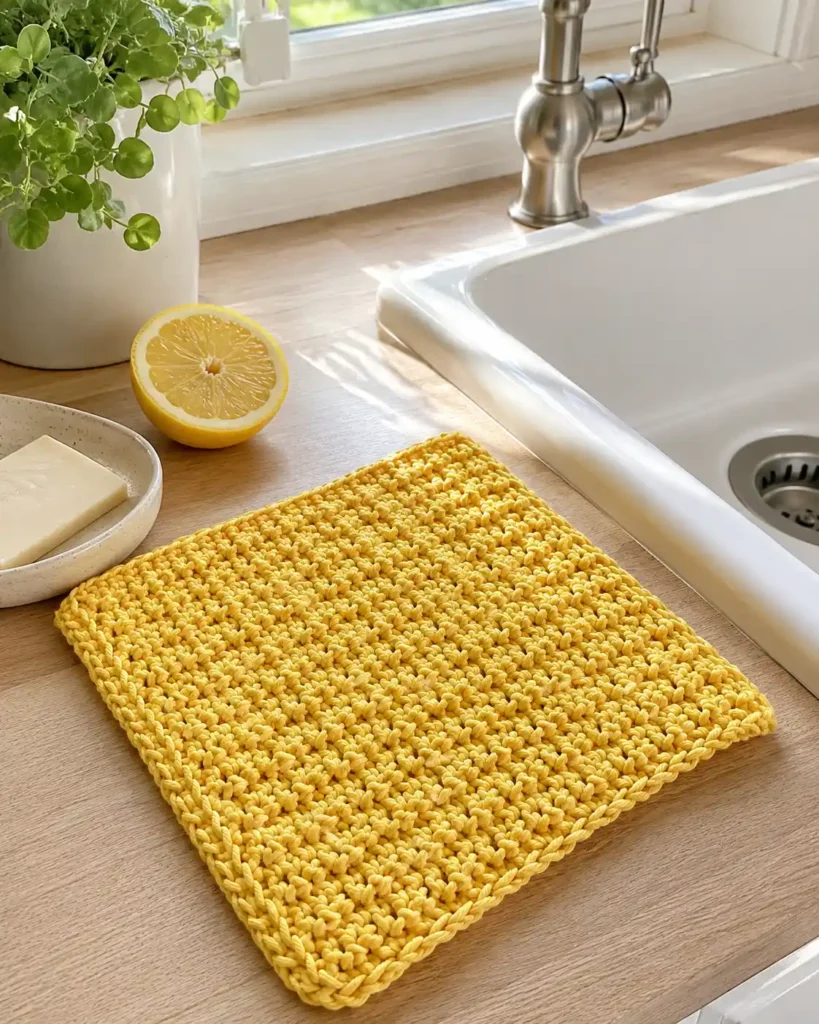
The lemon peel stitch alternates single crochet and double crochet, usually switching their positions on the next row. That small height change creates a pebbled texture without post stitches, clusters, or complicated counting. It works beautifully for dishcloths because the surface feels textured but the pattern remains easy to follow. This is a great choice when plain rows start to feel boring but you still want a two-stitch repeat.
Pattern idea: Crochet a square cotton washcloth or kitchen towel in lemon peel stitch.
16. Suzette Stitch: What Makes It Look So Textured?
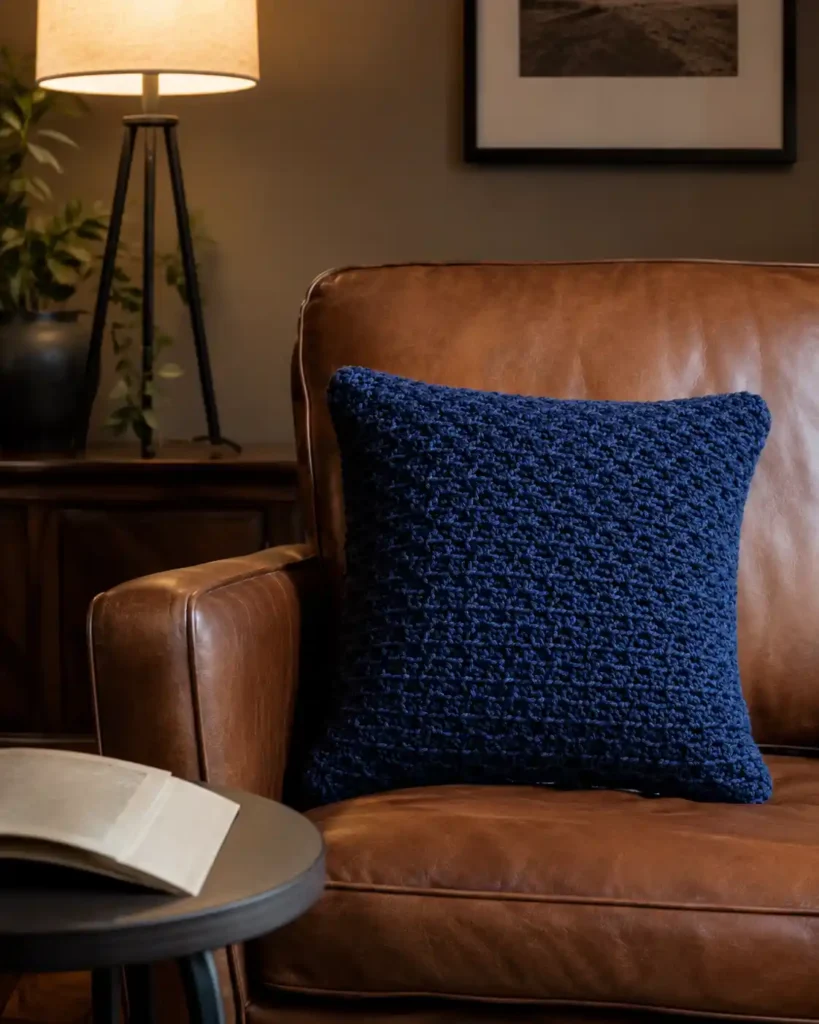
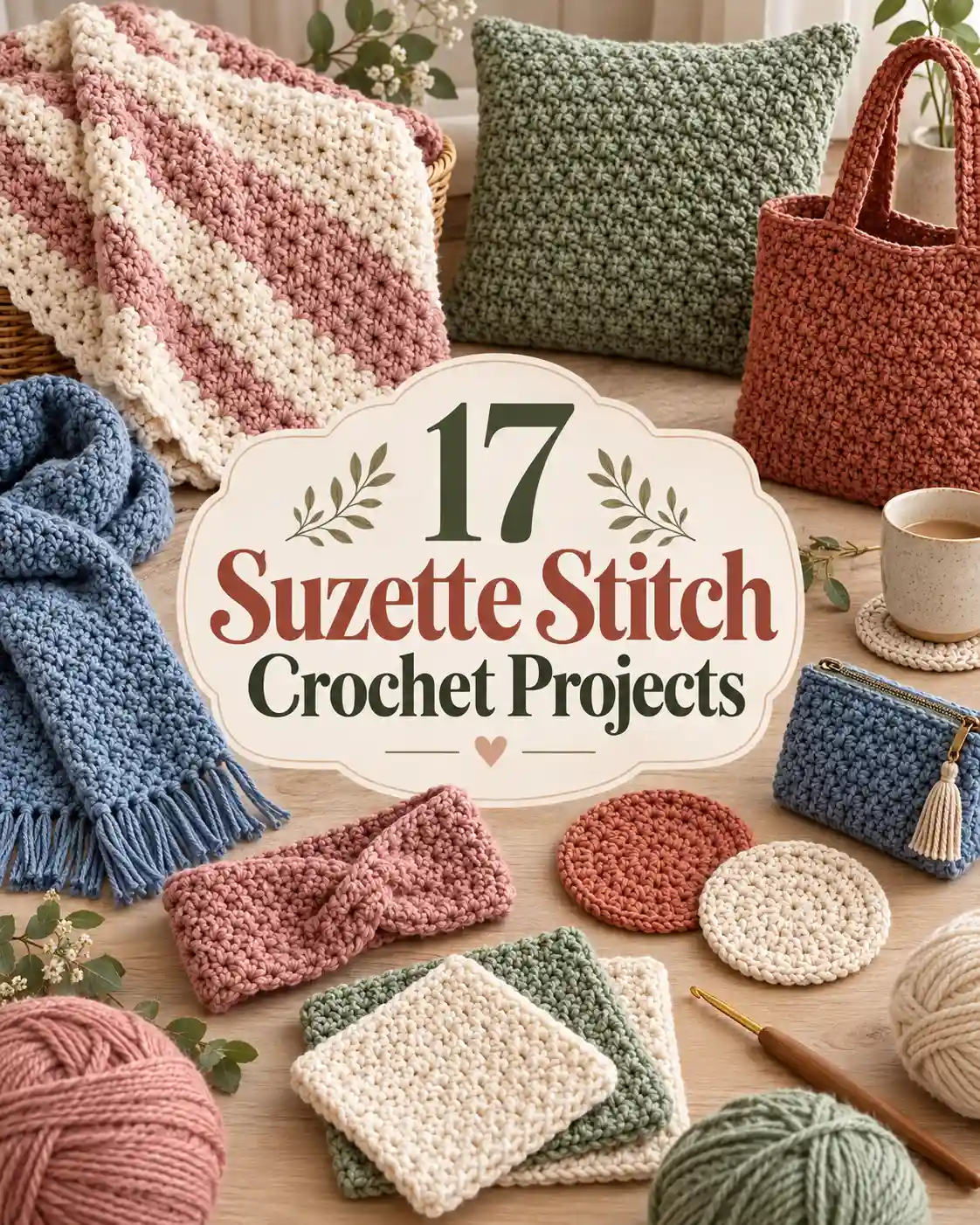
The Suzette stitch usually places a single crochet and double crochet together into the same stitch, then skips the next stitch. The fabric looks much more detailed than the repeat actually is, which makes it satisfying for newer crocheters. It has a soft, lightly bumpy surface that works well for accessories and home projects. If you want texture without dealing with front-post or back-post work, Suzette is a friendly option.
Pattern idea: Make a one-color cowl or small cushion cover so the texture stays easy to see.
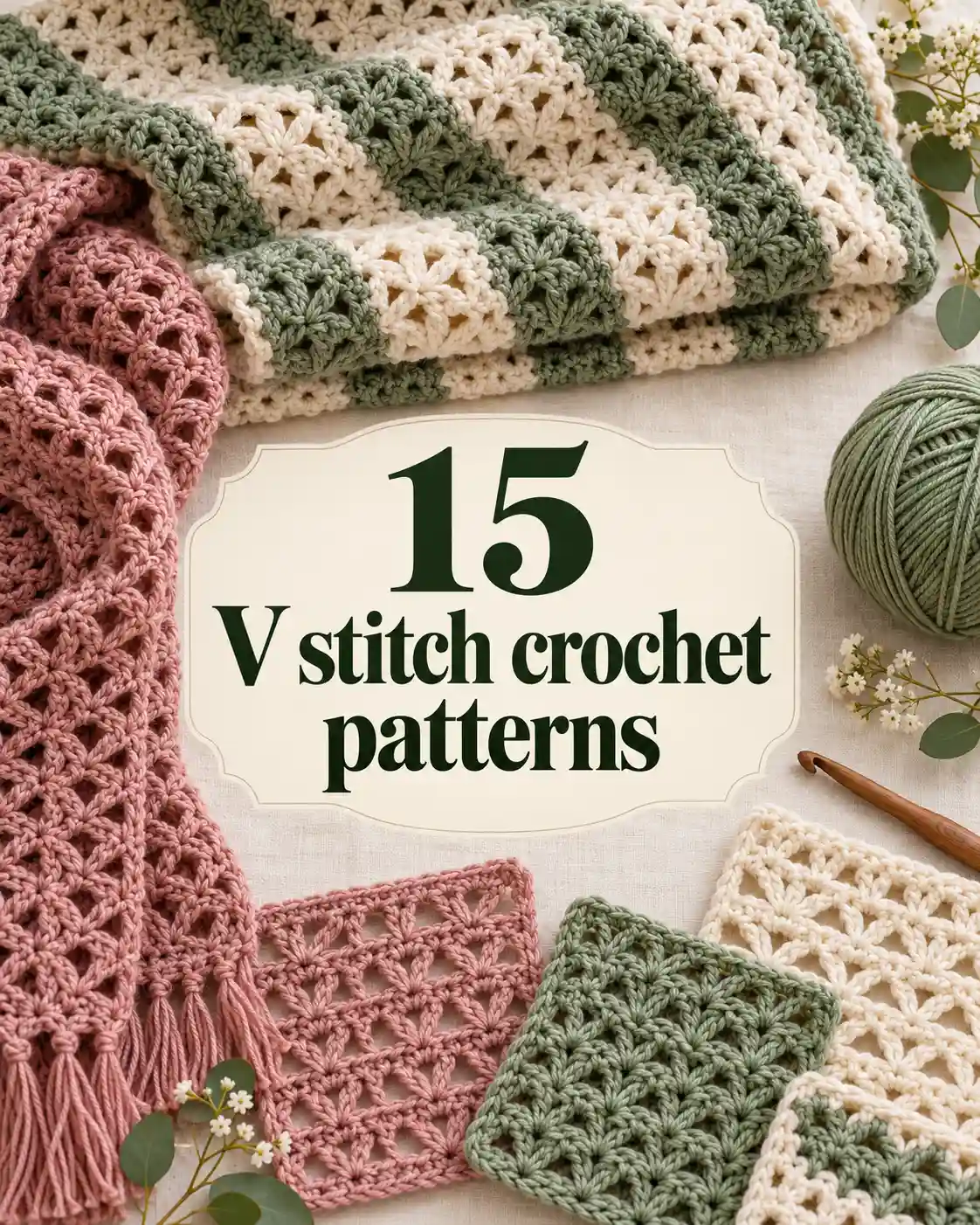
17. V-Stitch: How Does It Create Open Fabric?
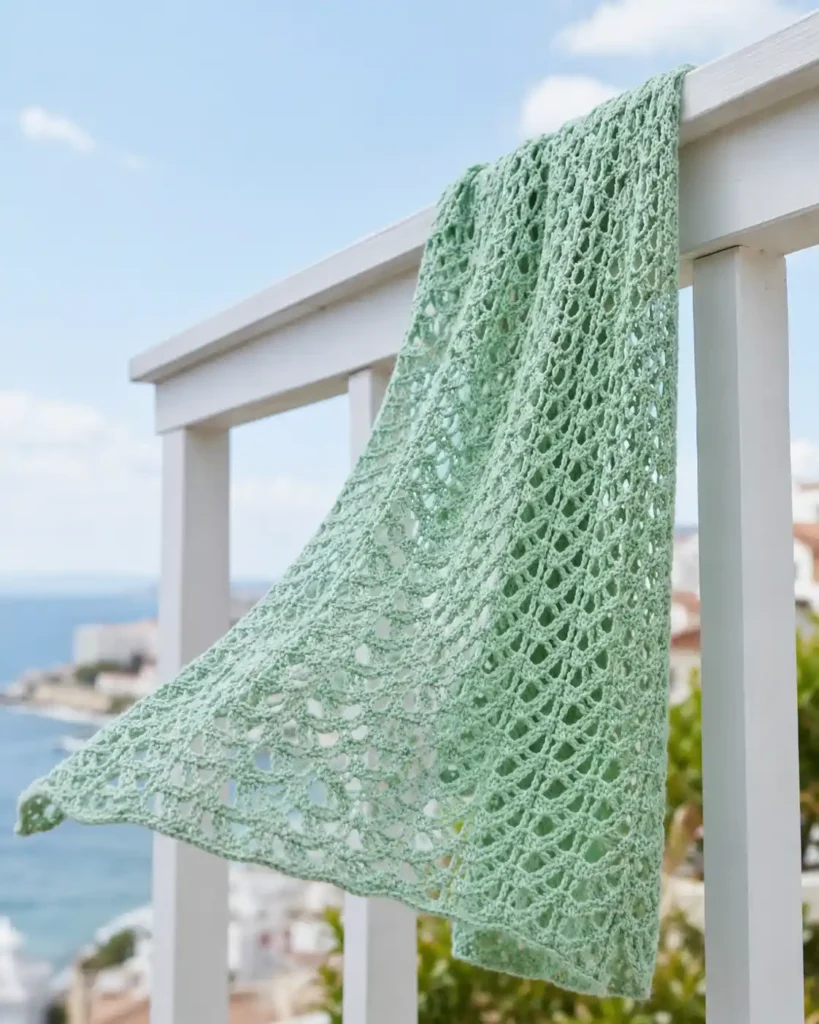
The V-stitch places two taller stitches with a chain space between them, commonly using double crochet. Those pairs form clear little V shapes and create an airy fabric without requiring complicated lace charts. It is ideal when you want something lighter than solid double crochet but still repetitive enough for relaxing practice. Beginners who can confidently work into chain spaces usually pick this up quickly.
Pattern idea: Crochet a spring scarf or lightweight baby blanket with repeating V-stitch rows.
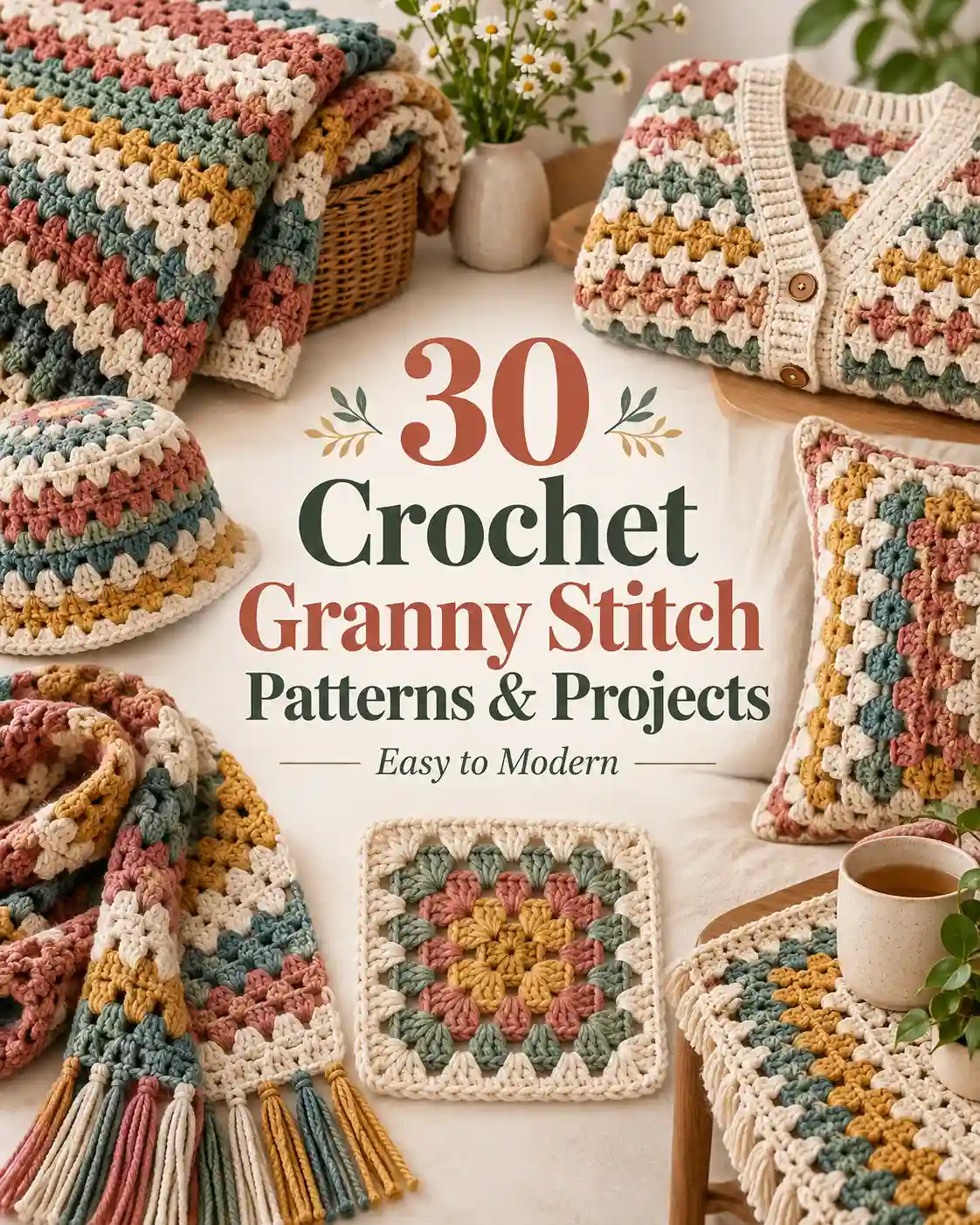
18. Granny Stitch
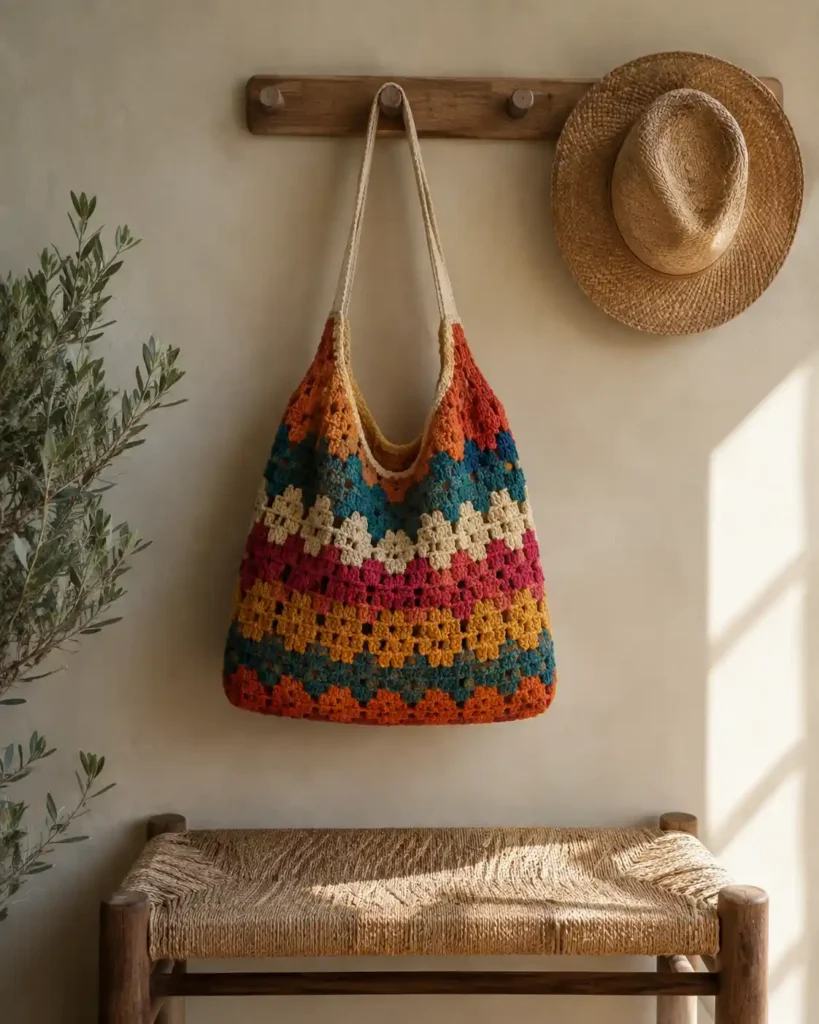
The granny stitch groups double crochets into clusters separated by spaces, giving you the familiar look seen in classic granny squares. Unlike plain double crochet, you usually work into spaces instead of searching for every stitch top, which can make the rhythm surprisingly relaxing. It also handles color changes beautifully, so leftover yarn can become part of the design instead of cluttering your stash. For a beginner ready to try motifs or colorful blankets, this stitch opens a lot of doors.
Pattern idea: Make a traditional granny-square coaster, then join several squares into a small bag.
19. Shell Stitch: Is It Difficult to Learn?
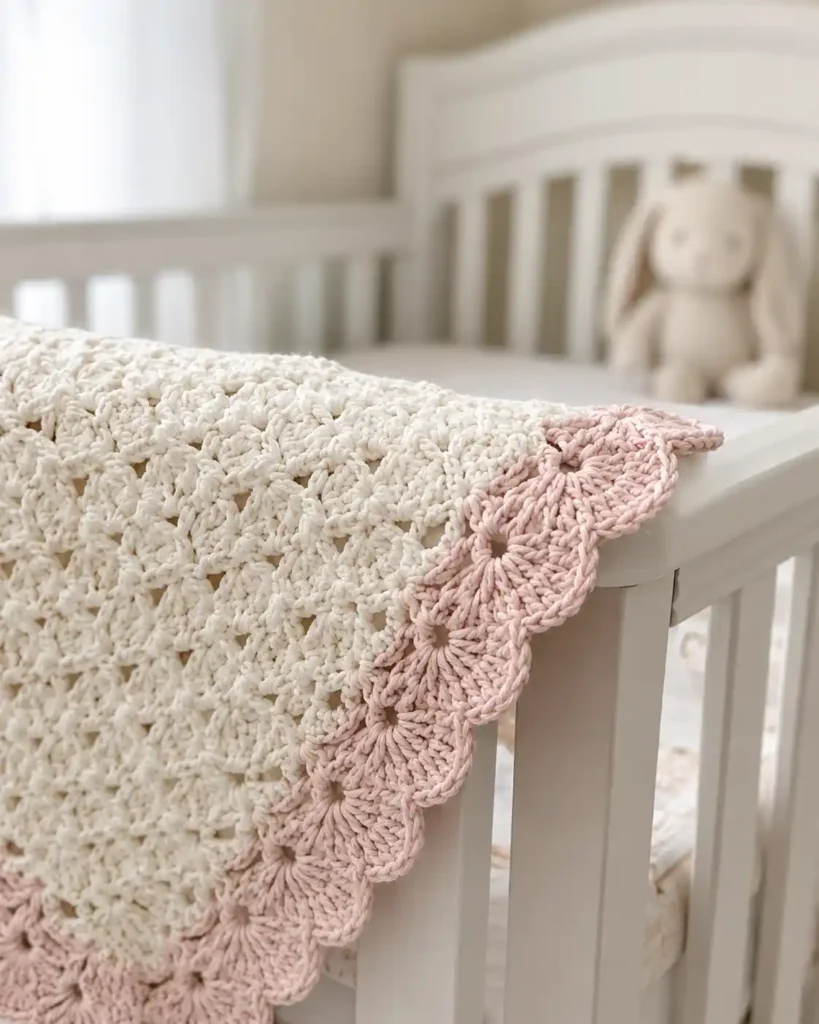
The shell stitch creates a fan shape by working several stitches into the same stitch or space. It looks decorative enough for a special blanket, yet the construction is usually just repeated double crochets separated by carefully placed skips. The Craft Yarn Council includes sh as a standard abbreviation for shell and also shows a standardized symbol for a five-double-crochet shell. If you can count repeats and work multiple stitches into one location, you are ready to try it.
Pattern idea: Use shell stitch for a baby blanket border before attempting a full shell-stitch scarf.
Which Textured Crochet Stitches Should a Beginner Try Next?
Once basic stitches feel comfortable, try clusters, puffs, bobbles, popcorns, waffle, alpine, and basketweave stitches for stronger texture.
20. Cluster Stitch: What Does a Crochet Cluster Do?
A cluster stitch partially works several stitches and closes them together at the top, creating one grouped stitch. It is different from simply placing several finished stitches in the same space because the tops are joined, giving the fabric a tighter, more defined texture. Clusters teach you to keep unfinished loops on the hook without panicking when the loop count grows. Once you understand that idea, many decorative crochet stitch patterns become easier to read.
Pattern idea: Add a row of small clusters to a plain scarf or blanket as a textured stripe.
21. Puff Stitch
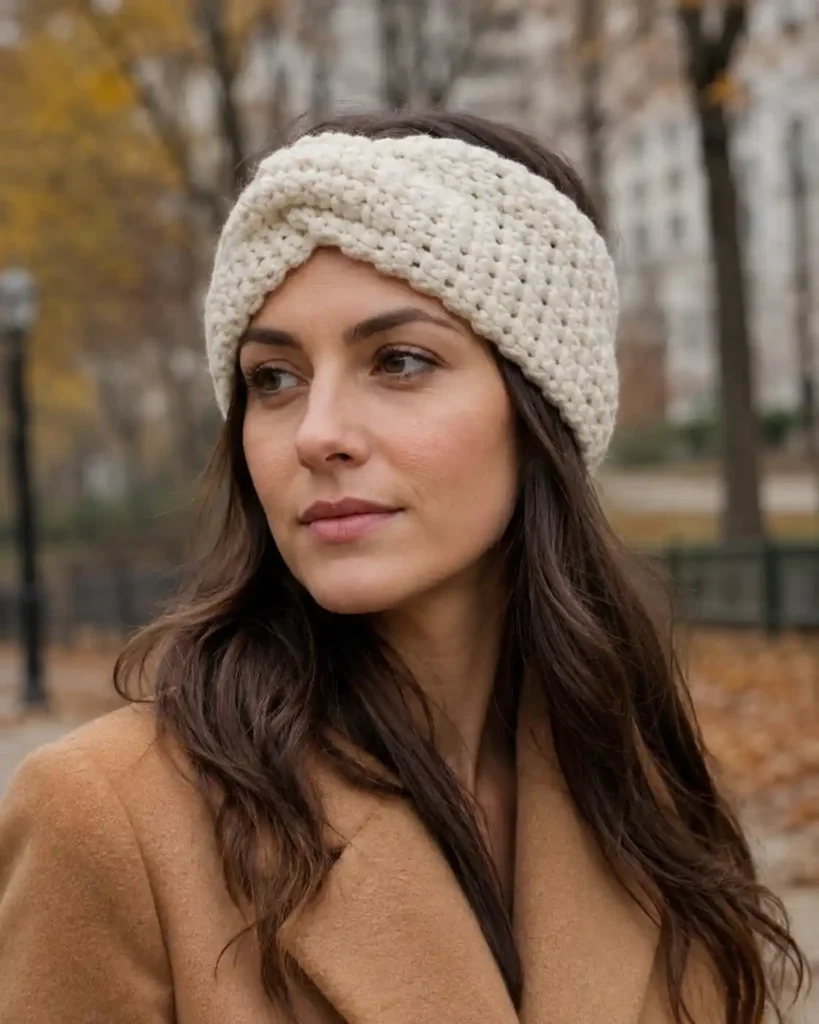
The puff stitch builds a soft raised bump by drawing up several loops from the same stitch or space and closing them together. Compared with a bobble, a puff often looks rounder and softer because it relies on elongated loops rather than several nearly completed double crochets. It is a fun way to practice even loop height, which is the secret to making every puff look consistent. If you like soft texture rather than sharp bumps, this is a good stitch to learn.
Pattern idea: Make a puff-stitch headband or add a few puff rows to a simple cushion front.
22. Bobble Stitch: Why Does It Pop Out So Much?
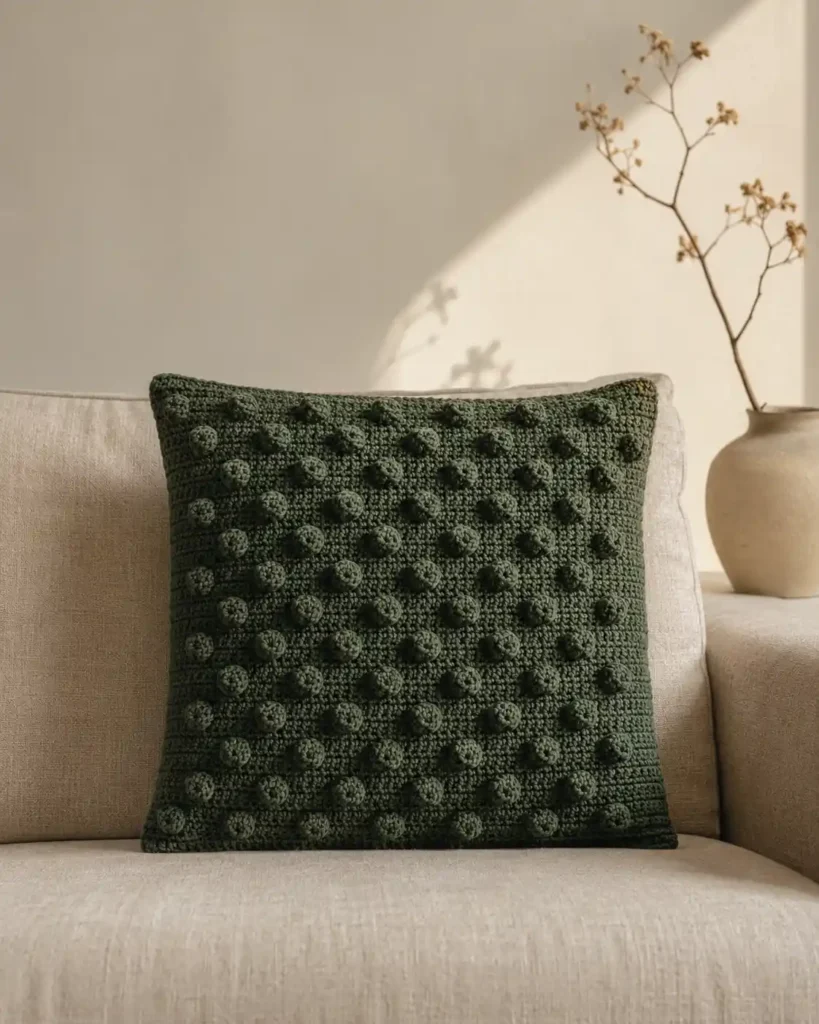
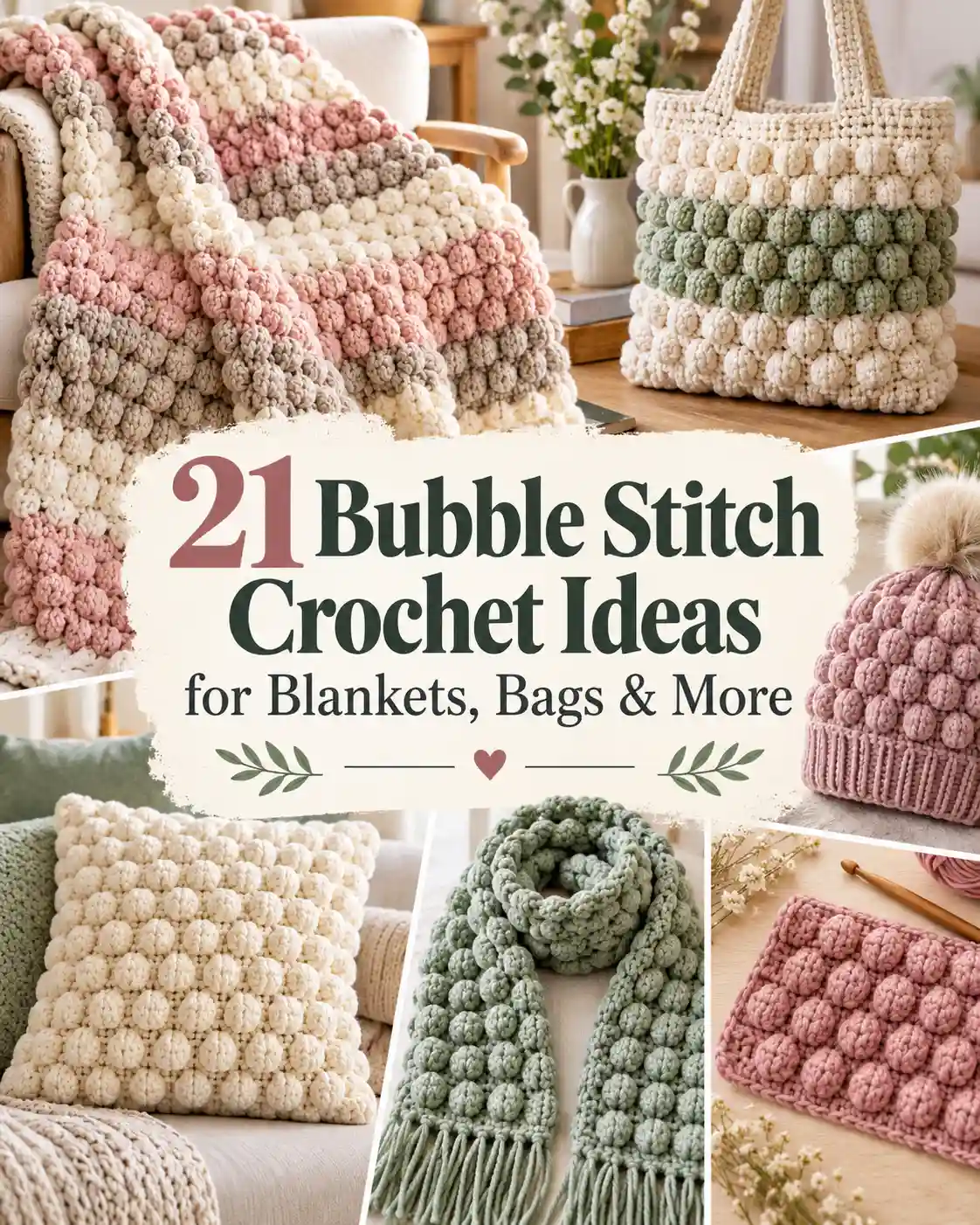
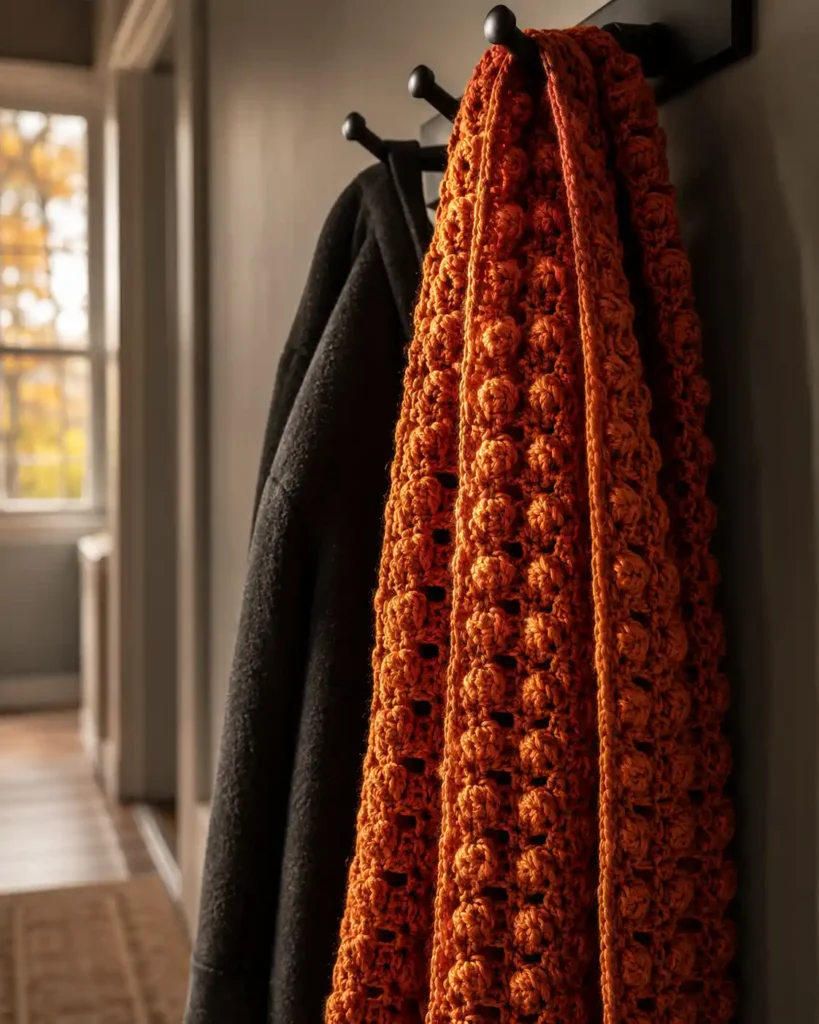
The crochet bobble stitch creates a pronounced bump by partially working several tall stitches together, then closing them at the top. It stands out more than basic flat stitches, so even a few bobbles can turn a simple project into something playful. Jen Hayes Creations, for example, describes a four-double-crochet bobble as four half-finished double crochets worked in one stitch and joined at the end. If you want to add dots, hearts, letters, or geometric texture later, bobbles are worth practicing.
Pattern idea: Crochet a solid-color cushion cover with evenly spaced bobbles across the front panel.
23. Popcorn Stitch
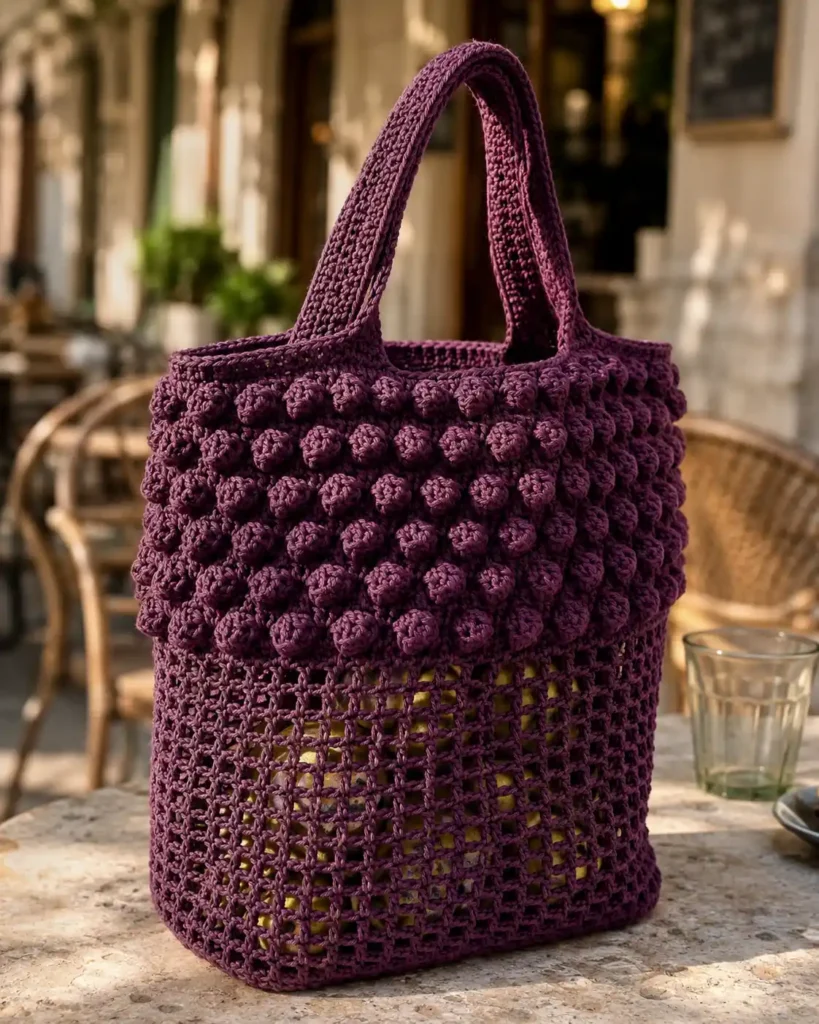
The popcorn stitch is made by completing several stitches in one place, removing the hook, then reconnecting the first and last stitches to pull the group together. That construction gives it a round, compact bump that looks different from both puffs and bobbles. It takes an extra step, but the stitch is easy to recognize once formed, which helps beginners spot mistakes quickly. Choose popcorn when you want strong decorative texture that holds its shape.
Pattern idea: Add popcorn stitches around the edge of a crochet bag or use them as flower centers.
24. Waffle Stitch: Can a Beginner Make It?
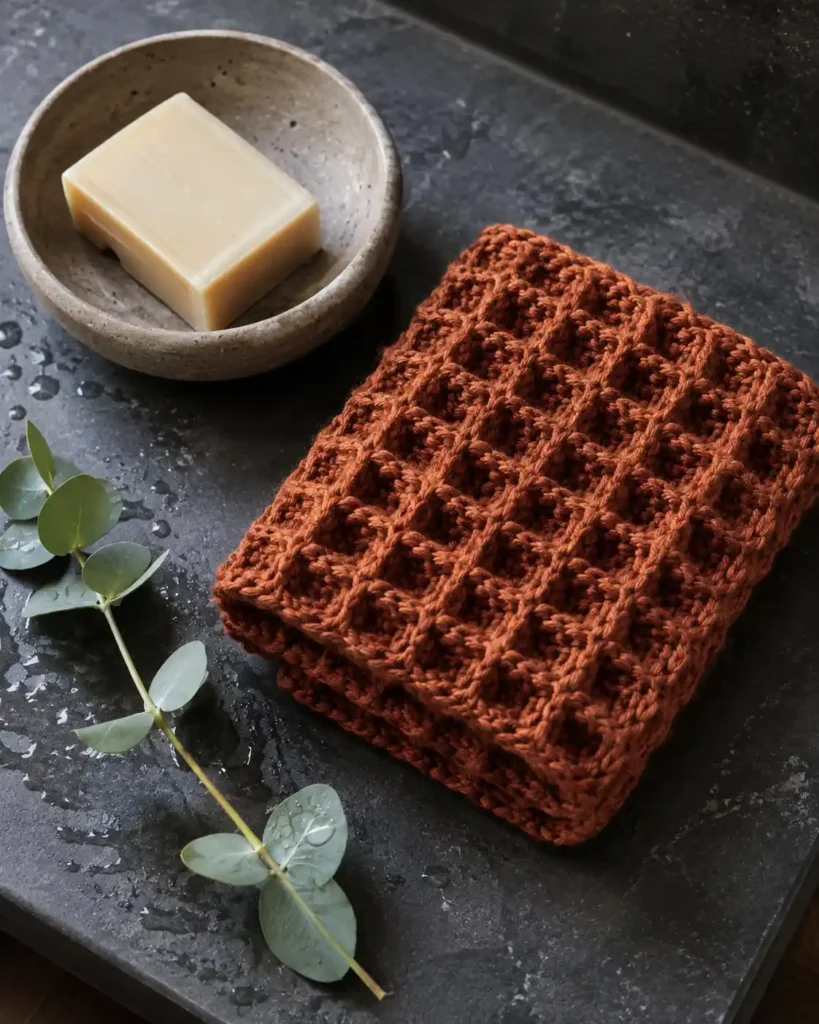
The waffle stitch uses regular double crochet together with front-post double crochet to form raised square pockets. It looks complicated from a distance, but the repeating grid becomes predictable once you can identify the posts of the previous row. Because it creates thick, warm fabric, it works especially well for blankets, washcloths, and winter accessories. This is a strong next-beginner stitch when ordinary double crochet no longer feels challenging.
Pattern idea: Practice on a small waffle-stitch washcloth before committing to a full blanket.
25. Alpine Stitch: What Creates the Raised Vertical Texture?
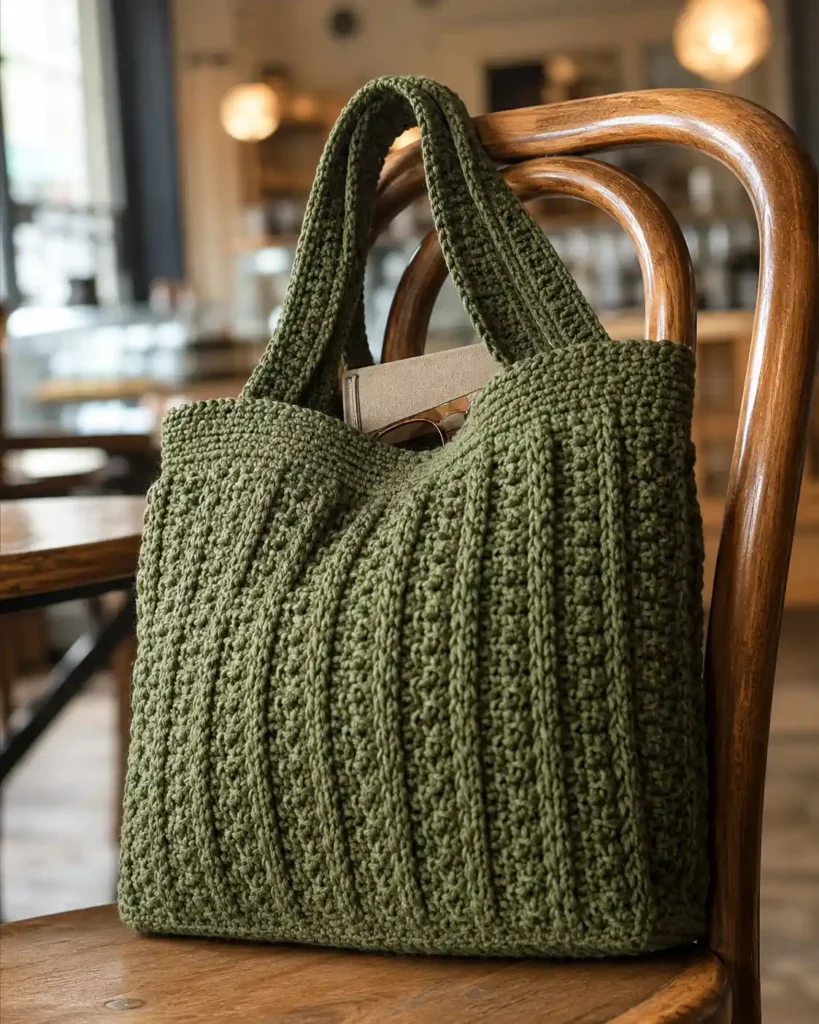
The alpine stitch mixes basic rows with front-post stitches to create raised vertical texture that resembles little peaks. It offers a more organic look than the square grid of waffle stitch, while still relying on familiar double and single crochet skills. The main challenge is placing the post stitches correctly rather than learning a totally new hand movement. If you want a polished texture for pillows, scarves, or bags, alpine stitch gives a lot of visual impact.
Pattern idea: Crochet a small alpine-stitch pillow panel in a solid color so every raised post is visible.
26. Basketweave Stitch
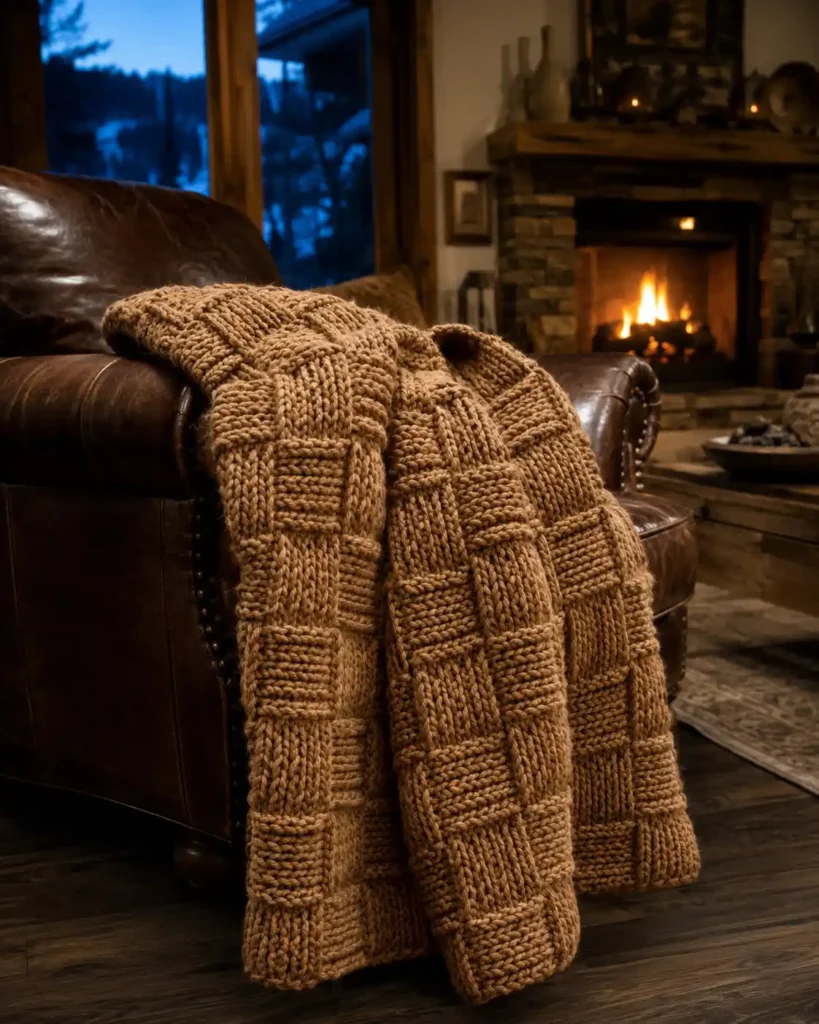
The basketweave stitch alternates groups of front-post and back-post double crochet to imitate woven strips. It uses more yarn and creates a thicker fabric than plain double crochet, but the payoff is a bold three-dimensional surface. Beginners may need to slow down for the first few rows because front and back posts look similar until the pattern starts forming. Once the blocks become visible, the repeat is much easier to track.
Pattern idea: Make a basketweave pot holder, cushion front, or warm scarf using one solid color.
27. Crab Stitch: Why Is It Worked Backward?
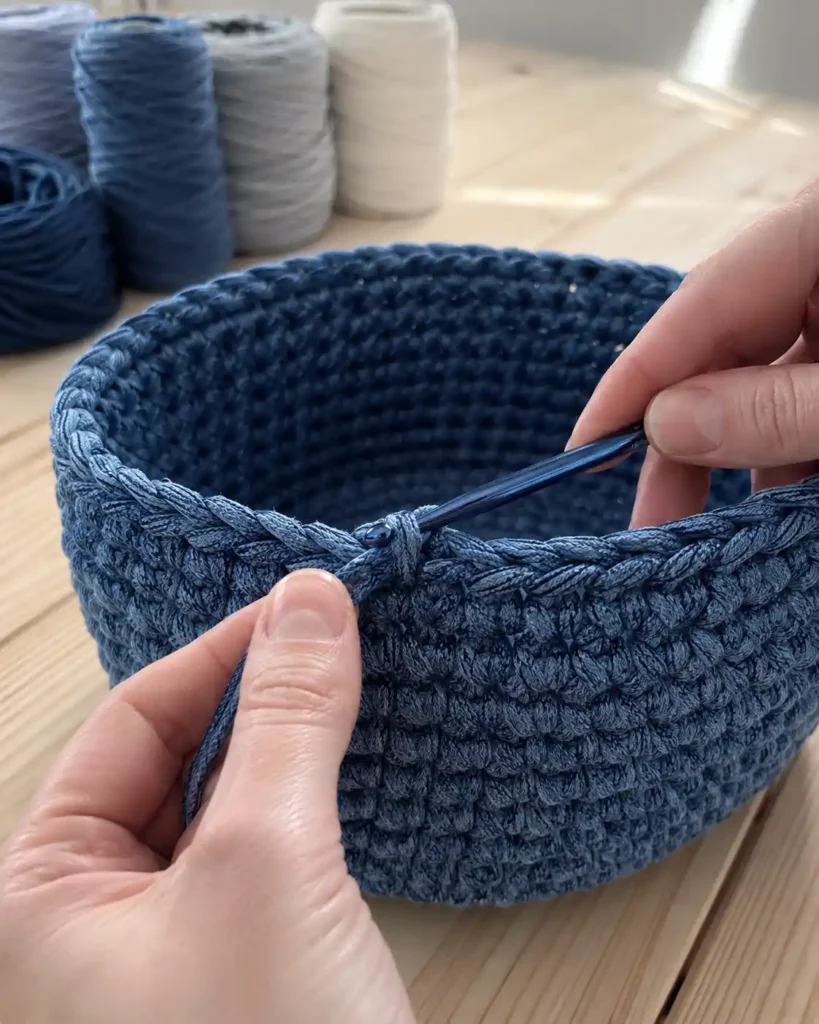
The crab stitch, also called reverse single crochet, is usually worked from left to right for a right-handed crocheter instead of the usual direction. That backward motion twists the stitch into a firm, cord-like edge that looks finished without adding a separate border. It feels strange at first precisely because your hands are doing the opposite of their normal rhythm, but a few inches of practice usually makes the motion click. Learning how to crab stitch crochet gives you an easy edging that looks more polished than a plain single-crochet border.
Pattern idea: Finish a coaster, baby blanket, basket, or bag flap with one round of crab stitch.
How Should You Practice a New Crochet Stitch?
Practice a new crochet stitch on a small swatch, count every row, and repeat until you can recognize the stitch structure without constantly checking instructions.
At a Glance:
- Keep the first swatch small.
- Repeat enough rows to reveal the pattern.
- Count stitches after every row.
- Watch for changing width.
- Adjust yarn or hook if needed.
Do not try to learn all 27 in one sitting. Pick one stitch, make a small swatch, and repeat it until you can identify the stitch tops and correct a missed stitch without restarting the whole piece.
A simple practice routine works well:
- Make a swatch about 15–25 stitches wide.
- Crochet at least 6–10 rows so the pattern has time to appear.
- Count your stitches at the end of every row.
- Compare the first and last row widths.
- Try the stitch again with a different hook size or yarn if the fabric feels too stiff or loose.
Gauge matters most when finished dimensions matter. The Craft Yarn Council recommends making a gauge swatch and switching to a smaller hook if your swatch is too large, or a larger hook if it is too small, until you match the pattern gauge.
How Do You Read Crochet Stitch Abbreviations?
Learn the standard abbreviations for basic stitches first, then read each pattern’s abbreviation or terminology notes before starting.
At a Glance:
- ch means chain.
- sc means single crochet.
- hdc means half double crochet.
- dc means double crochet.
- tr means treble crochet.
Most patterns shorten frequently repeated instructions. Common U.S. abbreviations include ch for chain, sl st for slip stitch, sc for single crochet, hdc for half double crochet, dc for double crochet, and tr for treble crochet. Yarnspirations uses the same core abbreviations in its beginner abbreviation guide, which makes them useful terms to memorize early.
Also watch for instructions such as rep for repeat, sp for space, st/sts for stitch or stitches, RS for right side, and WS for wrong side. Once those abbreviations become familiar and you know how to read a crochet pattern, a written crochet stitch pattern starts looking less like code and more like a short set of repeated actions.
Which Crochet Stitches Should You Learn in Order?
Move from basic construction stitches to loop variations, simple repeats, textured stitches, post stitches, and finally finishing techniques.
If you want a simple learning path, use this sequence:
- Chain
- Slip stitch
- Single crochet
- Half double crochet
- Double crochet
- Treble crochet
- Back loop only
- Moss stitch
- V-stitch
- Granny stitch
- Shell stitch
- Cluster, puff, and bobble stitches
- Front- and back-post textures such as waffle, alpine, and basketweave
- Crab stitch for finishing
You do not need to master one stitch before touching the next. The goal is to build enough familiarity that you can recognize where the hook goes, keep your tension reasonably steady, and understand how a repeated stitch changes the fabric.
Frequently Asked Questions About Crochet Stitches
What Is the Easiest Crochet Stitch for Beginners?
The chain stitch is the easiest place to start, followed by single crochet. Single crochet is especially useful because it teaches you how to insert the hook into a stitch, pull up a loop, and complete a full row with consistent stitch counts.
What Are the Five Basic Crochet Stitches?
A practical beginner set is chain, slip stitch, single crochet, half double crochet, and double crochet. Treble crochet is usually the next basic tall stitch to add.
Which Crochet Stitch Uses the Least Yarn?
Shorter stitches generally create less height per stitch, while taller or highly textured stitches can use more yarn in a given area. Actual yarn use depends on stitch density, hook size, tension, yarn weight, and the dimensions of the project, so a swatch is the safest way to compare.
What Crochet Stitch Is Best for a Blanket?
Moss stitch, double crochet, granny stitch, and waffle stitch are all good choices, depending on the look you want. Use moss or granny stitch for a lighter repetitive fabric, plain double crochet for speed, or waffle stitch for a thick textured blanket.
Why Do U.S. and U.K. Crochet Stitch Names Differ?
Crochet terminology developed with different naming conventions. The Craft Yarn Council’s comparison table shows, for example, that U.S. single crochet corresponds to U.K. double crochet, and U.S. double crochet corresponds to U.K. treble crochet.
Final Thoughts
Learning a new crochet stitch can feel challenging at first, but every stitch becomes easier once your hands get used to the basic movements. Start with simple stitches like chain, single crochet, half double crochet, and double crochet, then gradually move into textured options such as moss stitch, bobble stitch, waffle stitch, and basketweave.
You do not need to learn all 27 stitches at once. Pick one stitch crochet pattern, make a small practice swatch, and focus on keeping your tension and stitch count consistent. Over time, these individual stitches will give you more freedom to make blankets, scarves, bags, hats, home décor, and your own creative crochet projects.
The best way to improve is simply to keep your hook moving. Choose your next stitch from this list, grab some yarn, and start practicing.
![The Best 30+ Free Crochet Cat Patterns [Beginner-Friendly Guide]](https://crochetmind.com/wp-content/uploads/2025/04/1-The-Best-30-Free-Crochet-Cat-Patterns-Beginner-Friendly-Guide.webp)